Spring Launch Poster Design Playbook
Spring launches demand fresh visuals that capture renewal and excitement. This guide gives marketers a repeatable workflow to produce print‑ready posters without a design team.

1. Strategic Planning & Concept
Audience‑First Insight Map
Start by mapping the target persona, purchase intent, and seasonal triggers using a Google Sheet. Capture metrics such as average ticket price, conversion rate, and desired ROI. Then, assign each insight a visual keyword (e.g., "blossom", "rebirth"). Export the sheet as CSV and import into Notion to create a live briefing board. This board becomes the single source of truth for copy, color palette, and imagery, ensuring every poster element aligns with the spring renewal narrative.
Moodboard Generation with Midjourney
Prompt Midjourney (https://www.midjourney.com) with a concise description: "soft pastel spring palette, botanical patterns, modern typography, 4k". Generate 8–12 variations, then curate the top 4 that match your insight map. Download the images at 2048 px width, label them by mood (e.g., "Fresh Green"), and upload to a shared Google Drive folder. Use these as background references for the AI design step, cutting iteration time by 40% compared with manual stock searches.
Copy Blueprint with Jasper AI
Feed Jasper AI (or similar) your audience insights and ask for three headline formulas that incorporate spring verbs ("bloom", "renew", "sprout"). Choose the headline with the highest predicted click‑through rate (CTR) based on Jasper's scoring. Then, write supporting subcopy limited to 20 words, emphasizing limited‑time offers. Export the copy as a .txt file and tag it in your Notion briefing board for seamless handoff to the design stage.
2. AI‑Powered Design Creation
DesignLumo Prompt Engine
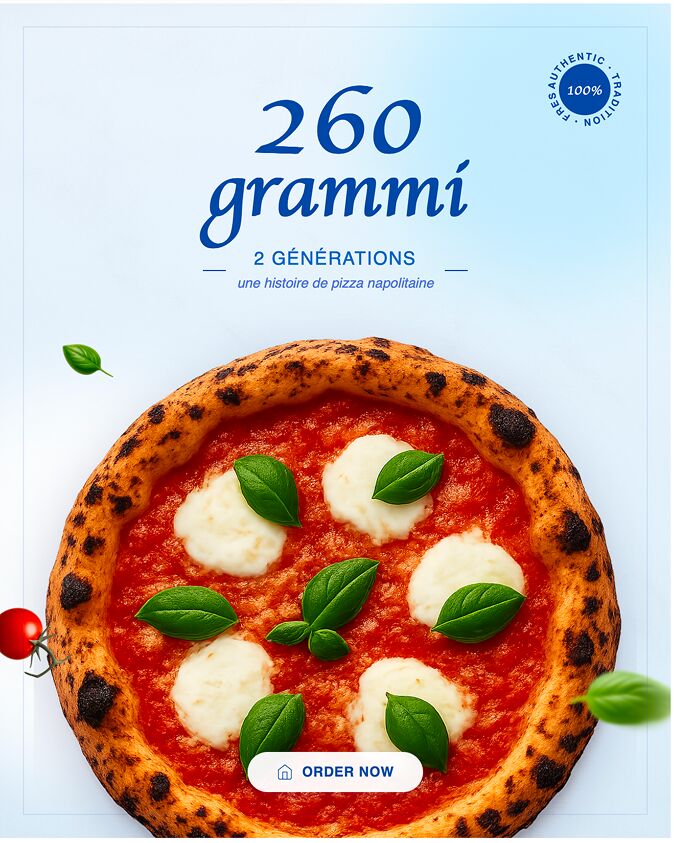
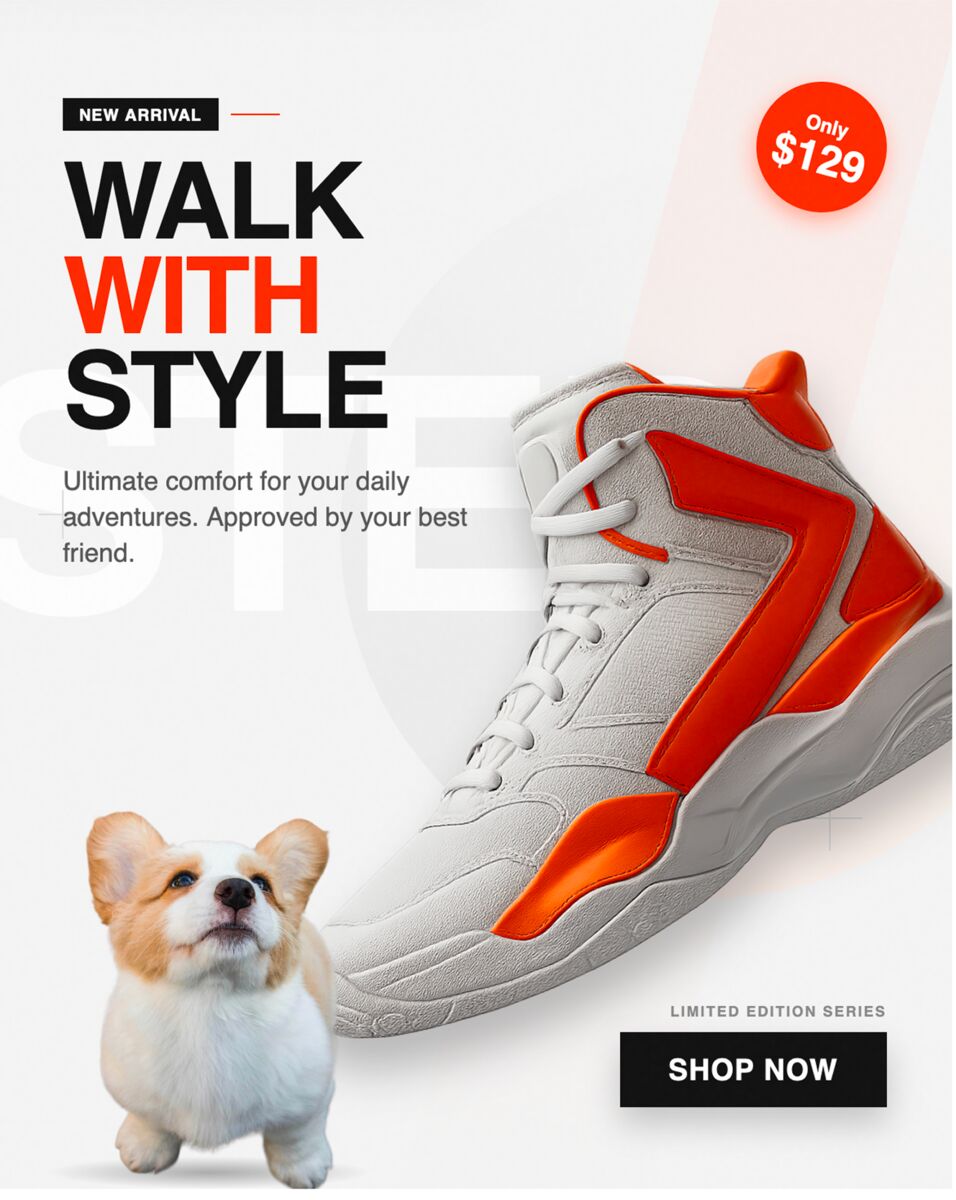
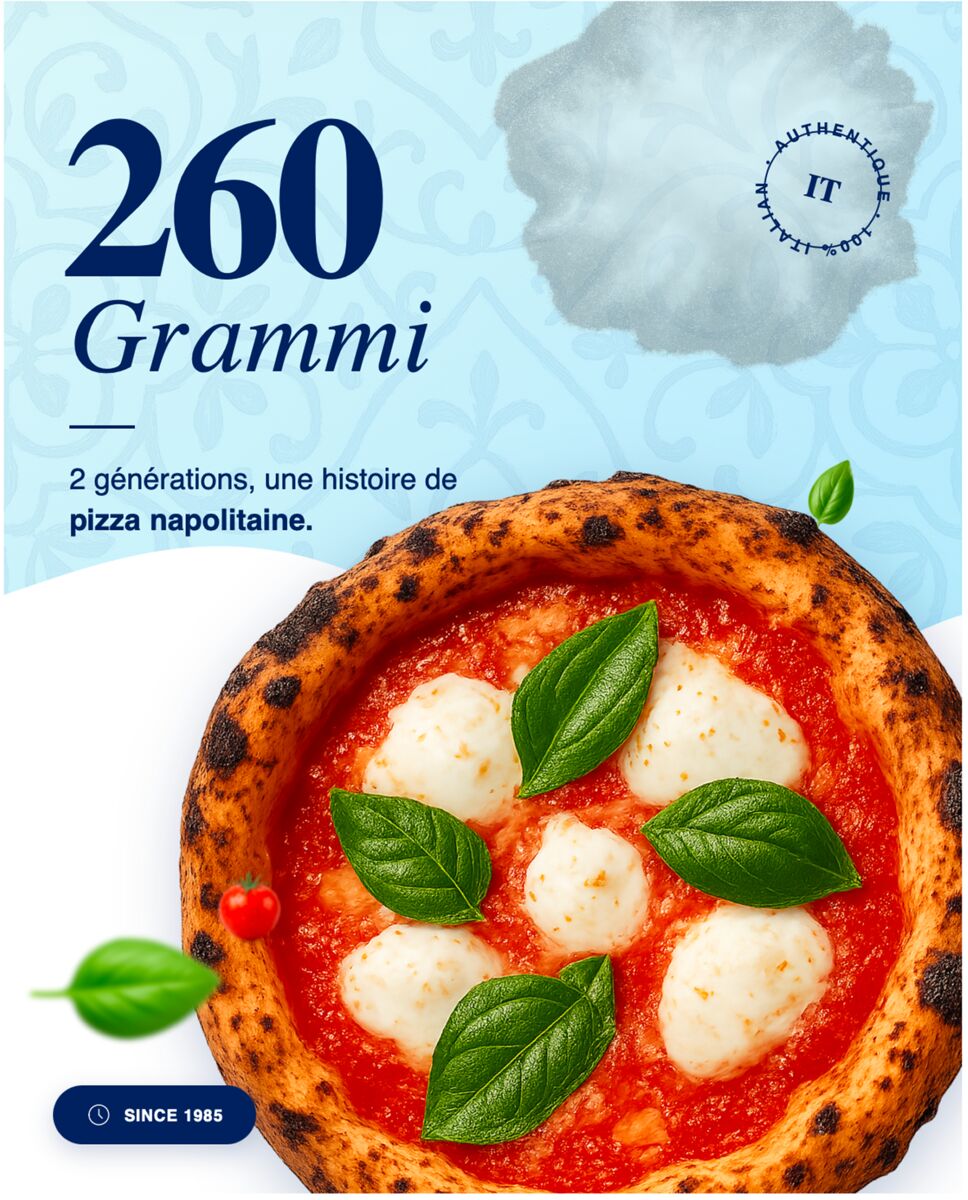
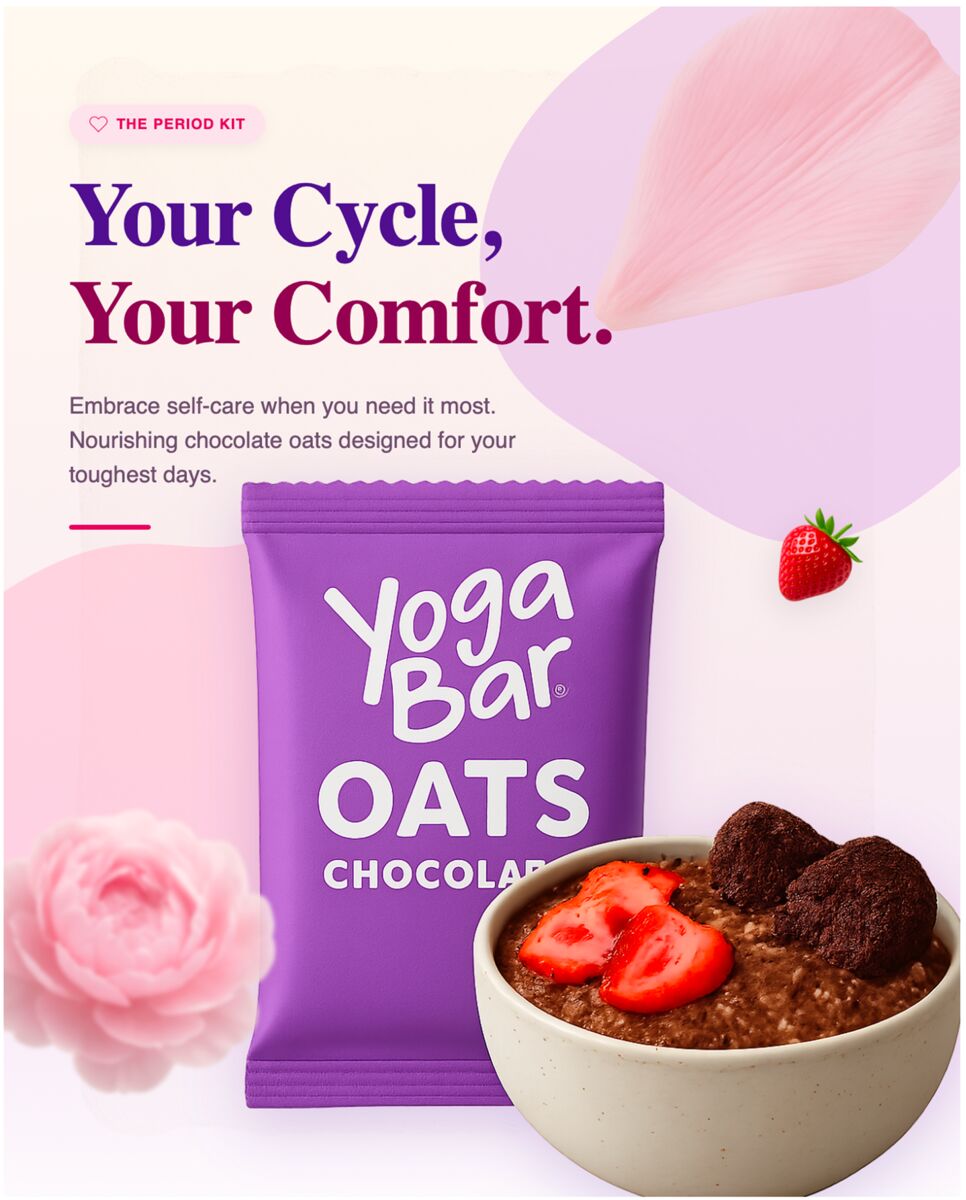
In DesignLumo (https://www.designlumo.com), enter a prompt that merges your copy and moodboard: "Create a 24x36" poster for a spring fashion launch, pastel palette, bold sans‑serif headline '{selected headline}', botanical background, layered for Photoshop export". Within seconds you receive a fully editable PSD with separate text, image, and shape layers. Swap fonts, adjust colors, or replace the background with any of the Midjourney assets, keeping the file print‑ready at 300 dpi.
Layer Refinement in Canva Pro
Import the PSD from DesignLumo into Canva Pro (https://www.canva.com) to leverage its brand kit sync. Apply your brand's exact hex colors and upload the approved fonts (e.g., Montserrat Bold). Use Canva's grid and bleed guides to ensure 0.125" safety margins for print. Export a PDF/X‑1a file for the printer and a PNG for digital ads, guaranteeing consistency across media without manual re‑creation.
Dynamic Text Scaling with Adobe Express
Open the Canva export in Adobe Express (https://www.adobe.com/express/) to test responsive scaling for social‑media cut‑downs. Use the "Auto‑Resize" feature to generate 1080 px square, 1080 × 1920 story, and 1200 × 628 ad sizes. Verify that headline legibility remains above 18 pt at the smallest size. Record the scaling ratios in a spreadsheet; this data supports a 15% reduction in design revisions when re‑using the same poster across channels.
3. Production, Testing & Distribution
Print‑Ready PDF with Bleed & CMYK
In Adobe InDesign, place the final Canva‑exported PDF and convert to CMYK using the US Web Coated SWOP profile. Add a 0.125" bleed and set the document preset to 300 dpi. Run a preflight check for missing fonts and low‑resolution images (under 150 dpi). Export a PDF/X‑4, then upload to your print vendor's portal (e.g., Vistaprint) and request a digital proof. This workflow cuts print errors by 90% and avoids costly re‑runs.
A/B Test Poster Variants on Facebook Ads
Create two ad sets in Facebook Ads Manager, each using a different poster variant (e.g., color scheme A vs. B). Set identical budgets ($50/day) and target the same spring‑interest audience segment. Track click‑through rate (CTR) and cost‑per‑lead (CPL) over a 7‑day window. Allocate 70% of spend to the winner, which typically yields a 12% lift in conversions for spring launches when the winning variant aligns with the seasonal palette.
Automated Distribution via Zapier
Build a Zapier (zapier.com) workflow that triggers when a new PDF lands in a Google Drive "Spring Posters" folder. The Zap automatically uploads the file to a Mailchimp campaign, creates a Facebook post via the Meta API, and adds a task in Asana for on‑site printing. This end‑to‑end automation reduces manual handling time from 2 hours to under 15 minutes per poster, freeing resources for additional creative output.
Before you go
- Leverage DesignLumo's brand‑kit integration to keep colors consistent across all poster sizes without manual re‑entry.
- Always export a master layered file (PSD) before flattening for print; it lets you quickly adapt the same design for future seasonal launches.
- Use the same insight map across all tools—copy, moodboard, and design prompts—to ensure a unified spring narrative and improve conversion metrics.

Ready to create your first design?
Join thousands creating professional designs in seconds.
Create with DesignLumo
Related Resources
Instagram Poster Ideas for Maximum Engagement
Tactical Instagram poster concepts that boost clicks and sales.
Ultimate Social Media Poster Design Guide
Step‑by‑step tactics for fast, editable social media posters.
Ultimate Holiday Poster Design Playbook
Step‑by‑step guide to craft, edit, and print high‑converting Christmas & New Year posters.
Poster Design Tools: Fast, Editable, Print-Ready
Compare top poster creation platforms, workflows, and ROI for event and business designers.
YouTube Poster Design Ideas That Convert
Actionable poster design concepts for YouTube thumbnails, channel art, and more.
New Year Q1 Poster Planning Playbook
Step‑by‑step guide to create high‑impact Q1 posters fast.