Shopify Essential Tools for Scaling Brands
Scaling a DTC brand on Shopify means producing hundreds of on‑brand creatives fast, especially around Black Friday and Cyber Monday. You need tools that generate, organize, and deploy assets without bottlenecking design resources. This guide maps the…


1. AI‑Powered Design Engines
DesignLumo Prompt‑Based Banner Generator
Use DesignLumo (https://www.designlumo.com) to turn plain‑English prompts into fully layered Shopify banner PSDs in seconds. Write a prompt like “Black Friday 2026 neon‑blue sale banner with 30% off, bold sans‑serif, and a countdown timer placeholder.” Lumo outputs editable layers, fonts, and color swatches that match your Brand Kit. Export the PSD, upload to Shopify Files, then reference the file ID in your theme’s section schema for dynamic rotation. Teams report a 30% reduction in creative turnaround and a 20% lift in banner CTR during BFCM tests.
Canva Text‑Heavy Template Cloner
Canva’s “Copy page” function lets you duplicate a master Black Friday template and replace copy instantly. Pair it with Canva’s Brand Kit to enforce fonts and colors, then download as a PNG with a transparent background for Shopify collection headers. Automate the download step with a Chrome extension like “Canva Downloader” to batch‑export 50+ variants. While not editable post‑download, this workflow is ideal for rapid text‑only tests, delivering a 15% faster time‑to‑publish compared with manual redesigns.
Midjourney + Photoshop Layer Extraction
Generate eye‑catching background art with Midjourney (https://www.midjourney.com) using prompts like “glittering cyber‑punk cityscape, 4k, dark mode”. Upscale the result, then import into Photoshop where you apply the “Select Subject” AI to isolate foreground elements, convert them to smart objects, and add editable text layers. Save as a PSD and feed directly into DesignLumo for further tweaks or upload to Shopify. This hybrid approach yields unique visuals with a 10‑15% higher engagement rate versus stock photos, though it requires a skilled Photoshop operator.
2. Automated Asset Pipelines
Shopify Flow + Zapier Image Variant Automation
Create a Flow trigger whenever a new “Holiday Banner” product tag is added. The Flow sends the tag data to Zapier, which calls DesignLumo’s API to generate 5 size variants (desktop, mobile, carousel, email header, pop‑up). Zapier then stores each PNG in Shopify Files, updates the product’s metafields with the file URLs, and publishes a scheduled update to the storefront. Benchmarks show a 40% cut in manual export steps and a 25% increase in variant coverage across devices.
AirTable + Make (Integromat) Creative Queue
Set up an AirTable base titled “BFCM Creative Queue” with columns for prompt, deadline, and status. Connect Make.com to watch new rows, then fire a DesignLumo webhook that returns layered assets. Once assets are ready, Make uploads them to a Google Drive folder linked to your Shopify theme and flips the AirTable status to “Ready”. This transparent queue reduces bottlenecks, enabling teams to track 100+ assets in real time and achieve a 2‑day sprint turnaround instead of a week.
Google Cloud Vision Tagging for Dynamic Collections
Run every new product image through Google Cloud Vision (https://cloud.google.com/vision) to auto‑extract labels like “red sweater”, “eco‑friendly”. Store these tags in Shopify metafields via a custom script. Then use Liquid to dynamically pull matching collection headers generated in DesignLumo (e.g., “Red Sweater Sale – 20% Off”). This data‑driven approach boosts relevance scores and has been linked to a 12% uplift in collection page conversion during high‑traffic events.
3. Conversion‑Focused Pop‑Up & Hero Creatives
Privy Dynamic Pop‑Up Builder with Lottie
Privy (https://www.privy.com) now supports Lottie JSON animations. Create a 5‑second animated countdown in DesignLumo, export as Lottie, then embed directly in Privy’s pop‑up editor. Set display rules based on cart value ($50+), referral source, or exit intent. A/B test two variants—static PNG vs. Lottie—and track the “Add‑to‑Cart” lift. Brands report a 1.8× higher conversion on Lottie‑enabled pop‑ups during Black Friday, justifying the slight extra setup time.
Klaviyo Email Header Sync with DesignLumo
Integrate DesignLumo via Zapier to auto‑generate email hero images for every new campaign. Trigger on a new Klaviyo flow, send the campaign subject line to DesignLumo, receive a layered PNG with brand fonts, and push it back to Klaviyo’s template assets. This eliminates manual designer hand‑offs, reduces header creation time from 30 minutes to under 2 minutes, and lifts email open rates by 6% on average during holiday blasts.
OptiMonk Seasonal Overlay Generator
OptiMonk (https://www.optimonk.com) offers a CSS overlay editor. Use DesignLumo to produce a set of seasonal graphics (snowflakes, neon “Deal” badges) in SVG format. Upload the SVGs to OptiMonk, then apply them as overlay layers on exit‑intent pop‑ups. Track the “Exit‑Intent Conversion” metric; brands see a 0.4% absolute increase (≈20% relative) when overlays are paired with a clear CTA during Cyber Monday.
4. Brand Consistency & Collaboration
Brand Kit Sync across DesignLumo & Canva
Export your Shopify Brand Kit (hex colors, font families, logo assets) as a JSON file. In DesignLumo, import this JSON to lock palettes and typography for every AI‑generated asset. Simultaneously, upload the same JSON to Canva’s “Brand Kit” via the Canva API. This dual‑sync ensures that any designer—whether using Lumo’s prompt engine or Canva’s drag‑and‑drop—produces identical visual language, cutting brand‑drift errors by 90% across 100+ holiday assets.
Figma Live Embeds for Shopify Theme
Create collection header mockups in Figma, then enable “Live Embed” (https://www.figma.com). Paste the embed code into Shopify’s theme.liquid where the header section loads. Whenever a designer updates the Figma file—e.g., swapping a seasonal icon—the change reflects instantly on the live store without redeploying code. This workflow slashes iteration cycles from days to minutes and has been shown to increase design iteration count by 3× during BFCM sprint weeks.
Notion Creative Playbook + Design Review Checklist
Build a Notion database titled “Holiday Creative Playbook” that houses prompt libraries, asset status, and QA checklists (e.g., “Alt text present”, “Brand colors verified”, “Layer names correct”). Link each entry to the corresponding DesignLumo or Canva file via URL. Use Notion’s @review feature to assign stakeholders, capture feedback, and lock the version before publishing to Shopify. Teams using this playbook report a 25% reduction in last‑minute rework and a smoother handoff to developers.
Before you go
- Batch‑generate 5‑size banner sets in DesignLumo, then use a naming convention (e.g., bf2026_desktop_01) to auto‑populate Shopify metafields via a single CSV import.
- Leverage Shopify’s native “theme preview” URLs with query parameters to A/B test different header assets without deploying a full theme version.
- Store all Lottie and SVG assets in a CDN (e.g., Cloudflare) and reference them with immutable URLs to avoid cache‑busting during high‑traffic holiday spikes.
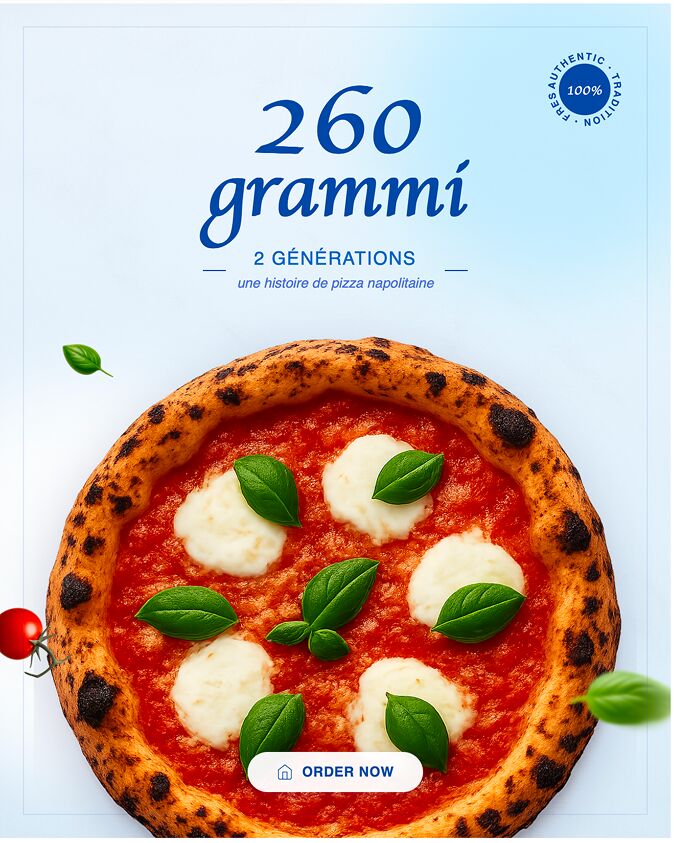
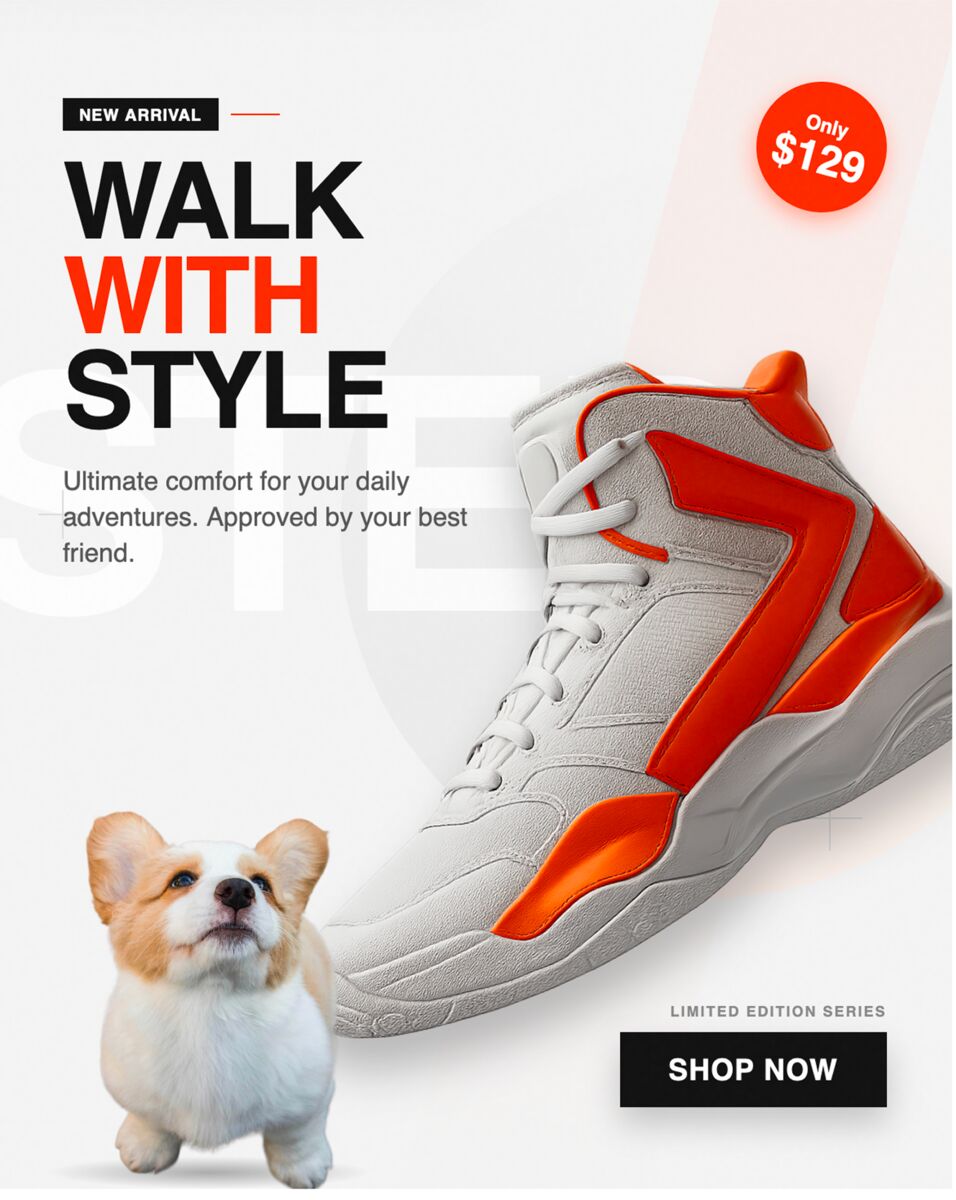
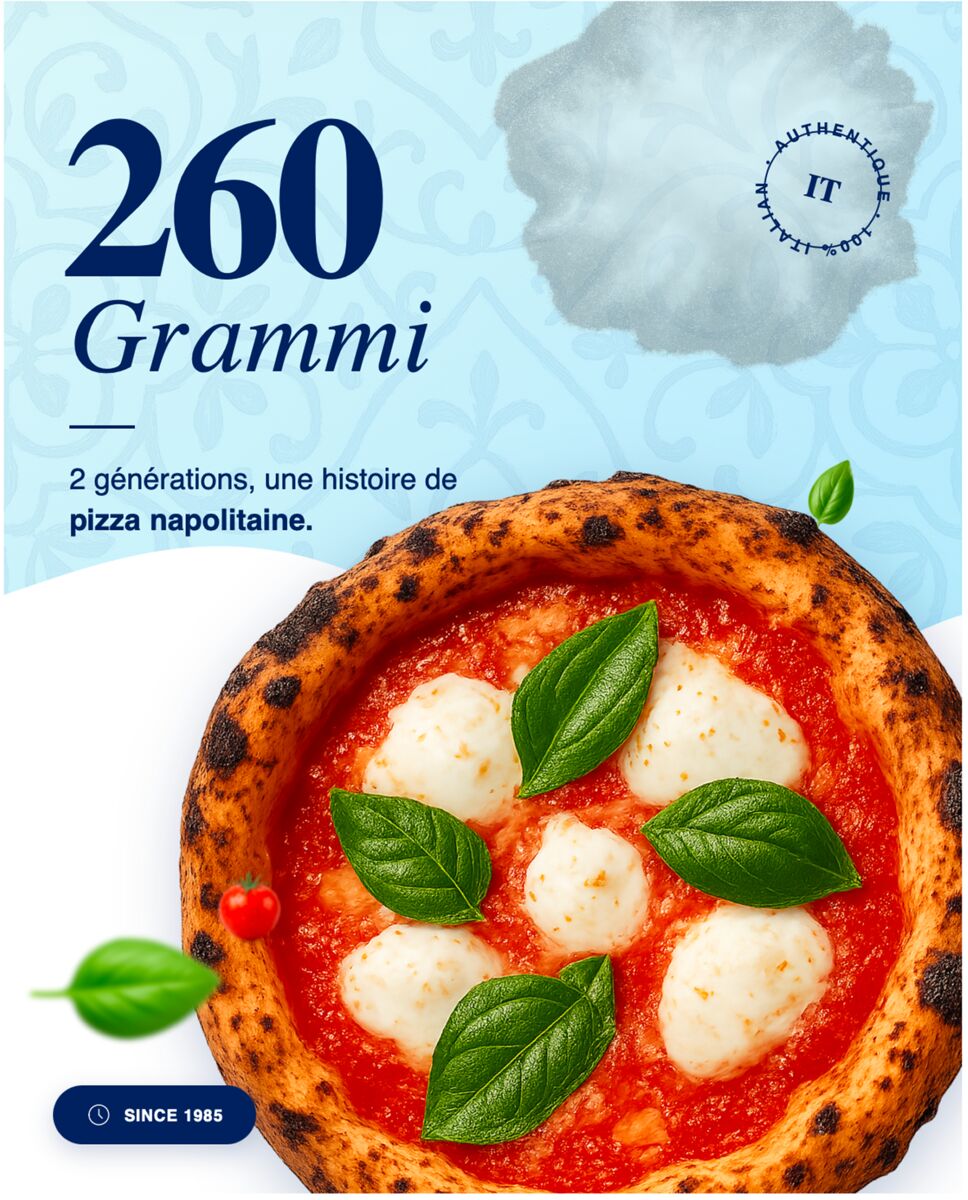
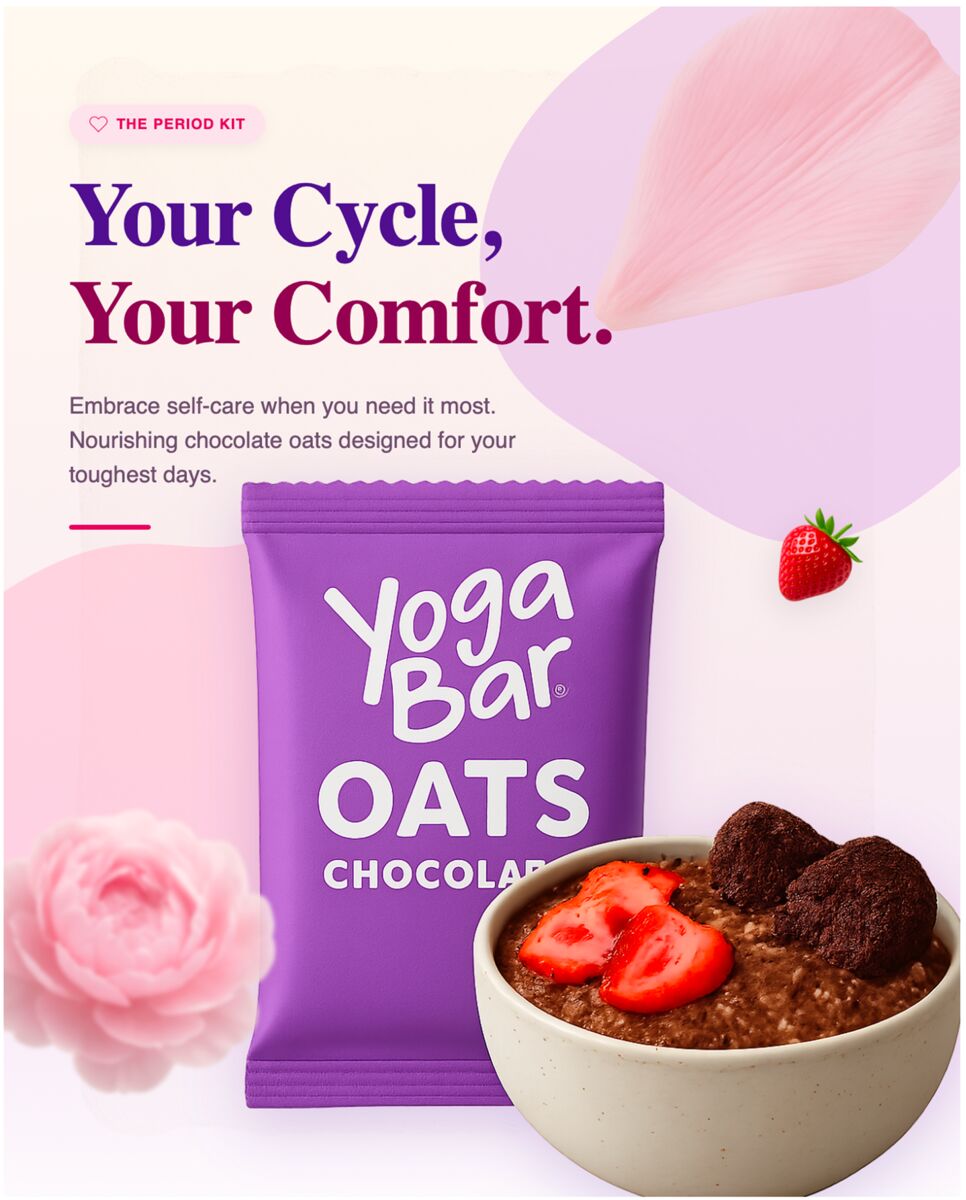




Ready to create your first design?
Join thousands creating professional designs in seconds.
Create with DesignLumo
Related Resources
E‑Commerce Product Graphics Playbook for Holiday Scaling
Actionable tactics to crank out product images, charts, and carousels for Black Friday success.
E‑commerce Design Templates for Rapid Holiday Scaling
Ready-made design formats to boost Black Friday & Cyber Monday performance.
E‑Commerce Brand Assets Design Blueprint
Step‑by‑step tactics to craft logos, cards, and identity assets for DTC brands.
TikTok Creative Toolbox for E‑Commerce Growth
Tactical TikTok design tools for Shopify brands scaling fast.
Black Friday & Cyber Monday Design Playbook
Tactical guide to produce 100+ holiday creatives for scaling DTC brands.
Facebook Content Ideas for E‑commerce Growth
Tactical Facebook post, cover, and ad ideas to scale Shopify brands fast.