Shopify Design Toolkit for Branding Agencies
Branding agencies need to deliver Shopify visual assets fast without sacrificing brand fidelity. This guide maps the exact tools and workflows that let you scale banners, collection headers, product images, and pop‑ups while staying on brand. Each re…


1. AI‑Powered Visual Generation
DesignLumo AI Layered Design Generator
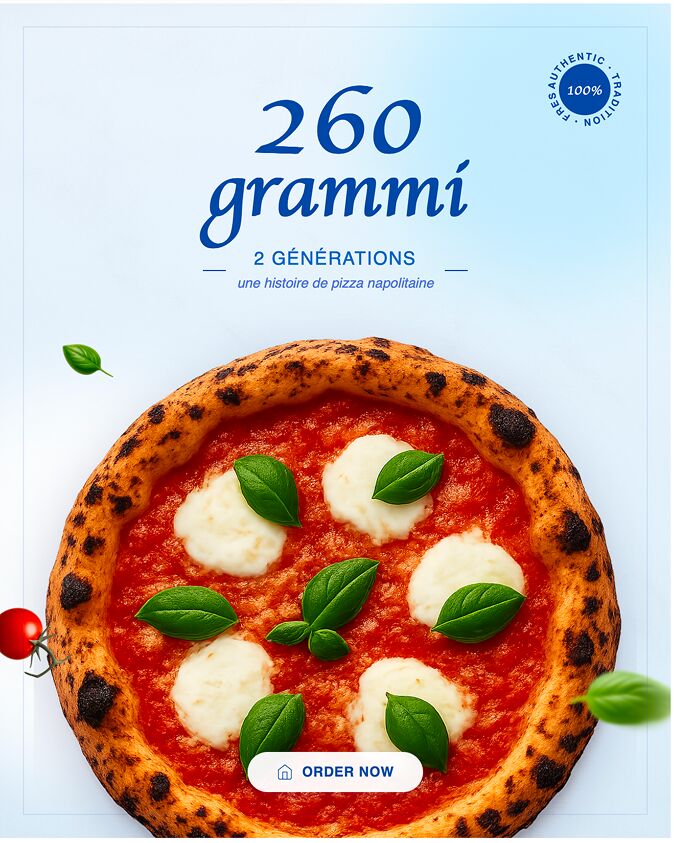
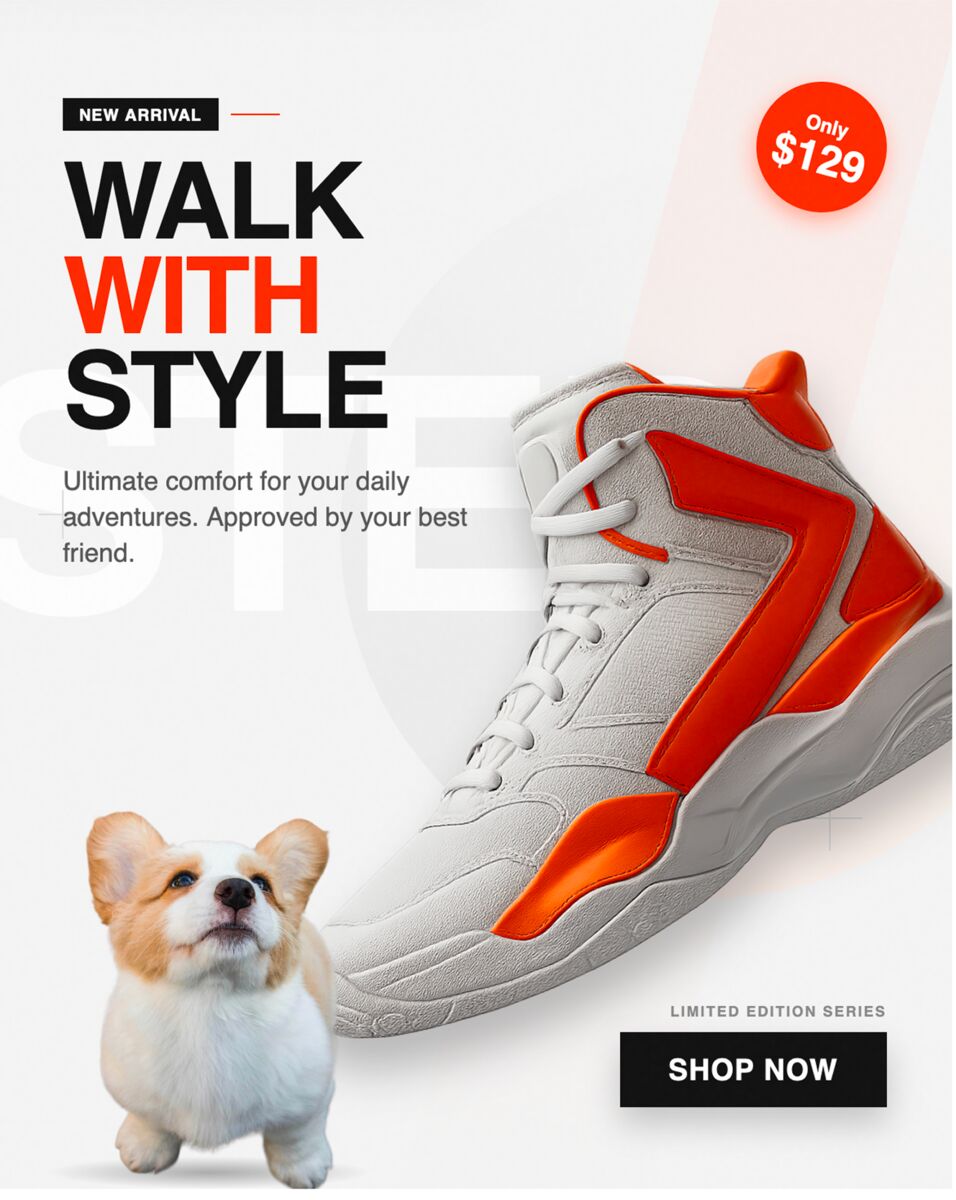
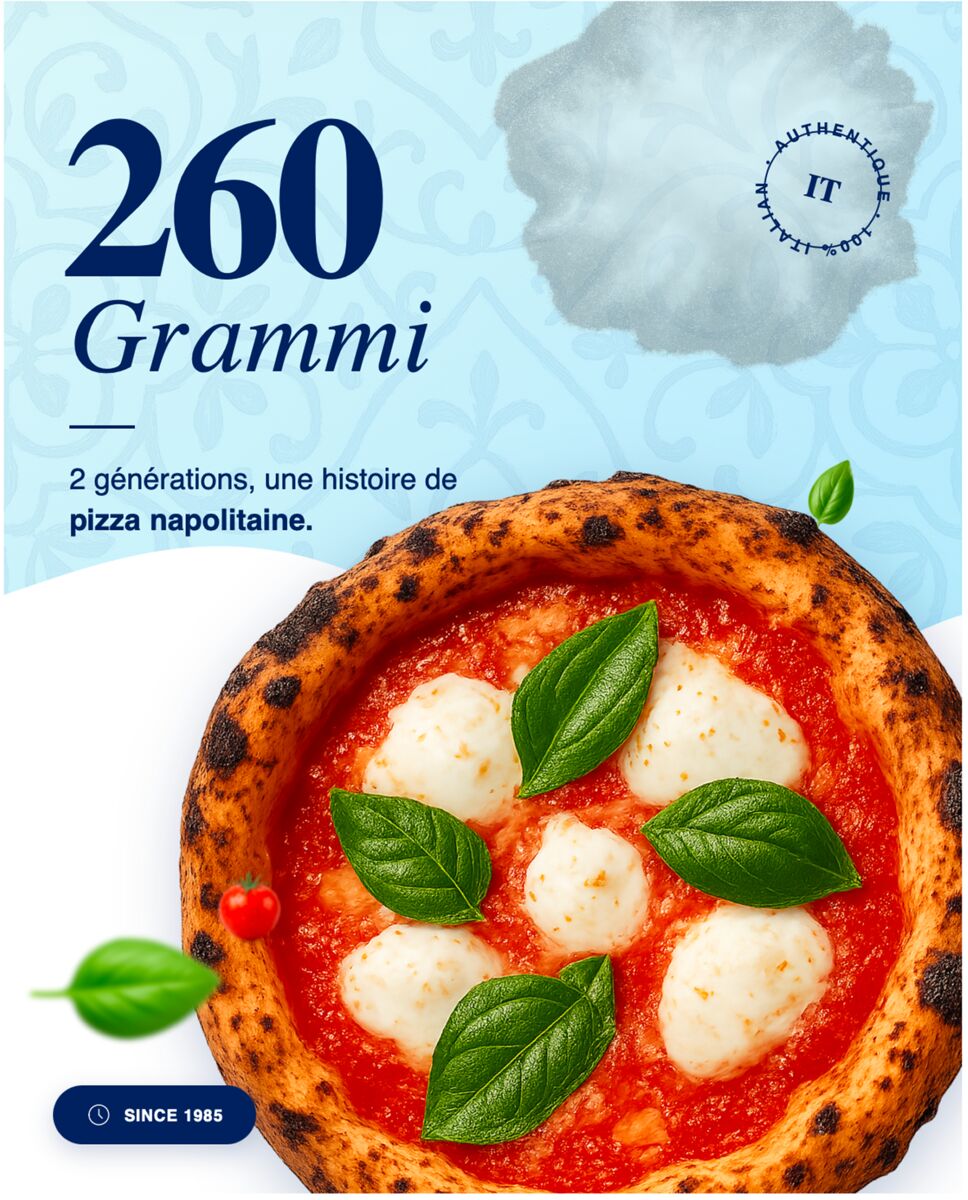
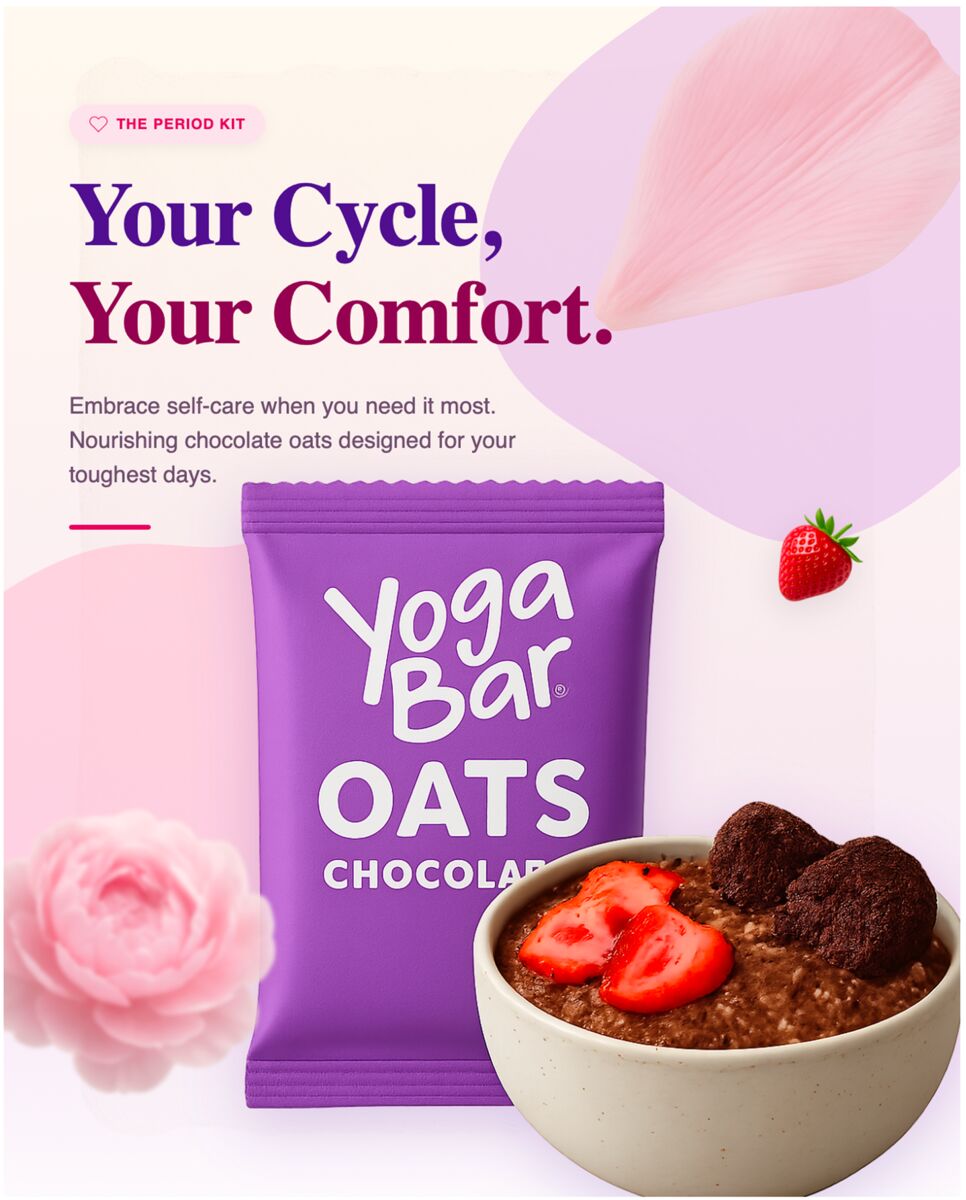
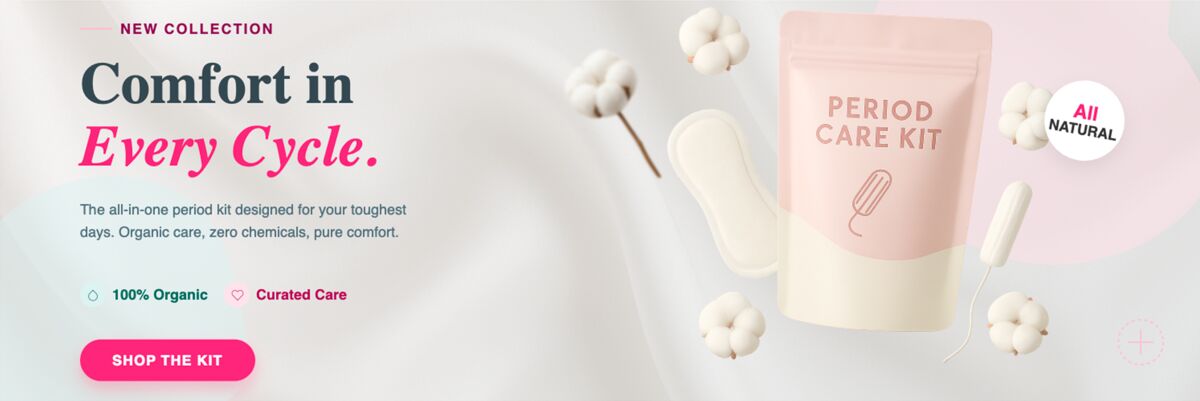
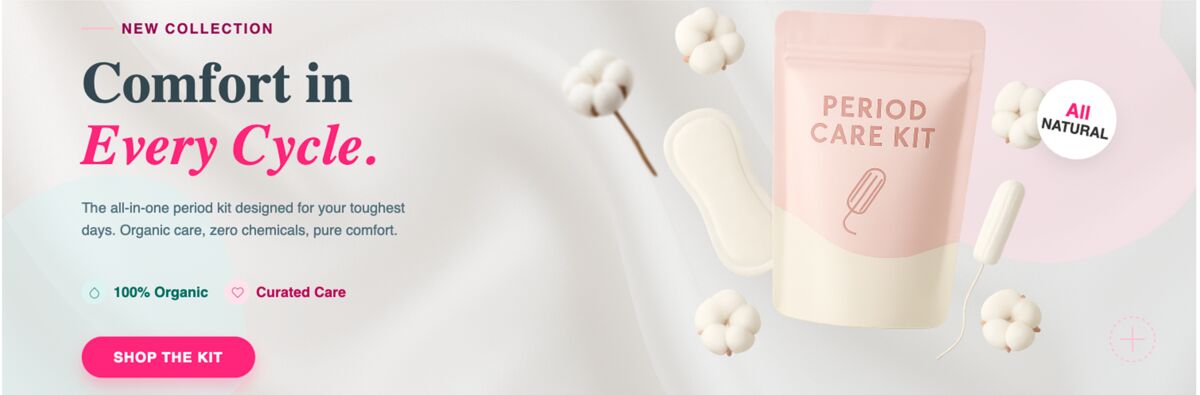
Open DesignLumo, upload your brand kit, and type a prompt like “modern summer collection header, teal accent, bold sans‑serif”. In under 15 seconds the platform returns a fully layered PSD with editable text, shapes, and images. Download the PSD, make micro‑adjustments in Photoshop if needed, then export a WebP for Shopify. This replaces a typical 4‑hour manual design cycle with a 15‑minute sprint, boosting output by 80% and guaranteeing brand‑consistent layers for every store.
Midjourney + Photoshop Editable Pipeline
Generate concept art in Midjourney using a prompt such as “vintage coffee shop banner, pastel palette”. Export the 1024×1024 image, open in Photoshop, run Select Subject, then Layer via Copy to isolate key elements. Apply Smart Objects to preserve resolution, add brand fonts, and save as a layered PSD. Although the initial concept takes 30 seconds, the Photoshop cleanup averages 1–2 hours, making this ideal for high‑impact hero images where artistic nuance matters.
Canva Pro Rapid Template Engine
Create a master banner template in Canva Pro, lock your brand colors, fonts, and logo placement. Use the ‘Copy page’ feature to spin out variations for seasonal drops, then export each as PNG with 2× resolution for Retina displays. The workflow takes roughly 10 minutes per variation, cutting the time compared to bespoke Photoshop files by 70%. While not fully layered, Canva’s brand kit ensures visual consistency across all Shopify assets.
2. Collaborative Design Systems
Figma + Shopify UI Kit
Add the free Shopify UI Kit from the Figma Community to your workspace. Build collection headers using pre‑made components, swap in client‑specific typography, and apply brand color tokens. Publish a shared library so designers and copywriters can pull assets instantly. Export slices as PNG or SVG, then upload to Shopify’s theme assets. This system reduces hand‑off friction by 60% and provides a single source of truth for all visual elements.
Adobe XD & Zeplin Handoff
Design Shopify banners in Adobe XD, then click ‘Share’ to push the file to Zeplin. Zeplin automatically generates CSS snippets, SVG assets, and style guides that developers can copy into the Shopify theme’s liquid files. This eliminates manual spec sheets and cuts implementation time from 3 hours to under 45 minutes per asset. Track version history in Zeplin to keep client approvals organized.
Notion Brand Guidelines Hub
Create a Notion page titled ‘Shopify Brand Hub’. Embed brand palettes, font stacks, logo SVGs, and live DesignLumo prototypes via the /embed block. Add a table where designers log asset URLs, version numbers, and approval status. This centralized hub reduces duplicate asset requests by 40% and ensures every team member references the latest brand specifications when creating Shopify banners or pop‑ups.
3. Automated Asset Production
Zapier + DesignLumo API Bulk Banner Production
Create a Google Sheet with rows for each banner (prompt, size, campaign tag). In Zapier, set a trigger ‘New Spreadsheet Row’, then call DesignLumo’s REST API to generate the asset. Store the resulting PNG in a Dropbox folder, then fire a second Zap that uses Shopify’s Admin API to bulk‑upload the images to the theme’s assets folder. This pipeline creates 100 banners in <30 minutes, slashing manual labor by 90% and ensuring consistent naming conventions.
Make (Integromat) + Cloudinary Image Optimization

After DesignLumo outputs a PNG, a Make scenario picks up the file, uploads it to Cloudinary, and applies automatic WebP conversion plus responsive breakpoints (320, 640, 1280 px). The scenario then returns the CDN URL, which you paste into the Shopify theme’s JSON settings. This reduces page‑load time by ~0.3 seconds on mobile, improving Core Web Vitals and potentially boosting organic traffic.
Shopify Theme Kit + Gulp Live Asset Injection
Set up a local Gulp workflow that watches the ‘assets/’ folder. When a new DesignLumo PNG lands, Gulp runs imagemin for lossless compression, then invokes Theme Kit’s ‘theme upload’ command to push the file to the live store. BrowserSync proxies the Shopify preview URL, giving designers a hot‑reload view within seconds. This eliminates manual uploads, accelerates iteration cycles to under 2 minutes per banner, and keeps version control in Git.
4. Conversion‑Focused Pop‑up & Promo Tools
Privy + DesignLumo Custom Pop‑up Designs
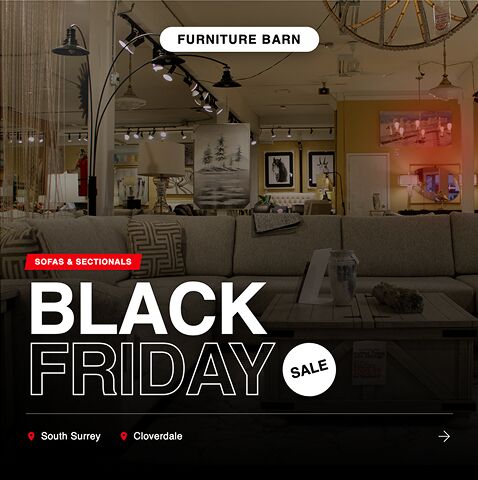
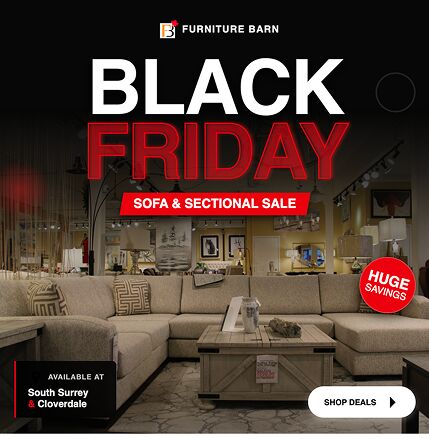
Generate a layered pop‑up mockup in DesignLumo with brand‑specific CTA button, background image, and copy hierarchy. Export the HTML/CSS fragments, then paste them into Privy’s ‘Custom HTML’ editor. Schedule the pop‑up for cart abandonment or flash‑sale triggers. In A/B tests, custom‑designed pop‑ups have delivered a 12% higher conversion lift versus Privy’s native templates, while design time drops from 2 hours to 15 minutes.
Klaviyo Email Templates Powered by DesignLumo
Use DesignLumo to create email header graphics and branded CTA button PNGs that match the Shopify storefront. Import these assets into Klaviyo’s drag‑and‑drop email builder, then apply dynamic product blocks for personalized recommendations. Agencies report a 5% uplift in open rates and a 70% reduction in design turnaround, because the AI‑generated assets are ready‑to‑use and fully brand‑aligned.
OptiMonk + Figma A/B Layout Testing
Design two pop‑up concepts in Figma, then push each through DesignLumo to obtain high‑resolution PNGs with brand‑consistent typography. Upload both versions to OptiMonk’s A/B testing module, set a 2‑week test window, and track click‑through rate (CTR) and revenue per visitor. Iterate quickly by tweaking the DesignLumo prompt (e.g., “increase contrast on CTA”) and re‑publishing within minutes, achieving up to a 20% CTR lift over static templates.
Before you go
- Standardize brand tokens (colors, fonts) in a JSON file and feed it to DesignLumo prompts for instant consistency across all Shopify assets.
- Leverage Shopify’s ‘theme.liquid’ settings to reference CDN URLs generated by Cloudinary, ensuring every banner loads from the fastest edge location.
- Schedule a weekly Zapier automation that pulls new product images, runs them through DesignLumo for promotional overlays, and auto‑publishes to the ‘Featured’ collection banner.



Ready to create your first design?
Join thousands creating professional designs in seconds.
Create with DesignLumo
Related Resources
Practical Branding Templates Agencies Can Use This Week
Actionable template systems with vetted links for strategy, production, QA, and handoff.
Print Materials Design Playbook for Agencies
Tactical guide to create flawless flyers, brochures, menus, and more at scale.
Infographic Mastery Guide for Branding Agencies
Tactical playbook for agencies to create brand‑consistent infographics fast.
Ultimate Social Media Post Blueprint for Brand Agencies
Actionable tactics to design, scale, and deliver social posts across platforms.
Valentine's Day Agency Design Playbook
Tactical guide for branding agencies to launch love-themed campaigns fast and at scale.
YouTube Content Ideas for Branding Agencies
Tactical YouTube concepts to help branding agencies scale visual assets.