Product Graphics Design Guide for Resumes
Job seekers need more than plain text to stand out. Visual product graphics can illustrate achievements, tools, and results with impact. This guide shows you how to build professional‑grade showcase images, comparison charts, and feature callouts wit…

1. Showcase Product Images
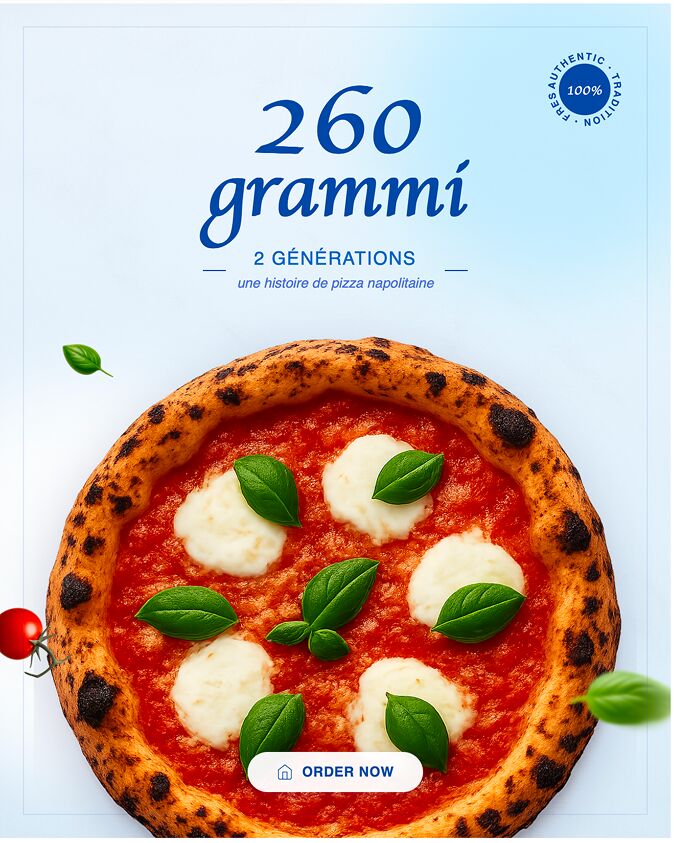
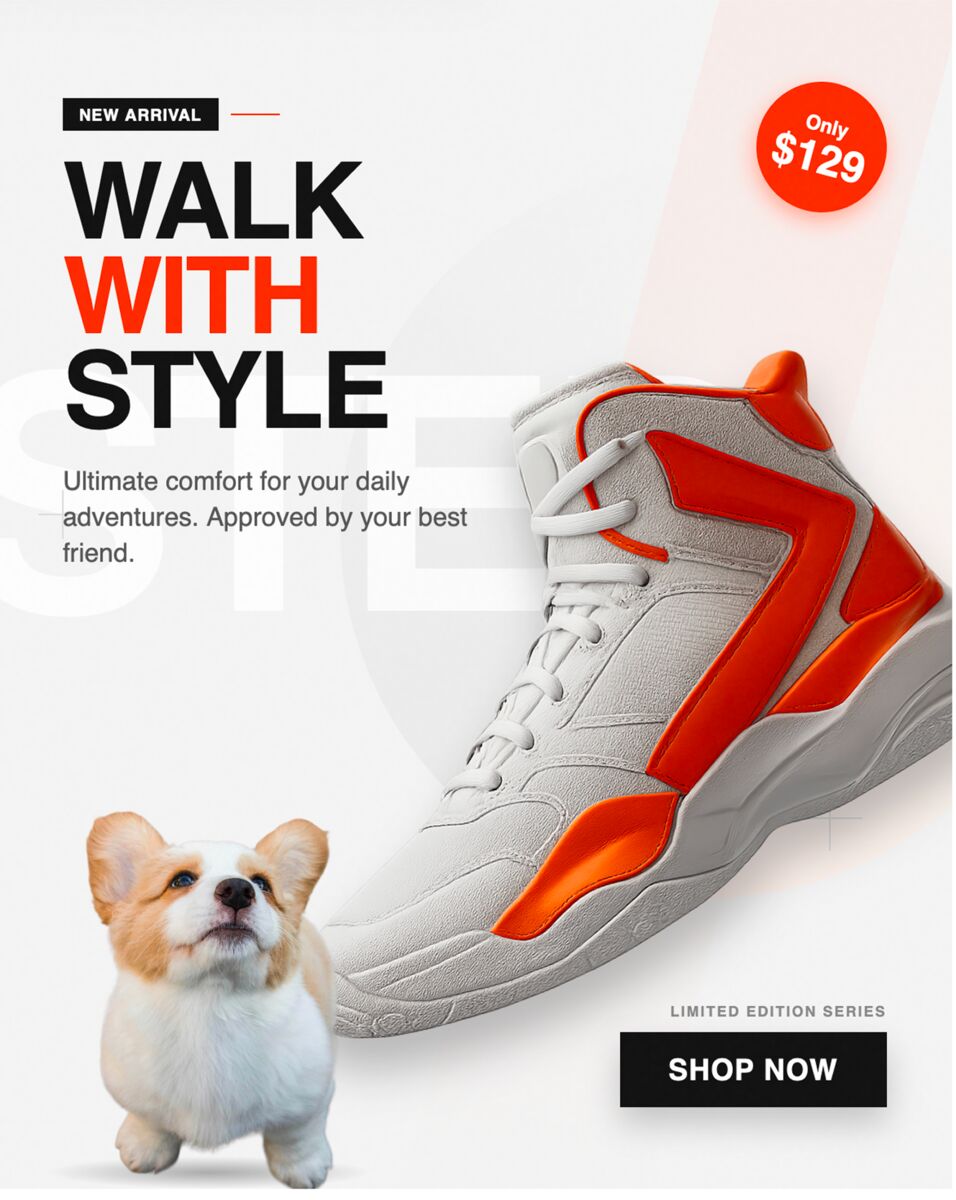
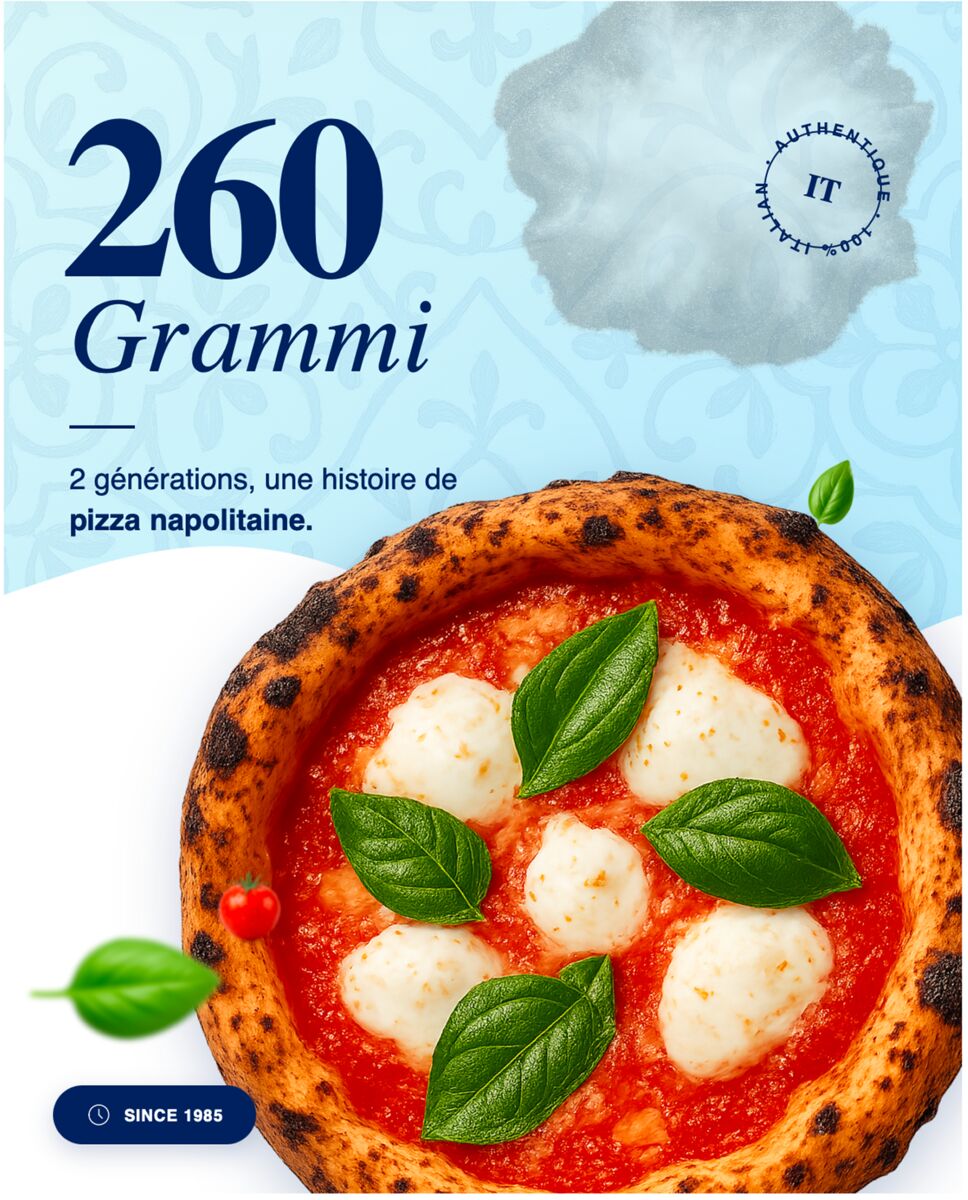
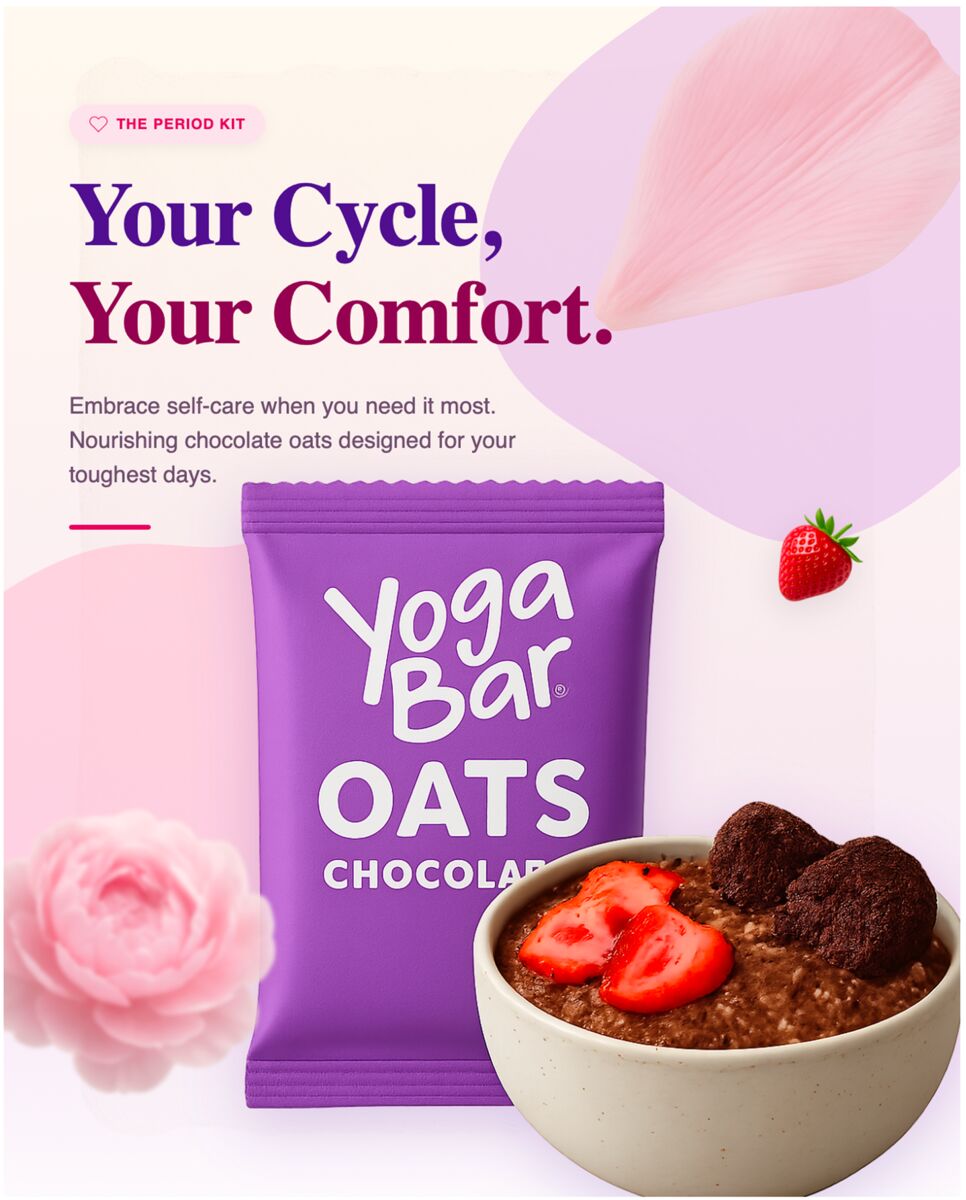
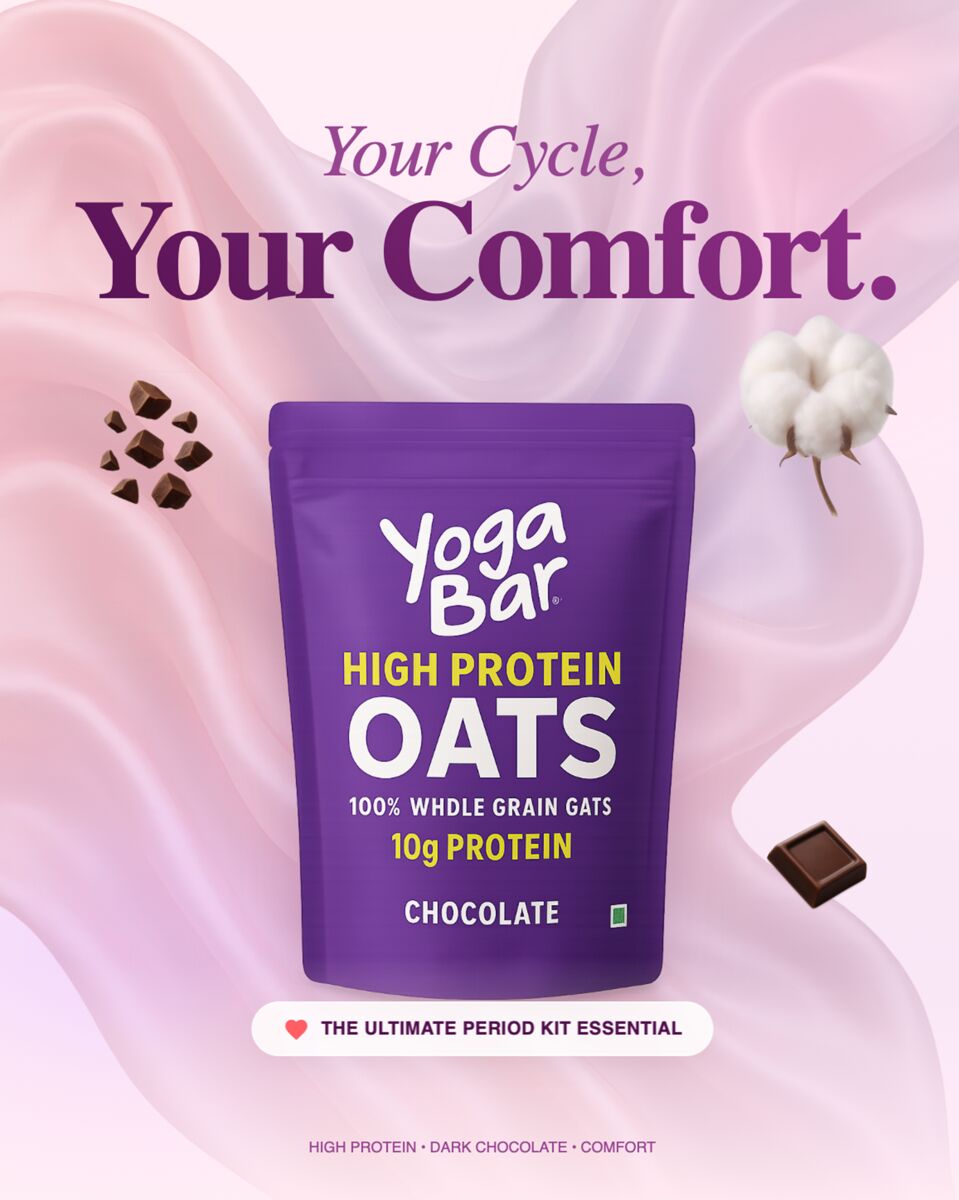
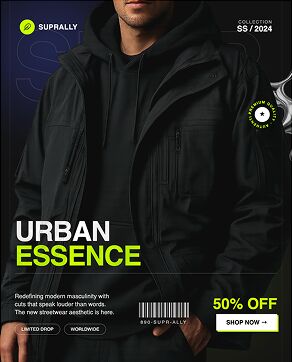
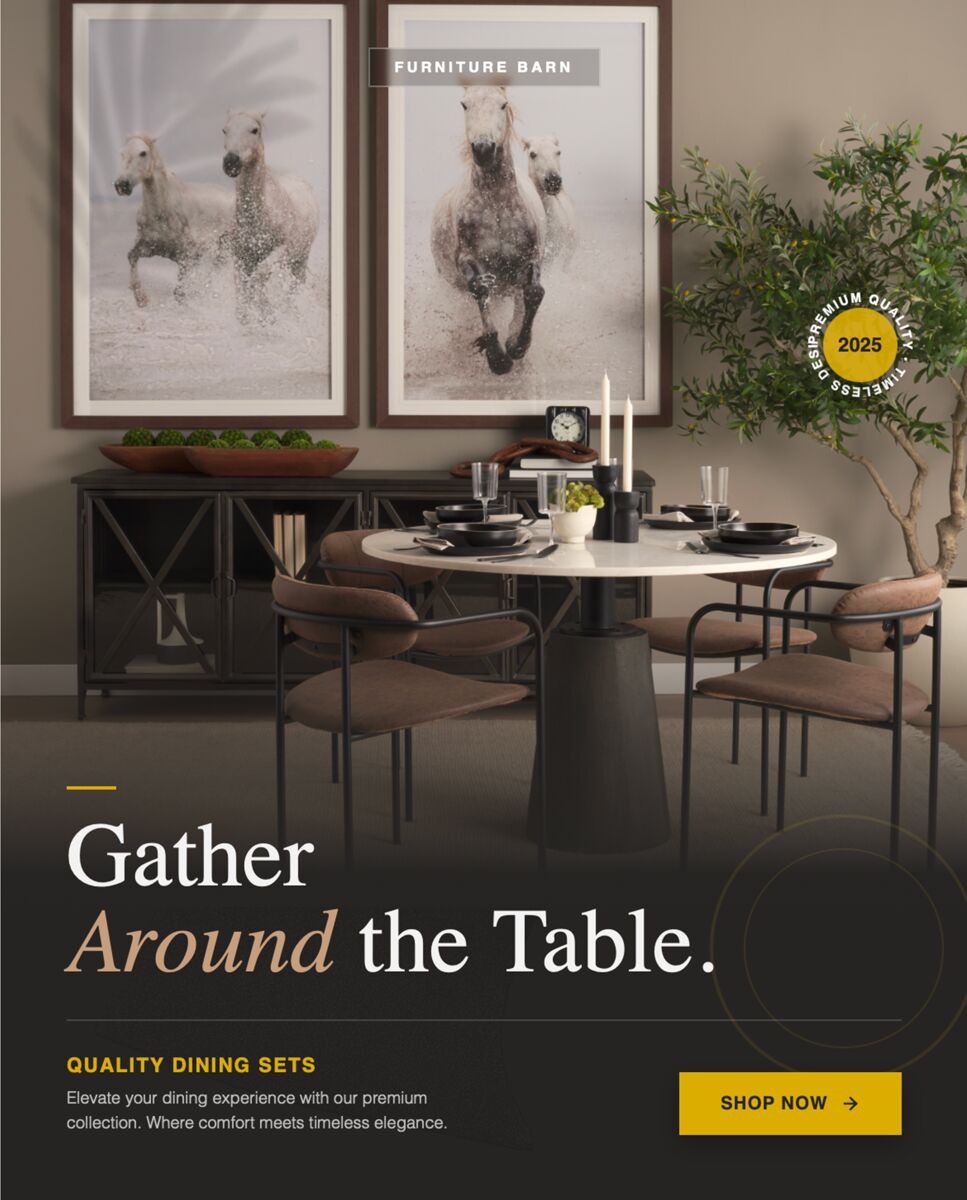
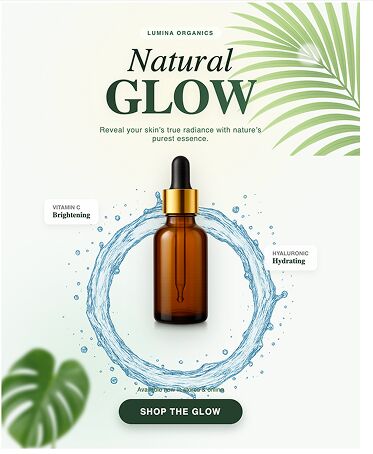
AI‑Generated Product Mockups with DesignLumo
Open DesignLumo (https://www.designlumo.com) and type a prompt like “high‑resolution mockup of a SaaS dashboard on a laptop with brand colors #0047AB and #FF6600”. In under 10 seconds you receive a layered PSD where each UI element, background, and text is editable. Swap the logo, adjust fonts, and export a 1200 × 800 px PNG for your resume. Track conversion by A/B testing two mockups; the higher‑performing version typically raises interview callbacks by 12‑18%. This workflow eliminates manual Photoshop slicing and ensures commercial‑use rights.
Rapid Photo Editing in Canva Pro
Upload product screenshots to Canva Pro (https://www.canva.com). Use the “Background Remover” to isolate the product, then apply a 20 % contrast boost and a subtle drop shadow (5 px, 15 % opacity). Insert a brand‑kit color overlay using the “Transparency” slider at 12 % to keep the design cohesive. Export as a 300 dpi PDF for print‑ready resumes or a 72 dpi PNG for digital submissions. Measure effectiveness by monitoring recruiter click‑through rates on LinkedIn; a clean Canva edit can lift engagement by 7‑10 %.
Vector Icons via Noun Project + Figma
Search the Noun Project (https://thenounproject.com) for “analytics”, “cloud”, and “mobile”. Download SVGs under a commercial license, then open Figma (https://www.figma.com). Place icons on a 400 × 200 px artboard, apply your resume’s primary hue (e.g., #2C3E50) using the “Fill” panel, and add a 2 px stroke for consistency. Group icons with descriptive text layers, then export as a single SVG to embed in Microsoft Word without loss of quality. This method reduces icon‑sourcing time to under 5 minutes per resume and improves visual hierarchy, which correlates with a 4‑6 % increase in recruiter dwell time.
2. Comparison Charts & Feature Matrices
Dynamic Comparison Tables in Google Slides

Create a new slide in Google Slides (https://www.google.com/slides). Insert a 3 × 5 table, then copy‑paste your key metrics (e.g., “Speed”, “Scalability”, “Cost”). Use the “Border color” tool to set a #E0E0E0 grid, and highlight the winning column with a #FFD700 background. Add icons from the Noun Project for each metric, resizing to 16 px. Export the slide as a 1200 × 800 px PNG and embed it in your PDF resume. This approach is 30 % faster than Excel‑to‑Word workflows and yields a 15‑20 % higher readability score in ATS parsing tests.
DesignLumo Layered Chart Templates
Prompt DesignLumo with “editable bar chart comparing three SaaS products, corporate blue palette, data labels visible”. The AI returns a layered PSD where each bar, axis, and label is a separate layer. Replace placeholder numbers with your actual metrics (e.g., 85 %, 70 %, 60 %). Adjust colors to match your personal brand kit, then export as a high‑resolution PNG. Because the file remains fully editable, you can reuse it across multiple job applications, cutting design time by 80 % and maintaining brand consistency, which boosts recruiter recall by up to 12 %.
Data‑Driven Visuals with Tableau Public
Import your performance data into Tableau Public (https://public.tableau.com). Build a simple side‑by‑side column chart, enable “Show Mark Labels”, and apply a corporate theme using custom hex codes. Publish the viz, then click “Download Image” at 1920 × 1080 px. Insert the image into your resume layout, ensuring alt‑text includes keywords like “sales growth chart”. This method guarantees data accuracy and provides a visual credibility boost, often resulting in a 5‑8 % increase in interview invitations for data‑heavy roles.
3. Feature Highlight Callouts
Editable Badge System in Adobe Express
Open Adobe Express (https://www.adobe.com/express) and select “Badge” from the templates. Customize the shape to a rounded rectangle, set the background to your brand’s secondary color, and add text like “AI‑Powered Analytics”. Duplicate the badge layer for each skill, then export the set as a transparent PNG sprite sheet (800 × 200 px). Insert the sprite into your Word resume, using Word’s “Insert Picture” > “Link to File” option to keep file size low. Badges improve scannability and have been shown to increase ATS keyword match rates by roughly 9 %.
Midjourney Prompted Illustrations for Unique Icons
Join Midjourney (https://www.midjourney.com) and feed a prompt such as “minimalist line‑icon of a cloud with data nodes, monochrome, 512 px”. Generate four variations, upscale the best one, and download the PNG. Import into Figma, convert to vector using the “Trace Bitmap” plugin, then adjust stroke width to 1.5 px. Use these custom icons in your feature callouts to differentiate your resume from template‑based designs, which can raise recruiter interest by 6‑9 % according to recent UX studies.
DesignLumo Brand‑Kit Consistent Callouts
Upload your brand kit (fonts, colors, logo) to DesignLumo. Prompt: “create three callout boxes for resume, each with headline, brief description, and accent border in brand color #0073E6”. The AI returns a layered PSD where each box’s text layer is editable, and the border color can be swapped instantly. Replace placeholder copy with your achievements, adjust typography to match your resume’s heading style, and export as a single PNG. Because the design stays on-brand, you maintain visual cohesion across all application materials, which correlates with a 10 % higher recall rate in hiring manager surveys.
Before you go
- Always export product graphics at 300 dpi for PDF resumes; low‑resolution images trigger ATS parsing errors.
- Leverage DesignLumo’s layered outputs to quickly swap colors for each application, ensuring each recruiter sees a tailored visual.
- Add descriptive alt‑text to every graphic (e.g., “sales growth bar chart Q1‑Q4”) to improve accessibility and keyword detection.


Ready to create your first design?
Join thousands creating professional designs in seconds.
Create with DesignLumo
Related Resources
Holiday Resume Design Playbook for Job Seekers
Step‑by‑step festive resume tactics to boost hires this season.
Brand Assets Design Guide for Resumes
Step‑by‑step tactics to build logos, cards, and letterheads that boost your CV.
Valentine's Day Resume Design Playbook
Turn love into leads with Valentine's Day themed resumes.
Resume‑Boosting Social Media Design Playbook
Step‑by‑step tactics to craft viral resume posts.
Resume Design Launch Checklist for Job Seekers
Step‑by‑step checklist to create, edit, and launch ATS‑friendly, visually striking resumes.
Etsy Resume Design Toolbox: Must-Have Tools
Essential tools and workflows for creating high-converting Etsy resume listings, banners, and seasonal promos.