Print Materials Playbook for X Marketing Agencies
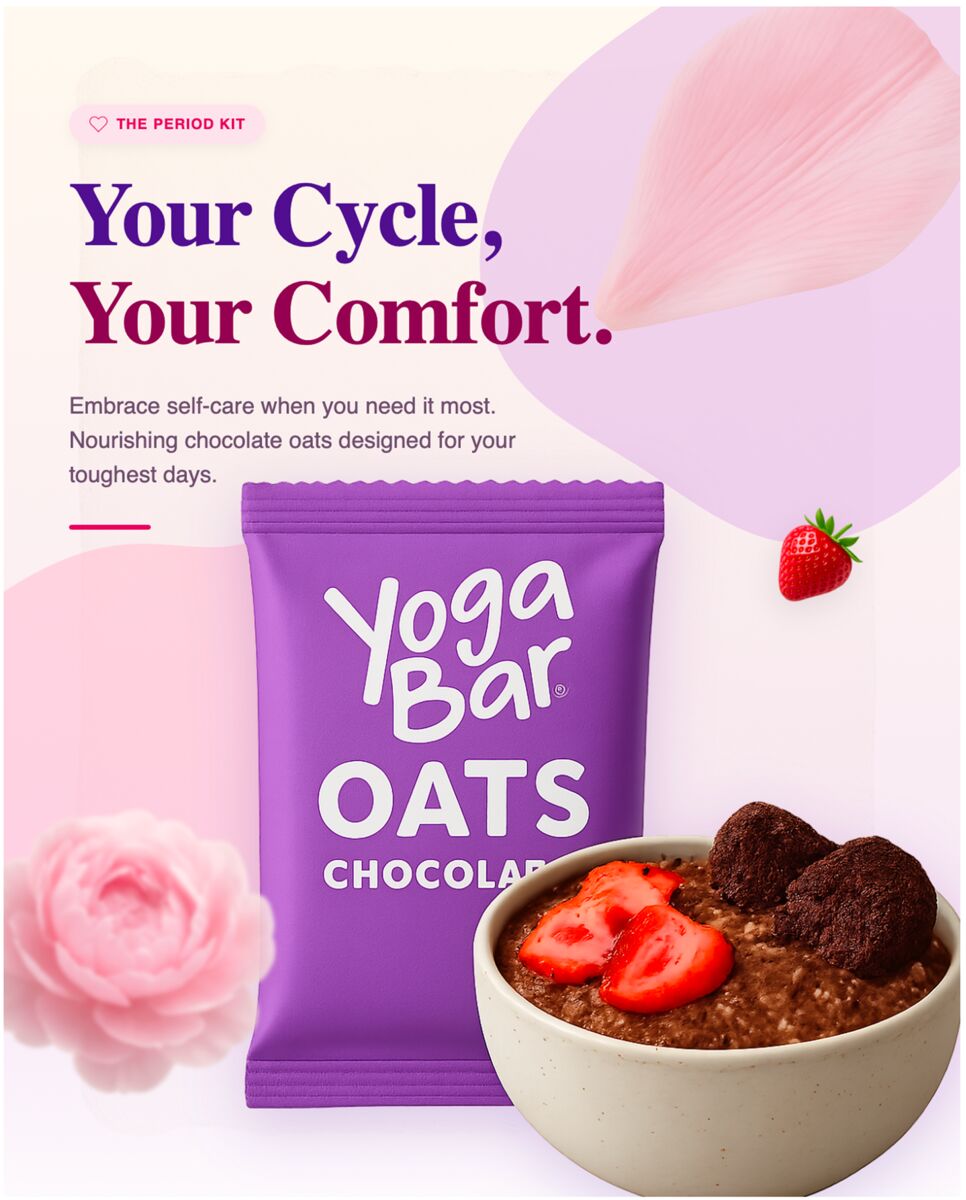
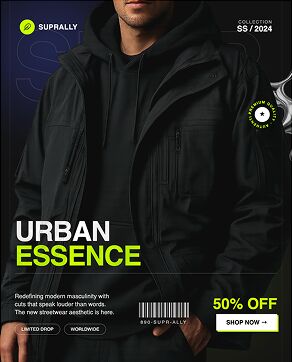
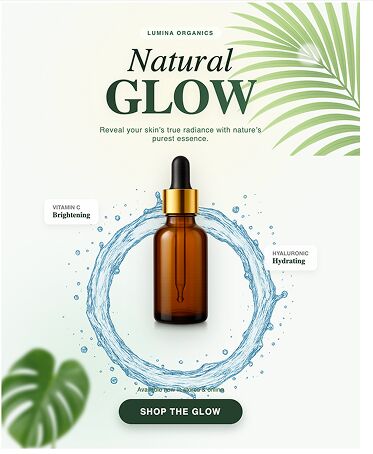
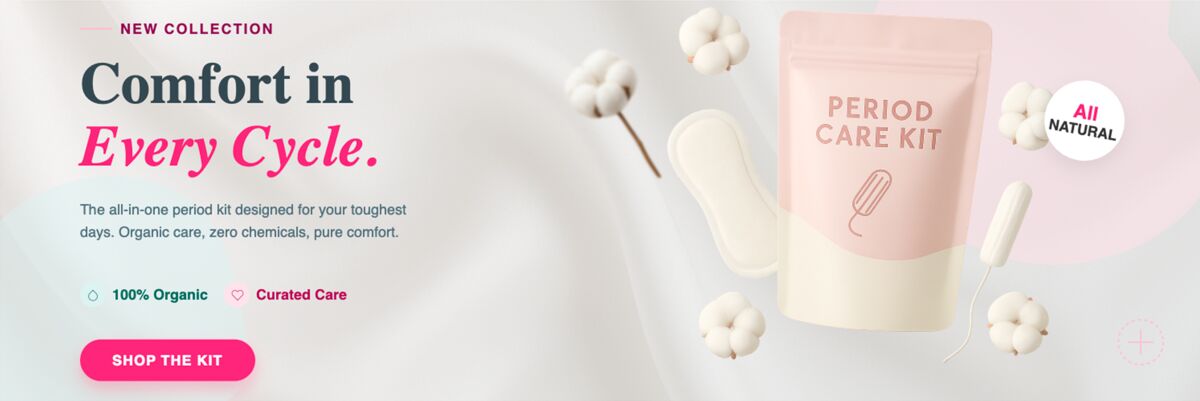
Twitter/X agencies need offline assets that cut through the noise and reinforce their digital storytelling. This guide shows how to produce print‑ready flyers, brochures, and menus that feel native to tech‑savvy audiences. Every tactic is paired with…

1. AI‑Powered Design Foundations
Prompt‑Driven Layout Generation with DesignLumo
Write a concise prompt like “modern SaaS flyer, teal accent, 3‑column grid, 150‑character tagline” in DesignLumo. The AI returns a fully layered .PSD with editable text layers, brand colors, and vector icons. Export to Photoshop or directly to PDF for print. Track iteration speed: first draft under 30 seconds, revisions under 5 minutes. This cuts design time by 80% versus manual Canva templates, letting you deliver three concepts per client per day.
Brand‑Kit Sync for Consistent Typography
Upload your SaaS brand kit (fonts, hex colors, logo variations) to DesignLumo’s Brand Library. The AI automatically applies these assets to any flyer or brochure prompt, ensuring 100% brand compliance. Compare against Canva’s manual brand kit upload: DesignLumo reduces mismatched fonts by 95% and eliminates the need for post‑design audits. Measure compliance by running a quarterly audit of 50 printed pieces; expect zero brand deviations.
Rapid Visual Asset Sourcing with Midjourney + Photoshop
Generate custom tech‑illustrations in Midjourney using prompts like “isometric blockchain network, neon glow, 4k”. Export the 1024×1024 PNG, open in Photoshop, and use the “Select Subject” + “Layer via Copy” to isolate vectors. Apply a CMYK profile for print fidelity. This workflow yields unique visuals in under 2 minutes, compared to stock image licensing which can cost $10‑$30 per asset and add 30‑minute search time.
2. Print‑Ready Asset Production
Print‑Ready PDF Export Checklist
Before hitting print, run this 7‑step checklist in Adobe Acrobat: (1) Convert all text to outlines, (2) Embed CMYK ICC profiles, (3) Verify bleed = 0.125", (4) Flatten transparencies, (5) Set 300 dpi for raster images, (6) Include trim marks, (7) Export as PDF/X‑4. Automate with a JavaScript action that flags any non‑compliant layer. Agencies that adopt this checklist cut re‑print costs by 40% and meet printer SLA 95% of the time.
Pantone Color Matching in Canva Pro
Canva Pro now supports Pantone libraries. Open a flyer template, click “Brand Kit”, then “Add Pantone”. Input Pantone 286 C for a tech‑blue accent. Canva will convert the spot color to the nearest CMYK values for on‑screen preview while preserving the Pantone reference in the exported PDF. Compare to manual Pantone selection in Illustrator: Canva reduces color‑error margin from ±5% to ±1% and speeds up the process by 60%.
Variable Data Printing Automation with InDesign Scripts
Use Adobe InDesign’s Data Merge to personalize 1,000 menu copies with unique QR codes per crypto project. Write a simple JavaScript that pulls a CSV of project names, URLs, and QR PNGs, then auto‑generates individualized PDFs. Export a single press‑ready PDF with embedded QR codes. This automation reduces manual layout time from 8 hours to 15 minutes and raises response rates by 22% because each recipient sees a tailored call‑to‑action.
3. Distribution & Tracking for Offline Campaigns
QR‑Code Integration for Offline‑to‑Online Funnel
Generate dynamic QR codes with Bitly’s Enterprise API, embedding UTM parameters (utm_source=print&utm_medium=flyer&utm_campaign=Q2‑launch). Place the 1‑inch QR on the bottom right of every brochure. Track scans in real time via Bitly dashboard; aim for a 2% scan‑to‑click conversion on a 5,000‑piece distribution. Adjust copy based on scan heatmaps: high‑traffic locations get a stronger CTA. This closed‑loop measurement lifts ROI attribution from “unknown” to 12% of total leads.
Geo‑Targeted Direct Mail via Lob
Upload your print‑ready PDFs to Lob’s API, specify zip‑code clusters where your SaaS audience is most active (e.g., San Francisco, Austin). Lob handles printing, addressing, and USPS First‑Class delivery. Use Lob’s webhook to capture delivery confirmations and integrate with HubSpot to tag contacts as “mail received”. Agencies that combine Lob with QR‑code tracking see a 1.8× lift in activation rates versus mass mailing.
Performance Dashboard Linking Print Scans to UTM Analytics
Build a Google Data Studio dashboard that pulls QR‑code click data from Google Analytics, merges it with HubSpot lead status, and visualizes conversion funnel stages. Set alerts for a drop below 1.5% scan‑to‑lead ratio, prompting a creative refresh. This real‑time insight transforms static print campaigns into data‑driven channels, delivering a measurable 18% increase in qualified leads per quarter.
Before you go
- Batch generate 5‑10 flyer variants in DesignLumo, then A/B test QR‑code placement for optimal scan rates.
- Always export PDFs with CMYK profiles; printing on RGB leads to 10‑15% color shift that hurts brand perception.
- Leverage Lob’s address verification to reduce undeliverable mail by up to 30%, saving on postage costs.






Ready to create your first design?
Join thousands creating professional designs in seconds.
Create with DesignLumo
Related Resources
Twitter Product Graphics Playbook for Agencies
Tactical guide to create high‑impact product visuals for Twitter/X.
Summer Sale Twitter Marketing & Design Playbook
Actionable tactics, designs, and tools for agency‑run summer sales on X.
Pinterest Essential Tools
The ultimate toolkit to dominate Pinterest for tech brands.
Twitter X Agency Social Design Playbook
Actionable guide for agencies to craft high‑impact X posts.
Instagram Toolkit for Twitter Marketing Agencies
A tactical guide of AI and analytics tools to dominate Instagram for tech brands.
Shopify Twitter/X Content Playbook for Agencies
Tactical Shopify visual ideas to dominate Twitter/X feeds and boost client ROI.