Print Materials Design Guide for Agencies
Agencies need print collateral that looks as polished as digital assets, but traditional design cycles kill velocity. This guide shows how to embed AI and automation to crank out print‑ready flyers, brochures, and menus at scale. Every step includes…

1. Rapid Ideation & Concept Generation
AI Prompt‑Driven Layout Drafts (DesignLumo)
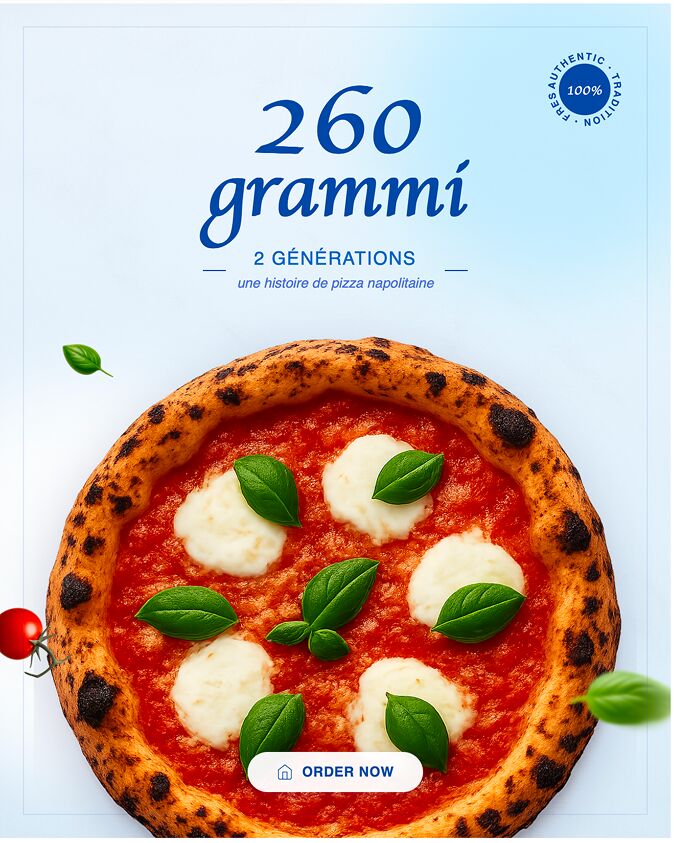
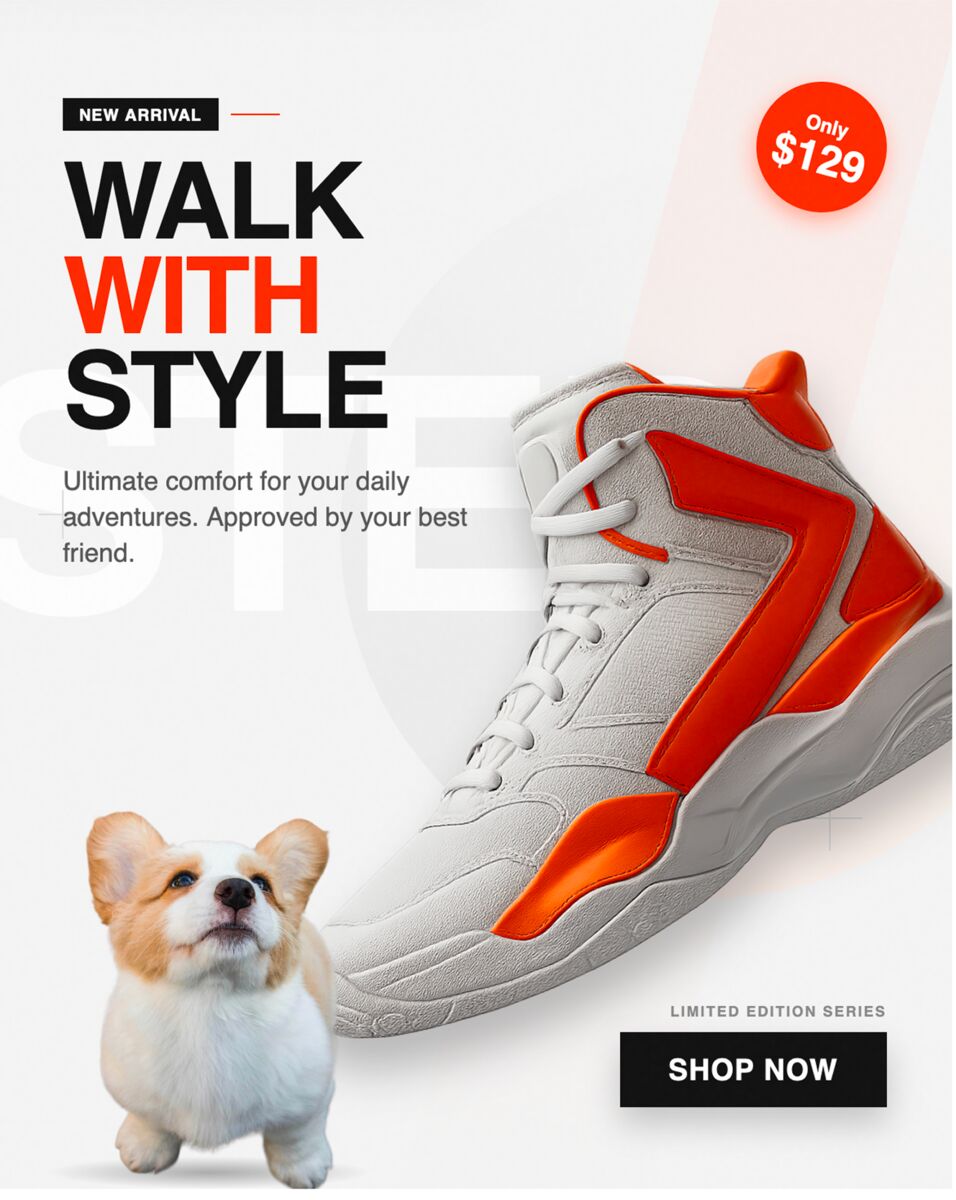
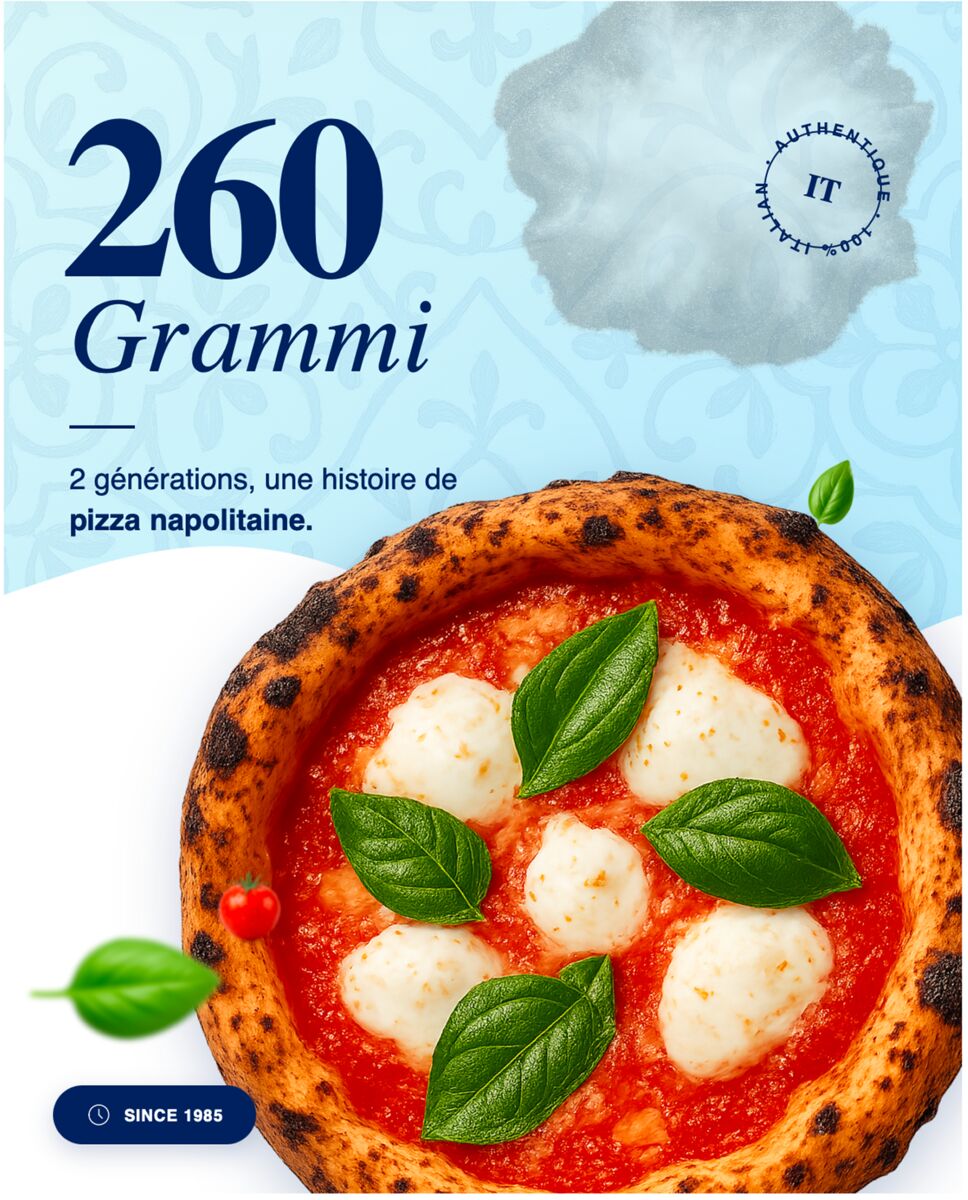
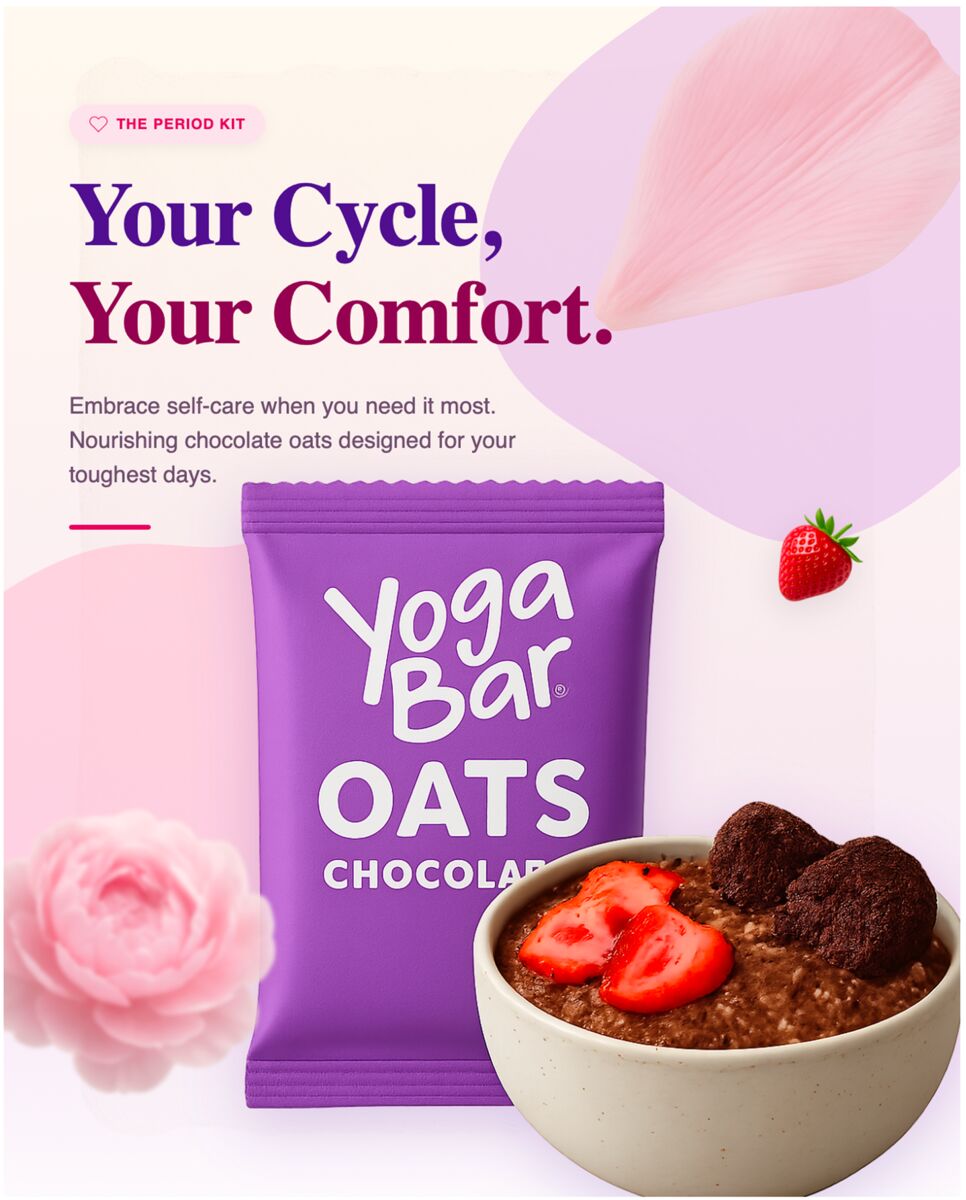
Enter a plain‑English brief into DesignLumo—e.g., “single‑page flyer for a B2B SaaS webinar, teal accent, bold headline, space for QR code”—and receive a fully layered, editable Adobe InDesign‑compatible file in under 30 seconds. Export the .indd or .pdf, then replace copy, swap images, and adjust brand colors instantly. Track time saved by comparing the 5‑minute AI draft to a typical 45‑minute manual mockup; agencies report a 70% reduction in concept time and a 2× increase in client approval speed.
Midjourney Visual Mood Boards
Generate 5‑10 high‑resolution concept images in Midjourney using prompts like “modern tech brochure cover, cyan gradient, minimalist icons”. Save the images to a shared Google Drive folder, then import them into Canva or DesignLumo as reference layers. This visual library reduces the back‑and‑forth with clients by 40% because they can choose a direction before any text is added. Measure success by logging the number of revision cycles per project before and after implementation.
Canva Template Remix for Print
Start with Canva’s print‑ready brochure templates, duplicate the file, then replace placeholder layers with DesignLumo‑generated assets. Because Canva exports to PDF/X‑1a with bleed settings pre‑filled, you keep the file production‑ready while still benefiting from AI‑crafted visuals. Use Canva’s “Brand Kit” to auto‑apply client fonts and colors, cutting manual style tweaks by ~30%. Track the metric of “hours spent on style alignment” to quantify gains.
2. Production‑Ready Design & Brand Consistency
DesignLumo Brand Kit Sync for Print Assets
Upload a client’s brand kit (hex colors, typefaces, logo files) into DesignLumo’s Brand Library. Every AI‑generated flyer, menu, or brochure will automatically inherit these assets, ensuring 100% brand fidelity without manual recoloring. Export the final design as a layered PDF, then open in InDesign for any final tweaks. Agencies that adopt this sync see a 25% drop in brand‑approval revisions and can report compliance scores of 98% on brand audits.
Adobe InDesign Automation via Scripts
Write a simple JavaScript (ExtendScript) that pulls text from a Google Sheet, images from a Cloudinary folder, and populates a pre‑made InDesign template for a 12‑page brochure. Run the script batch‑wise to produce 50 personalized brochures in under 10 minutes. Measure success by the “pages per hour” metric—most agencies jump from 30 to 300 pages per hour, delivering faster turnaround for large‑scale campaigns.
Proofing Workflow with PDF‑X and CloudConvert
After finalizing the design, export a PDF/X‑4 file from DesignLumo or InDesign, then upload to CloudConvert to generate a low‑resolution preview for client review (max 2 MB). Use the built‑in annotation tools to collect inline feedback, reducing email threads by 60%. Track the average feedback loop time; agencies using this workflow cut it from 3 days to under 12 hours.
3. Print‑Optimized Export & Distribution
Automated PDF Export Settings (Bleed, CMYK) using DesignLumo
Configure DesignLumo’s export preset to include 0.125 in bleed, CMYK color profile (US Web Coated SWOP v2), and embed all fonts. Save the preset as “Print Ready”. Each time a flyer or menu is generated, the file meets printer specifications without manual adjustment. Monitor the “re‑export due to printer error” rate; agencies that adopt the preset see a drop from 15% to <2% re‑work.
Batch File Preparation with PDFTron
Use PDFTron’s command‑line tool to run a batch job that validates all PDFs for preflight errors, flattens transparencies, and adds printer marks. A typical command: `pdftron preflight --profile PDFX1a --bleed 0.125 input/*.pdf output/`. This step eliminates manual quality checks, saving ~2 hours per 100 assets. Track the “hours spent on preflight” KPI to quantify the efficiency gain.
Integration with Print‑On‑Demand APIs (Printful, Printify)
Connect your agency’s project management tool (e.g., Asana) to Printful’s API via Zapier: when a design is marked “Ready for Print”, Zapier sends the PDF, selects the product (flyer, brochure, menu), and auto‑generates an order. Set up webhook callbacks to notify the account manager of order status. This reduces manual order entry time by 90% and enables scaling to 1,000+ print jobs per month without additional staff.
Before you go
- Create a master DesignLumo prompt library for each client segment; reuse prompts to cut brainstorming time by 50%.
- Standardize a 3‑step QC checklist (color mode, bleed, font embedding) and embed it in a Zapier automation that flags any PDF missing a criterion.
- Leverage the same AI‑generated assets across digital and print channels—export a flyer design to a 1080×1080 PNG for social ads, then reuse the layered file for the printed version.


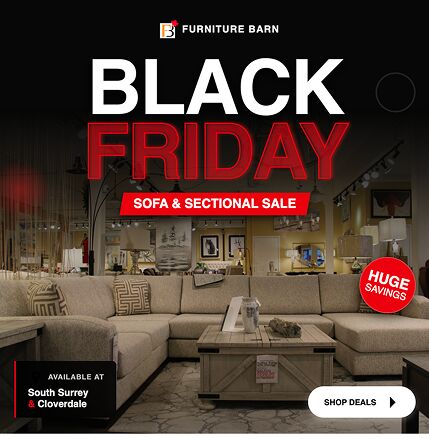
Ready to create your first design?
Join thousands creating professional designs in seconds.
Create with DesignLumo
Related Resources
Instagram Content Ideas for SEO Agencies
Actionable Instagram post, story, carousel, and reel ideas to boost agency reach.
Shopify Design Toolkit for Agency Success
Essential AI and design tools to accelerate Shopify banner and pop‑up production.
New Year Q1 Marketing & Design Playbook
Actionable Q1 planning guide for SEO agencies to boost traffic with AI‑powered design.
LinkedIn Essential Tools for Agencies
Powerful, AI‑driven tools to boost LinkedIn visual output for B2B agencies.
Etsy Graphic Ideas to Boost Agency Revenue
Actionable Etsy banner, listing, and seasonal graphic ideas for SEO agencies.
Shopify Visual Content Ideas for Agencies
Actionable Shopify design concepts to boost agency traffic and conversions.