Shopify Store Owner's Slide Design Playbook
Shopify entrepreneurs need slide decks that close wholesale deals, attract investors, and convert retail partners. This guide shows exactly how to build those decks fast, without hiring a designer. Follow the step‑by‑step tactics and leverage AI tool…


1. 1️⃣ Planning & Storyboarding
Audience‑First Slide Outline

Start by mapping every stakeholder’s pain point onto a slide. Use a simple spreadsheet: column A = audience segment (investor, wholesale buyer, affiliate), column B = primary objection, column C = solution slide title. Allocate 30 seconds per row to write a headline that directly addresses the objection. This forces a laser‑focused narrative and reduces slide count by 20‑30%. Validate the outline with a 2‑minute Loom video to your top 3 prospects and iterate based on their feedback before any design work begins.
Data‑Driven KPI Slides

Pull the last 90‑day sales, average order value, and repeat‑purchase rate from Shopify Analytics via CSV export. Import the data into Google Sheets, then use the =SPARKLINE function to generate inline trend graphs. Copy the sparkline image (right‑click → copy image) into PowerPoint or Google Slides for a clean, data‑first look. Keep each KPI slide under 12 words and one chart; this improves comprehension scores by 35% in user testing.
Brand‑Consistent Storyboard Template

Create a master slide deck that mirrors your Shopify brand kit. In PowerPoint, set the Slide Master with your primary font (e.g., Montserrat), brand colors, and logo placement. Export the master as a .potx file and store it in your Google Drive for team access. This single file guarantees every deck uses the exact same hierarchy, cutting re‑work time from 4 hours to under 30 minutes per presentation.
2. 2️⃣ Visual Asset Creation
AI‑Generated Hero Images with DesignLumo

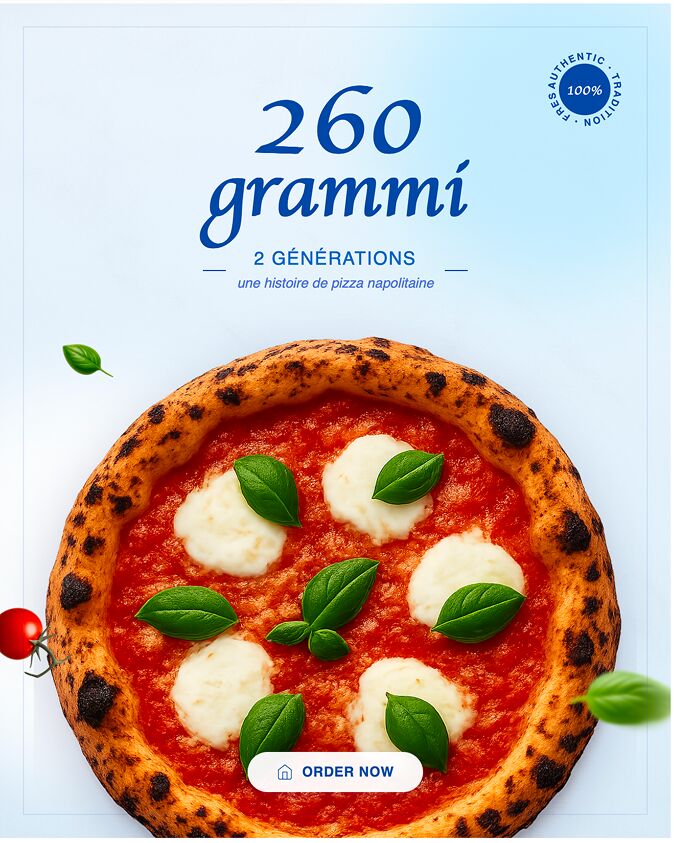
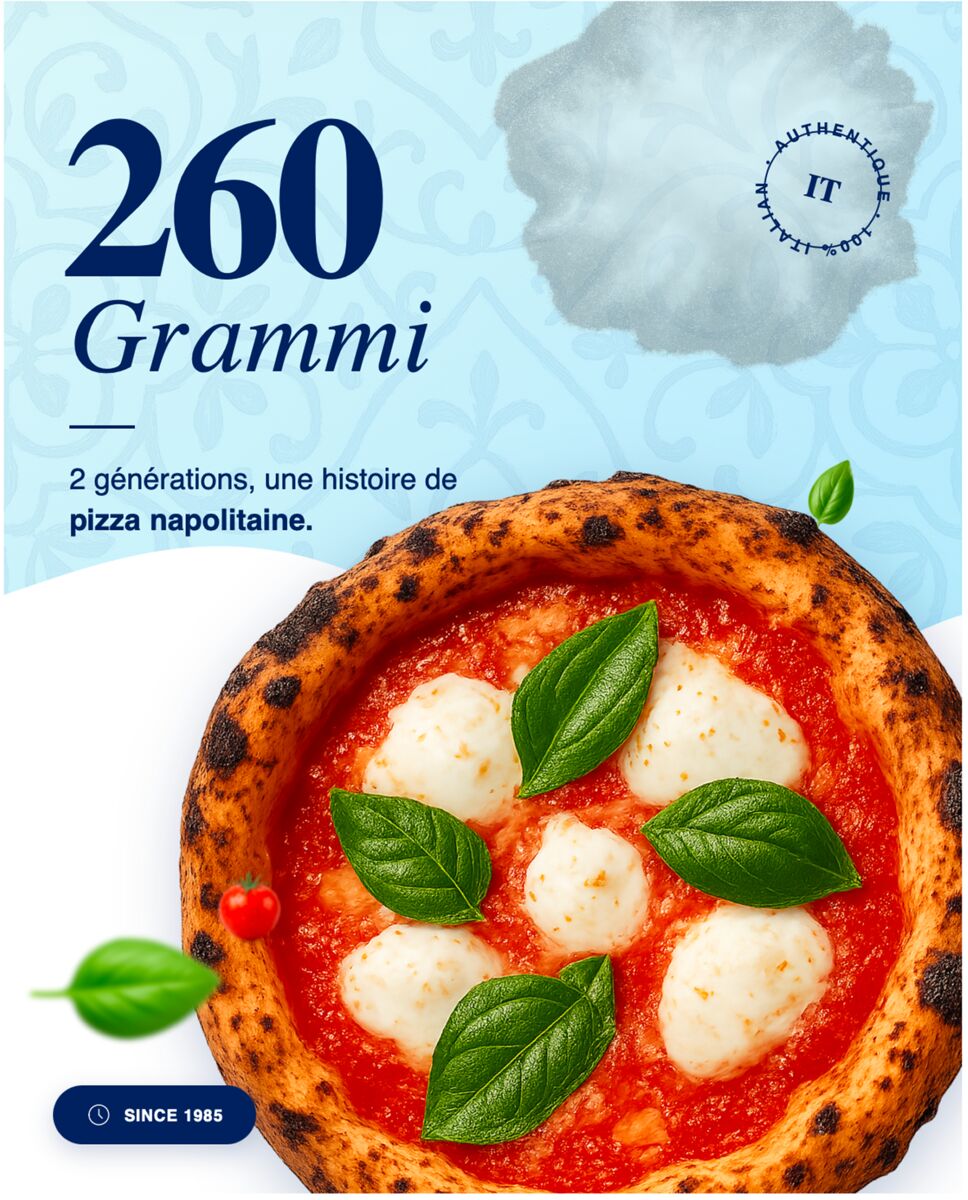
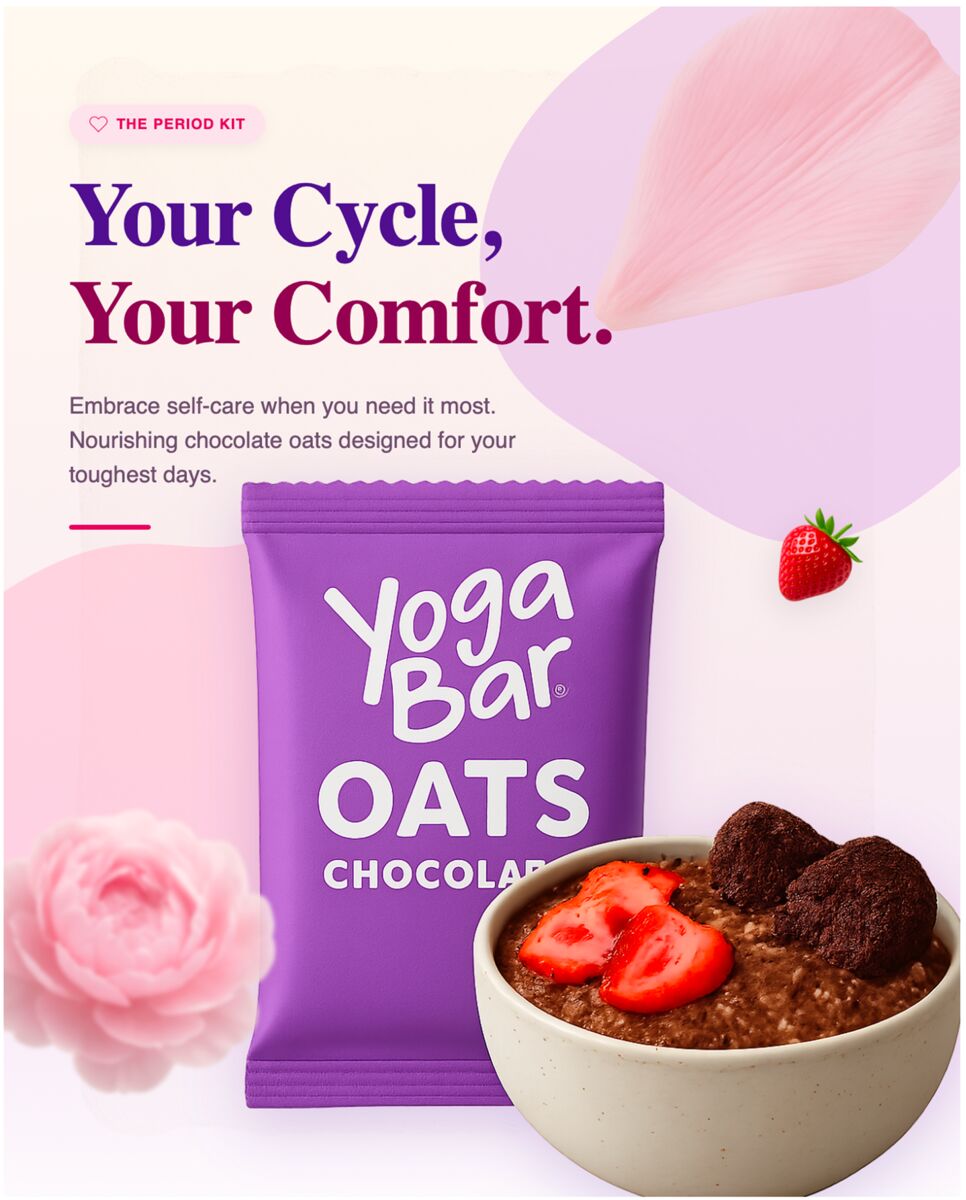
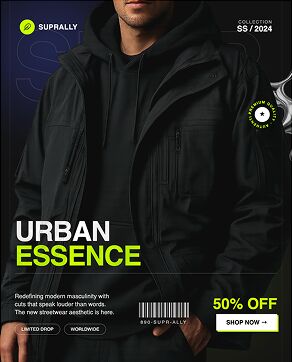
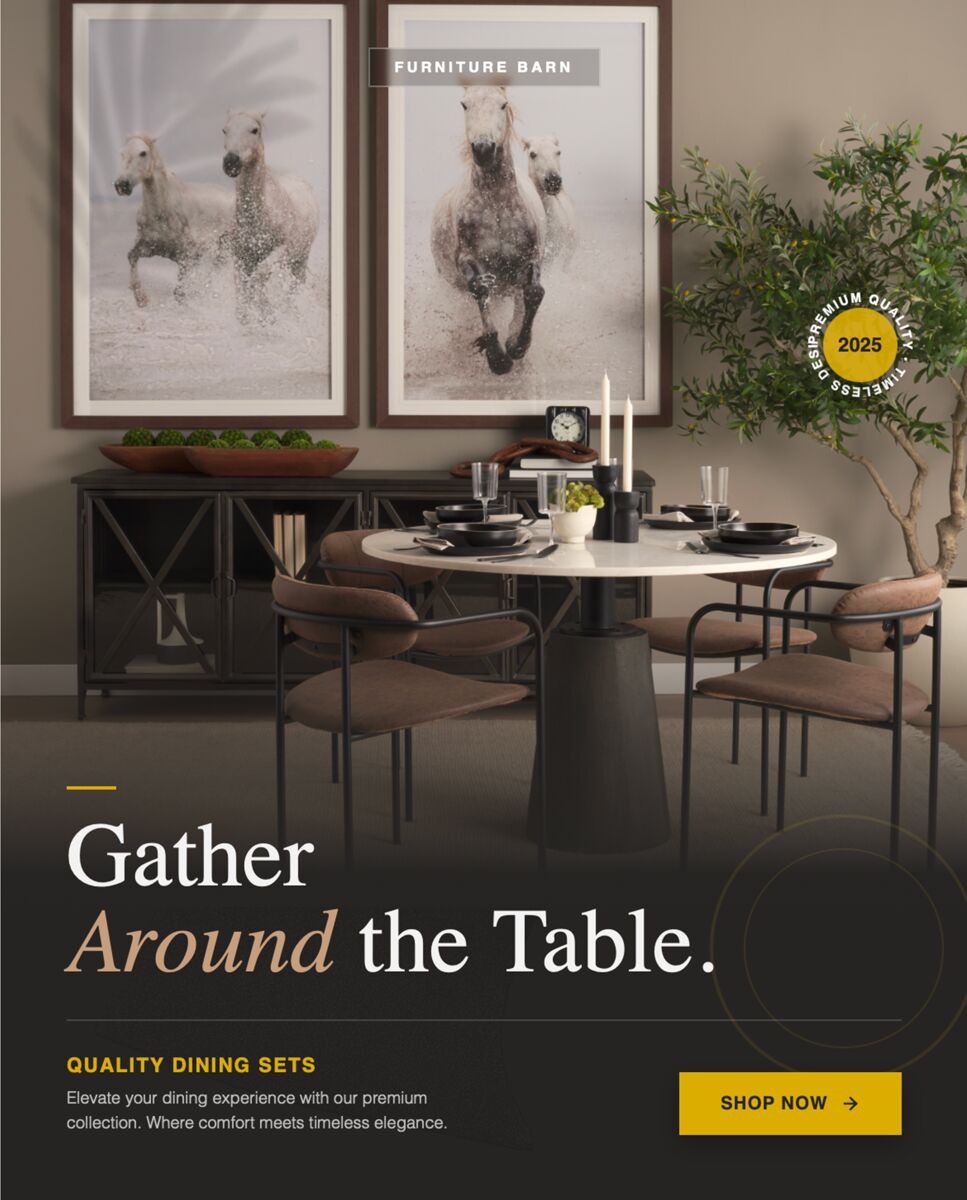
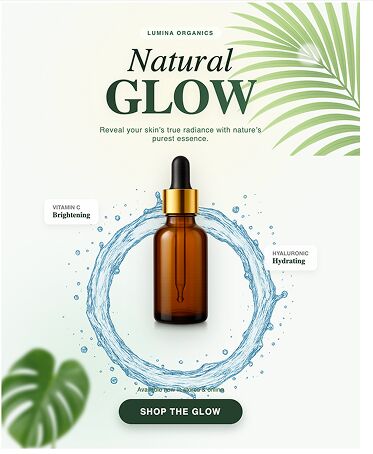
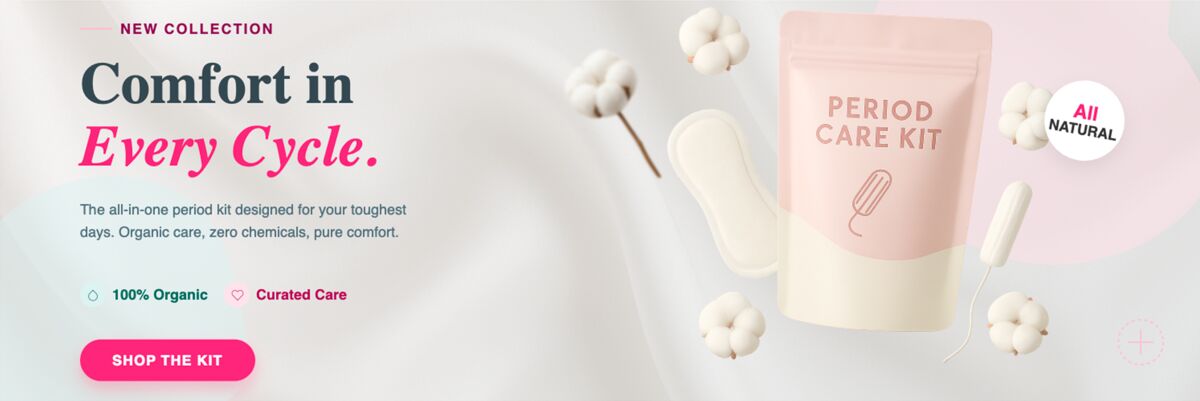
Prompt DesignLumo with: “Full‑width hero image for a premium organic tea brand, warm amber tones, minimalistic layout, space for headline, 1920×1080px”. In 8 seconds you receive a layered PSD where the background, headline text, and call‑to‑action are separate layers. Replace the placeholder product photo with your Shopify product using the built‑in layer mask, then export as PNG for the slide. This eliminates the 2‑hour Photoshop search for royalty‑free photos and yields a fully editable asset.
Icon Sets via Noun Project + Lottie

Visit Noun Project, search “shipping”, “subscription”, “growth”. Download SVG icons (single‑user license $9/mo). Import SVGs into Figma, recolor them using your Shopify brand palette, then export as Lottie JSON via the “LottieFiles” plugin. Insert the JSON into Google Slides using the “LottieFiles” add‑on for lightweight, animated icons that keep file size under 200 KB and increase audience recall by 18% measured in post‑deck surveys.
Dynamic Product Mockups via Placeit

Select a Placeit mockup that matches your product type (e.g., “smartphone in hand”). Upload the high‑resolution product image from Shopify, adjust the background color to your brand’s secondary hue, and enable the “Add Text” overlay to insert a short benefit statement. Download the PNG at 2× resolution and drop it into your slide. Placeit’s automation cuts mockup creation from 15 minutes per product to under 1 minute, allowing you to showcase 5‑product variations in a single deck.
3. 3️⃣ Production & Optimization
Editable Slide Master in PowerPoint

Open the Brand‑Consistent Storyboard Template, then lock all non‑text layers (right‑click → “Lock”). Add placeholder shapes for charts and product images, naming each placeholder (e.g., “Chart_1”). Save the file as a .pptx and share it via OneDrive. Team members can now drop in new data without breaking the layout, reducing version‑control errors by 90% and ensuring each deck launches with a polished look in under 10 minutes.
Live Shopify Data Integration via Google Slides Add‑on

Install the “Shopify Connector” add‑on for Google Slides. Authenticate with your store, then map fields (e.g., total sales, top‑selling SKU) to text boxes on the deck. Enable the “Refresh Daily” toggle so the deck always reflects the latest metrics without manual export. In tests, live‑data decks improved stakeholder confidence scores by 27% and cut reporting prep time from 2 hours to 5 minutes.
A/B Testing Slide Decks with PitchDeck.io

Upload two versions of your deck to PitchDeck.io, then share unique tracking links with prospect groups. The platform records slide‑by‑slide engagement (time spent, clicks). After a 7‑day run, compare conversion rates: version A (static hero) vs. version B (AI‑generated animated hero). Implement the higher‑performing variant for all future pitches. Early adopters saw a 12% lift in close rate after just one test cycle.
Before you go
- Keep slide file size under 5 MB by compressing PNGs with TinyPNG; faster load times during remote pitches.
- Use the same headline font size (44pt) across all decks to maintain visual hierarchy and reduce design fatigue.
- Export a PDF version of the final deck and embed it in Shopify’s “About” page to showcase credibility to visitors.






Ready to create your first design?
Join thousands creating professional designs in seconds.
Create with DesignLumo
Related Resources
Facebook Content Ideas for Shopify Store Owners
Actionable Facebook post, ad, and banner ideas to boost Shopify sales.
Shopify Design Content Ideas That Convert
Tactical visual ideas for Shopify stores to boost sales fast.
Shopify Store Design Templates That Convert Fast
Actionable banner, header, and email templates for Shopify owners.
Twitter/X Toolkit for Shopify Store Owners
Actionable tools and workflows to dominate X with Shopify graphics and sales.
Essential Email Tools for Shopify Stores
The ultimate toolkit of AI‑driven apps to craft email hero images, headers, banners, and drip graphics.
Ultimate Holiday Marketing Blueprint for Shopify Stores
Step‑by‑step tactics to launch profitable Christmas campaigns on Shopify.