Pinterest Toolkit for College Marketing Success
University marketers need a repeatable system for creating scroll‑stopping pins that drive applications, donations, and event tickets. Pinterest’s long‑form vertical format is ideal for admissions stories, department spotlights, and alumni success gr…

1. Pin Creation & Design Automation
AI‑Powered Pin Design with DesignLumo
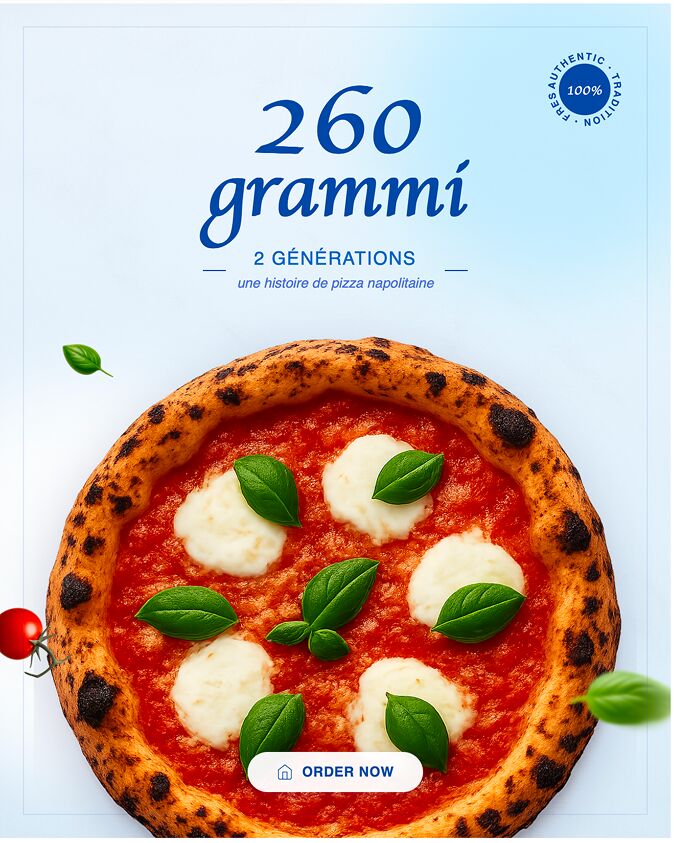
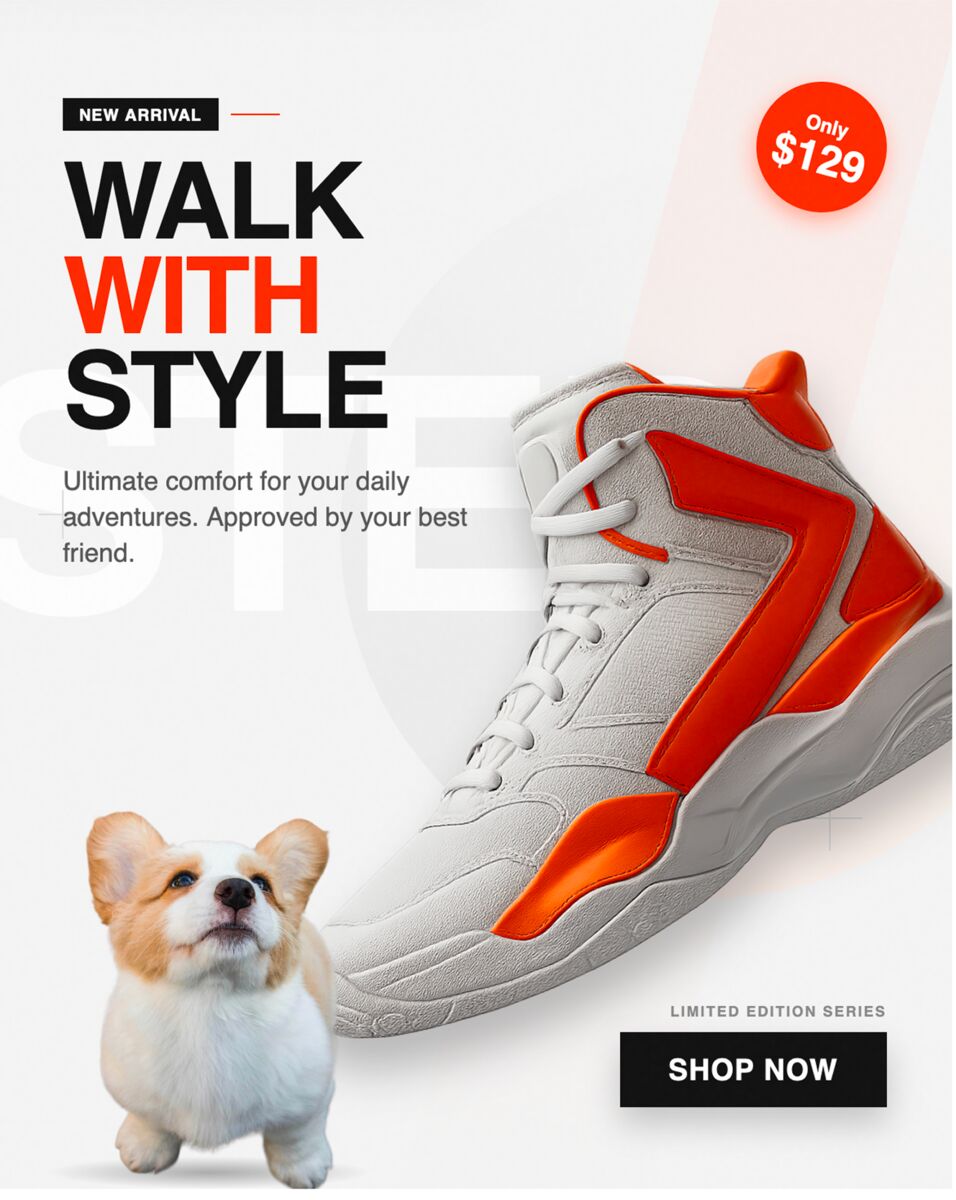
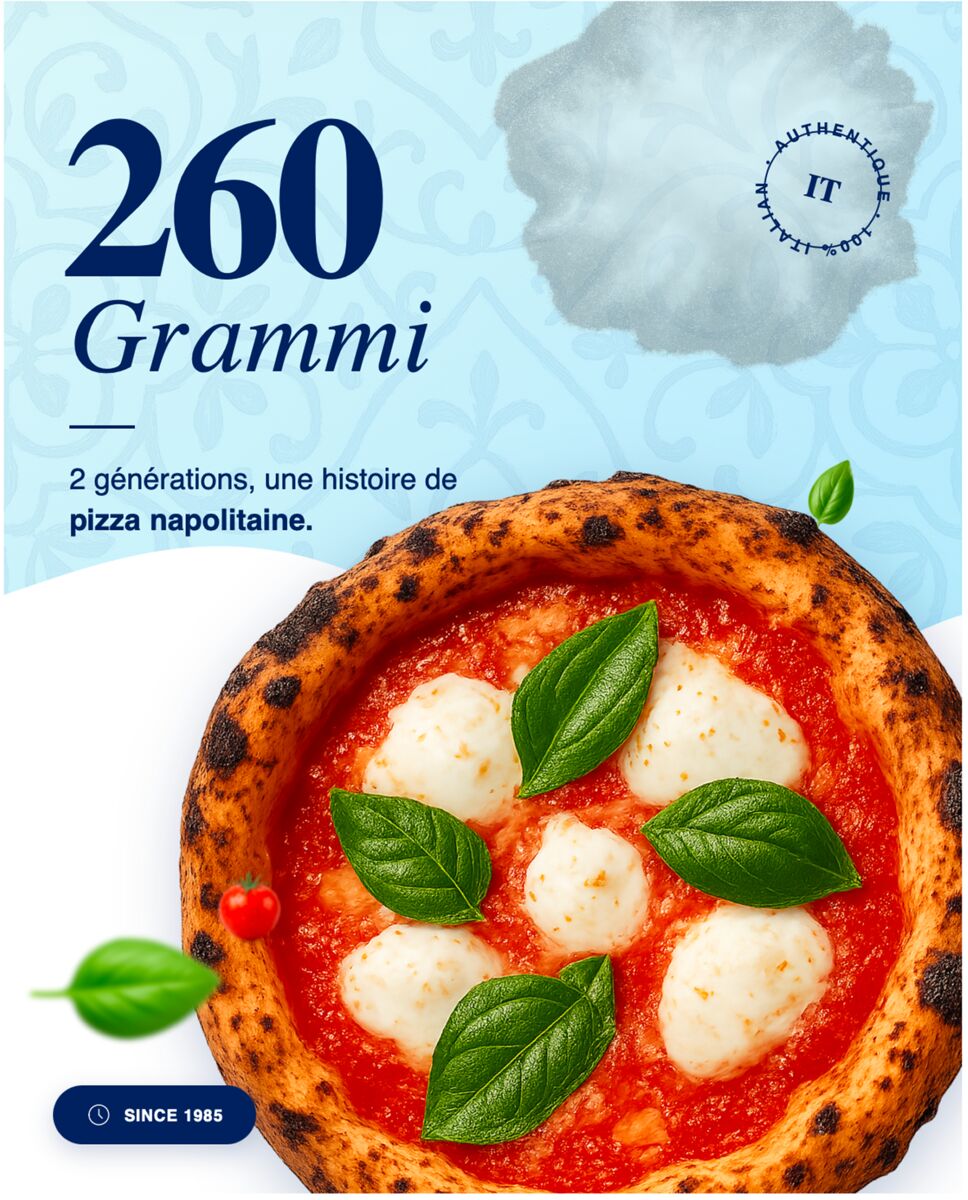
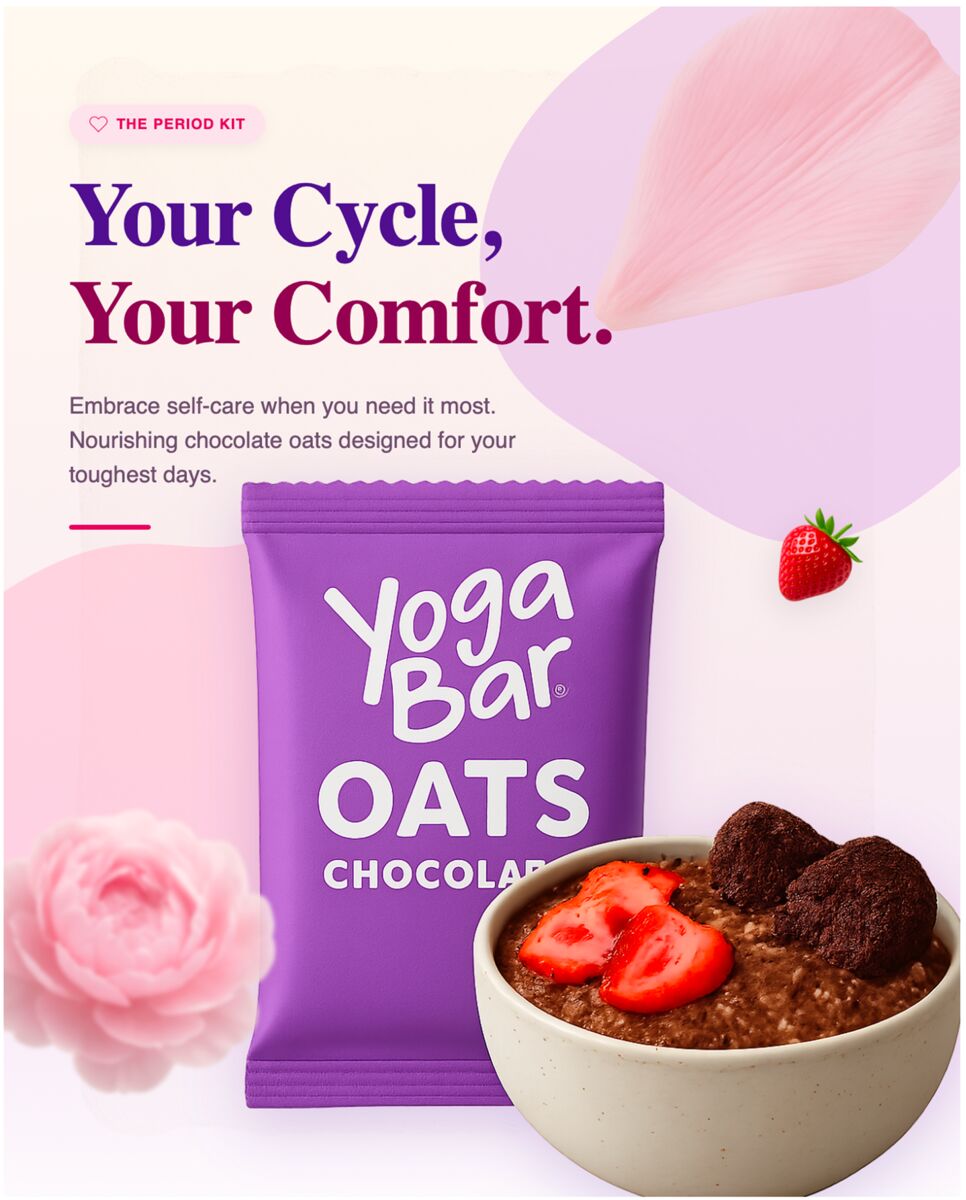
Enter a prompt like ‘modern campus tour infographic, teal palette, 2:3 ratio’ into DesignLumo (https://www.designlumo.com) and receive a fully layered, editable Pin in seconds. Export the PSD, replace placeholder text with enrollment stats, and apply your Brand Kit for consistent fonts. Track production time: average 3 minutes per pin versus 20 minutes in Canva. Measure ROI by comparing saves per pin before and after AI adoption; campuses report a 35 % lift in click‑through after switching to AI‑generated designs.
Canva Tall‑Graphic Templates with Layer Control
Start with Canva’s 1000 px × 1500 px vertical template, duplicate the master file for each department, and lock background layers to preserve brand colors. Use Canva’s “Styles” panel to apply the university palette across 30 + pins in one click. Integrate the Canva “Export as PNG with transparent background” feature for quick upload to Pinterest. Monitor the “Design to Pin” time metric; a well‑structured template reduces average creation time to 7 minutes and boosts monthly pin volume by 20 %.
Midjourney Prompt Engineering for Unique Illustrations
Use Midjourney (https://www.midjourney.com) to generate custom campus illustrations: prompt ‘vibrant watercolor of engineering building, 2:3, pastel tones, high detail’. Run four variations, select the best, then upscale to 2000 px width. Import the PNG into DesignLumo to add editable text layers and brand colors. Track engagement: pins with AI‑generated artwork see a 1.8× higher repin rate than stock photos. Log each prompt in a Notion table for version control and reuse across semesters.
2. Content Planning & Scheduling
Trello Academic Calendar Board for Pin Mapping
Create a Trello board with lists for ‘Application Deadlines’, ‘Open House Events’, and ‘Alumni Spotlights’. Attach a card template that includes pin title, target keyword, and image dimensions. Use Butler automation to move cards to a ‘Ready to Schedule’ list 48 hours before each event. Measure compliance: teams that use this board hit 95 % of scheduled pins on time versus 62 % without a board. Export the board as CSV for reporting to senior leadership.
Tailwind Bulk Scheduler with Repin Cadence
Upload up to 30 pins at once into Tailwind (https://www.tailwindapp.com) and set a custom posting window (8 am–10 pm EST). Enable the ‘Repin every 7 days’ option for evergreen admissions graphics. Use Tailwind’s “SmartLoop” analytics to identify the top‑performing pins and automatically boost their frequency by 20 %. Track the “Pin Saves per 1000 Impressions” KPI; campuses typically see a 12 % increase after implementing the repin cadence for 3 months.
Google Sheet + Zapier Pipeline for Data‑Driven Pins
Pull enrollment numbers from your CRM into a Google Sheet via Zapier (https://zapier.com). Set a Zap that triggers when a new row is added, then sends the data to DesignLumo’s API to populate a ‘2024 Admissions Stats’ pin template. The workflow creates a fresh infographic each week without manual editing. Monitor the “Automation Success Rate” (target >98 %) and the resulting “Application Click‑Through Rate”, which typically rises 9 % after automating data refreshes.
3. Analytics & Optimization
Pinterest Tag + Data Studio Funnel Dashboard
Install the Pinterest Tag on your landing pages and link it to Google Data Studio (https://datastudio.google.com). Build a funnel visualizing: Impressions → Saves → Click‑Through → Application Form Submit. Set alerts for any stage dropping >15 % week‑over‑week. Campus marketers use this to pinpoint under‑performing pins and re‑design within 48 hours, shrinking the funnel leak by an average of 22 % per cycle.
A/B Testing Idea Pins with Pinwheel
Use Pinwheel (https://www.pinwheel.com) to run split tests on two versions of an Idea Pin—one with a student testimonial headline, another with a stats‑driven headline. Allocate 5 % of your total pin budget to each variant for 14 days, then compare “Saves per 1000 Impressions” and “Link Click‑Through Rate”. Universities that iterate based on Pinwheel data achieve a 27 % lift in application clicks within a single semester.
Heatmap Analysis of Board Covers via Hotjar
Embed Hotjar (https://www.hotjar.com) on your board cover landing page to capture scroll depth and click hotspots on mobile vs desktop. Identify dead zones where users ignore the ‘Follow’ button and reposition it in the top‑right corner of the cover image. After adjusting placement, track the “Board Follow Rate”; campuses report a 14 % increase after one iteration, directly translating to higher organic pin reach.
4. Community & Collaboration
Shared Brand Kit in DesignLumo for Campus Consistency
Create a centralized Brand Kit in DesignLumo containing official fonts, hex colors, and logo variations. Grant edit access to each department’s designer, ensuring every pin pulls from the same master assets. Enforce a “Lock Layer” rule for the logo to prevent accidental removal. Track compliance with a quarterly audit; schools that adopt a shared kit see a 30 % reduction in brand‑inconsistent pins and a smoother approval workflow.
Alumni Storyboarding in Milanote Integrated with Rich Pins
Use Milanote (https://www.milanote.com) to map out alumni narratives: background, quote, achievement, and call‑to‑action. Export the storyboard as a PDF, then import into DesignLumo to generate a series of Idea Pins with Rich Pin metadata (article URL, author). Publish via Tailwind’s bulk uploader. Measure “Story Pin Completion Rate” (target >70 %); universities that storyboard first report a 18 % higher alumni donation click‑through.
Donor Highlight Workflow: Notion → DesignLumo → Tailwind
Set up a Notion database (https://www.notion.so) for donor profiles, including photo, donation amount, and impact story. Create a Notion‑to‑DesignLumo Zap that triggers when a new entry is marked “Ready”. The Zap sends the data to a pre‑built donor pin template, auto‑populates text layers, and saves the PNG to a Dropbox folder watched by Tailwind’s “SmartFolder” feature. This end‑to‑end pipeline cuts production time from 2 hours to 10 minutes per donor highlight and boosts donor‑related engagement by 22 %.
Before you go
- Batch-create pin copy in Google Docs, then use DesignLumo’s bulk text import to avoid repetitive typing.
- Leverage Pinterest’s 2‑year pin lifespan by repurposing evergreen admissions graphics each recruitment cycle with minor data updates.
- Always test both vertical (1000 × 1500) and square (1000 × 1000) formats; vertical pins average 30 % higher save rates for educational content.
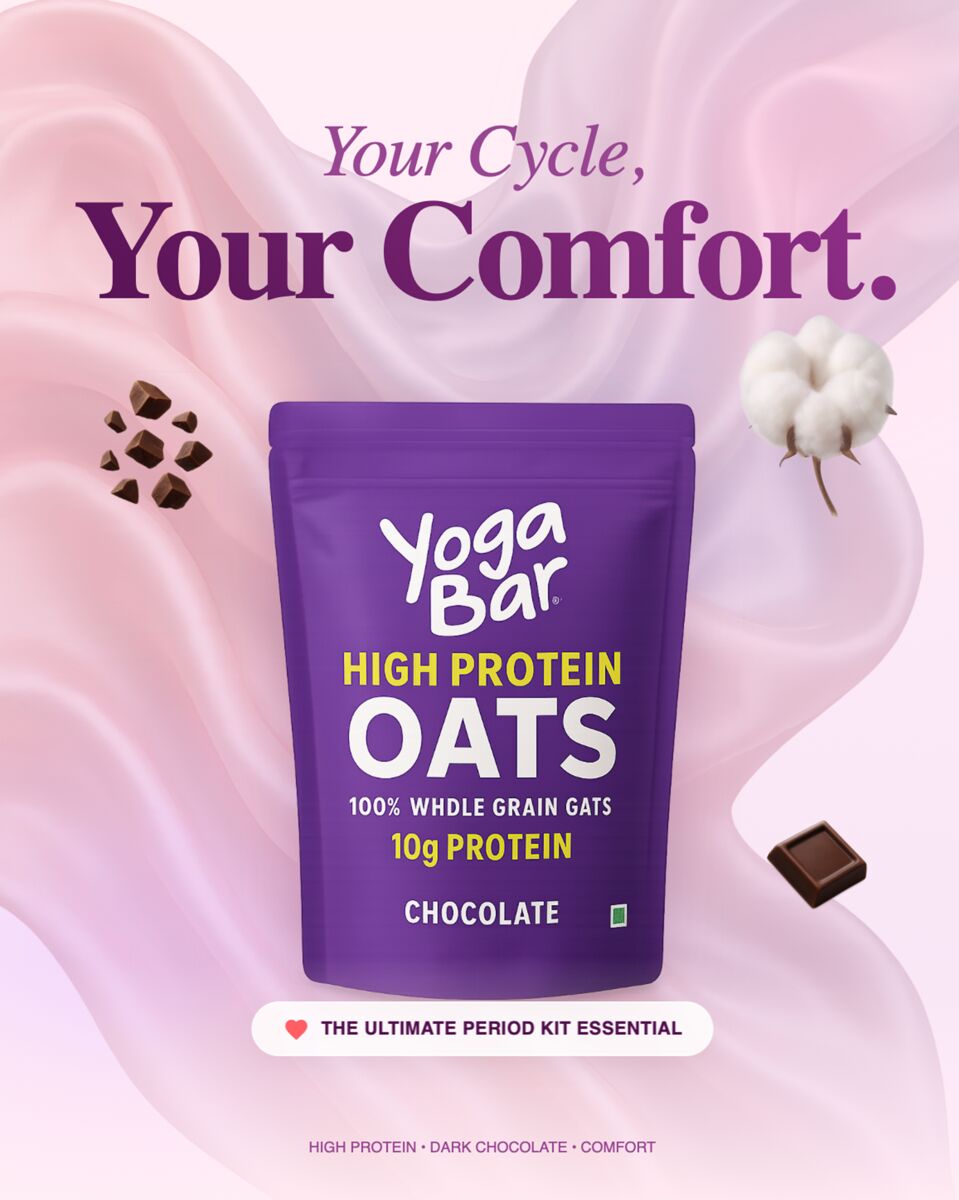


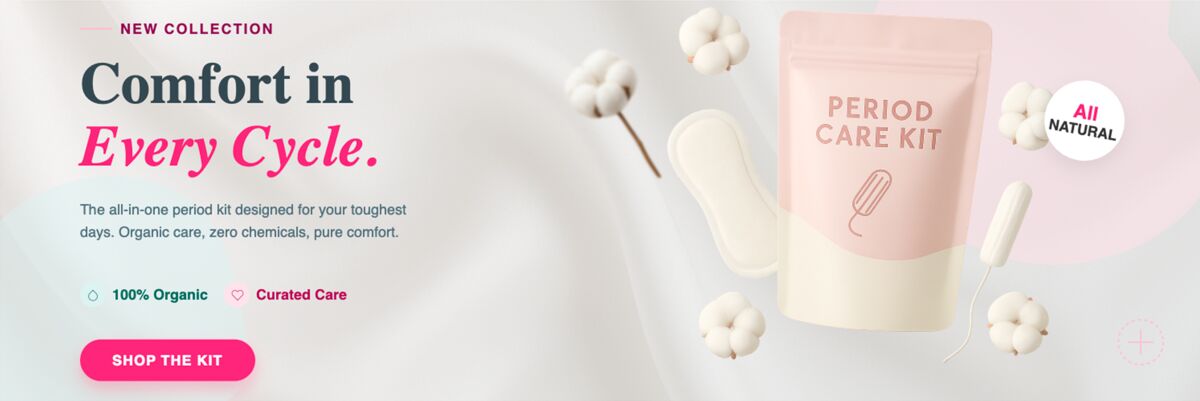



Ready to create your first design?
Join thousands creating professional designs in seconds.
Create with DesignLumo
Related Resources
University Marketing Success Stories & Case Studies
Tactical case studies showing how colleges boost admissions, events, and donations with AI design.
LinkedIn Toolkit for College Marketing Success
Tactical LinkedIn design tools and workflows for admissions, events, and alumni outreach.
College Marketing Creative Workflow Blueprint
Actionable AI‑driven design process for admissions, events, and alumni outreach.
Summer Sale Playbook for Campus Marketing
Actionable tactics, AI design tools, and ROI metrics for summer campus promotions.
Ultimate Infographics Guide for University Marketing
Step‑by‑step tactics to create data‑rich, process‑flow and storytelling infographics for admissions, events, and fundraising.
Spring Launch Marketing & Design Playbook
Actionable guide for university spring collection launches, visuals, and campaigns.