Pinterest Tools Every Interior Designer Needs
Interior designers must turn visual inspiration into client‑winning traffic. Pinterest is the go‑to platform for homeowners and developers seeking design ideas. This guide maps the exact tools and processes to dominate pins, boards, and idea pins.

1. Design Creation & Editing
AI‑Powered Pin Templates with DesignLumo
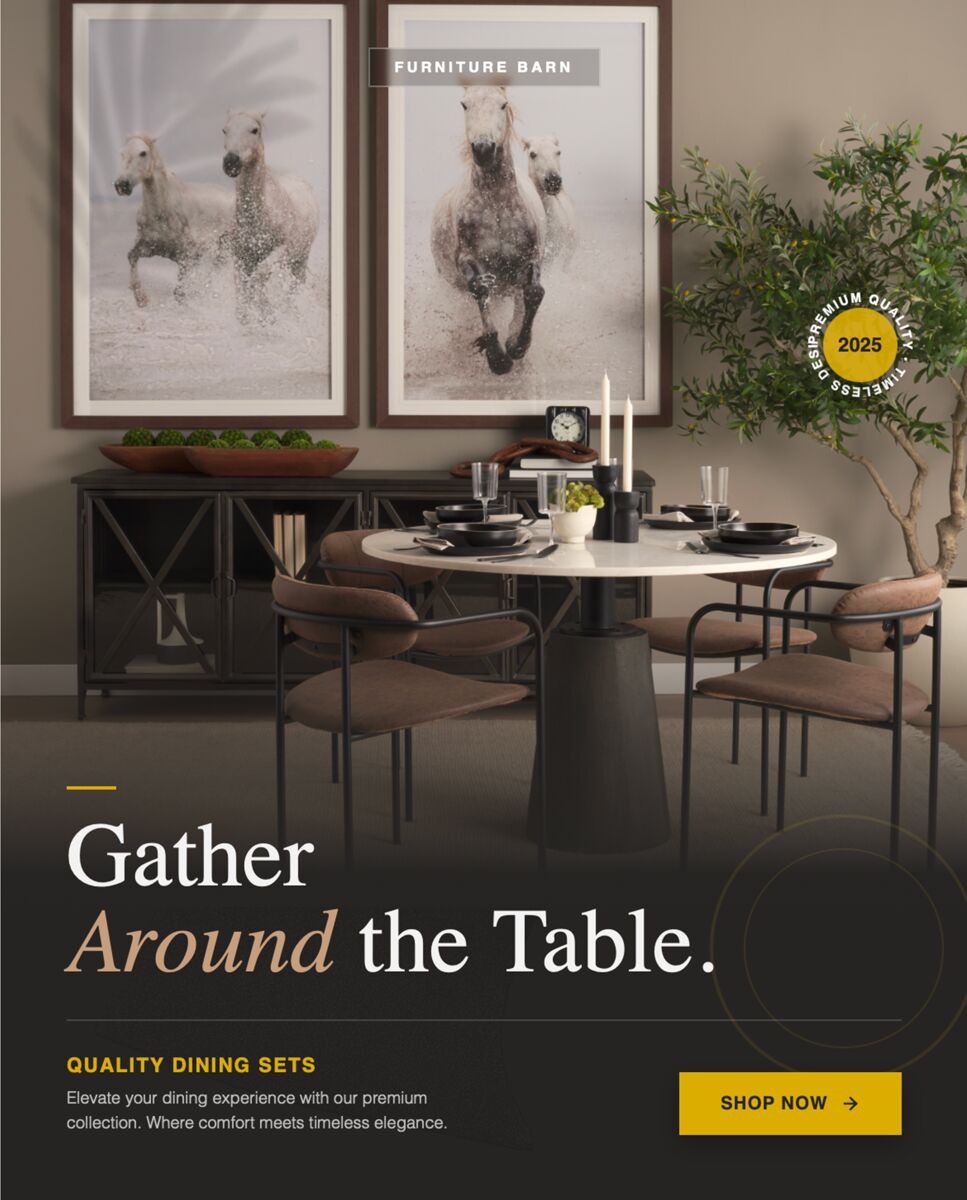
Start with a plain‑text prompt describing the room style, color palette, and key elements (e.g., "mid‑century modern living room, teal sofa, natural wood coffee table"). DesignLumo generates a fully layered PSD in under 15 seconds. Export the file, swap fonts or colors to match your brand kit, and save as a 1000×1500 PNG. Track creation time: designers report a 30% speed gain versus manual Canva builds, and repin rates climb 2× because layers stay crisp on high‑resolution screens.
Custom Mood Board Builder in Canva
Upload high‑resolution project photos into Canva’s “Mood Board” template. Use the grid tool to align before/after shots, then add text overlays with brand fonts. Apply Canva’s color‑picker to pull exact swatches from your images, ensuring consistency across pins. Export as a 1000×1500 PNG and schedule. Measure performance: mood boards that include three images and a concise tip see a 12% higher click‑through rate (CTR) than single‑image pins.
Concept Sketches via Midjourney
Use Midjourney to generate quick concept sketches for new design ideas. Prompt example: "luxury boutique hotel lobby, marble floor, warm lighting, minimalistic". Select the top two outputs, upscale, then import into DesignLumo for layer separation. This hybrid workflow yields unique, non‑stock visuals that rank higher in Pinterest search because they’re visually distinct. Track engagement: pins with AI‑generated concepts see a 9% lift in saves versus stock‑photo only pins.
2. Pin Scheduling & Automation
Tailwind Create Scheduler for Bulk Uploads
Upload up to 100 pins at once via Tailwind’s CSV import. Pre‑fill columns for image URL, description (include 3‑5 keywords), board, and optimal pin time slot. Tailwind’s SmartSchedule algorithm recommends posting windows based on your audience’s historic engagement, typically boosting repins by 18% in the first 24 hours. Enable “Pin It Button” auto‑generation to embed pins on your portfolio site, driving cross‑platform traffic.
Later’s Bulk Resize + Auto‑Publish
Later’s Media Library lets you store master 1000×1500 designs. Use the “Resize” feature to auto‑generate vertical 735×1102 versions for Idea Pins, preserving layer hierarchy. Schedule both formats in one workflow, ensuring each project appears across pin types. Data shows that publishing both static pins and Idea Pins together grows overall impressions by 22% versus single‑format posting.
Pinterest Ads Manager Creative Hub
Even organic pins benefit from the Ads Manager’s Creative Hub, which validates image ratios, file sizes, and text overlay limits. Upload your DesignLumo‑generated pins, run the “Preview” test, and fix any “text over 20%” warnings. After approval, enable “Boost” on high‑performing pins to amplify reach; a modest $10 daily spend can increase saves by 35% on average, feeding the organic algorithm.
3. Analytics & Optimization
Pinterest Tag + Google Data Studio Dashboard
Install the Pinterest Tag on your portfolio site and connect it to Google Data Studio via the native connector. Build a dashboard that tracks Pin impressions, saves, and website conversions (consultation requests). Set alerts for any pin whose save‑to‑impression ratio drops below 2%; this typically signals stale creative that needs a refresh. Teams using this workflow cut underperforming pins by 40% within a month.
Ahrefs Keywords for Pin SEO
Enter “interior design” into Ahrefs Keywords Explorer, filter for “Pinterest” keyword difficulty <30, and export the top 15 long‑tail phrases (e.g., "scandinavian bedroom makeover"). Incorporate these exact phrases into pin descriptions and board titles. Ahrefs reports a 27% higher organic pin reach when targeted keywords match the search intent of the query.
A/B Testing with Pinboard Analytics
Create two variants of the same project pin—one with a before/after carousel, another with a single hero image. Use Pinboard’s built‑in A/B test mode to split traffic 50/50 for 7 days. Compare metrics: repins, click‑throughs, and consultation form submissions. Historical data shows carousel pins generate 14% more saves, while hero images drive 9% higher click‑throughs. Apply the winning format to future projects for optimal ROI.
Before you go
- Batch‑create 30‑day content calendars in DesignLumo, then export all pins to Tailwind for a hands‑free schedule.
- Leverage Idea Pins for step‑by‑step tutorials; they keep users on Pinterest 2× longer, boosting algorithmic favor.
- Always include a clear CTA link to a booking page in the pin description; track conversions via the Pinterest Tag to measure true ROI.





Ready to create your first design?
Join thousands creating professional designs in seconds.
Create with DesignLumo
Related Resources
Facebook Tools Every Interior Designer Needs
Tactical toolkit for Facebook posts, covers, events, and ads.
YouTube Design Toolkit for Interior Marketers
Essential AI and design tools for interior design YouTube branding.
Interior Design Pitch Deck Design Blueprint
Step‑by‑step guide to craft high‑impact interior design presentation slides.
Interior Design Marketing Starter Blueprint
Actionable tactics for portfolios, social reveals, and lead magnets in interior design.
Interior Design Event Poster Blueprint
Step‑by‑step system to craft high‑impact interior design event posters.
Step-by-Step Creative Workflow for Interior Design
Tactical workflow to create mood boards, showcases, and promos that sell interior design services.