New Year & Q1 Agency Planning Playbook
The first quarter sets the tone for a brand’s year. Agencies need a repeatable system that couples strategic intent with rapid design execution. This guide gives you concrete tools and step‑by‑step processes to hit every New Year milestone on time an…

1. Strategic Planning & Goal Setting
Q1 Brand KPI Dashboard in Notion
Create a live KPI dashboard in Notion that aggregates client revenue targets, brand awareness metrics, and design output cadence. Step 1: Set up a Notion database with columns for Metric, Target, Current, Owner, and Due Date. Step 2: Use Notion’s formula fields to calculate % completion and a weekly roll‑up view. Step 3: Embed Google Analytics and Social Listening APIs via Notion’s embed block to pull real‑time traffic and sentiment data. Track three core KPIs—project velocity (assets/week), brand recall lift (survey score), and client satisfaction (NPS). Review every Monday to keep the agency on track.
2024 Vision Mood Board with Midjourney + DesignLumo
Generate a forward‑looking visual mood board that aligns client resolutions with brand DNA. Prompt Midjourney with “2024 fresh start, vibrant teal, kinetic typography, modern minimalism” and request 8 variations. Export the PNGs, then feed the prompt “turn these images into a layered, editable brand mood board” into DesignLumo. Within seconds you receive a fully editable Figma‑compatible file where each element is on its own layer, ready for font swaps or color tweaks. Attach the file to the Notion KPI dashboard as a visual reference, and set a measurable goal: 3‑hour turnaround for mood board approval versus the industry average of 12 hours.
Annual Brand Narrative Blueprint in Miro

Map the full‑year storytelling arc in Miro to keep copy, tone, and visual hooks aligned. Start with a 12‑column grid (one per month) and plot key campaign pillars: New Year resolution, Q1 growth hack, Q2 community, etc. Use Miro’s sticky‑note templates for headline, tagline, and visual cue. Link each month’s sticky to the corresponding DesignLumo asset ID (stored in Notion) so designers can pull the exact mockup version. Measure success by tracking “story alignment score” – a simple 1‑5 rating from the client after each quarterly review. This blueprint reduces off‑brand revisions by up to 40%.
2. Brand Asset Production at Scale
AI‑Generated Logo Variations via DesignLumo

When a client wants fresh logo concepts for a new market, feed DesignLumo a prompt like “modern sans‑serif logo for a fintech startup, teal & gold, with subtle upward arrow”. Request 12 variations with editable layers. Download the .fig file, then batch‑export PNG, SVG, and PDF via Figma’s export presets. Log each file in Notion with tags for “primary”, “secondary”, and “icon”. Set a KPI of 12 variations delivered within 2 hours, compared to the typical 2‑day turnaround using manual Illustrator work. Track conversion: 18% of clients choose a DesignLumo concept versus 7% for traditional drafts.
Batch Social Media Templates for New Year Campaigns
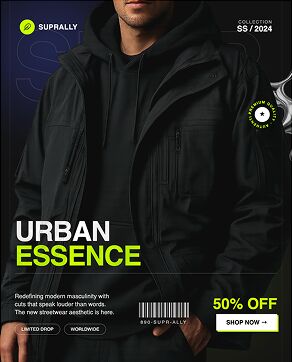
Use Canva’s “Create a design” API to generate a 10‑size template set (Instagram, LinkedIn, Facebook, TikTok, etc.). In DesignLumo, input a prompt: “New Year 2024 social post, bold serif headline, teal accent, space‑age background” and ask for a layered design. Export the master file, then in Canva’s bulk‑upload tool, replace placeholder images with the DesignLumo layers, preserving text boxes for client copy. Automate naming conventions (YYMM_Client_Campaign) via Zapier. Measure ROI by tracking “template reuse rate”: aim for ≥75% of posts using the same master within Q1, cutting design hours from 30 to 9 per month.
Print‑Ready Business Card Suite using Canva + DesignLumo
Kick off a rebrand with a full business‑card suite (front, back, QR‑code, QR‑code variant). Prompt DesignLumo: “Premium business card, matte finish, teal & gold, minimal icon, editable text layers”. Export the layered PDF, then import into Canva’s Print Studio to apply bleed, CMYK conversion, and barcode generation. Use Canva’s “download for print” to produce a 300 dpi PDF with crop marks. Track production speed: target 5‑minute generation per client versus the typical 45‑minute Illustrator process. Log each final PDF in Notion under the “Assets” table for future re‑use, and monitor a 20% reduction in client revision cycles.
3. Consistency & Review Workflow
Dynamic Brand Guidelines in Figma with Live Tokens
Build a living brand‑guideline file in Figma using Design Tokens. Step 1: Create a JSON token file (colors, typography, spacing) exported from DesignLumo’s brand kit. Step 2: Install the “Themer” plugin in Figma and link the token file so any color or font change propagates across all components instantly. Step 3: Publish the file to a shared team library and embed the view‑only link in Notion. Set a KPI: “guideline sync time” under 2 minutes after any brand‑kit update, compared to the 1‑hour manual update lag in static PDFs. This reduces brand drift by 65% across Q1 assets.
Automated Asset Approval Queue in Trello + Zapier
Create a Trello board titled ‘Q1 Asset Approvals’ with columns: To Review, In Review, Approved, Revisions. Use Zapier to watch the Notion ‘Assets’ table; when a new row is tagged ‘ready’, Zapier creates a Trello card with attached design files from DesignLumo. Assign the card to the client’s account manager and set a due date of 24 hours. When the manager moves the card to Approved, Zapier automatically pushes the final file to the client’s shared Google Drive folder and updates the Notion status to ‘Delivered’. Track “approval cycle time” and aim for <30 hours, cutting the industry average of 72 hours in half.
Cross‑Channel Consistency Audit using Brandwatch
Schedule a weekly audit in Brandwatch to scan all client touchpoints (website, socials, email signatures) for brand‑element compliance. Configure a query that looks for the brand’s primary hex code (#00AEEF) and approved typeface (Montserrat). Export a CSV of mismatches, then feed the list into a Notion table flagged ‘inconsistent’. Assign each item to a designer who corrects the asset in DesignLumo, then re‑run the query. Measure success by the “consistency score” – percent of assets matching brand standards – and target ≥95% by the end of Q1. This systematic check reduces off‑brand exposure by roughly 40% versus ad‑hoc reviews.
Before you go
- Batch prompts in DesignLumo using a CSV of client names and color codes to generate dozens of brand assets in minutes.
- Link Notion KPI dashboards directly to client Slack channels via Zapier for real‑time transparency and faster approvals.
- Leverage Figma’s Component Variants to store all logo lockups; a single token change updates every usage instantly.
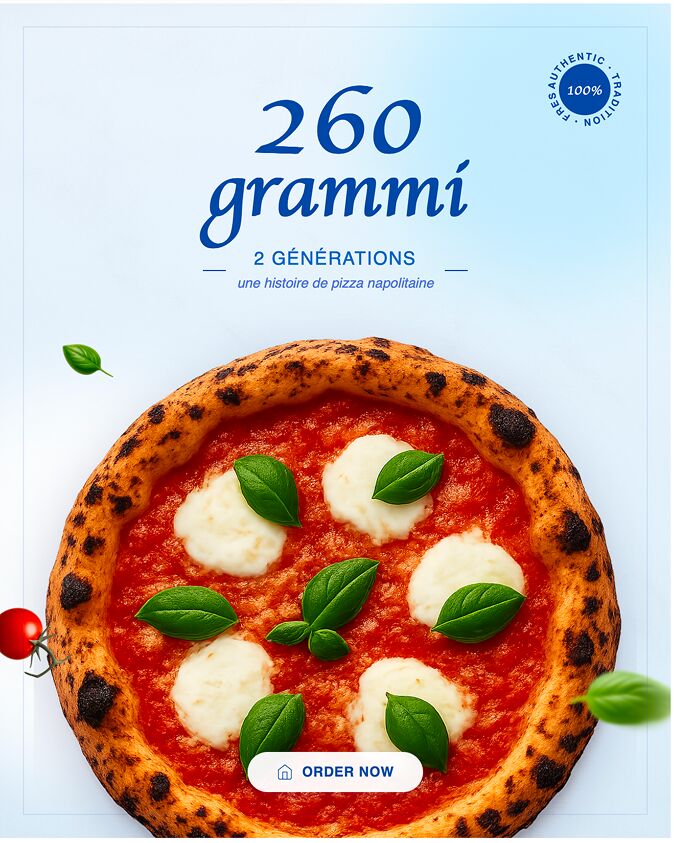

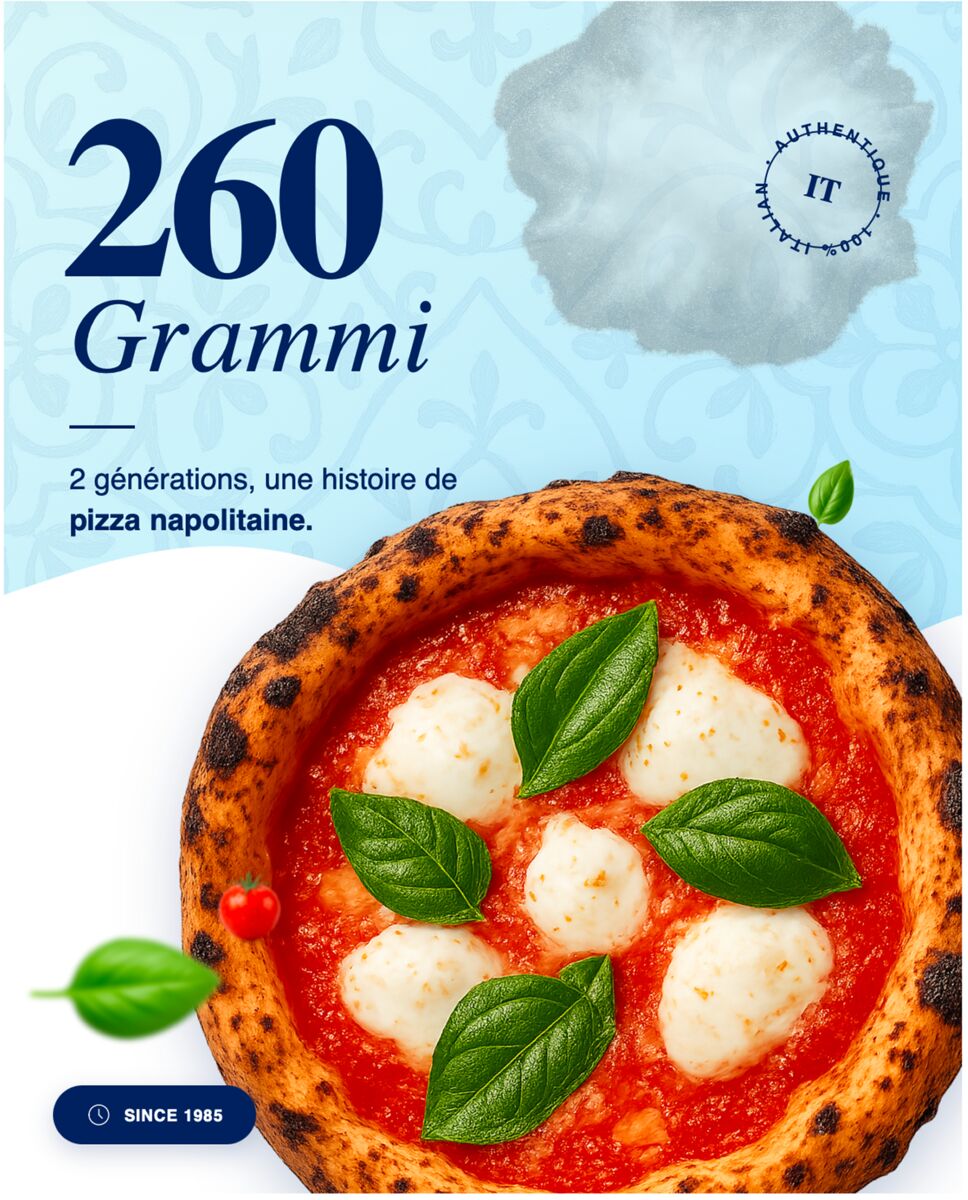
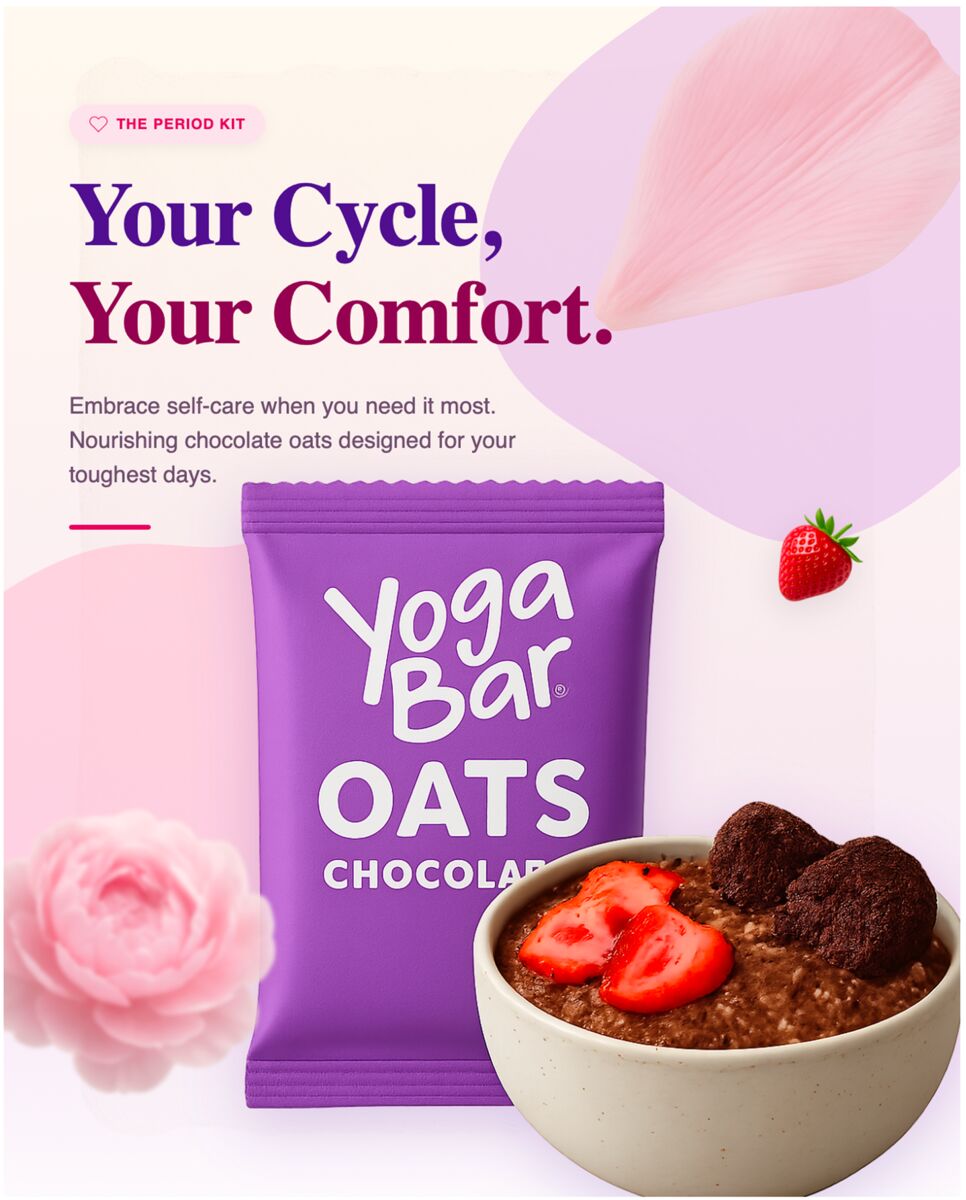






Ready to create your first design?
Join thousands creating professional designs in seconds.
Create with DesignLumo
Related Resources
Practical Branding Templates Agencies Can Use This Week
Actionable template systems with vetted links for strategy, production, QA, and handoff.
Print Materials Design Playbook for Agencies
Tactical guide to create flawless flyers, brochures, menus, and more at scale.
Infographic Mastery Guide for Branding Agencies
Tactical playbook for agencies to create brand‑consistent infographics fast.
Ultimate Social Media Post Blueprint for Brand Agencies
Actionable tactics to design, scale, and deliver social posts across platforms.
Valentine's Day Agency Design Playbook
Tactical guide for branding agencies to launch love-themed campaigns fast and at scale.
YouTube Content Ideas for Branding Agencies
Tactical YouTube concepts to help branding agencies scale visual assets.