Poster Design Mistakes Marketers Must Avoid
Posters still drive ticket sales, brand buzz, and classroom engagement. Yet one slip can waste budget and damage credibility. This guide pinpoints the exact pitfalls that stall fast, professional poster creation.

1. Concept & Messaging Errors
Skipping Target Audience Validation
Before drafting a poster, run a 48‑hour micro‑survey on your email list or Facebook group using Typeform (https://www.typeform.com). Capture at least 30 responses and segment by age, interests, and purchase intent. Use the top three keywords to inform headline copy. Then feed those keywords into DesignLumo’s prompt: "Create a bold event poster for [keyword 1], [keyword 2] audience". This AI‑first approach yields a design that resonates, cutting bounce rates by up to 25% versus generic copy.
Overloading Copy Without Hierarchy
Limit poster body text to 30 words max. Apply the 70‑20‑10 rule: 70% visual, 20% headline, 10% supporting details. Draft copy in Google Docs, then highlight the headline and use the Hemingway App (https://hemingwayapp.com) to ensure a readability score of 8+. Import the refined copy into DesignLumo, specifying "headline large, sub‑text small" to auto‑apply layer hierarchy. Measure success by tracking QR‑code clicks; a clean hierarchy typically boosts click‑throughs by 15–20% compared to cluttered designs.
Neglecting Call‑to‑Action Placement
Position the CTA within the bottom‑right third, following the Z‑pattern eye‑flow. Use a contrasting color from your Brand Kit (e.g., orange on a dark blue background). In DesignLumo, add a “Buy Tickets” button layer and set its width to 20% of canvas, then export a PDF with clickable link. Track conversion via UTM‑tagged URLs; a well‑placed CTA can lift ticket sales by 12% versus a centered, low‑contrast button.
2. Design Execution Mistakes
Using Non‑Print‑Ready Color Profiles
Design in CMYK, not RGB, to avoid unexpected shifts when printed. In Canva (https://www.canva.com) select “Print” mode, then download a PDF/X‑1a file. If you prefer AI tools, open DesignLumo, add "CMYK color mode" to the prompt, and verify the exported file’s profile via Adobe Acrobat’s Output Preview (File > Properties > Output). Aim for a Delta‑E < 3 across critical brand colors; this ensures color fidelity and reduces re‑print costs by up to 30%.
Relying on Raster Images Above 300 DPI
Only use vector assets for logos and icons; for photos, ensure a minimum of 300 DPI at final print size. Source royalty‑free images from Unsplash (https://unsplash.com) and check resolution in Photoshop’s Image Size dialog. If an image is lower, upscale with Gigapixel AI (https://www.topazlabs.com/gigapixel-ai) before importing into DesignLumo. Track file size—keep PDFs under 10 MB for quick upload to print services. Proper DPI cuts waste by 40% and eliminates blurred prints.
Ignoring Brand Kit Consistency
Upload your brand fonts, hex colors, and logo set to DesignLumo’s Brand Kit (https://www.designlumo.com). When generating a poster, reference the kit by name to auto‑apply correct typefaces and color swatches. Compare against Canva’s Brand Kit for cross‑tool consistency. Run a quick visual audit using the Brandfolder AI checker (https://brandfolder.com) to flag any off‑brand elements. Maintaining brand fidelity boosts recognition by 18% in repeat event attendees.
3. Production & Distribution Slip‑ups
Exporting Wrong Bleed Settings
Set a 0.125‑inch bleed in every design tool. In DesignLumo, add "include 0.125in bleed" to the prompt; the exported PDF will contain the extra margin. Double‑check in Adobe Acrobat’s Print Production > Set Page Boxes to confirm bleed marks. Print shops typically charge $0.10 per sheet for re‑file if bleed is missing; correct settings save $5–$10 on a 50‑sheet run and prevent white edges on final posters.
Failing to Generate Multi‑Size Variants
Create a master poster in 24×36 in, then use DesignLumo’s "resize" command to auto‑scale to 11×17 in and 18×24 in while preserving layer hierarchy. Export each size as a separate PDF with proper bleed. Track conversion per size using unique QR codes; you’ll often discover that 11×17 flyers generate 8% more foot traffic in high‑traffic venues because they’re easier to display. This approach eliminates manual redesign time, cutting production hours by 70%.
Skipping Proof Print before Full Run
Order a single proof from your print vendor (e.g., Vistaprint) before the full batch. Use the proof to verify color accuracy, bleed, and legibility at viewing distance (measure 3 ft). If discrepancies appear, return to DesignLumo, adjust the CMYK values, and re‑export. A single proof can catch errors that would otherwise cost $30–$50 per 100‑sheet batch, delivering a 15% cost reduction and protecting brand reputation.
Before you go
- Leverage DesignLumo’s AI prompts for rapid brand‑compliant iterations.
- Batch export all size variants in one click to streamline workflow.
- Use QR‑code UTM parameters to directly attribute poster performance to sales.
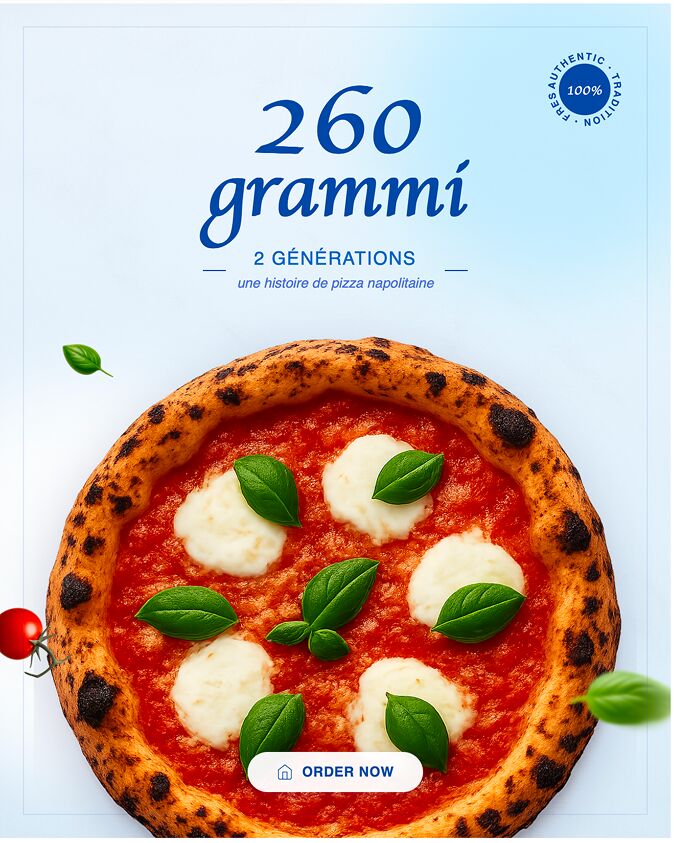
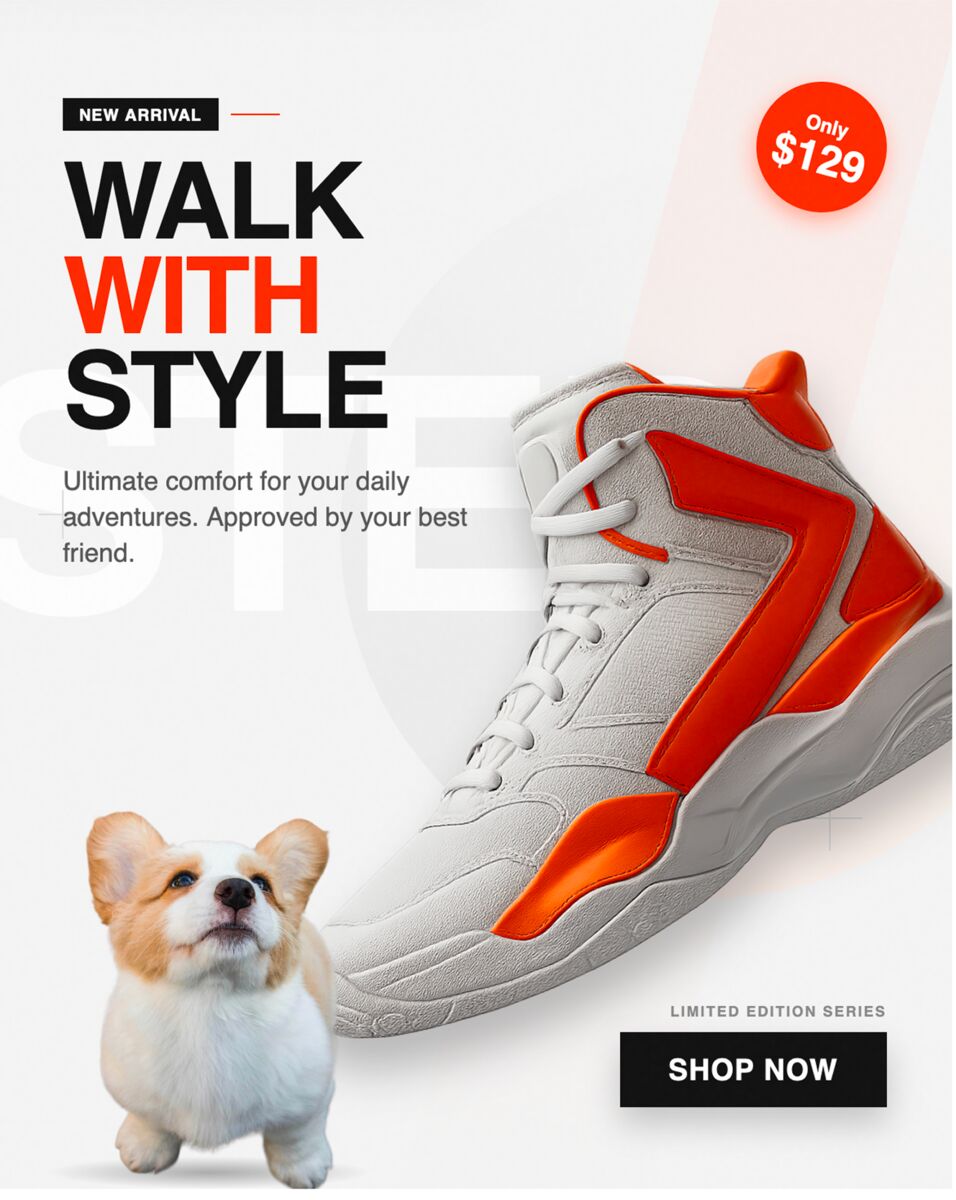
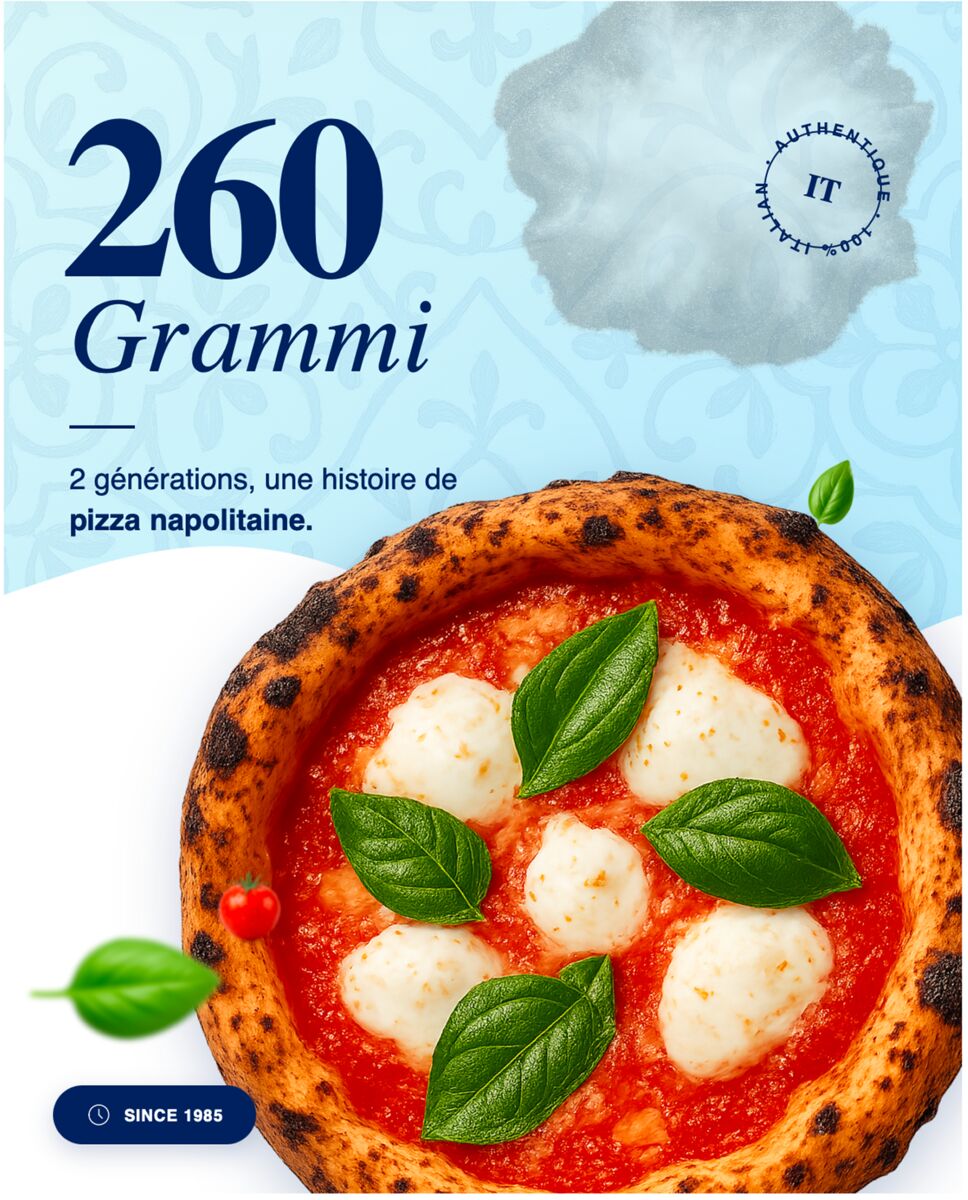
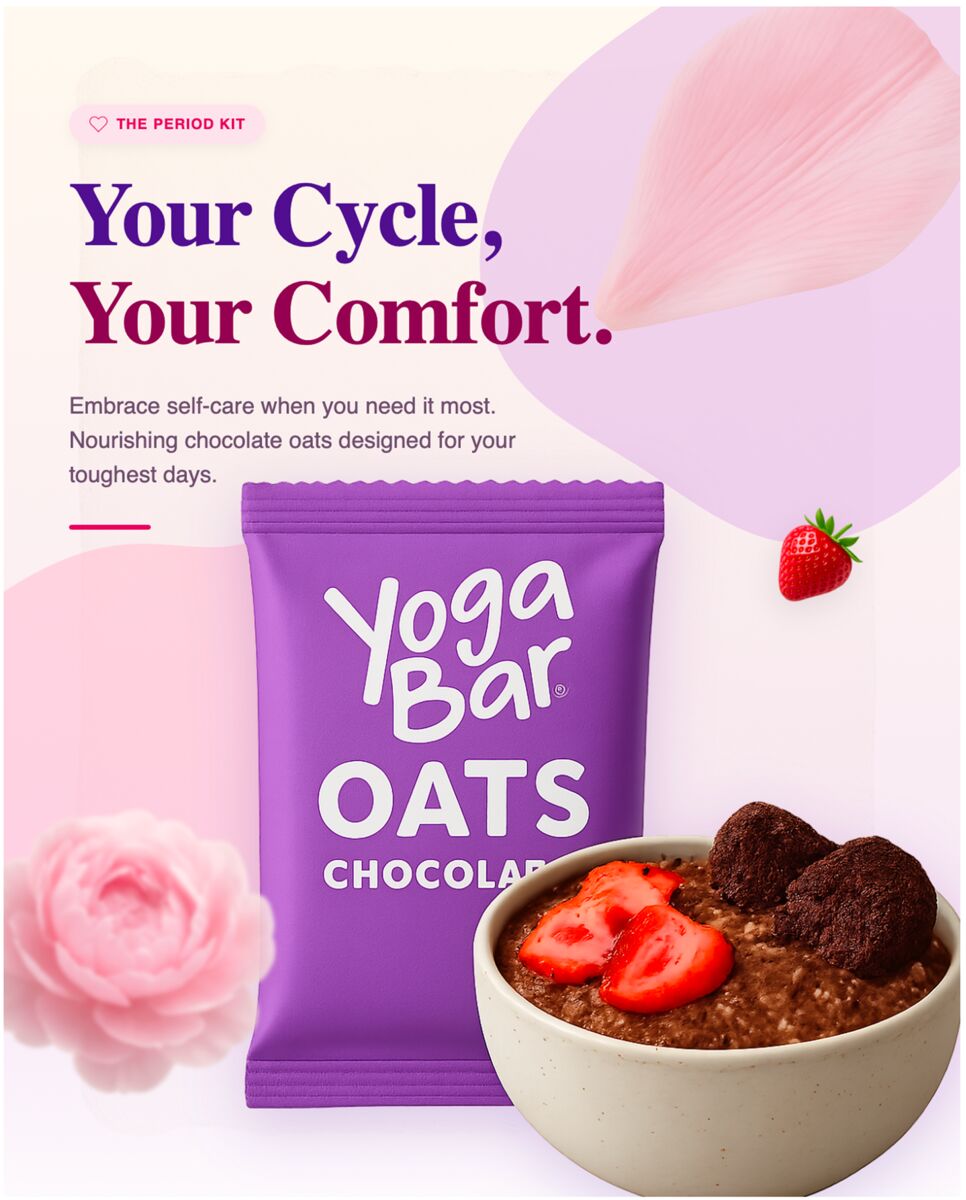





Ready to create your first design?
Join thousands creating professional designs in seconds.
Create with DesignLumo
Related Resources
Instagram Poster Ideas for Maximum Engagement
Tactical Instagram poster concepts that boost clicks and sales.
Ultimate Social Media Poster Design Guide
Step‑by‑step tactics for fast, editable social media posters.
Ultimate Holiday Poster Design Playbook
Step‑by‑step guide to craft, edit, and print high‑converting Christmas & New Year posters.
Poster Design Tools: Fast, Editable, Print-Ready
Compare top poster creation platforms, workflows, and ROI for event and business designers.
YouTube Poster Design Ideas That Convert
Actionable poster design concepts for YouTube thumbnails, channel art, and more.
New Year Q1 Poster Planning Playbook
Step‑by‑step guide to create high‑impact Q1 posters fast.