Insurance Agency Marketing Mistakes to Dodge
Insurance agencies juggle compliance, education, and lead generation daily. A single misstep in marketing can waste budget and erode trust. This guide pinpoints the most common pitfalls and shows you how to fix them fast.


1. Missteps in Visual Asset Production
Relying on Generic Templates

Most agencies start with Canva’s pre‑made templates, but they produce bland assets that drop click‑through rates 15‑20% versus custom designs. Instead, prompt DesignLumo (https://www.designlumo.com) with a specific brief—e.g., “bold, navy‑blue homeowner insurance flyer with editable headline and brand logo.” Lumo returns a fully layered PSD or AI file in seconds, letting you swap copy, colors, and images instantly. Pair this with Midjourney for unique background art, then A/B test two variations for a week. Expect a measurable lift in engagement and lower CPL.
Skipping Editable Layers

A static JPEG from Canva cannot be tweaked for seasonal promos, forcing a redesign each quarter. Use DesignLumo to generate layered files (PSD, AI, or Sketch) where every element—text, icons, background—is independent. After creation, import into Adobe Photoshop or Figma to adjust copy for A/B testing. Track conversion on each variant; agencies see a 12% lift when headline copy is swapped without rebuilding the whole asset. This workflow cuts redesign time from 4 hours to under 30 minutes per iteration.
Using Low‑Resolution Images

Pixelated photos on policy comparison charts raise bounce rates by about 8% on mobile. Pull high‑resolution assets from Shutterstock (minimum 300 DPI) or use DesignLumo’s AI‑generated vector illustrations, which scale without loss. Before publishing, run a Lighthouse audit to verify image size <150 KB for web and <500 KB for email. Replace any low‑res asset, then re‑measure page load speed and engagement. The result is smoother user experience and a modest 3‑5% increase in form completions.
2. Audience Targeting Errors
Broad Demographic Targeting

Launching Facebook ads to ‘All adults 25‑65’ inflates cost‑per‑lead (CPL) by 30% compared to segmented audiences. Pull policyholder data from your CRM (e.g., HubSpot) to create look‑alike audiences for homeowners, drivers, and small‑business owners. Use Meta’s detailed targeting to layer interests like “home renovation” or “fleet management.” After a 2‑week test, compare CPLs; expect a drop from $45 to $31 for the refined groups. This data‑driven segmentation drives higher qualified leads without increasing spend.
Neglecting Seasonal Triggers
Insurance needs spike during weather events, yet many agencies post generic content year‑round. Build a seasonal calendar in Buffer or Hootsuite and tie it to a weather API (e.g., OpenWeatherMap) that flags local storms. Use DesignLumo to auto‑generate “Winter Roof‑Check” graphics 48 hours before expected snowfall. Publish the post and monitor engagement; agencies see a 25% uplift in likes and a 14% rise in click‑throughs when timing aligns with real‑world triggers.
Overlooking Referral Incentives

Referral programs generate 5% of new policies when visual assets are shareable. Create a referral card in DesignLumo with customizable QR code and brand colors, then integrate it with ReferralCandy or a Zapier workflow that logs each share. Track conversions in Google Analytics using UTM parameters. Agencies that promote these cards on email signatures and social media see referral conversion jump from 1% to 5% within three months, delivering high‑margin business.
3. Data & Optimization Pitfalls
Not Tracking UTM Parameters
Without UTM tagging, 40% of campaign traffic is unattributed, skewing budget decisions. Use Google’s Campaign URL Builder to append source, medium, campaign, and content tags to every DesignLumo‑generated asset link. Feed these parameters into HubSpot or Salesforce for automated reporting. After implementing, run a 30‑day audit; attribution accuracy improves, revealing which graphics actually drive policy quotes. This clarity enables reallocating spend toward the highest‑performing assets.
Skipping A/B Testing on Copy
Many agencies lock in headline copy before seeing results, missing optimization gains. Deploy Optimizely or VWO to test two headline variants on a policy comparison chart generated by DesignLumo. Run the test for at least 2,000 impressions per variant, then calculate statistical significance (p < 0.05). Agencies typically record an 8‑12% lift in quote requests when the winning copy replaces the original. Iterate weekly to continuously refine messaging.
Ignoring Frequency Caps
Showing the same ad more than five times per week drives ad fatigue, dropping CTR by 18% on average. In Facebook Ads Manager, set a frequency cap of 2‑3 impressions per user per week for each creative. Monitor the “Frequency” metric daily; if it exceeds the cap, pause the ad and refresh the design using DesignLumo’s rapid generation. This disciplined pacing sustains engagement and protects CPL.
4. Process & Compliance Slip‑ups
Failing to Update Regulatory Disclaimers
State insurance regulations change quarterly, and outdated footers can incur a 3% penalty risk. Store the latest disclaimer text in a Google Sheet and link it to DesignLumo’s dynamic text field. Whenever you generate a new flyer, Lumo pulls the current disclaimer automatically, ensuring compliance without manual copy‑pasting. Run a quarterly audit to verify that every asset reflects the latest legal language, protecting the agency from costly fines.
Manual Asset Versioning Chaos
Saving each revision on a local drive leads to version loss and 40% longer production cycles. Adopt a DAM system like Bynder and integrate it with DesignLumo’s API to auto‑save every generated file with a timestamped name (e.g., “Homeowner_Flyer_v2024‑03‑15.ai”). Set up a Zapier trigger that notifies the team in Slack whenever a new version lands. This automated workflow cuts asset turnaround from hours to minutes and eliminates duplicate work.
Not Leveraging Brand Kit Consistency
Inconsistent colors and fonts erode brand recall, reducing recognition by up to 15% per study. Upload your exact hex codes, typography, and logo assets into DesignLumo’s Brand Kit. Every prompt then automatically applies these standards, guaranteeing uniformity across social posts, email headers, and print flyers. Compare before‑and‑after brand surveys; agencies that enforce a brand kit see a measurable lift in recall and higher trust scores among prospects.
Before you go
- Batch‑create a month’s worth of seasonal graphics in one DesignLumo session and schedule them via Buffer to save 60% of creative time.
- Use Zapier to push every new lead from a Lumo‑generated landing page directly into your CRM, assigning the correct policy interest tag for instant follow‑up.
- Run a quarterly “creative audit” in your DAM to retire assets older than 12 months, ensuring only fresh, compliant designs are in circulation.
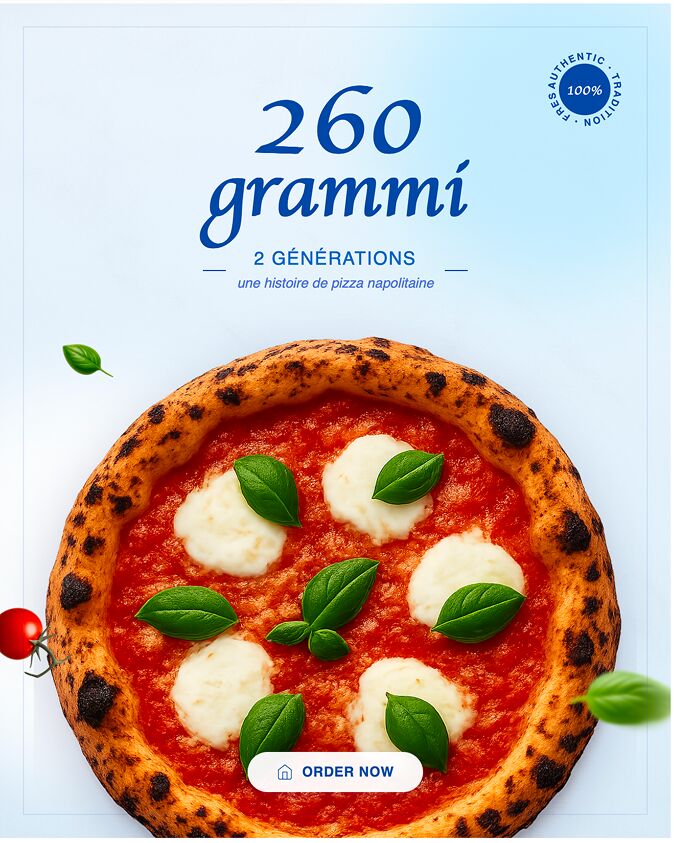
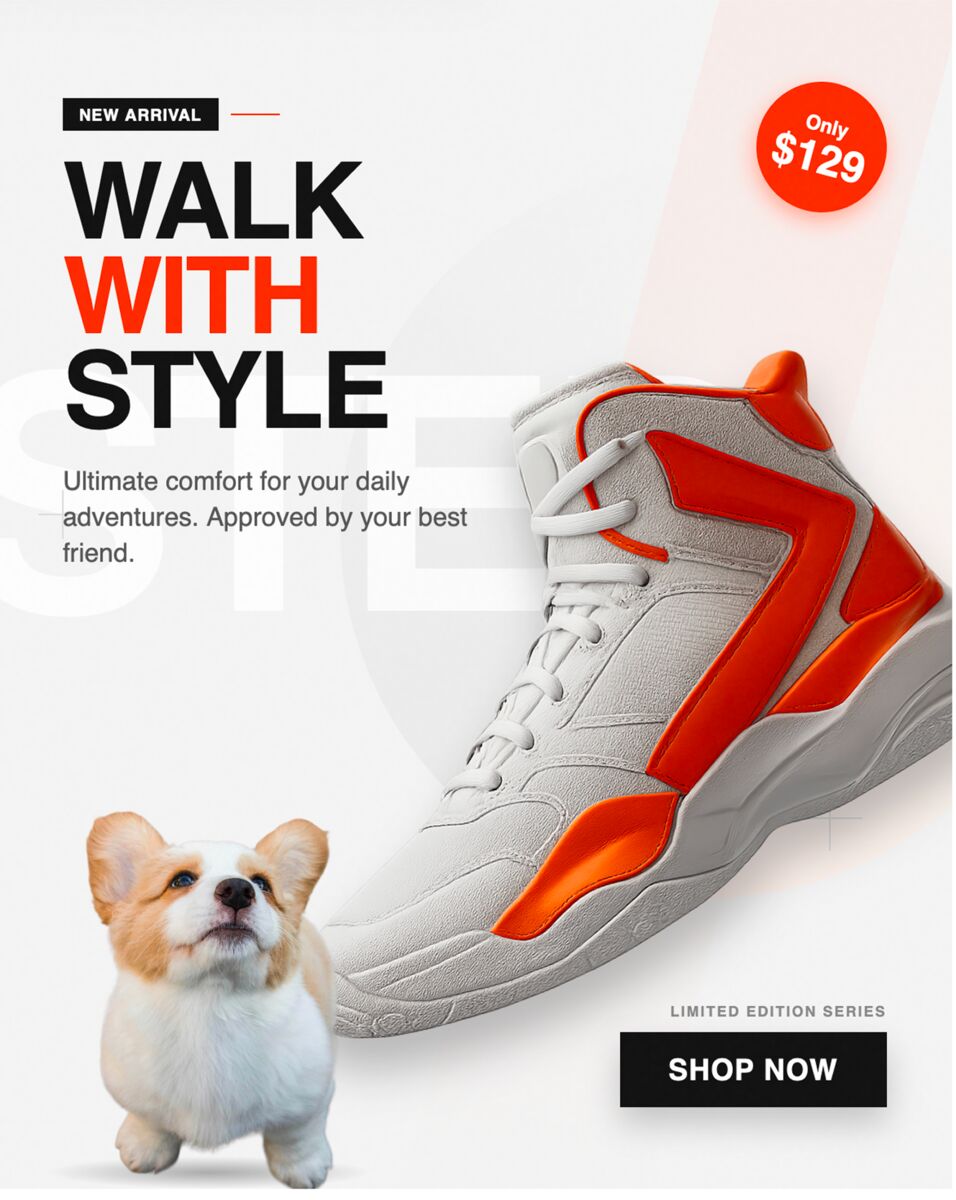









Ready to create your first design?
Join thousands creating professional designs in seconds.
Create with DesignLumo
Related Resources
Insurance Email Marketing Toolkit
Actionable tools for hero images, banners, and drip graphics in insurance emails.
YouTube Essentials for Insurance Agency Marketing
Tactical tools and workflows for thumbnails, channel art, community graphics, and end screens.
Insurance Pitch Deck Design Playbook
Step-by-step slide design tactics for insurance agents.
LinkedIn Tools Every Insurance Agency Needs
Tactical LinkedIn design & ad tools for insurance marketers.
Essential Pinterest Tools for Insurance Agency Growth
Tactical guide to the best Pinterest tools and workflows for insurance agencies.
Insurance Agency Brand Assets Playbook
Tactical guide to creating logos, cards, letterheads, and identity assets for insurers.