Avoid These Fatal Mistakes in Agency Marketing
Digital agencies juggle dozens of campaigns, clients, and platforms every day. One slip can cost hours, dollars, and client trust. This guide pinpoints the exact errors that stall growth and shows you how to eradicate them.

1. Creative Production Bottlenecks
AI‑First Design Generation with DesignLumo
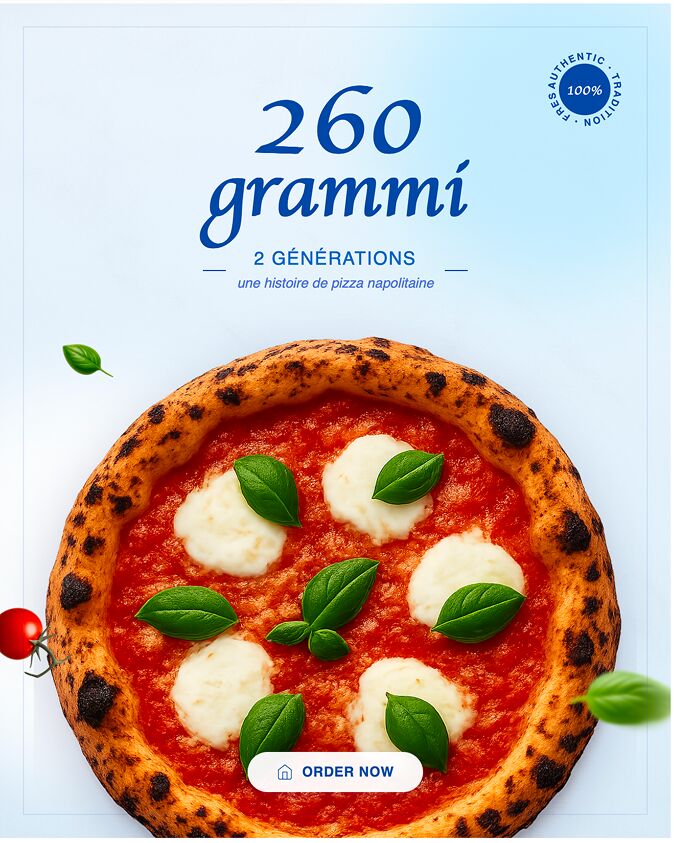
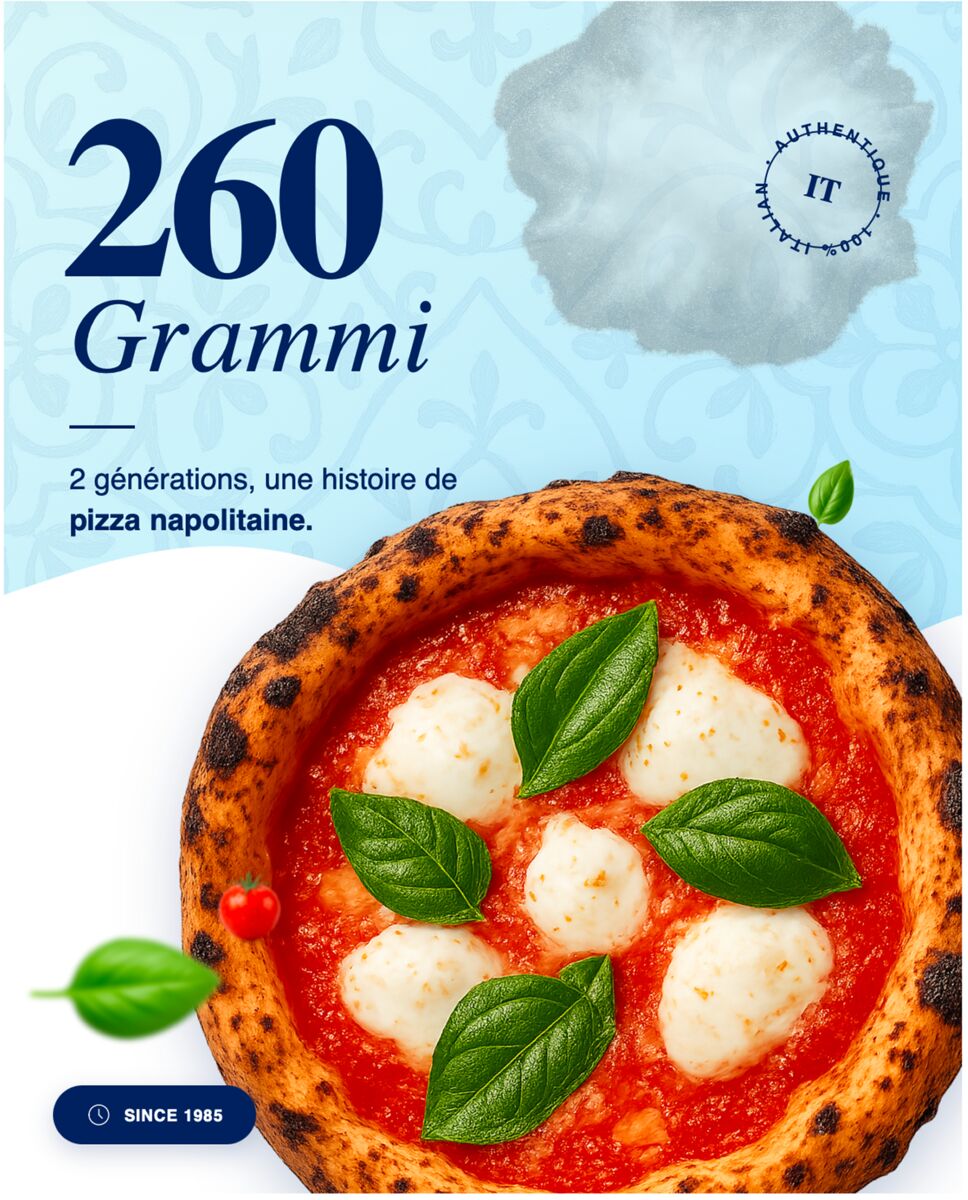
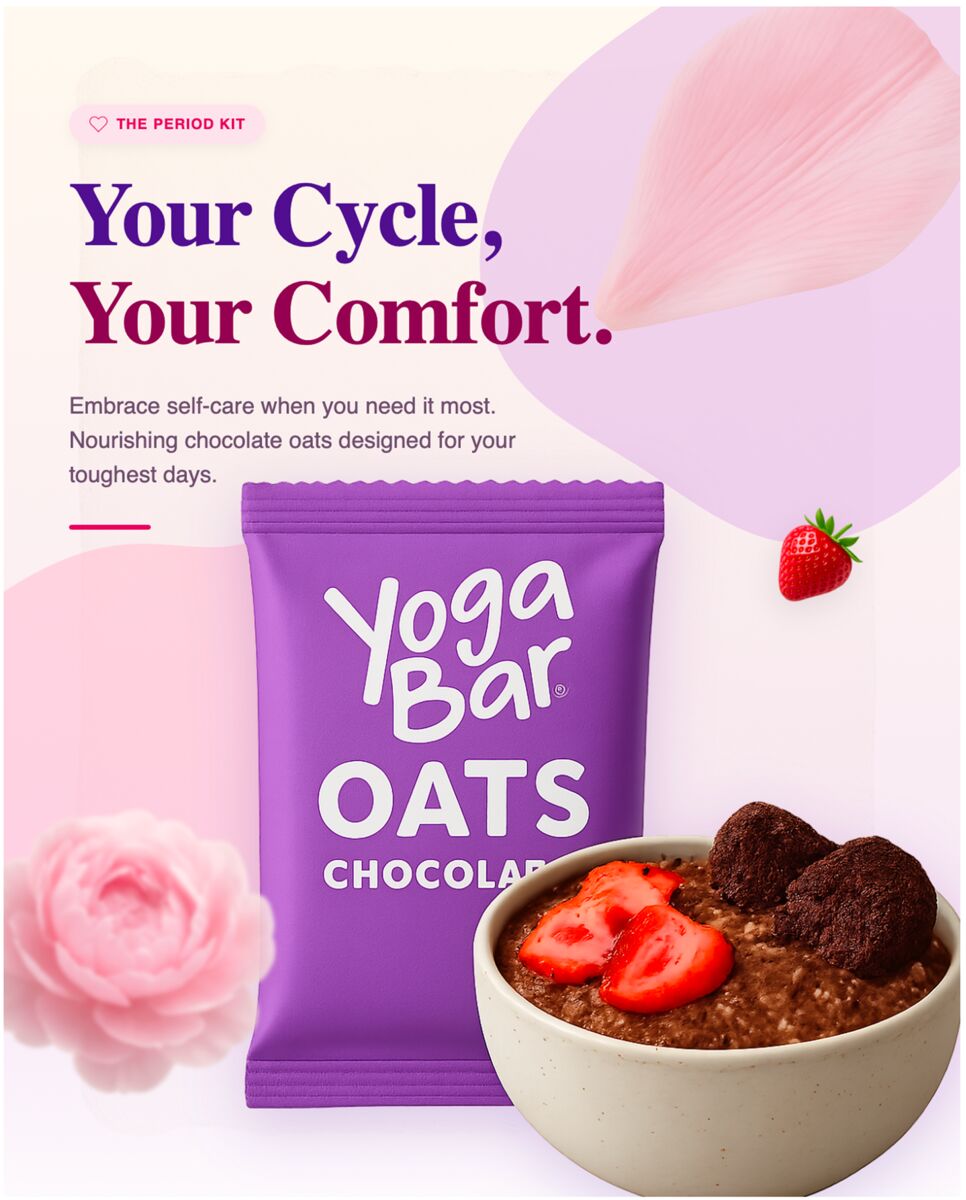
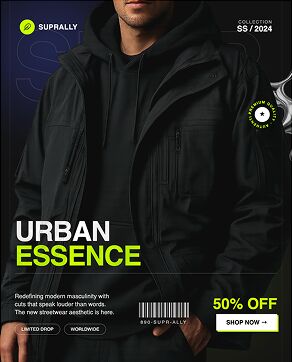
Replace static mock‑ups and endless template hunting by prompting DesignLumo to create fully layered, editable assets in seconds. Write a prompt like ‘modern 30‑second Instagram Reel thumbnail for a fintech client, brand colors #0A74DA and #FFFFFF, bold sans‑serif headline’ and receive a PSD‑ready file. Integrate the output directly into Figma or Adobe Xd via the export link. Track time saved by logging each asset creation in Asana; agencies report a 45% reduction in design turnaround, cutting average creative lead time from 8 hours to 4.5 hours per piece.
Batch Prompt Library in Notion
Build a shared Notion database of high‑performing prompts sorted by channel, objective, and client tone. Each entry includes a prompt template, brand kit variables, and a performance tag (CTR, CVR). When a new brief lands, copy‑paste the relevant prompt, adjust the variables, and feed it to DesignLumo or Midjourney. Use Notion’s API to auto‑populate a Trello card with the generated asset link, ensuring the design moves straight into the review lane. Measure efficiency by counting prompts reused per month; a 30‑prompt library can shave 2‑3 hours per campaign.
Parallel Asset Queuing in Monday.com
Configure a Monday.com board with columns for ‘Prompt Drafted’, ‘AI Rendered’, ‘Design Review’, and ‘Client Approval’. Enable automation that moves a task to the next column as soon as the DesignLumo webhook signals completion. Pair this with Slack notifications to keep copywriters and account managers in sync. Track the average cycle time per column; agencies that implement parallel queuing see a 22% drop in total project duration and can launch multi‑platform creatives within a single 48‑hour sprint.
2. Brand Consistency Failures
Centralized Brand Kit Sync via Figma
Upload every client’s color palette, font families, logo variants, and icon sets into a shared Figma library. Link DesignLumo’s output to the library by selecting ‘Apply existing brand kit’ in the prompt. Enforce a rule in Asana that any new creative must reference the Figma library version ID, preventing rogue colors. Run a weekly audit script (Node.js + Figma API) that flags any design missing a brand token. Agencies that enforce this see a 37% drop in client revision requests related to branding.
Automated Brand Compliance Checks with Canva
For quick social assets, use Canva’s brand kit feature to lock brand colors and fonts. After DesignLumo generates a layered PSD, import it into Canva, apply the ‘Brand Kit Lock’, and let Canva’s built‑in compliance scanner highlight any off‑brand elements. Set up a Zapier automation that moves non‑compliant files back to the design queue with a comment tagging the designer. Measure compliance rate by counting “Pass” tags in the Zapier log; a 95% pass rate is achievable within one month of enforcement.
Version Control with Git LFS for Design Assets
Store all layered design files (PSD, AI, Sketch) in a Git repository using Git LFS to handle large binaries. Tag each commit with client name, campaign, and version number (e.g., ‘Acme_Q2_BrandRefresh_v3’). When a designer pulls the repo, they receive the exact version used for previous ads, ensuring pixel‑perfect replication. Integrate a CI pipeline that runs a script to compare color codes against the brand JSON file; any deviation fails the build. This workflow reduces brand drift incidents by up to 48% and provides an auditable trail for client reporting.
3. Inefficient Performance Measurement
Unified Dashboard with Supermetrics + Data Studio

Connect Supermetrics to pull ad spend, impressions, CTR, and conversion data from Facebook Ads, Google Ads, LinkedIn, and TikTok into a single Google Data Studio report. Build a template that auto‑populates a ‘Creative Performance’ table showing each asset’s ROAS, cost per lead, and lift versus baseline. Schedule daily email snapshots to account managers. Track the time saved versus manual Excel pulls; agencies report a 60% reduction in reporting overhead and faster optimization loops, boosting overall campaign ROAS by 12% within 90 days.
Creative‑Level UTM Builder in HubSpot
Create a HubSpot custom workflow that appends unique UTM parameters to every design asset URL generated by DesignLumo. Use the asset’s filename to auto‑populate source, medium, campaign, and content tags. When traffic lands on the landing page, HubSpot tracks conversions per creative. Set up a weekly report that surfaces the top‑performing design variants, allowing the team to retire under‑performing assets after a 48‑hour lag. Agencies that adopt this see a 15% lift in conversion rates by reallocating spend to proven creatives.
A/B Test Automation via Google Optimize API
Deploy Google Optimize to run multivariate tests on landing page graphics generated by DesignLumo. Use the Optimize API to programmatically create experiments for each new creative version, assigning traffic buckets of 20% each. Capture metrics like bounce rate, time on page, and downstream revenue. Set a statistical significance threshold of 95% and automate winner rollout via a webhook that updates the live page in Webflow. Agencies that automate this loop cut creative iteration cycles from 10 days to 3 days, increasing monthly revenue lift by 8%.
Before you go
- Standardize prompt syntax across the agency to ensure DesignLumo outputs are consistently formatted.
- Schedule a bi‑weekly brand audit where senior designers verify that every new asset adheres to the master brand library.
- Combine AI‑generated designs with manual copy tweaks; the hybrid approach yields a 27% higher click‑through rate than fully automated assets.








Ready to create your first design?
Join thousands creating professional designs in seconds.
Create with DesignLumo
Related Resources
Small Business Saturday Agency Playbook
Tactical guide for agencies to launch high‑ROI local campaigns on Small Business Saturday.
Print Materials Design Guide for Agencies
Tactical playbook to speed agency print design from concept to ROI.
Twitter/X Toolkit for Agency Creative Mastery
All the AI and workflow tools agencies need for X graphics, headers, threads, and quote cards.
Ultimate Email Header Design Playbook for Agencies
Step-by-step tactics to create high-converting email headers at scale.
TikTok Essential Tools for Agencies
Actionable AI and design tools to speed TikTok cover, overlay, and cross‑platform assets.
Product Graphics Design Guide for Agencies
Actionable tactics to create product showcase, comparison, and feature graphics.