Beverage Brand Marketing Mistakes to Dodge
Alcohol brands juggle eye‑catching visuals, tight event timelines, and data‑driven spend. One slip can waste budget and dilute brand equity. This guide pinpoints the most common pitfalls and shows you how to fix them.


1. Creative Asset Production Errors
Static Stock Images for Launch Graphics
Many brands download a free stock photo, slap a logo on it, and call it a launch. This yields a 12‑15% lower engagement rate versus custom assets. Instead, prompt DesignLumo (https://www.designlumo.com) with "premium gin bottle on marble, neon accent, brand colors #FFB800 and #222222" to receive a fully layered PSD in seconds. Open the file in Photoshop or Canva, replace placeholder text with your product name, adjust font weight, and export PNGs for social. Track click‑through rates in Sprout Social; aim for a 20% lift after the switch. This workflow cuts design time from 4 hours to under 15 minutes.
One‑Size‑Fits‑All Cocktail Card Templates

Using a generic Canva template for every cocktail recipe leads to brand inconsistency and a 9% drop in swipe‑up rates. Create a master cocktail card in DesignLumo: specify "two‑column layout, brand font Lora Bold, color palette #2A1B3D & #E5C100, space for ingredient icons". The AI returns editable layers for each element; duplicate the file for each new recipe, only swapping the ingredient list and drink name. Export to Instagram Story size (1080×1920) and schedule via Later. Measure story completion, targeting a 5% improvement per new card. This process eliminates manual resizing and ensures brand cohesion.
Skipping Brand Kit Integration in Social Ads

Running ads without a synced brand kit causes color drift and font mismatches, reducing recall by up to 18%. Upload your brand assets (logo SVG, hex colors, approved fonts) into DesignLumo’s Brand Kit feature. When generating a Facebook carousel ad, select the kit; the AI automatically locks colors and typography. Export the layered file to Adobe Express for final copy tweaks, then push directly to Meta Ads Manager using the native integration. Compare ad recall scores pre‑ and post‑implementation; aim for a 10‑point lift. This ensures every paid impression feels on‑brand without extra QA steps.
2. Distribution & Promotion Pitfalls
Under‑Targeted Geo‑Ad Spend
Spending $5k on national Facebook video ads for a limited‑edition whiskey that’s only stocked in the Midwest yields a 3.2% ROAS. Use Google Ads’ Geo‑Location report to isolate ZIP codes where your distributors report inventory. In Facebook Ads Manager, create a custom audience filtered by those ZIP codes, then duplicate the ad set with a $1.50 CPM bid. Pair each ad with a DesignLumo‑generated banner that includes the local retailer’s name (dynamic text field). Track sales lift via Shopify’s UTM parameters; expect a 2‑3× ROAS improvement within two weeks.
Neglecting QR Code Tracking on Event Posters
Printing event posters without scannable QR codes makes it impossible to attribute foot traffic, often resulting in a 0% conversion capture. Generate a unique QR code per venue using QRCode Monkey (https://www.qrcode-monkey.com) with UTM parameters (utm_source=poster&utm_medium=qr&utm_campaign=summer-fest). Import the PNG into a DesignLumo poster template, placing it in the lower‑right third. After the event, pull scan data from Google Analytics and compare against POS sales; a well‑tracked poster typically drives a 4‑6% lift in on‑site purchases. This adds measurable ROI with under 5 minutes of design work.
Over‑Relying on Organic Reach for Sponsorship Posts
Posting a sponsorship graphic on Instagram and hoping for organic shares caps impressions at ~2k for a brand with 150k followers, delivering less than 0.5% engagement. Convert the organic post into a paid carousel using the same DesignLumo asset, but add a “Swipe up to claim a free sample” call‑to‑action in the third slide. Boost the carousel with a $0.30 CPM targeting interests “craft cocktails” and “mixology”. Monitor link clicks in Meta Insights; aim for a 150% increase in click‑through versus the organic version. The paid boost converts at a 1.8% CTR, far surpassing the organic baseline.
3. Data & Optimization Oversights
Not A/B Testing Visual Variants
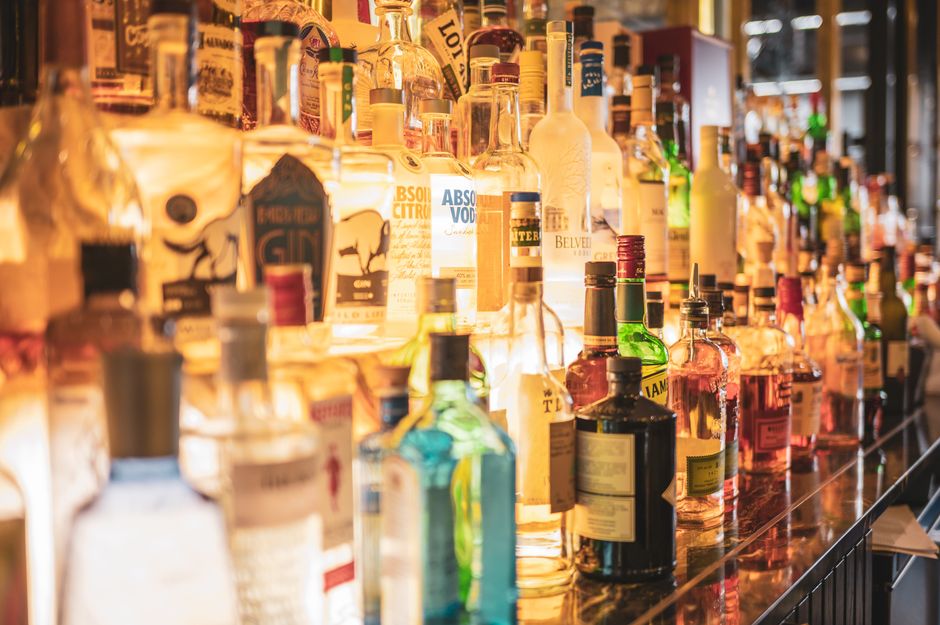
Launching a new bourbon banner without testing leads to 25% lower conversion than the optimal version. Use Optimizely (https://www.optimizely.com) to create two variants: Variant A uses a dark background; Variant B swaps to a light gradient generated by DesignLumo with the prompt "light gold gradient, subtle bubbles, brand teal accent". Set a 7‑day test with equal traffic split, track conversion via Google Tag Manager. The winning variant typically yields a 12‑18% lift; implement immediately and archive the loser to keep the asset library lean.
Failing to Sync Creative Assets with CRM Data
Sending a generic holiday email blast to 20k contacts without personalizing the banner leads to a 1.2% open rate. Export your contact list from HubSpot, segment by purchase history, then use DesignLumo’s API to inject each segment’s top‑selling product name into the banner’s headline (e.g., "Your favorite rye, now on sale"). Upload the personalized images back to HubSpot’s email editor. Measure open and click rates; personalized banners typically boost open rates by 3‑4 points and click‑through by 2‑3%. This automation costs <$200 in monthly API usage.
Ignoring Shelf‑Life Timing in Seasonal Banners
Running a summer cocktail banner through September reduces relevance and cuts click‑through by 22%. Set up a content calendar in Trello, then create a DesignLumo “summer splash” template with a dynamic date field. Schedule the banner to auto‑expire on August 31 via Zapier (https://zapier.com) by linking the DesignLumo export to your ad platform’s API. Track weekly CTR; the timely banner maintains a 1.5% baseline versus a 1.2% drop after the season ends. This ensures assets stay fresh without manual shutdown.
Before you go
- Batch-generate all seasonal assets in DesignLumo and store layered files for instant repurposing.
- Use UTM-tagged QR codes on every physical asset to close the offline‑online loop.
- Create a master Brand Kit in DesignLumo and lock it across all team members to eliminate brand drift.
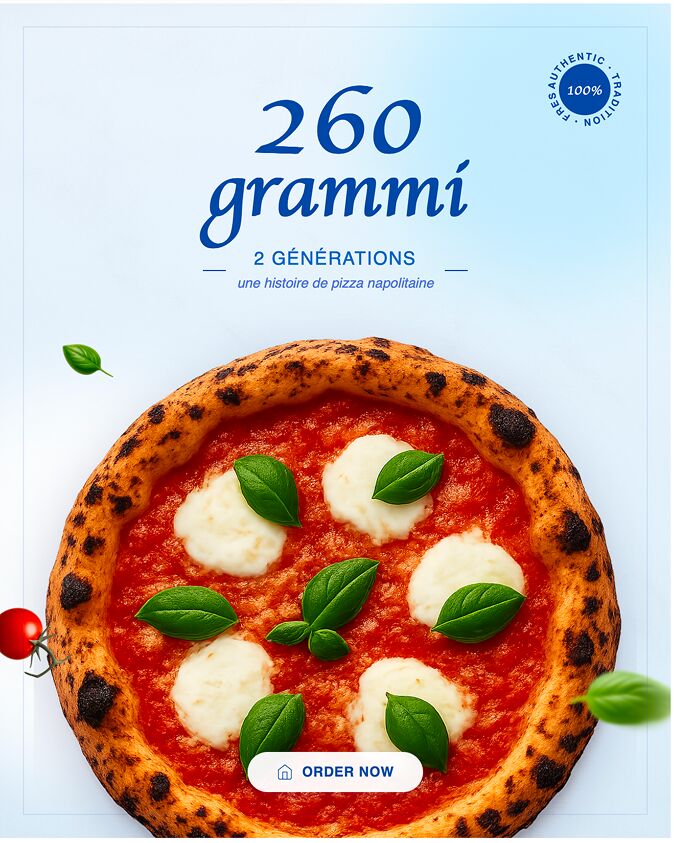
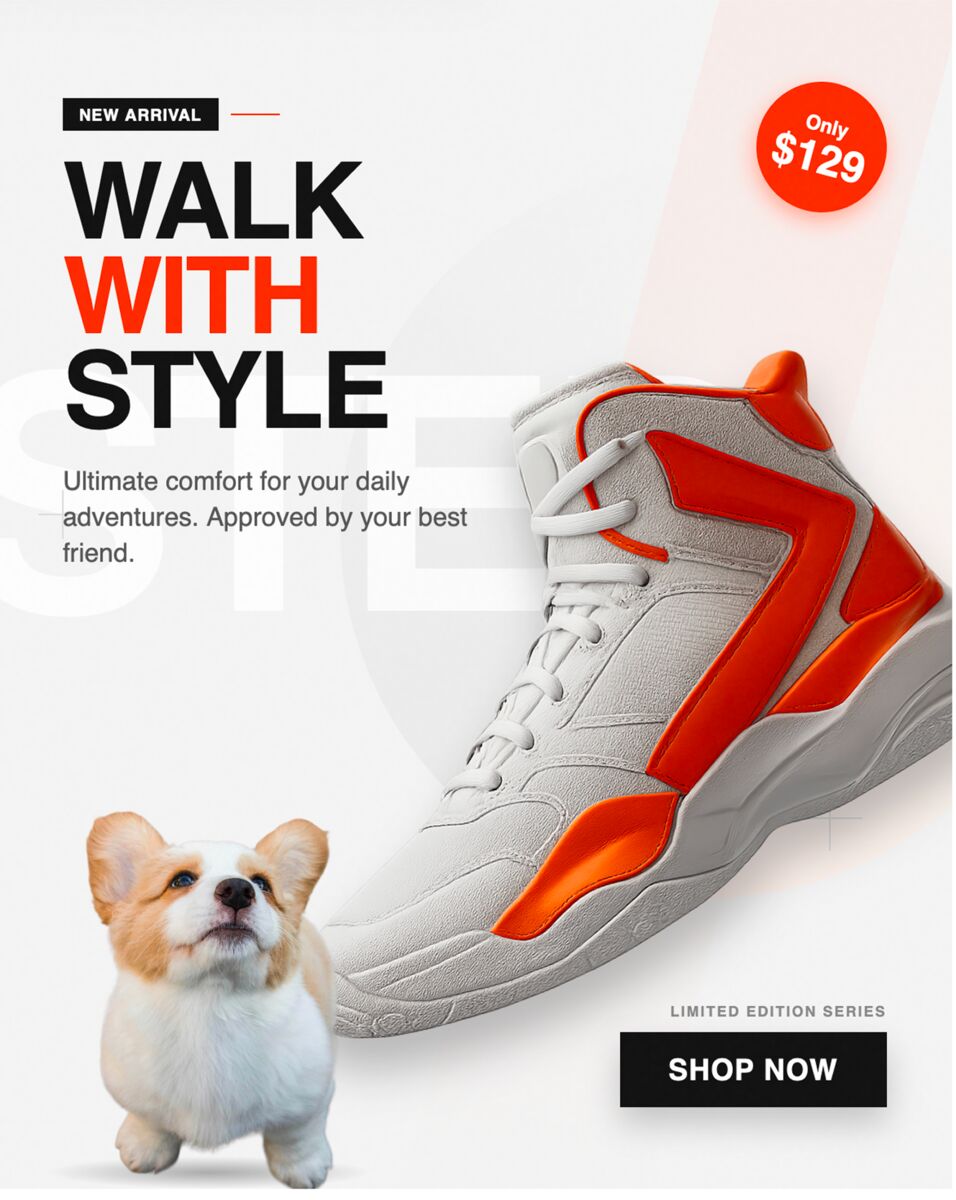
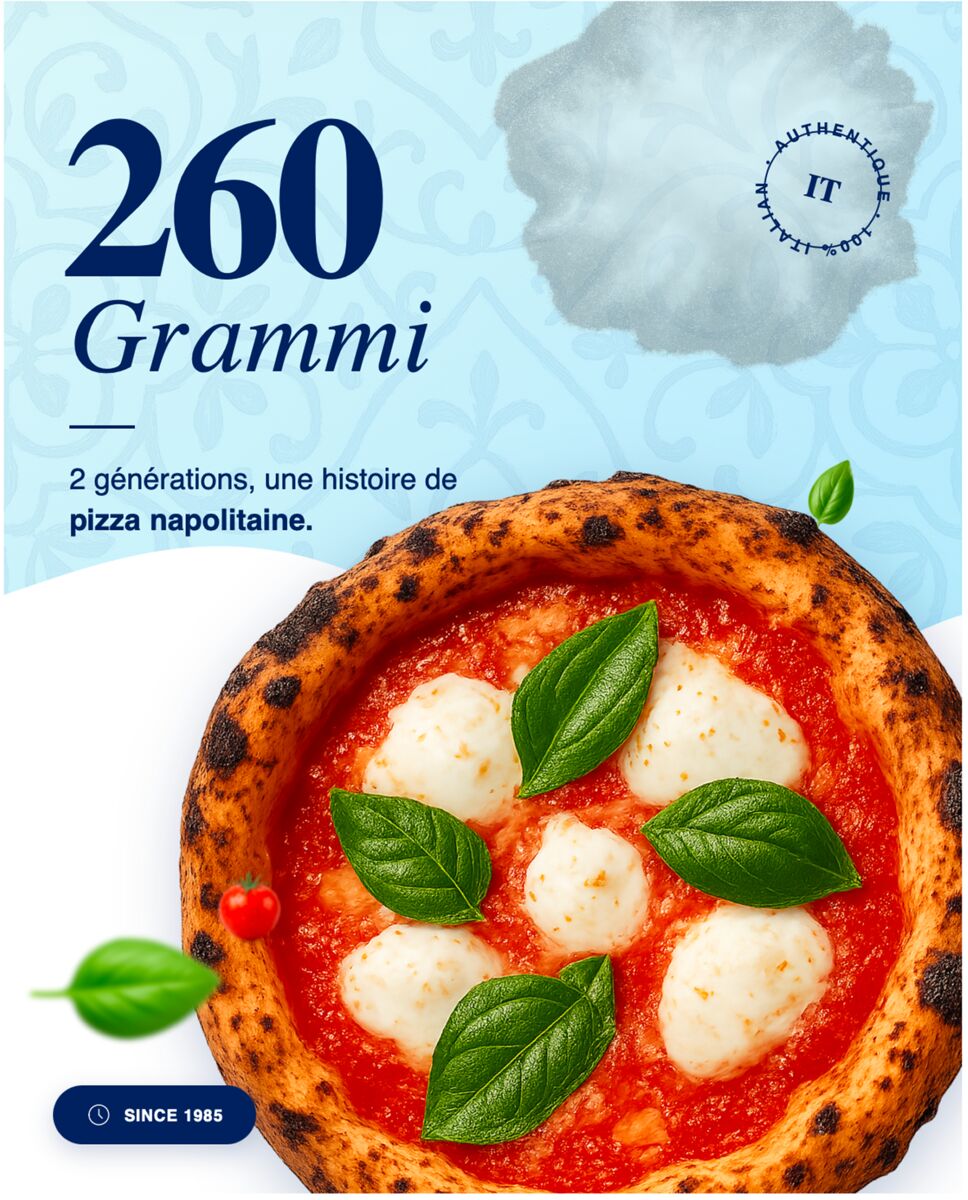


Ready to create your first design?
Join thousands creating professional designs in seconds.
Create with DesignLumo
Related Resources
Mother's Day Beverage Marketing Playbook
Tactical guide for alcohol brands to win Mother's Day sales and buzz.
Spring Launch Season Marketing & Design Playbook
Tactical guide for beverage brands to dominate spring launches.
Back to School Beverage Brand Playbook
Tactical guide for beverage brands to crush back‑to‑school sales with AI‑powered design.
Pinterest Power Tools for Alcohol Brands
Tactical toolkit to skyrocket beverage brand performance on Pinterest.
Facebook Content Ideas for Alcohol Brands
Tactical Facebook post, ad, and event ideas for beverage brands.
Email Design Playbook for Alcohol Brands
Tactical email visual ideas to boost booze brand sales.