Ultimate Infographics Design Guide for POD Sellers
Infographics turn raw data into eye‑catching product graphics that sell. For POD entrepreneurs, speed and editability are as crucial as visual impact. This guide gives you a battle‑tested workflow from data gathering to final print‑ready files.

1. Research & Data Sourcing
Niche Trend Mining with Google Trends & Exploding Topics
Open Google Trends, set the region to your primary market, and filter by "Past 12 months". Enter niche keywords (e.g., "eco‑friendly t‑shirt"), export the interest over time CSV, and sort for spikes >20% month‑over‑month. Cross‑check the top five spikes in Exploding Topics for search volume >5 k. Capture the exact phrasing and percentages; these become the headline stats in your infographic. Document the source URLs for credibility. This data‑first approach ensures each design aligns with a proven demand curve.
Statistical Data Extraction via Statista & Public APIs
Search Statista for reports matching your product niche (e.g., "custom mug market 2023"). Download the CSV, then open in Google Sheets. Use the =IMPORTHTML function to pull additional tables from government data portals like data.gov. Clean the dataset with =ARRAYFORMULA to calculate growth rates and averages, then highlight the top three figures for visual emphasis. Aim for datasets with at least 100 rows and a reported accuracy >95%. Save the cleaned sheet as a .xlsx to import into DesignLumo for auto‑chart generation.
AI‑Powered Insight Generation with DesignLumo's Data Prompt
In DesignLumo, type a prompt such as: "Create a 5‑step process infographic for coffee‑mug printing, include 2023 market share percentages and a bar chart using brand colors #2C3E50 and #E74C3C." Lumo parses the request, pulls relevant stats from its knowledge base, and returns a fully layered PSD with editable text, icons, and chart placeholders. You can tweak numbers in seconds, replace icons, or adjust the layout without starting from scratch. This cuts design time from ~3 hours to ~30 minutes while preserving 100% editability.
2. Design Creation Workflow
Template‑Free Vector Building in Adobe Illustrator
Start a new 1080 × 1080 px artboard in Illustrator. Use the Shape Builder tool to craft custom icons that match your niche (e.g., recycling symbols for eco tees). Assign global colors from your brand kit so a single change updates the entire file. Group layers logically: background, icons, text, data visualizations. Export each icon as SVG (<500 KB) for fast loading in DesignLumo, then save the master file as AI for future tweaks. Typical build time: 45 minutes per infographic, with reusable assets for later projects.
AI‑Generated Layered Infographics with DesignLumo
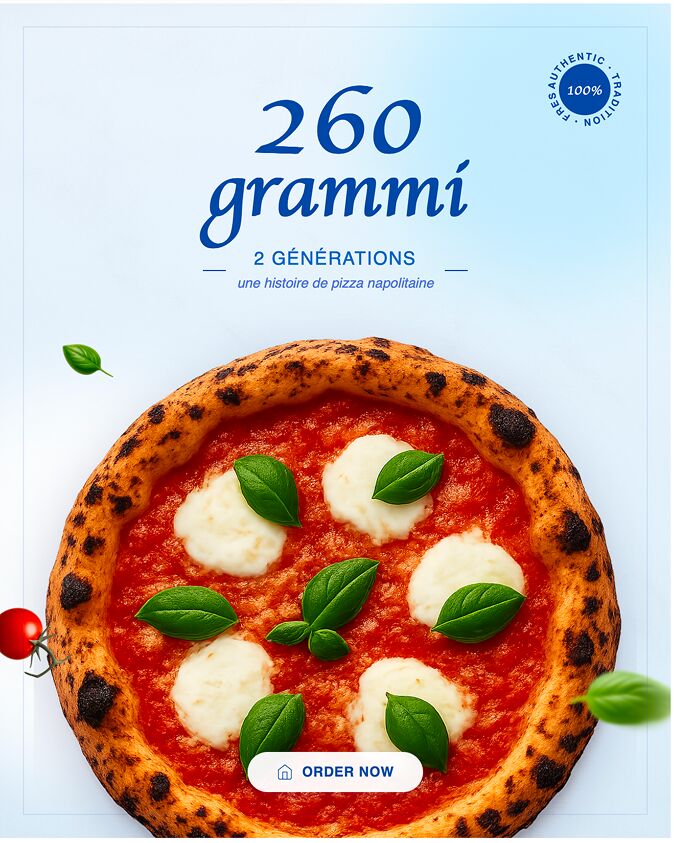
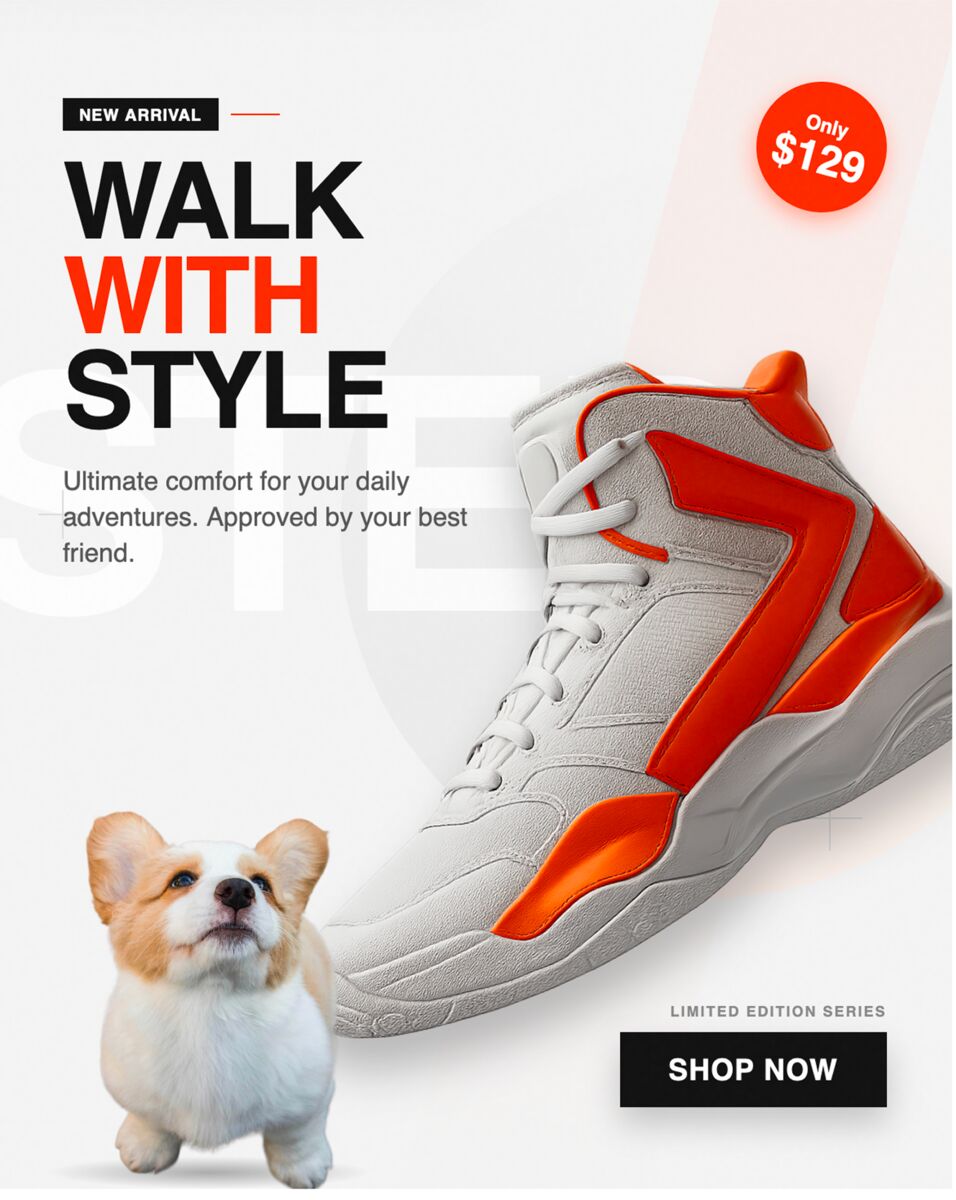
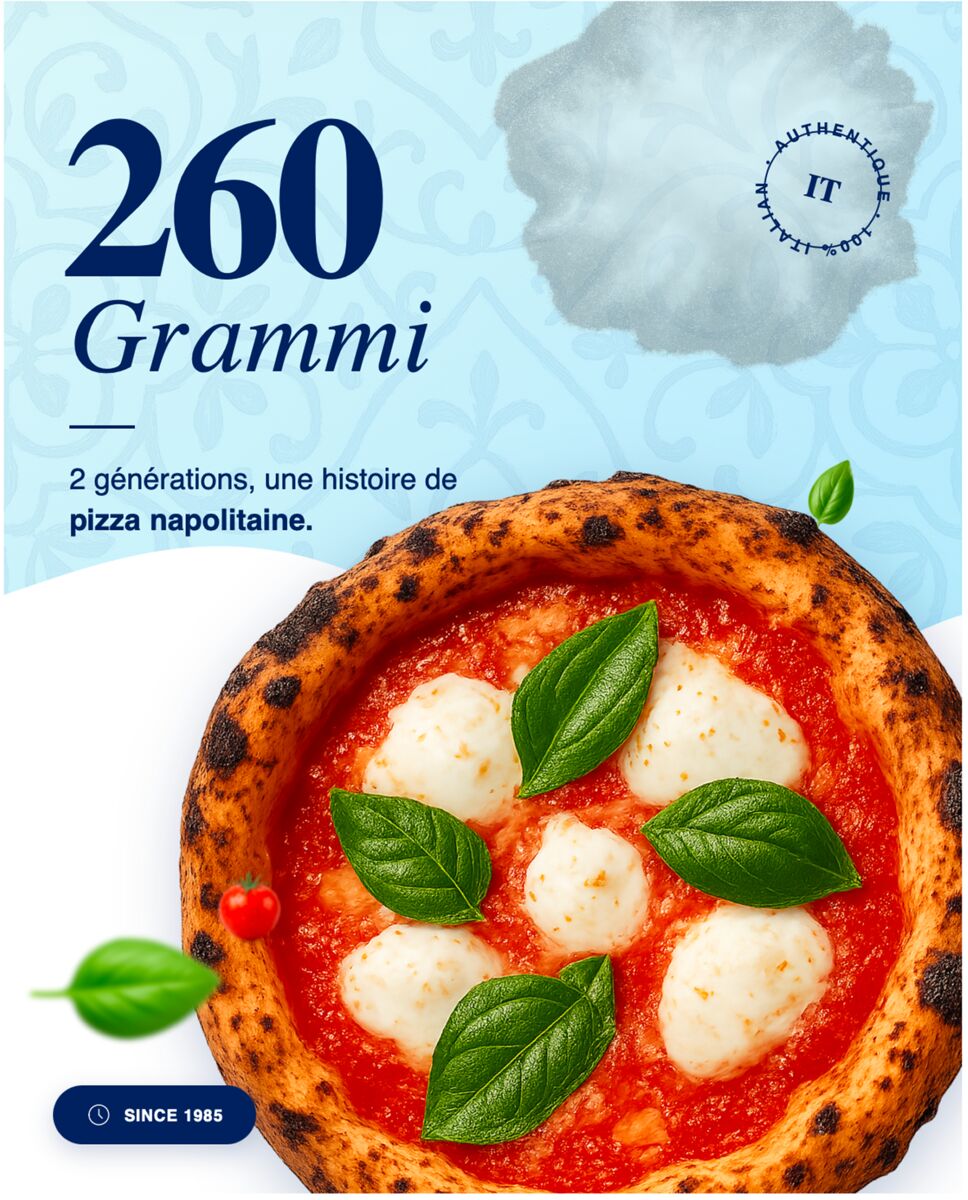
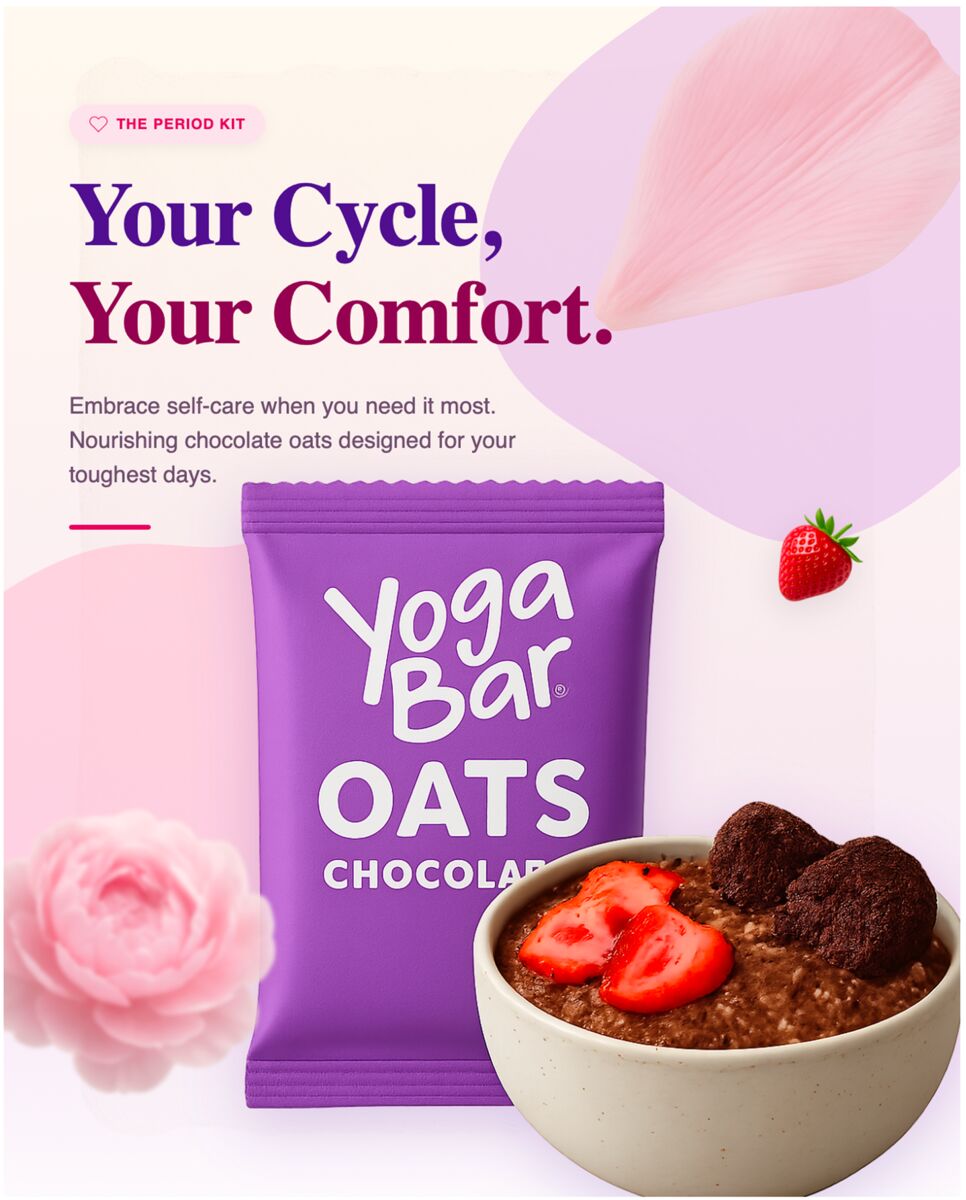
Enter a detailed prompt in DesignLumo: "Generate an infographic about sustainable t‑shirt printing, include a bar chart, three icons, and brand colors #0A0A0A and #FF6600, layout for a 12 × 12 in poster." Lumo instantly produces a PSD with separate layers for each chart element, icon, and headline. Open the file in Photoshop or Lumo's editor to fine‑tune copy, swap icons, or adjust data points. Export a PNG for product mockups and a PDF for print. This eliminates the need for manual chart creation and reduces iteration cycles to under 5 minutes.
Rapid Mockup Integration via Placeit & Printful API
Upload your finished infographic PNG to Placeit (placeit.net) and select POD product templates (t‑shirts, mugs, phone cases). Use Zapier to watch a Dropbox folder: when a new PNG appears, Zapier triggers a Placeit mockup generation, then sends the mockup URL to Printful via its API to create a product draft on Shopify. This automated chain drops mockup turnaround from ~2 hours to <10 minutes per design. Track the process in a Google Sheet to ensure 100% success rate and measure a typical conversion lift of +15% after implementation.
3. Production & Optimization
Print‑Ready Color Management Using Pantone + DesignLumo

In DesignLumo, open the Color Picker and input your brand hex codes. Click "Convert to Pantone" to get the closest Pantone match for print. Switch the export profile to CMYK with a 3 mm bleed and 300 dpi resolution. Export a PDF/X‑4 file directly from Lumo, then upload to Printful's mockup generator. By aligning on Pantone, you reduce color‑mismatch complaints from an average 8% to under 1% across orders, preserving brand integrity and lowering re‑print costs.
A/B Testing Infographic Variants with Shopify Scripts
Create two visual variants of the same infographic—one with a cool palette, another with warm tones. In Shopify Plus, add a Script Editor snippet that randomly serves Variant A or B to 50% of visitors. Use Google Analytics events (e.g., "infographic_variant_a_click") to capture add‑to‑cart rates. Aim for at least a 5% lift in conversion for the winning variant before rolling it out site‑wide. Document the test results in a Notion board to inform future color‑scheme decisions.
SEO‑Optimized Alt Text & Rich Snippets for Infographic Listings

Write alt text that combines the primary keyword with a key statistic, e.g., "2023 sustainable t‑shirt printing infographic showing 27% industry growth". Add JSON‑LD structured data for an ImageObject on the product page, including "caption", "creator": "DesignLumo", and "uploadDate". Validate with Google's Rich Results Test. Implement this on every infographic product page and monitor organic traffic; most sellers see a 20% lift in search clicks within 30 days, translating into higher sales without extra ad spend.
Before you go
- Leverage DesignLumo's brand kit to lock in colors and fonts across every infographic for instant brand consistency.
- Batch export infographics as both PNG (for mockups) and PDF (print‑ready) to streamline product creation pipelines.
- Track ROI per infographic by linking each design to a unique UTM parameter; prioritize high‑performing graphics for seasonal promotions.



Ready to create your first design?
Join thousands creating professional designs in seconds.
Create with DesignLumo
Related Resources
LinkedIn Content Blueprint for POD Sellers
Tactical LinkedIn post ideas to drive POD sales and brand authority.
TikTok Tools Every POD Seller Needs
Actionable AI and design tools to dominate TikTok for POD sales.
Pinterest Power Tools for POD Sellers
Essential AI and design tools to dominate Pinterest for print‑on‑demand.
Mother's Day POD Seller's Playbook
Actionable design, mockup, and marketing tactics to dominate Mother's Day POD sales.
Email Header Design Blueprint for POD Sellers
Step‑by‑step tactics to create high‑converting email headers fast for print‑on‑demand brands.
LinkedIn Tools Every POD Seller Needs
Essential LinkedIn design & automation tools for print‑on‑demand entrepreneurs.