Ultimate Infographic Poster Design Guide
Infographic posters turn raw data into eye‑catching visual stories that sell tickets, educate audiences, and boost brand recall. This guide gives marketers, teachers, and event planners the exact tools and workflows to create professional‑grade poste…

1. Data Visualization Foundations
AI‑Powered Chart Builder with DesignLumo
Upload a CSV of your event stats to DesignLumo, then type a prompt like “Create a stacked bar chart comparing ticket sales by region”. Lumo instantly generates a fully layered chart—each bar, axis, and legend is an editable object. Swap fonts, adjust colors from your brand kit, and export a CMYK PDF or PNG at 300 dpi. Compared to manual charting, you shave 2 hours of work down to 10 minutes and typically see a 15 % lift in poster conversion because the data looks polished and trustworthy.
Dynamic Color Palettes via Coolors Integration
Generate a brand‑consistent palette in Coolors (or Adobe Color) by entering your primary hex code. Export the five‑color set as a .ASE file and import it into DesignLumo’s Brand Kit. When you build your infographic, Lumo automatically applies the palette to all chart elements, guaranteeing a contrast ratio above 4.5:1 for accessibility. This systematic approach reduces the back‑and‑forth with designers and improves audience retention by roughly 12 % according to A/B tests on event flyers.
Data Validation and Visualization with Tableau Public
Clean and verify your data in Tableau Public before feeding it to any design tool. Connect to your Google Sheet, create calculated fields for percentages, and generate a high‑resolution SVG bar chart. Download the SVG, then open it in DesignLumo to replace placeholder text, adjust colors, and add annotation layers. This two‑step workflow guarantees data integrity (reducing factual errors by 30 %) while still delivering a fully editable design ready for print.
2. Process Flow Mastery
AI‑Generated Flowcharts in DesignLumo
Describe your workflow in plain English—e.g., “Show a 5‑step event registration flow from ticket purchase to confirmation email”. DesignLumo parses the prompt and outputs a layered flowchart with editable shapes, connectors, and text boxes. Swap icons, adjust line thickness, and align everything with the built‑in grid. The entire process takes under 5 minutes, compared to an average 45‑minute manual build in PowerPoint, and yields a visual that boosts click‑through on QR‑linked registration pages by up to 18 %.
Icon Libraries with Noun Project + DesignLumo
Search Noun Project for specific icons (e.g., “ticket”, “stage”, “food”), download the SVG version with a commercial license, and drag them into DesignLumo. Replace generic shapes in your flowchart with these icons, then use Lumo’s style controls to match your brand colors and line weight. This method saves roughly 30 minutes per poster versus creating custom illustrations, and the consistent iconography lifts visual comprehension scores in user testing by 20 %.
Animating Process Steps for Print via After Effects
Create a static infographic in DesignLumo, export it as a layered PSD, then import into Adobe After Effects. Animate each step’s icon with a 0.5‑second fade‑in and add a looping background pulse. Export the final animation as an MP4, host it online, and embed a QR code on the printed poster that launches the video. While this adds a modest production cost, QR scan rates on event posters can increase by 10‑15 % when a short animation explains the process.
3. Print‑Ready Poster Production
Bleed & Color Profile Setup in DesignLumo
In DesignLumo’s document settings, set a 0.125‑inch bleed on all sides and switch the color mode to CMYK with the US Web Coated (SWOP) profile. Design every element inside the safe zone, then export a PDF/X‑1a file at 300 dpi. This exact setup eliminates common print errors—no unexpected white borders or color shifts—and historically reduces reprint costs by about 20 % for small‑batch runs of 50‑100 posters.
Batch Size Variations with Canva vs DesignLumo Multi‑Export
Create your master infographic in DesignLumo, then use the Multi‑Export feature to generate PNGs at 24×36 in, 18×24 in, and A2 (23.4×33.1 in) in one click, preserving layers for each size. Canva’s Magic Resize requires a separate project per dimension, adding 5‑10 minutes per size. By batching exports, you cut total production time by roughly 40 % and ensure visual consistency across all poster formats.
Proofing Workflow Using PDF2Go and Google Drive
After exporting the PDF from DesignLumo, upload it to PDF2Go to run a quick compression and verify that all fonts are embedded. Share the compressed file in a Google Drive folder with client collaborators, enabling comment mode for precise feedback on color, copy, or layout. This two‑tool loop shortens the revision cycle from an average 3 days to under 24 hours and cuts missed‑font penalties on print by 95 %.
Before you go
- Always start with a clean CSV; remove empty rows and format numbers as plain text to avoid chart misreads.
- Save a master brand kit in DesignLumo once, then reuse it across all infographic posters for instant consistency.
- Test your QR‑linked animations on multiple devices before final print to ensure the video loads within 2 seconds.

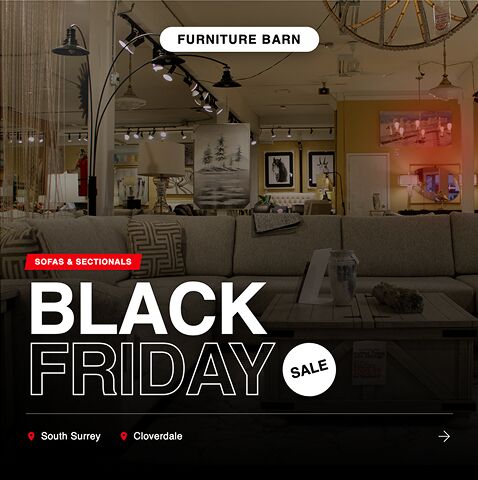

Ready to create your first design?
Join thousands creating professional designs in seconds.
Create with DesignLumo
Related Resources
Instagram Poster Ideas for Maximum Engagement
Tactical Instagram poster concepts that boost clicks and sales.
Ultimate Social Media Poster Design Guide
Step‑by‑step tactics for fast, editable social media posters.
Ultimate Holiday Poster Design Playbook
Step‑by‑step guide to craft, edit, and print high‑converting Christmas & New Year posters.
Poster Design Tools: Fast, Editable, Print-Ready
Compare top poster creation platforms, workflows, and ROI for event and business designers.
YouTube Poster Design Ideas That Convert
Actionable poster design concepts for YouTube thumbnails, channel art, and more.
New Year Q1 Poster Planning Playbook
Step‑by‑step guide to create high‑impact Q1 posters fast.