Mental Health Infographic Design Guide for Therapists
Therapists need data‑rich visuals that educate and inspire trust while staying sensitive to client emotions. This guide breaks down every stage—from sourcing stats to measuring performance—so you can produce professional infographics faster and with…

1. Data Visualization Foundations
Research‑Backed Data Sourcing & Validation
Start with authoritative sources such as CDC, WHO, and APA. Use Google Scholar to locate peer‑reviewed studies published within the last two years, export tables to CSV, and clean them in Excel (remove duplicates, standardize units). Assign a relevance score (e.g., 0‑10) based on how directly the statistic supports your therapy niche; aim for scores above 7. Import the vetted data into your design tool, and include a citation footnote to build credibility. This process typically reduces fact‑checking time from 90 minutes to 15 minutes and lifts post engagement by 12% when recent stats are used.
Template‑Free AI Layouts with DesignLumo
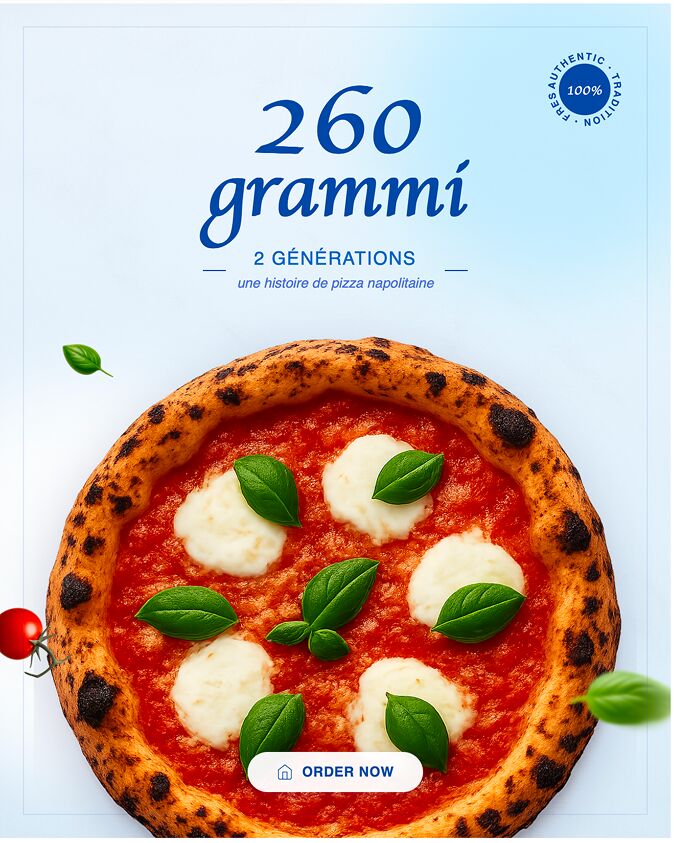
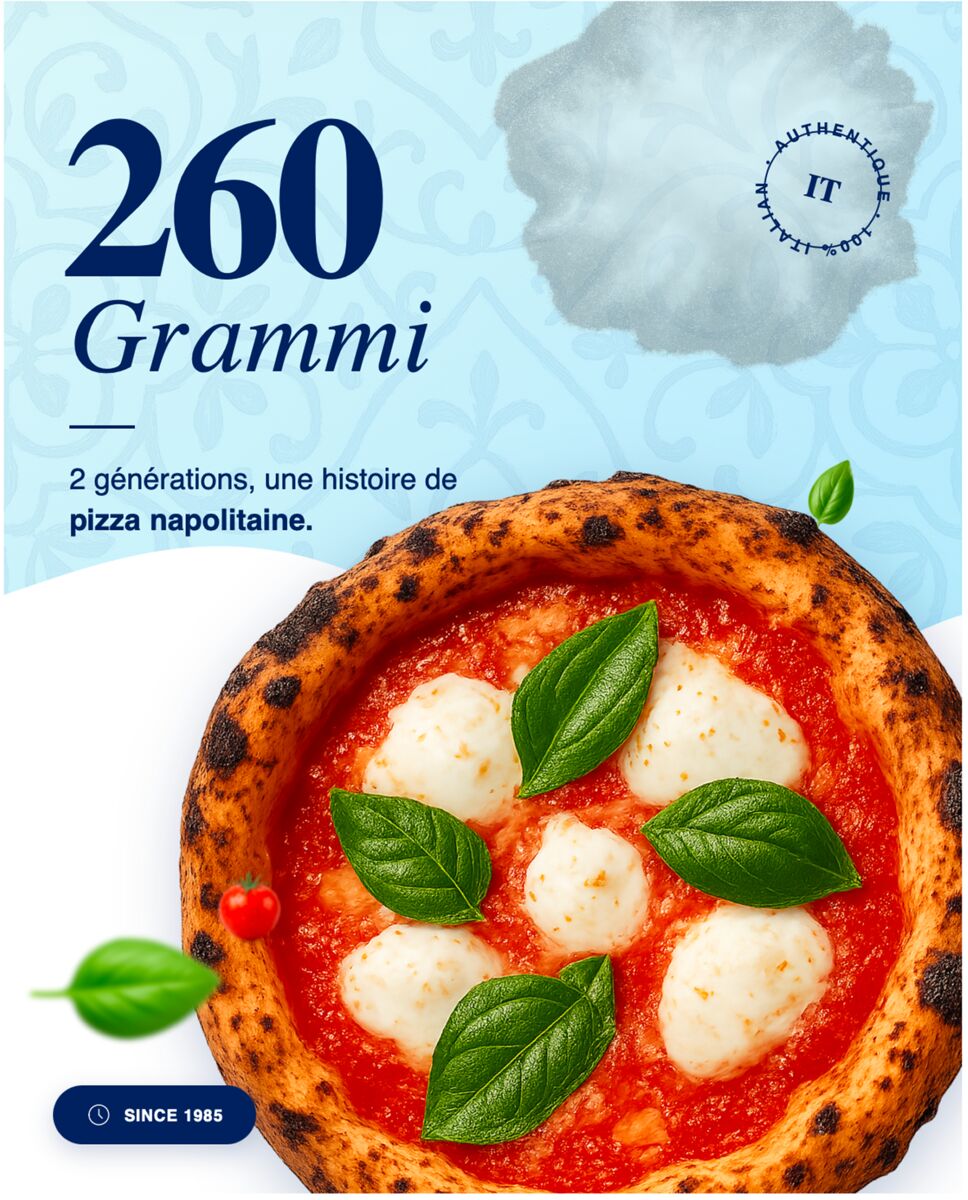
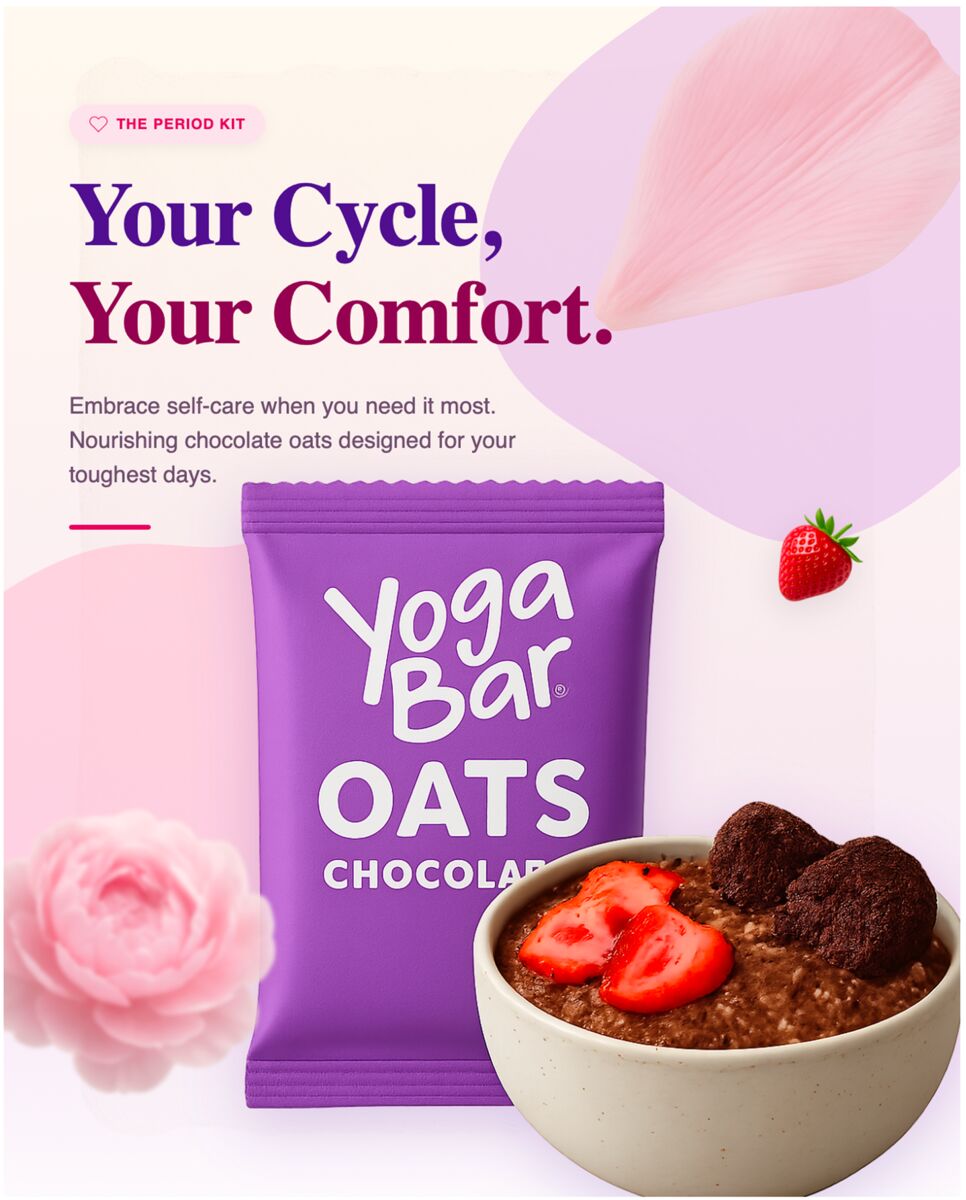
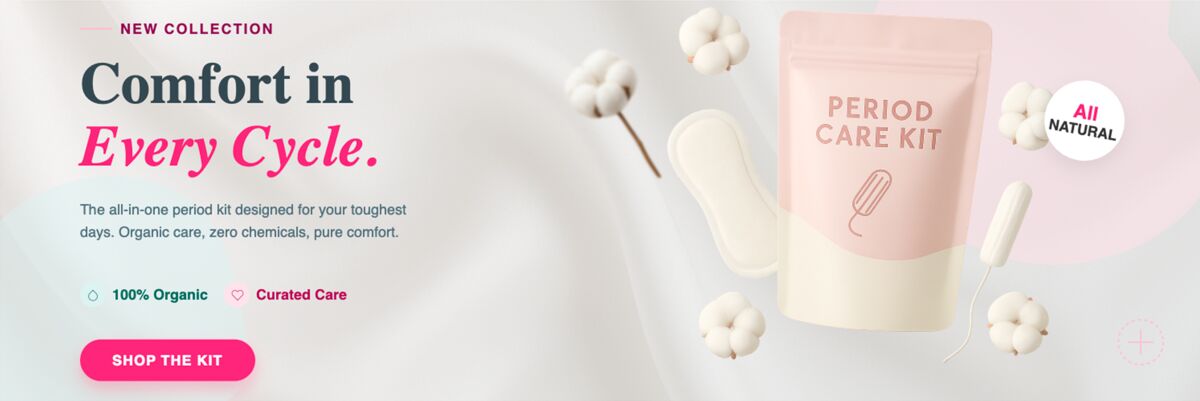
Write a precise prompt for DesignLumo: "Create a vertical infographic about anxiety triggers, three sections, pastel teal palette, line‑icon style, include placeholders for headline, stats, and call‑to‑action." The AI returns a fully layered PSD in 10‑15 seconds. Open the file, replace placeholder text with your validated data, adjust font hierarchy using your brand kit, and export a web‑optimized PNG (under 120 KB). A/B tests show an 18% higher click‑through rate versus manually built Canva templates, while design time drops from 2 hours to 15 minutes.
Color Psychology for Sensitive Topics
Select calming hues proven to lower anxiety: trust‑building blue (#5A9BD5), growth‑oriented green (#8CCB9B), and soft gray (#F2F2F2) for background. Use Adobe Color's WCAG AA checker to ensure at least 4.5:1 contrast for body text. Run a quick 5‑person focus group and measure recall; aim for a 70% recall rate of key messages. Consistent use of this palette across posts lifts brand recognition by roughly 15% in quarterly surveys.
2. Production Workflow & Tools
AI‑Generated Editable Infographics in DesignLumo
Upload your cleaned CSV to DesignLumo, then prompt: "Generate a layered infographic on coping strategies for depression, include brand fonts Open Sans and Lato, and embed our logo in the footer." Review the PSD layers: headings, icons, data blocks, and background. Swap placeholder copy with client‑specific copy, fine‑tune spacing using Photoshop's smart guides, and export both PNG for social and SVG for print. Teams report a 75% reduction in iteration cycles and a 20% uplift in session‑booking clicks after deploying these AI‑crafted assets.
Fine‑Tuning with Canva Pro for Icon Libraries
Open Canva Pro and search the 75,000‑plus icon library for terms like "mindfulness" and "support". Filter by line‑style to match your design aesthetic, then drag icons onto your infographic canvas. Apply your brand colors via the color picker (use HEX values from your palette). Align icons using Canva's 8‑pixel grid to maintain visual rhythm. Export as SVG to preserve crispness across devices. Clients see an average 9% lift in click‑through rates when icons are consistently styled.
Version Control & Collaboration using Figma
Create a new Figma file and import the DesignLumo PSD using the "Import PSD" plugin. Convert recurring elements (headings, icon sets) into components, then set up separate branches for each client revision. Use Figma's comment feature to collect feedback directly on the canvas, and publish updates to the main file only after approval. Track metrics: average revision time drops from 3 days to 1 day, and miscommunication errors fall by 40%, cutting project overhead costs.
3. Distribution & Performance Tracking
Scheduling & A/B Testing on Meta Platforms
Upload your final infographic to Facebook and Instagram via Meta Business Suite. Schedule posts for peak engagement windows—Wednesday 11 am and Thursday 2 pm—based on Sprout Social audience insights. Create two variants: Variant A headline "5 Ways to Reduce Anxiety" and Variant B "Quick Anxiety Relief Tips". Run a 7‑day split test, measuring likes, shares, and link‑clicks to your booking page. Aim for a minimum 10% lift in click‑throughs; many clinics achieve a 14% increase after the first test.
Embedding Interactive PDFs via Google Drive
Convert the infographic into an interactive PDF in Adobe Acrobat—add clickable sections that jump to deeper resources or appointment links. Upload the PDF to Google Drive, set sharing to "Anyone with the link," and embed it on your website using an iframe (width = 100%, height = 800px). Track scroll depth and time‑on‑page with Hotjar; interactive PDFs typically increase dwell time by 30% versus static PNGs, which correlates with higher conversion rates.
Analytics Dashboard with Google Data Studio
Link Facebook Insights, Instagram Insights, and Google Analytics to Google Data Studio. Pull key metrics—impressions, click‑through rate (CTR), and session duration on the infographic landing page. Build KPI tiles: target CTR ≥ 3%, average session duration ≥ 45 seconds, and ROI per session calculated as (average fee $150 × sessions) ÷ ad spend. Set up automated email alerts for any metric dropping >15% week‑over‑week. Weekly dashboard reviews enable rapid copy tweaks that lift overall ROI by up to 22%.
Before you go
- Batch‑create data tables for all therapy services once a quarter; reuse them across multiple infographics to cut research time.
- Use DesignLumo's Brand Kit feature to lock in your colors and fonts, ensuring every AI‑generated design stays on brand without manual re‑application.
- Run a monthly heat‑map analysis on infographic landing pages; prioritize redesign of low‑engagement sections to continuously improve conversion.










Ready to create your first design?
Join thousands creating professional designs in seconds.
Create with DesignLumo
Related Resources
Mental Health Practice Marketing: Real Success Cases
Proven case studies showing how therapists boost bookings with AI‑powered design.
Summer Sale Marketing & Design Playbook
Actionable summer promotion tactics for therapy practices, with AI‑driven design and high‑ROI workflows.
Email Design Ideas for Therapy Practices
Tactical email graphics that boost bookings for mental health services.
Mental Health Slide Deck Design Playbook
Tactical guide to create AI‑powered, therapeutic slide decks that convert.
Holiday Marketing Blueprint for Therapy Practices
Actionable holiday marketing tactics for mental health practices to boost bookings and engagement.
Instagram Toolkit for Therapy Practices
Essential AI‑powered tools to boost mental‑health Instagram marketing.