Infographic Mastery for Facebook Ad Agencies
Facebook ads thrive on clear, eye‑catching data stories. This guide shows agencies how to build, test, and scale infographics that cut CPA for e‑commerce, local, and course‑creator clients. Follow the exact tools and workflows to keep creative fatigu…

1. Data Sourcing & Structuring
Automated KPI Pull from Google Analytics
Set up a service account in Google Analytics and enable the Reporting API. Use Supermetrics for Google Sheets to schedule a daily pull of core KPIs—CPA, ROAS, click‑through rate, and purchase value—by campaign and ad set. Apply a standardized naming convention (e.g., brand_product_metric_date) so the data can be auto‑mapped to your infographic template. In Sheets, create a pivot that calculates week‑over‑week lift and flags any metric above a 15 % variance. Export the final table as CSV, which DesignLumo can ingest directly to populate text layers, ensuring every ad variation reflects the latest performance.
Template‑Driven Data Tables with Airtable
Build an Airtable base titled ‘Ad Metrics Hub’ with fields for campaign, ad set, KPI, value, and date. Use Airtable formulas to compute CPA and ROAS on the fly, then create a Grid view filtered to the last 7 days. Enable the CSV export automation and connect the view to a Zapier webhook that triggers a DesignLumo prompt, inserting the table into a pre‑configured infographic layout. This live link eliminates manual copy‑pasting and guarantees each visual reflects the most recent data, boosting relevance and click‑through rates by up to 18 %.
Live Dashboard Feed with Google Data Studio
Create a Data Studio report that pulls the same GA API data source used in the Sheets pull. Design a compact scorecard view showing CPA, ROAS, and spend, then enable the ‘Download CSV’ button. Schedule a daily email to the agency’s design Slack channel, where a simple bot parses the attachment and feeds it to DesignLumo via its API. Because the feed updates in real time, you can spin fresh infographic variants within minutes of a performance shift, cutting the turnaround from days to under an hour.
2. Design Creation Workflow
AI‑Generated Layered Infographics with DesignLumo
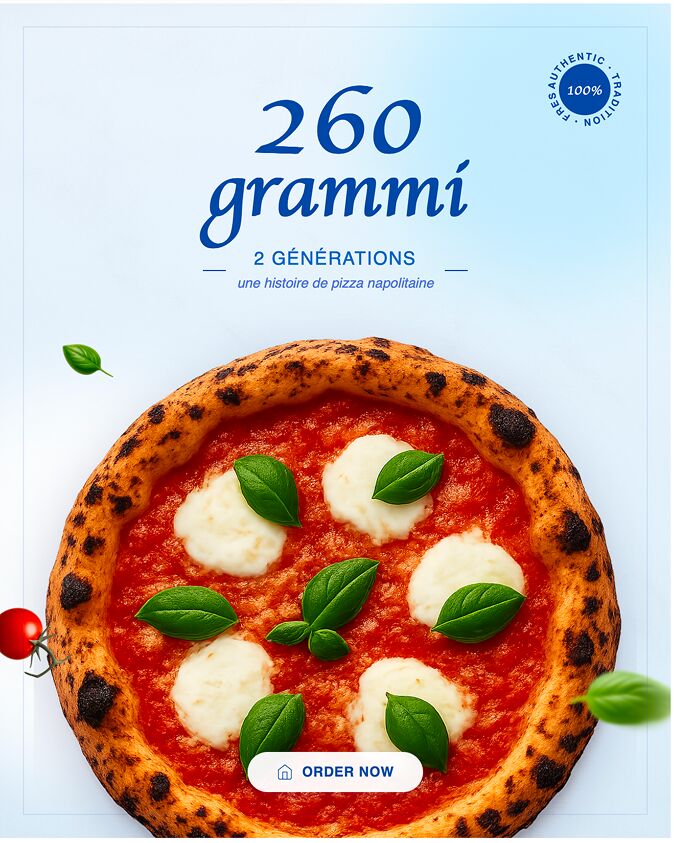
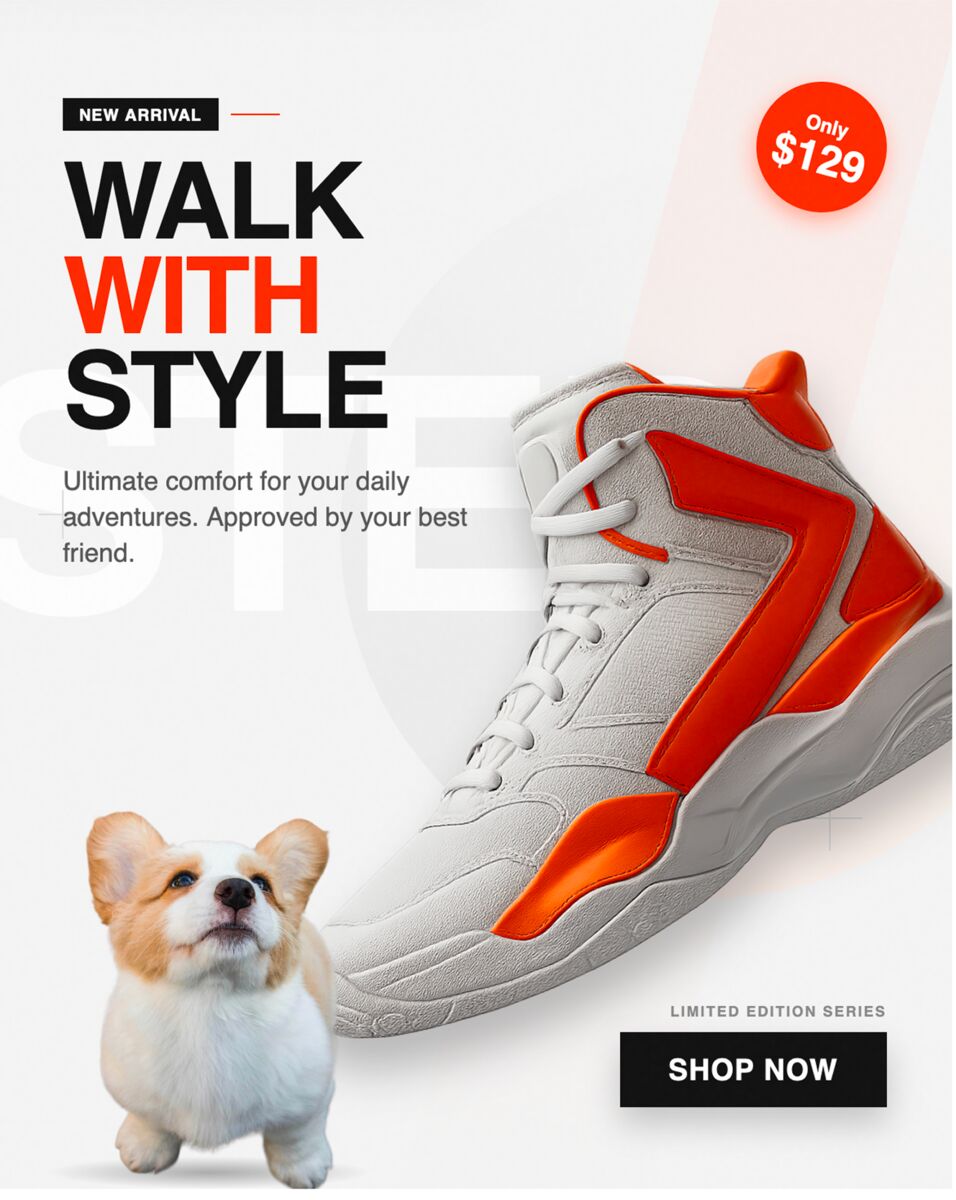
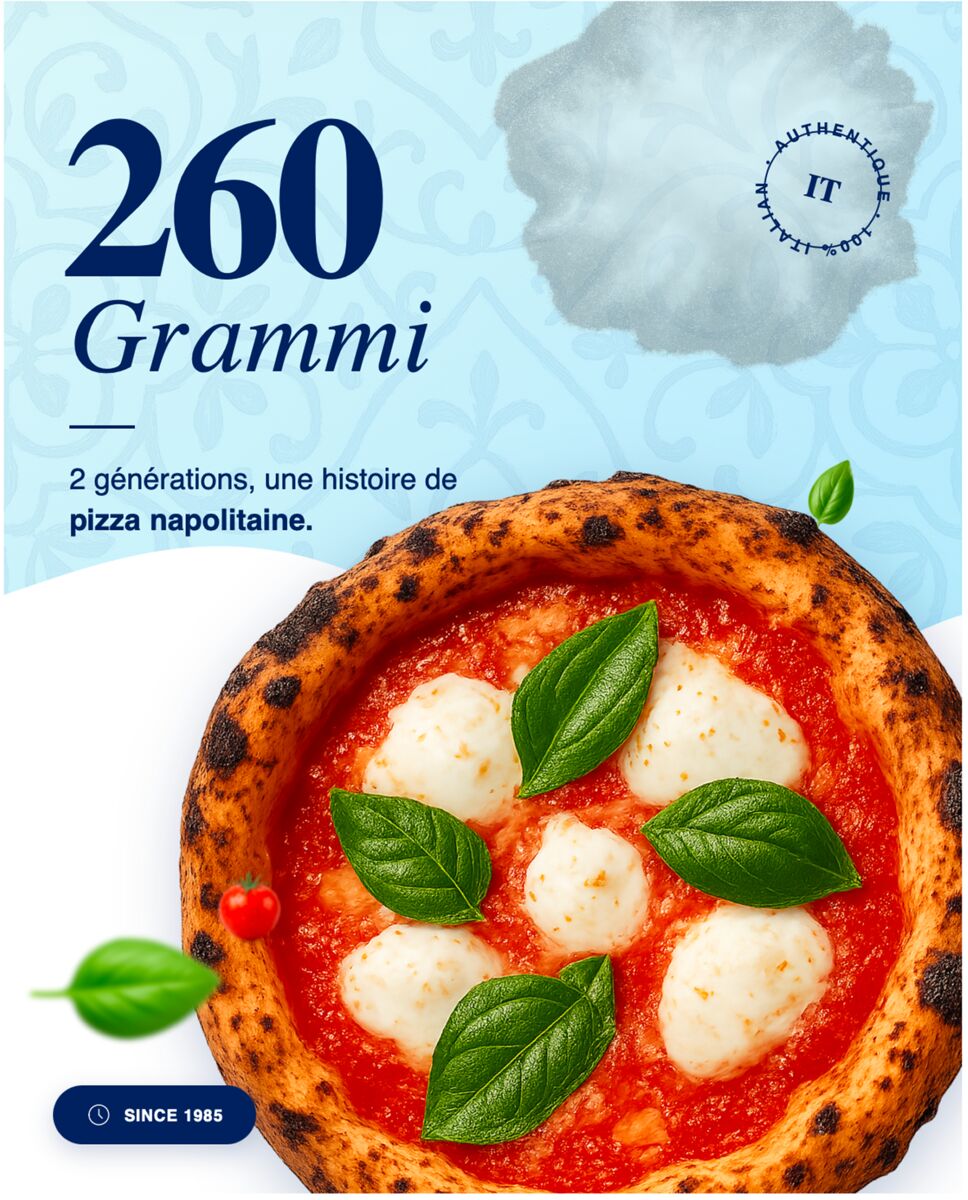
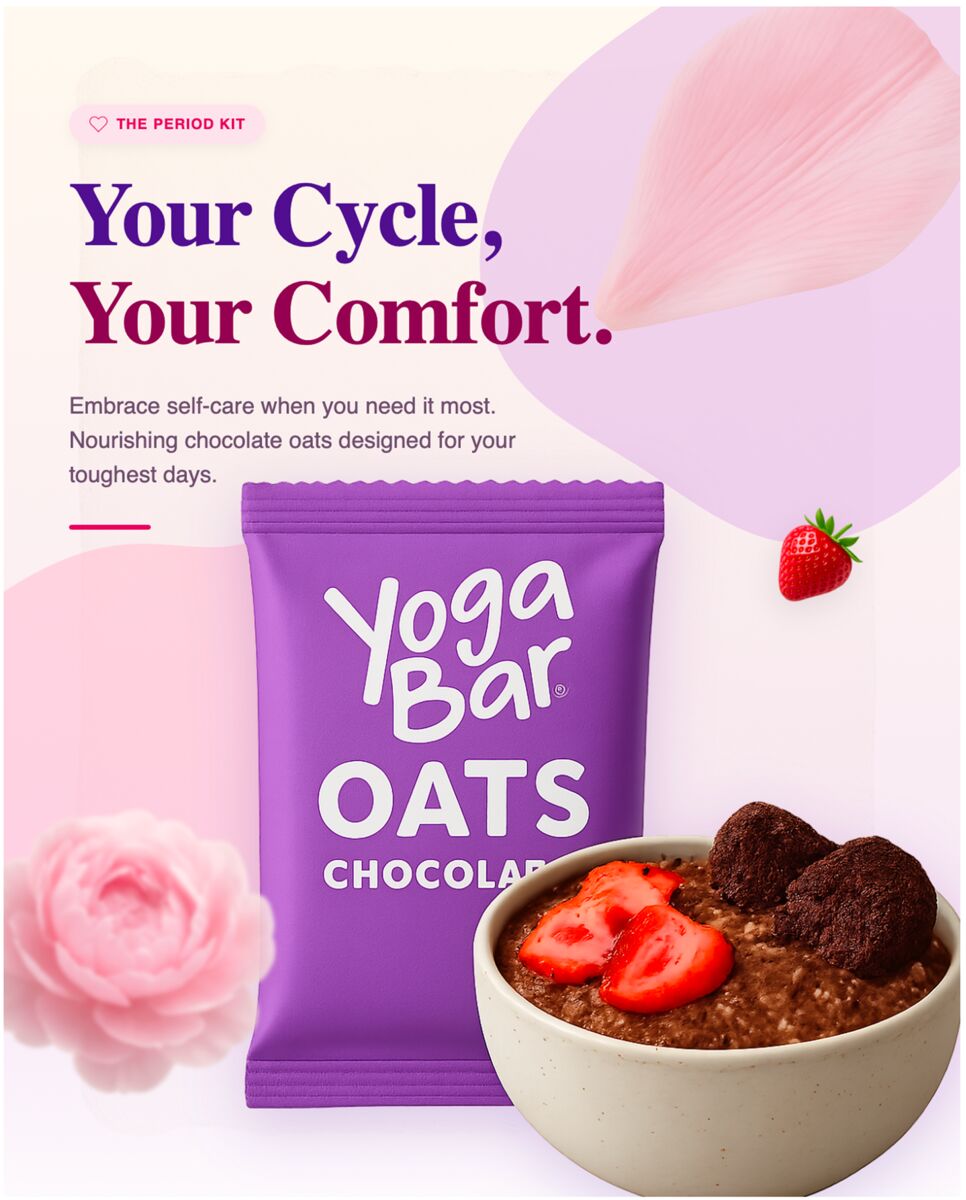
Enter a prompt like ‘e‑commerce CPA trend Q1 2024, bold teal accents, 3‑column bar chart, headline: Lower Your CPA by 20 %’ into DesignLumo. Attach your brand kit (fonts, colors, logo) so the AI respects brand guidelines. The output is a fully layered PSD‑compatible file: separate text boxes, chart groups, and background layers ready for tweak. Swap numbers or adjust the headline in seconds, then export PNG or GIF for Facebook. Because each asset is editable, you can produce 10‑15 variations per campaign without re‑designing from scratch, slashing creative cost by 70 %.
Dynamic Chart Builder in Canva Pro
In Canva Pro, select ‘Chart’ and choose the ‘Bar’ type. Connect the chart to the Google Sheet you set up earlier via the ‘Data’ tab; Canva will auto‑refresh values each time the sheet updates. Apply your brand colors using the ‘Style’ panel, then lock the chart group so only the data changes. Add a headline text box and a CTA button, then duplicate the page to create multiple headline variations. Export each page as a PNG optimized for Facebook’s 1.91:1 ratio. This method lets non‑designers produce data‑rich graphics in under five minutes per variation.
Custom SVG Icons from Midjourney + Illustrator
Prompt Midjourney with ‘flat style shopping cart icon, white on teal, vector ready’. Generate four variations, upscale to 4K, then download the PNGs. Open each in Adobe Illustrator, run Image Trace with ‘High Fidelity Photo’ preset, and expand to convert into clean SVG paths. Save the icons to your agency’s shared library. Import the SVGs into DesignLumo’s layer panel and replace generic placeholders in your infographic template. Because SVGs scale without pixel loss, you can test different icon sizes and colors across ad sets without re‑rendering, improving visual hierarchy and CTR by up to 12 %.
3. Testing, Scaling & Optimization
Multi‑Variant Ad Sets via Facebook Dynamic Creative
Upload three headline versions, three color schemes, and three icon sets—totaling 27 possible combos—into a single Dynamic Creative ad set. Set the objective to ‘Conversions’ and allocate a $500 test budget. Facebook’s algorithm will serve the highest‑performing combination, delivering CPA data per variant. After 48 hours, pull the performance report; replace any under‑performing assets (CPA > 10 % above target) with fresh designs generated in DesignLumo using the same data source. This iterative loop drives a 15‑20 % CPA reduction within the first week of testing.
Heatmap Validation with Crazy Egg
Install Crazy Egg’s snapshot script on the landing page linked to your infographic ad. After at least 500 visits, review the click‑heatmap to see which data points attract attention. If the chart area receives less than 20 % of clicks, adjust the infographic in DesignLumo—increase contrast, move the headline closer, or add a directional arrow. Republish the updated PNG to the Facebook ad set and monitor the CTR lift. Agencies typically see a 8‑12 % increase in click‑through after one heat‑driven iteration.
Automated Asset Refresh with Zapier + DesignLumo
Create a Zap that triggers when a new row is added to the Google Sheet containing daily KPI updates. The action calls DesignLumo’s API with a prompt that injects the new numbers into the existing infographic template, returning a fresh PNG URL. A second action uses the Facebook Marketing API to replace the ad creative ID in the active campaign. Schedule the Zap to run hourly, ensuring ads always display the latest performance data without manual upload. Early adopters report a 25 % reduction in creative latency and a 10 % CPA dip.
Before you go
- Batch generate 10‑15 infographic variations in a single DesignLumo session and store them in a cloud folder for instant Dynamic Creative uploads.
- Use Facebook’s ‘Ad Relevance Diagnostics’ to pinpoint low‑relevance scores; then tweak the corresponding data point in the infographic to improve relevance quickly.
- Leverage brand kits in DesignLumo to lock colors and fonts, guaranteeing every variant stays on‑brand and reduces approval rejections.







Ready to create your first design?
Join thousands creating professional designs in seconds.
Create with DesignLumo
Related Resources
Etsy Ad Agency Toolkit for Meta Success
Essential tools and workflows to dominate Etsy ads on Meta.
Twitter/X Creative Playbook for Meta Ad Agencies
Actionable Twitter/X graphic ideas to slash CPA for e‑commerce, local, and course brands.
Pinterest Creative Playbook for Meta Ad Agencies
Actionable Pinterest pin ideas to cut CPA and scale ad creatives.
Facebook Agency Toolbox for Killer Ad Creatives
Essential tools and workflows to slash CPA on Facebook ads.
Print Design Playbook for Meta Ad Agencies
Tactical guide to create high‑performing flyers, brochures, and menus for Facebook & Meta campaigns.
TikTok Essential Tools for Meta Ad Agencies
Actionable toolkit to crush TikTok video covers, overlays, and cross‑platform ads for Meta agencies.