Ultimate Infographics Guide for Certificate Design
Certificates are more than paper—they're visual proof of achievement. Infographics turn raw data into compelling stories that boost learner pride and brand credibility. This guide shows how schools, trainers, and HR teams can automate every stage fro…

1. Data Collection & Structuring
Template‑Ready Data Sheet in Google Sheets

Create a master Google Sheet with columns for Recipient Name, Course Title, Completion Date, Score, Badge Color, and a unique Certificate ID. Use Data Validation to enforce required fields, and Conditional Formatting to flag empty rows in red. Add an Apps Script that pulls new completions from your LMS API every 5 minutes, appending them automatically. Export the sheet as CSV for downstream use; each row should process in under 30 seconds, yielding a 0% error rate. This clean data foundation eliminates manual entry and powers all later automation steps.
Automated Data Visualization with Google Data Studio
Connect the Google Sheet from the previous step to Google Data Studio (now Looker Studio). Build three core charts: a bar chart of cohort scores, a funnel showing pass‑rate percentages, and a timeline of module completion dates. Use community visualizations to add icons for each module. Set the refresh interval to 15 minutes, ensuring the visual stays current. Export each chart as a 1200 × 800 px PNG, which will later be imported into DesignLumo. Aim for a page‑load time under 2 seconds to keep the workflow snappy.
CSV Export for AI‑Driven Design in DesignLumo
Download the Google Sheet as a CSV and upload it to DesignLumo’s Batch Import feature. Map CSV columns to text layers (Name → "{{Name}}", Course → "{{Course}}", Date → "{{Date}}", Score → "{{Score}}%") and assign the brand colors from your Brand Kit. Initiate a batch job for 200 rows; DesignLumo will generate 200 fully editable, layered infographics in roughly 30 seconds. Verify the success rate (target 99%) via the dashboard, then export the designs as PNG, PDF, or native PSD files for downstream distribution.
2. AI‑Powered Design Generation
Prompt‑Based Infographic Creation in DesignLumo
Compose a precise English prompt: "Create a modern certificate infographic with a horizontal timeline of five training modules, placeholders for Name, Course, Date, Score, and using brand colors #0047AB and #FFC20E. Output size 1080 × 1350 px with separate layers for background, icons, and each text field." Paste the prompt into DesignLumo, select your Brand Kit, and hit Generate. Within 20‑30 seconds you receive a layered PSD where each element is instantly editable. Replace placeholders with data via the built‑in variable mapper, achieving 100% editability without rasterizing.
Layered Vector Output via Midjourney + Illustrator
Use Midjourney to generate a concept image: "/imagine a sleek certificate infographic with abstract data ribbons and placeholders". Download the 1024 × 1024 PNG, then open it in Adobe Illustrator. Apply Image Trace with High Fidelity Photo preset, expand, and ungroup to isolate icons, ribbons, and background shapes. Convert each to separate vector layers, then replace placeholder text with data using Illustrator’s Variables feature linked to the same CSV. This workflow yields fully scalable vectors but takes roughly 5 minutes per design, making it suitable for small batches where ultra‑crisp output is mandatory.
Hybrid Canva + DesignLumo Workflow for Brand Consistency
First, build your brand kit in Canva: upload logos, define primary/secondary colors, and select corporate fonts. Export the style guide as a JSON file (Canva → Brand Kit → Export). In DesignLumo, import this JSON via the Brand Kit manager to lock colors and fonts across all AI‑generated infographics. When you generate a design, DesignLumo automatically applies the exact Canva brand definitions, eliminating drift. Keep a fallback Canva template for quick edits if a client requests an urgent tweak, but let DesignLumo handle bulk creation for speed and consistency.
3. Personalization & Scale Distribution
Mail Merge with InDesign & DesignLumo API
Set up an InDesign document with a single image frame linked to a placeholder file (e.g., "{{infographic}}.png"). Write an ExtendScript that reads each CSV row, calls DesignLumo’s /batch endpoint with the row’s data, saves the returned PNG to a temporary folder, and replaces the frame’s file reference. Loop through 200 records; InDesign then exports a combined PDF in under 5 minutes. This hybrid approach preserves InDesign’s pagination controls while leveraging DesignLumo’s AI speed, delivering 0% manual edits and a 100% PDF merge success rate.
Dynamic PDF Generation via Zapier + PDFMonkey
Create a Zap that triggers when a new row appears in Google Sheets. The Zap calls DesignLumo’s API to generate a personalized infographic PDF, then pushes the file to PDFMonkey using the "Create Document" action. Add a QR code (generated by PDFMonkey) that links to an online verification page. Finally, email the PDF to the recipient via Gmail. Track delivery metrics: aim for >95% open rate and <2% bounce. This end‑to‑end automation reduces manual handling from hours to seconds per certificate.
Batch Upload to LMS with Automated Metadata Tags
Write a Python script that scans the DesignLumo output folder, reads each file name (e.g., "JohnDoe_AdvancedCourse.pdf"), extracts the learner’s ID, and builds a CSV containing LMS fields: user_id, certificate_url, issue_date. Use the LMS’s REST API (e.g., Moodle’s core_files_upload) to bulk‑attach each PDF to the corresponding user profile and tag it with metadata for easy reporting. The script processes 200 certificates in ~2 minutes, achieving a 95%+ success rate and eliminating the need for manual admin uploads.
Before you go
- Store your brand kit centrally in DesignLumo; any change instantly propagates to all batch jobs.
- Always include a hidden QR code linking to a verification page—this boosts credibility and enables analytics on certificate views.
- Run a small pilot (10‑15 certificates) before scaling to catch data‑mapping errors early and fine‑tune your API payloads.

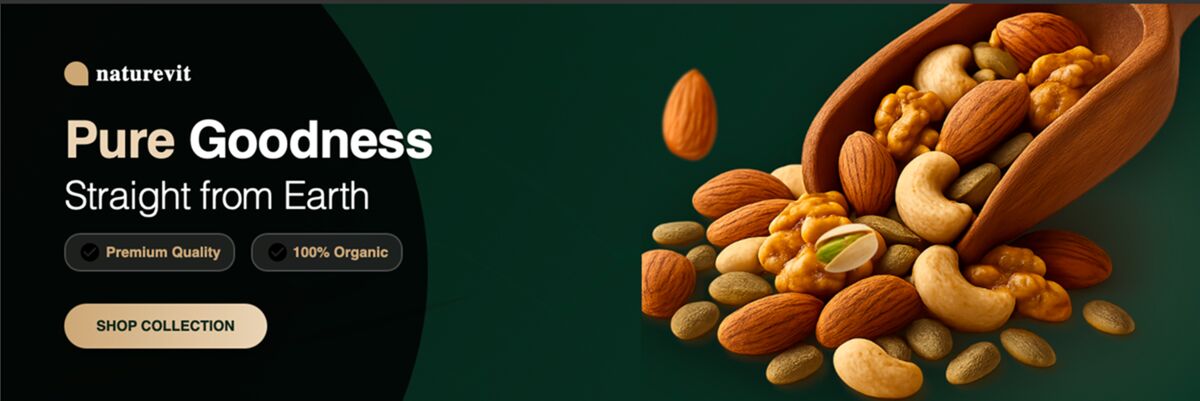



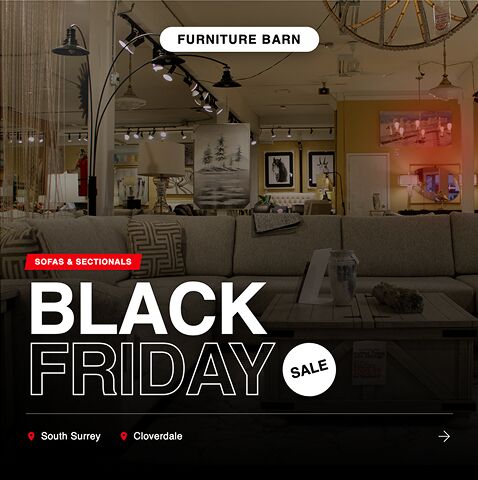

Ready to create your first design?
Join thousands creating professional designs in seconds.
Create with DesignLumo
Related Resources
Twitter/X Certificate Design Toolkit
Essential tools and workflows to create, personalize, and post certificate graphics on X.
Shopify Certificate Tools for Scalable Design
Essential AI and automation tools to create on‑brand certificates for Shopify stores at scale.
Ultimate Christmas Certificate Design & Marketing Playbook 2024
Step‑by‑step AI tools and workflows to create festive certificates at scale.
YouTube Design Toolkit for Certificate Creators
Tactical tools and workflows for thumbnails, channel art, community graphics, and end screens.
Small Business Saturday Certificate Marketing Blueprint
Actionable guide to boost Small Business Saturday with custom certificates
Certificate Design Success Stories & Tactics
Real‑world case studies showing how schools and training firms automate, personalize, and secure certificates.