University Event Poster Design Playbook
University marketers must churn out fresh, on‑brand posters for dozens of events each semester. A single eye‑catching design can boost ticket sales, donor engagement, and campus buzz. This guide breaks the process into repeatable, data‑driven steps.

1. Audience Insight & Concept Blueprint
Campus Pulse Survey
Deploy a 5‑question Google Form to a random sample of 200 undergrads and 100 alumni within 48 hours. Ask about preferred event themes, color palettes, and visual styles. Aim for at least 85% completion; use the built‑in analytics to rank the top three motifs. Translate those insights into a concise creative brief that drives all downstream design decisions, ensuring relevance and higher RSVP rates.
Trend‑Driven Keyword Mapping
Enter your event type (e.g., "career fair" or "homecoming") into AnswerThePublic and Google Trends simultaneously. Export the top 20 question‑based queries and regional interest spikes. Pair each keyword with a visual cue (e.g., "networking" → handshake icon). Feed the resulting list into DesignLumo prompts to generate concept sketches that align with current search intent, boosting organic click‑through when shared on social feeds.
Visual Moodboard Automation
Prompt Midjourney with the top three keywords from your mapping (e.g., "vibrant campus twilight, modern typography, inclusive crowd"). Generate 4‑6 high‑resolution concept images, then import them directly into Figma via the Midjourney plugin. Use Figma’s auto‑layout to arrange the images into a shareable moodboard link for stakeholder approval, cutting moodboard creation time from days to under an hour.
2. AI‑Powered Design Production
Instant AI Layout with DesignLumo
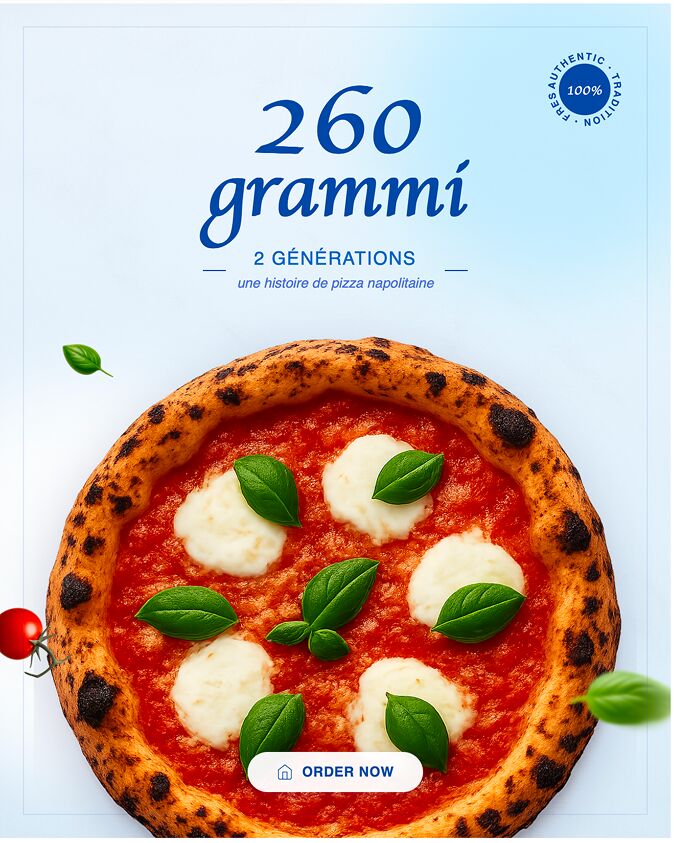
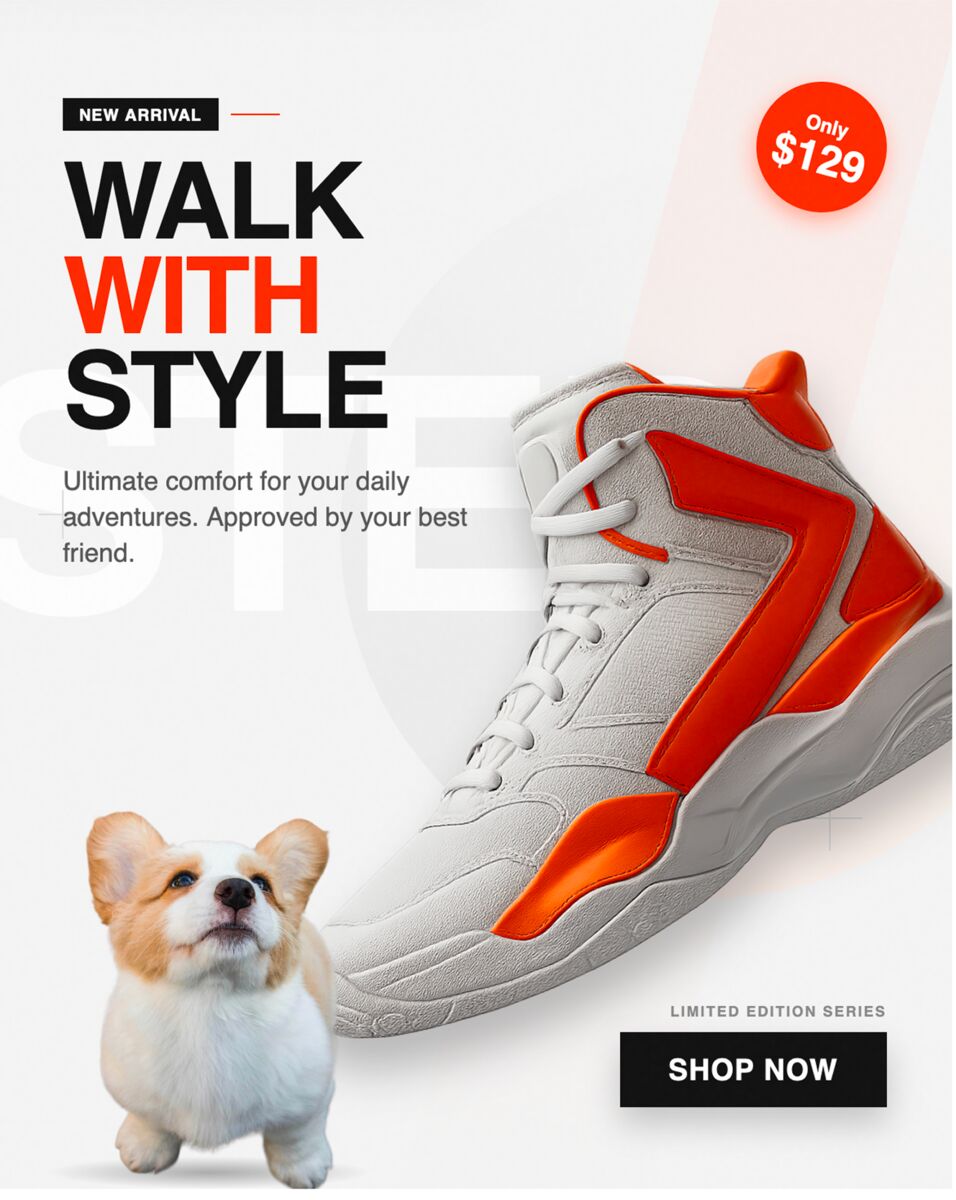
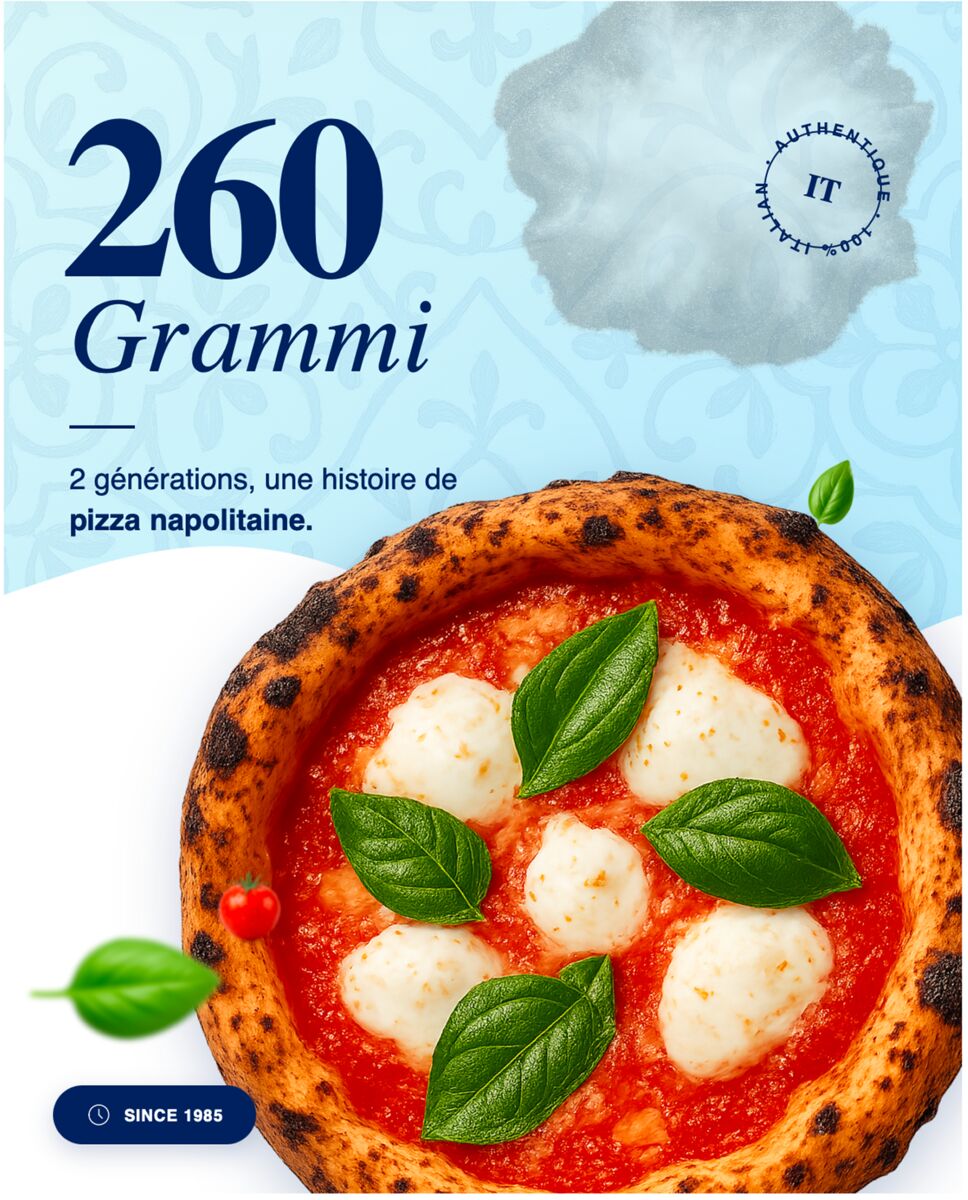
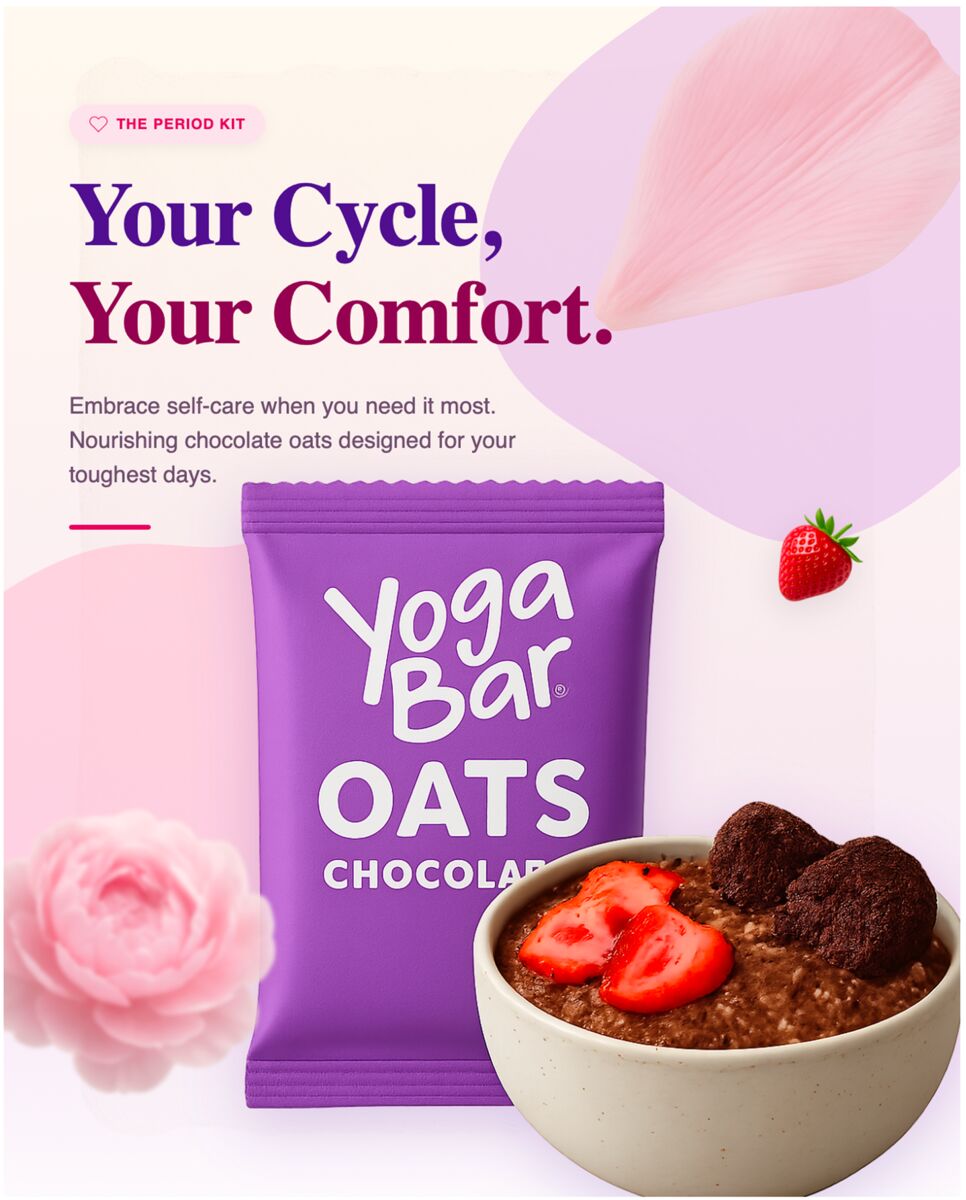
Type a plain‑English prompt into DesignLumo like, "Create a 24×36 inch poster for a spring music festival, featuring teal and gold accents, bold sans‑serif headline, and space for QR code at bottom right." Within seconds you receive a fully layered PSD with editable text, color swatches, and image placeholders. Apply your university Brand Kit to lock colors and fonts, then export to PNG for social or PDF for print, saving 6‑8 hours of manual layout work.
Layered Template Mastery in Canva
Start with Canva’s free "Event Poster" template, then replace each placeholder with the DesignLumo layers to retain editability. Use Canva’s brand kit sync to enforce university colors. Export the final design as a PDF/X‑1a for high‑resolution printing, and as an MP4 for animated Instagram Stories. Track the time saved versus building from scratch—typically a 40% reduction in production hours.
Collaborative Refinement in Figma
Import the DesignLumo PSD into Figma using the PSD import plugin. Invite department heads, student org leaders, and the donor relations team to comment directly on layers. Leverage Figma’s version history to revert any unwanted changes, and use the auto‑layout grid to ensure consistent spacing across multiple poster sizes (e.g., 11×17, 24×36). This collaborative loop cuts stakeholder approval cycles from 4‑5 days to 1‑2 days.
3. Multi‑Channel Publishing Workflow
Scheduled Social Boost via Buffer
Upload the final PNG to Buffer, set custom posting times for Instagram (7 PM), Facebook (12 PM), and Twitter (9 AM) based on your campus audience’s peak engagement windows (derived from past analytics). Attach UTM parameters (utm_source=facebook&utm_medium=poster&utm_campaign=homecoming2026) generated in Google’s URL Builder. Buffer’s analytics will report reach and click‑through per platform, letting you attribute attendance lift to each channel.
Campus Digital Signage Sync with ScreenCloud
Export a high‑resolution PDF from DesignLumo, then upload to ScreenCloud’s dashboard. Schedule the poster to rotate on all campus LCDs during the two weeks before the event, using the built‑in geo‑targeting to prioritize high‑traffic zones like the student union and library. ScreenCloud’s impression counter provides real‑time display counts; aim for a minimum of 150,000 total impressions to correlate with a 12% rise in ticket scans.
Print‑Ready PDF Export and QR Code Integration
Generate a 300 dpi PDF in DesignLumo, embed a QR code that links to the event’s Eventbrite page (use QR Code Monkey for custom colors matching your brand). Verify the QR size meets 1 cm minimum for scannability. Print 500 copies via the university’s in‑house press; track redemption by comparing Eventbrite ticket sales against QR scan analytics, targeting at least a 5% conversion from on‑campus prints.
4. Data‑Driven Poster Optimization
UTM Tagging & Google Analytics Dashboard
Create a custom GA4 dashboard that aggregates sessions, conversions, and bounce rates from all UTM‑tagged poster links. Set up a goal to count “Ticket Purchase” events triggered on the Eventbrite checkout page. Compare performance across platforms weekly; if Facebook’s CTR drops below 1.2%, re‑allocate budget to Instagram where the same poster yields a 2.1% CTR. This data loop informs real‑time spend adjustments.
A/B Poster Testing with Facebook Ads Manager
Duplicate the same event promotion as two separate ad sets, each using a different DesignLumo‑generated visual variant (e.g., Variant A: teal background; Variant B: gold gradient). Keep copy identical and budget equal at $200 per set for 7 days. Use Facebook’s split‑test report to identify the winner by lowest cost‑per‑link‑click (target < $0.30). Roll the winning creative across organic posts for consistency.
Post‑Event Survey Loop with Typeform
After the event, email attendees a 3‑question Typeform asking how they discovered the event and how appealing the poster was on a 1‑5 scale. Include a hidden field that captures the UTM source. Aim for a 30% response rate; analyze the data to calculate a Poster Effectiveness Score (PES) = (average appeal rating) × (conversion rate). Use the PES to prioritize design elements for the next cycle.
Before you go
- Leverage your university’s Brand Kit in DesignLumo to enforce colors and fonts automatically across every poster.
- Batch‑generate multiple size variants (digital, print, Instagram Story) in one DesignLumo prompt to maintain visual consistency and save hours.
- Always embed UTM parameters before publishing; without them you lose the ability to attribute attendance to specific poster placements.




Ready to create your first design?
Join thousands creating professional designs in seconds.
Create with DesignLumo
Related Resources
University Marketing Success Stories & Case Studies
Tactical case studies showing how colleges boost admissions, events, and donations with AI design.
LinkedIn Toolkit for College Marketing Success
Tactical LinkedIn design tools and workflows for admissions, events, and alumni outreach.
College Marketing Creative Workflow Blueprint
Actionable AI‑driven design process for admissions, events, and alumni outreach.
Summer Sale Playbook for Campus Marketing
Actionable tactics, AI design tools, and ROI metrics for summer campus promotions.
Ultimate Infographics Guide for University Marketing
Step‑by‑step tactics to create data‑rich, process‑flow and storytelling infographics for admissions, events, and fundraising.
Spring Launch Marketing & Design Playbook
Actionable guide for university spring collection launches, visuals, and campaigns.