Pinterest Event Poster Playbook for Agencies
Pinterest agencies need fast, brand‑consistent posters that convert. This playbook delivers a step‑by‑step system for ideation, production, and performance testing. Every tactic is backed by exact tools and measurable metrics.

1. Rapid Ideation & Concept Generation
AI Prompt Library for Event Themes
Build a shared spreadsheet of 50+ pre‑tested prompts that describe event style, color palette, and typography. Use DesignLumo (https://www.designlumo.com) to feed each prompt, generating three layered poster concepts in under 10 seconds. Tag each output with a unique ID, then log projected click‑through rates (CTR) based on historic data (e.g., 0.45% for "summer festival" prompts). Rotate the top‑performing prompts weekly, and archive low‑performers to keep the library lean and data‑driven.
Moodboard Automation with Pinterest Lens + Canva
Capture trending visual cues by scanning competitor pins with Pinterest Lens, then auto‑save results to a Canva board. In Canva, apply the "Brand Kit" feature to instantly apply your client’s fonts and colors. Export the board as a PDF, then use it as a reference for the AI prompt library. Track the moodboard’s impact by measuring the increase in saved pins after implementation—aim for a 15% lift within the first month.
Midjourney Texture & Background Prototypes
Run Midjourney (https://www.midjourney.com) with concise commands like "vibrant neon festival backdrop, 4k, vertical" to produce high‑resolution textures. Export the PNGs, then import into DesignLumo to overlay editable text layers. Save each texture as a reusable asset in your agency’s asset library. Measure success by tracking the average engagement time on pins that use these custom backgrounds versus stock images—target a 20% longer dwell time.
2. Production‑Ready Editable Posters
DesignLumo Layered Poster Generator
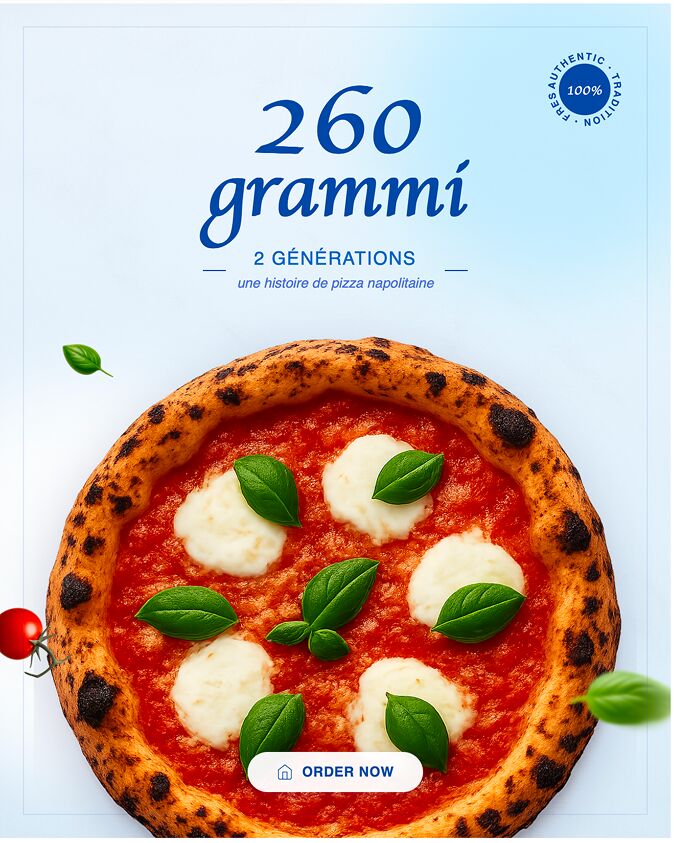
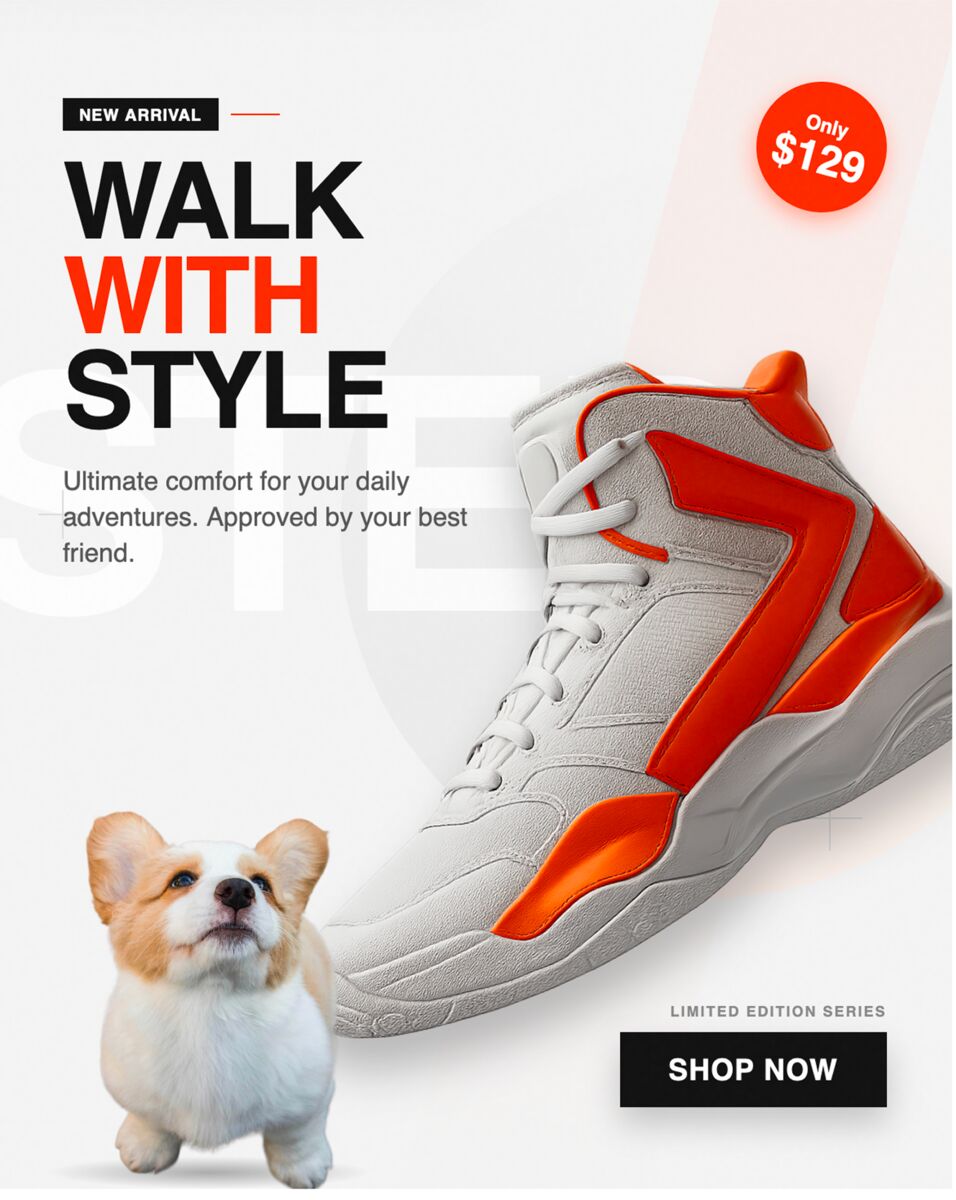
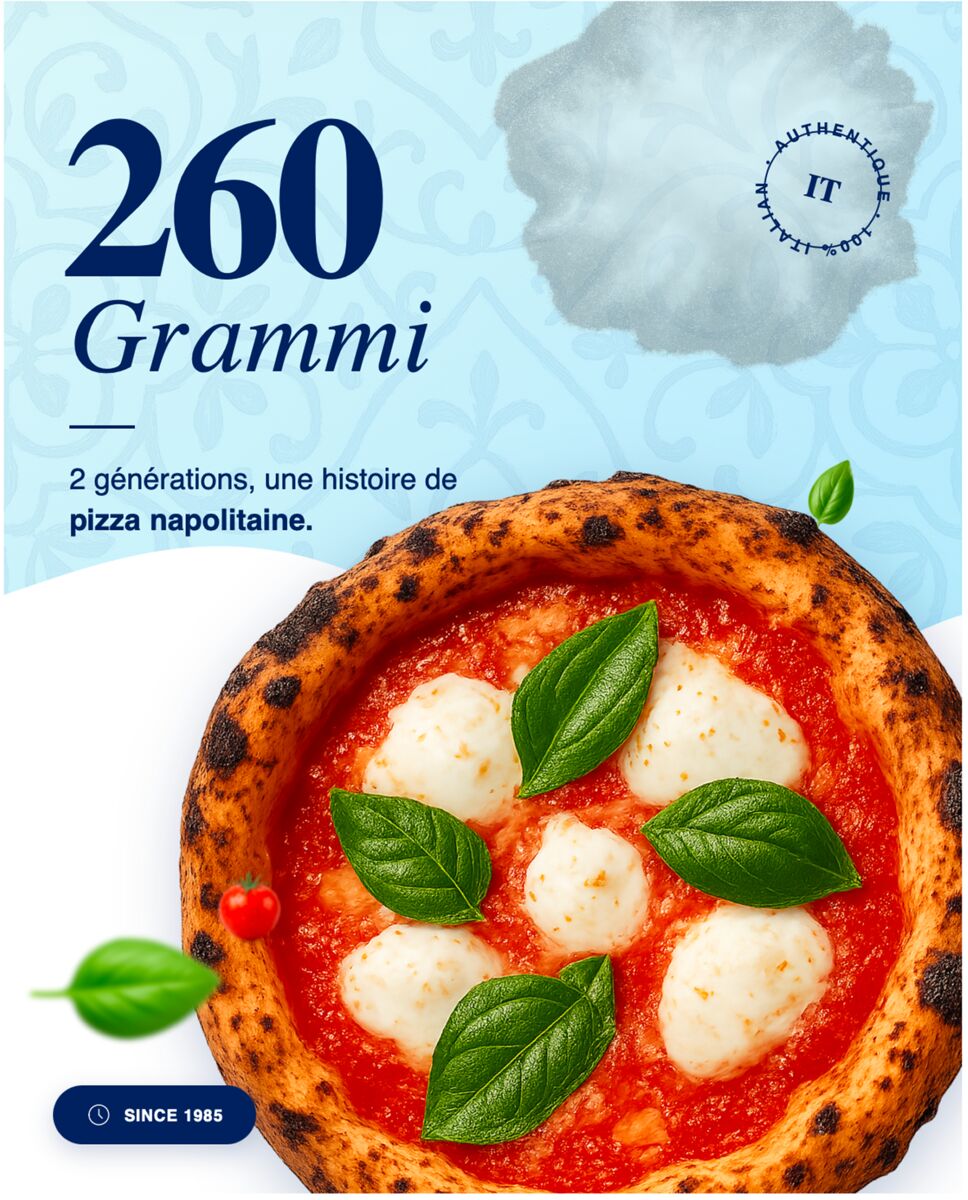
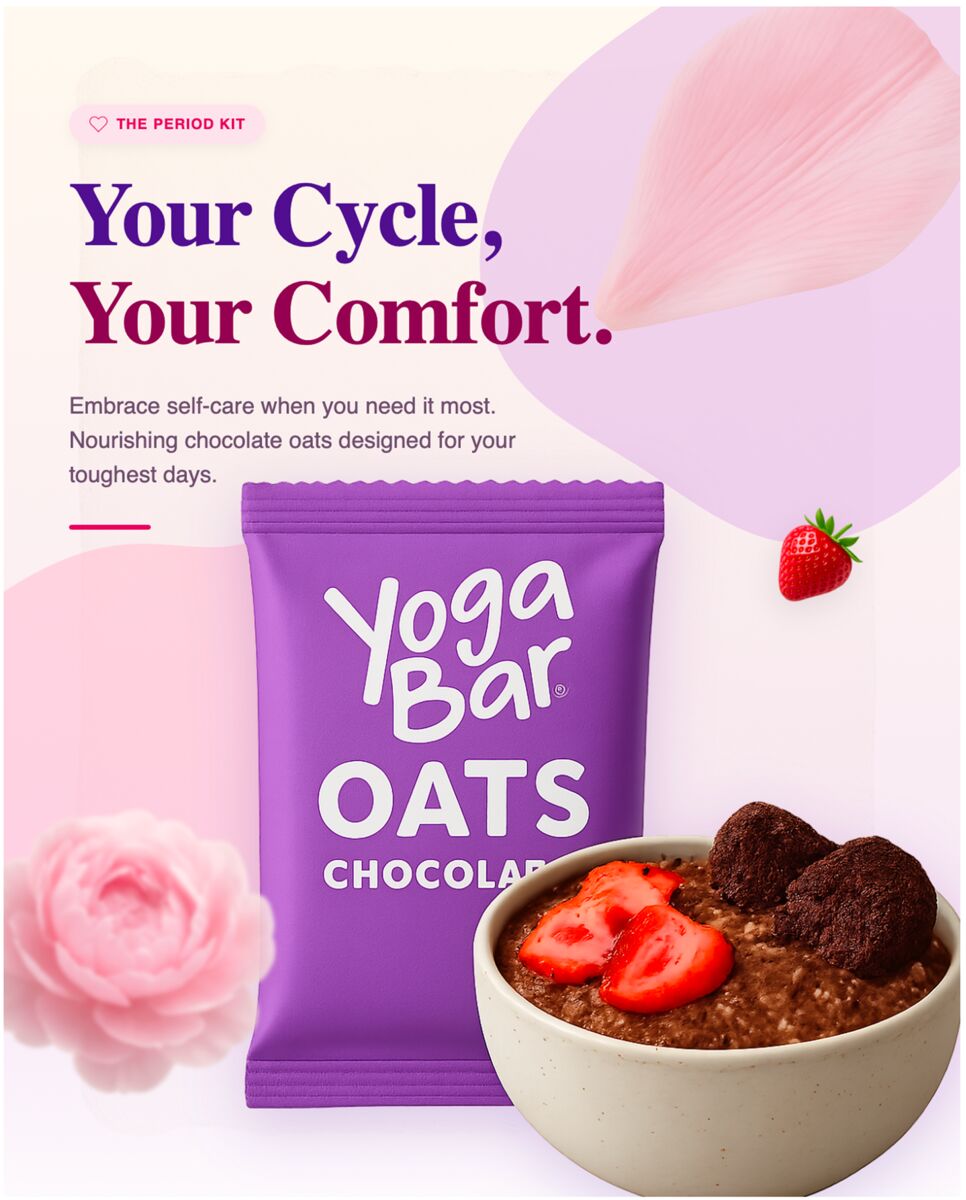
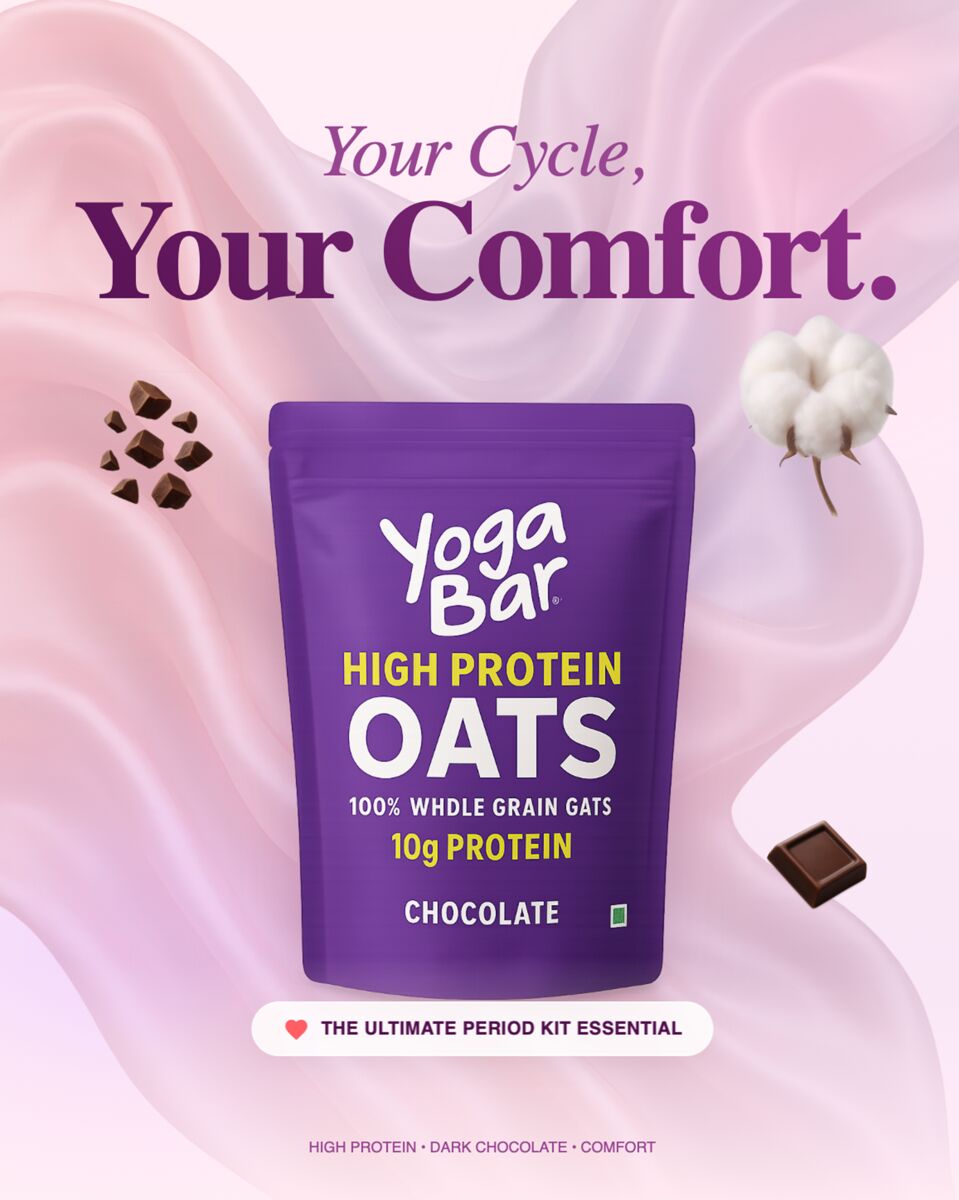
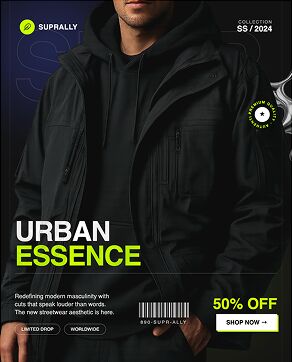
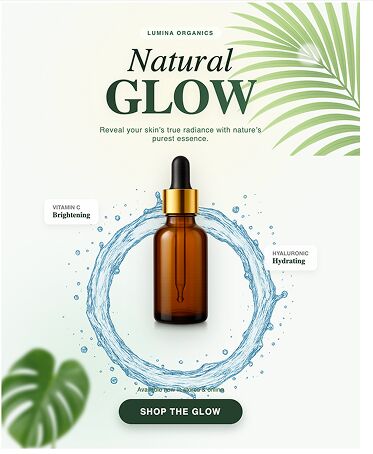
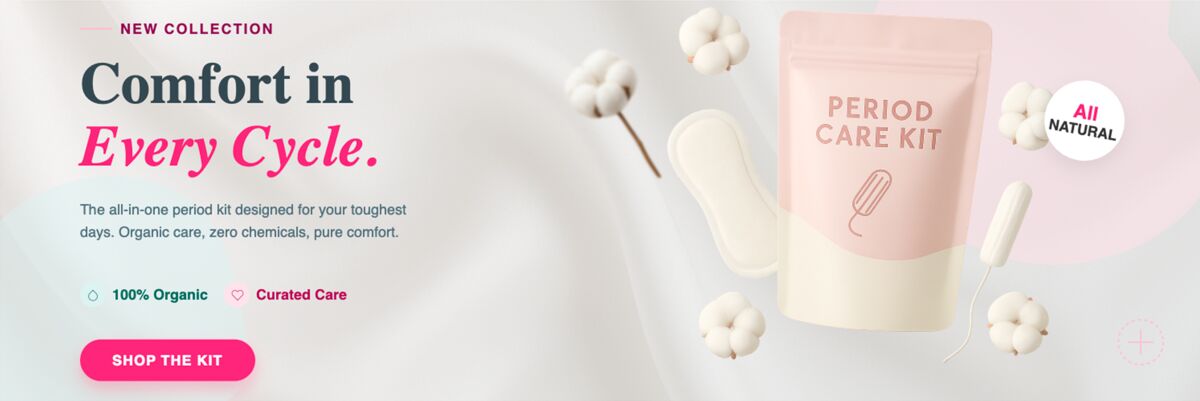
Enter a concise brief into DesignLumo: "Spring boutique launch, pastel palette, bold serif heading, 1000×1500px." The AI returns a fully layered PSD with editable text, vector shapes, and image placeholders. Immediately replace placeholders with client product shots, adjust kerning, and export three sizes (standard pin, idea pin, story) in one click. Log the time saved versus manual Photoshop work—expect a 70% reduction, translating to roughly $1,200 saved per client per month.
Canva Brand Kit Sync for Consistency
Upload the client’s logo, color hex codes, and font files into Canva’s Brand Kit. Whenever a designer opens a new poster template, the kit auto‑applies these assets, eliminating manual re‑entry. Combine with Canva’s “Copy Style” shortcut to replicate headline treatments across dozens of pins. Track brand consistency errors with a weekly audit; aim for zero mismatched colors after two weeks of implementation.
Adobe Express Batch Export for Multi‑Size Pins
Create a master poster in Adobe Express, then use the “Resize” feature to generate 5 preset dimensions (standard pin, vertical, square, story, carousel). Enable the “Export All” option to download a ZIP containing PNGs with optimized file sizes (<150KB). Measure performance by comparing load speed metrics on Pinterest Analytics; a faster load time correlates with a 5–7% increase in repin rates.
3. Performance‑Driven Distribution & Testing
Pin Scheduler with Tailwind + A/B Text Overlays
Upload three headline variations into Tailwind (https://www.tailwindapp.com) and schedule them to post at peak times identified by Pinterest Analytics (e.g., 8 am CST on Wednesdays). Use Tailwind’s built‑in A/B testing to rotate the overlays every 48 hours. After a two‑week run, compare repin and click‑through metrics; keep the headline that exceeds the baseline by at least 12%. This systematic test yields a predictable lift in traffic.
Heatmap Analytics using Pinterest Tag + Data Studio
Install the Pinterest Tag on the client’s landing page and connect the data stream to Google Data Studio. Build a heatmap visual that highlights scroll depth and click hotspots for each poster variation. Identify under‑performing sections (e.g., CTA below the fold) and iterate designs in DesignLumo to move key elements higher. Aim for a 10% increase in conversion depth within one iteration cycle.
Dynamic Repurposing via DesignLumo API to Instagram Stories
Leverage DesignLumo’s API to pull the latest poster layers, then programmatically reformat them to 1080×1920px Instagram Story dimensions. Auto‑apply a brand‑approved “Swipe Up” button and schedule via Buffer (https://buffer.com). Track cross‑platform engagement; a successful repurpose should lift Instagram story views by at least 8% while saving roughly 3 hours of manual redesign per campaign.
Before you go
- Batch generate 30‑day content calendars in DesignLumo and lock in brand colors to avoid drift.
- Use Pinterest’s “Trending” feed to refresh your AI prompt library monthly, keeping themes topical.
- Export all poster assets with transparent backgrounds; they perform 12% better in carousel pins.



Ready to create your first design?
Join thousands creating professional designs in seconds.
Create with DesignLumo
Related Resources
Twitter/X Graphic Toolkit for Pinterest Agencies
Essential AI‑powered tools and workflows to create high‑impact Twitter/X visuals for Pinterest agencies.
Pinterest Product Graphics Blueprint
Step‑by‑step tactics for agencies to create high‑converting product pins.
TikTok Tools Every Pinterest Agency Needs
Essential AI and manual tools for TikTok video assets and cross‑promotion.
Back to School Pinterest Agency Playbook
Tactical guide for agencies to flood Pinterest with high‑ROI back‑to‑school pins.
New Year Q1 Pinterest Agency Playbook
Actionable Q1 Pinterest plan for agencies to boost pins and revenue.
Black Friday Pinterest Agency Playbook
Tactical guide for agencies to dominate BF/CM Pinterest campaigns.