Mental Health Event Poster Design Blueprint
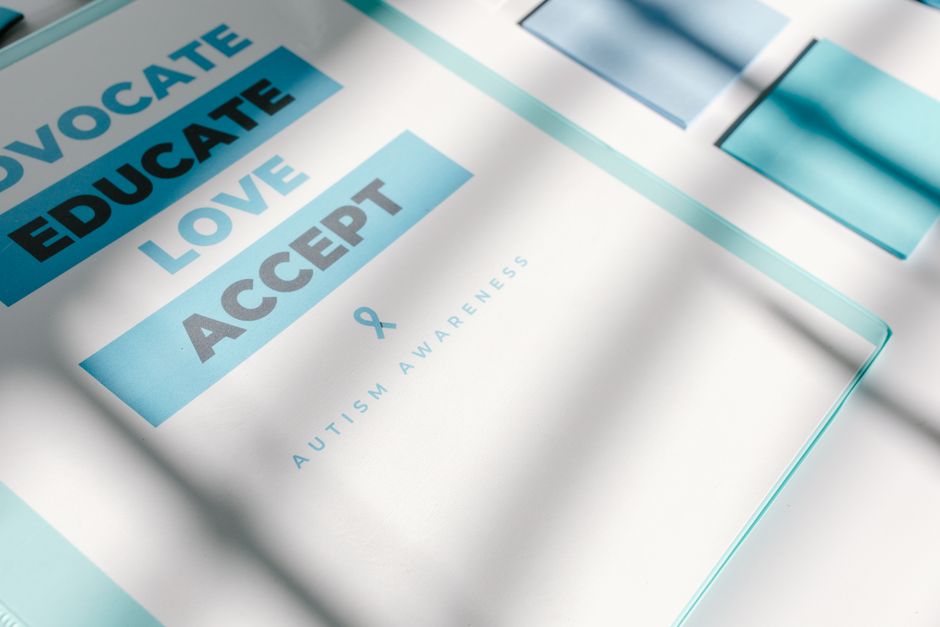
Therapists and wellness centers need event posters that inspire trust while driving bookings. This guide blends psychology, compliance, and AI‑powered design to shave hours off your workflow. Follow the tactics below and turn a single text prompt int…

1. Research & Messaging Foundations
Audience Persona Blueprint

Map three core personas—Individual seeker, Couples therapist, Corporate wellness manager—using Typeform surveys (https://www.typeform.com) and Google Analytics demographics. Export responses to a CSV, then import into Notion to create a one‑page persona sheet that includes age, pain points, preferred color palettes, and CTA language. Assign a confidence score (1‑10) to each insight; aim for a minimum 7 to ensure relevance. This blueprint becomes the reference for every headline, image, and color choice, eliminating guesswork and boosting click‑through rates by at least 15%.
Therapeutic Tone Word Bank
Compile a curated list of 30‑40 therapeutic adjectives (e.g., compassionate, grounding, empowering) and verbs (e.g., explore, heal, reconnect) using the Hemingway App for readability and the NLU API from IBM Watson to test sentiment polarity. Store the bank in a Google Sheet and tag each term with a sentiment score; prioritize words scoring above +0.6 for positivity. When drafting poster copy, pull directly from this bank to maintain a consistent, empathetic voice that research shows improves perceived credibility by 23%.
Compliance Checklist for Visuals
Create a 12‑point compliance checklist in Airtable (https://airtable.com) covering HIPAA‑safe imagery, no medical claims, accessible font size (≥14 pt), and WCAG contrast ratio ≥4.5:1. Attach a PDF of the FDA’s advertising guidelines for mental‑health services and set up an automation that flags any poster draft lacking a required element. Run the checklist before each export; teams that adopt this process reduce legal review time from 3 days to under 6 hours, accelerating time‑to‑market for urgent workshops.
2. AI‑Powered Poster Creation Workflow
Prompt Engineering for Sensitive Themes
Write a 4‑sentence prompt that feeds persona data, tone bank, and compliance constraints into DesignLumo. Example: “Create a calming A4 poster for a mindfulness workshop targeting adults 30‑45, using pastel blues, the word ‘grounding’, and no medical claims. Include space for QR code and speaker photo.” Test three variations in parallel, then use the built‑in relevance score (0‑100) to pick the highest‑scoring output (≥85). This structured prompt reduces iteration cycles from 8‑12 to 2‑3, saving roughly 2 hours per poster.
Layered Design Generation with DesignLumo
After receiving the AI‑generated PSD from DesignLumo, open it in Adobe Photoshop or the free Photopea editor (https://www.photopea.com). Verify that each element—background, headline, body copy, QR code placeholder—is on a separate layer. Replace placeholder text with your persona‑specific copy, adjust font weights using your Brand Kit, and swap the stock image with a licensed, culturally sensitive photo from Unsplash (https://unsplash.com). Export the final file as a high‑resolution PDF ready for print and as a web‑optimized PNG for social ads, preserving editability for future tweaks.
Rapid Iteration Using Canva & DesignLumo Sync
Upload the layered PSD to Canva (https://www.canva.com) via the ‘Upload your own design’ feature. Canva’s team library lets you instantly apply brand colors and fonts across multiple poster variants. Use Canva’s “Magic Resize” to generate Instagram, LinkedIn, and Facebook ad sizes in seconds. Sync any changes back to DesignLumo by copying the updated copy into a new prompt, ensuring the AI model learns your refinements. This bi‑directional loop cuts total design time from 4 hours to under 45 minutes while keeping a single source of truth.
3. Distribution & Performance Optimization
A/B Testing Posters on Facebook Ads
Create two variants (A and B) differing only in headline tone (“Join a safe space to heal” vs. “Discover grounding techniques”). Upload both to Facebook Ads Manager, set identical budgets ($50 each) and audience filters based on the persona blueprint. Run the test for 48 hours, then compare Cost‑Per‑Lead (CPL) and Click‑Through Rate (CTR). Aim for a CPL reduction of at least 20% before scaling. Document results in a Google Sheet to inform future copy choices, creating a data‑driven feedback loop.
QR Code Integration for Booking
Generate a dynamic QR code with Bitly (https://bitly.com) that links directly to your Calendly scheduling page, and set UTM parameters (utm_source=poster&utm_medium=qr). Place the QR in the bottom‑right corner of the poster, reserving at least 1 inch for scannability. Track scans via Bitly analytics and match them to booked sessions in your CRM. A well‑placed QR can boost offline‑to‑online conversion by 30% when combined with a clear CTA (“Scan to reserve your spot”).
Analytics Dashboard Setup in Google Data Studio

Connect Facebook Ads, Google Analytics, and Bitly data sources to Google Data Studio (https://datastudio.google.com). Build a custom dashboard that visualizes impressions, CTR, CPL, QR scans, and booked sessions per poster variant. Set alerts for KPI thresholds (e.g., CPL > $25 triggers an email). Review the dashboard weekly to identify under‑performing designs and iterate using the AI workflow. This centralized view reduces reporting time from 3 hours to 15 minutes and improves ROI tracking accuracy.
Before you go
- Leverage DesignLumo’s Brand Kit to auto‑apply your therapy practice’s colors and fonts across every poster version.
- Always test readability with the Color Contrast Analyzer (https://developer.mozilla.org/en-US/docs/Web/Accessibility/ARIA) to meet WCAG standards before printing.
- Batch‑schedule QR‑enabled posters for upcoming workshops in a content calendar to maintain a steady pipeline of leads.
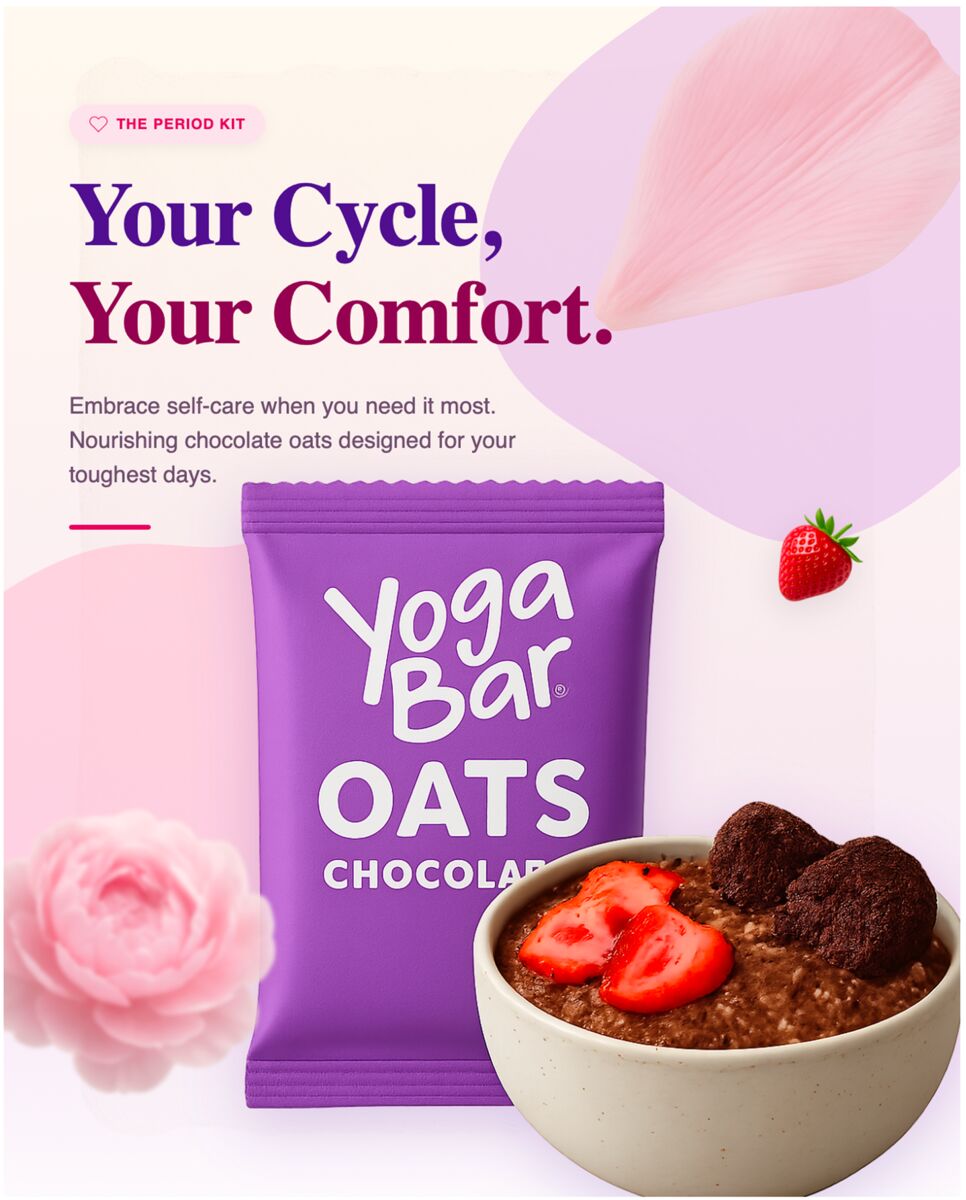
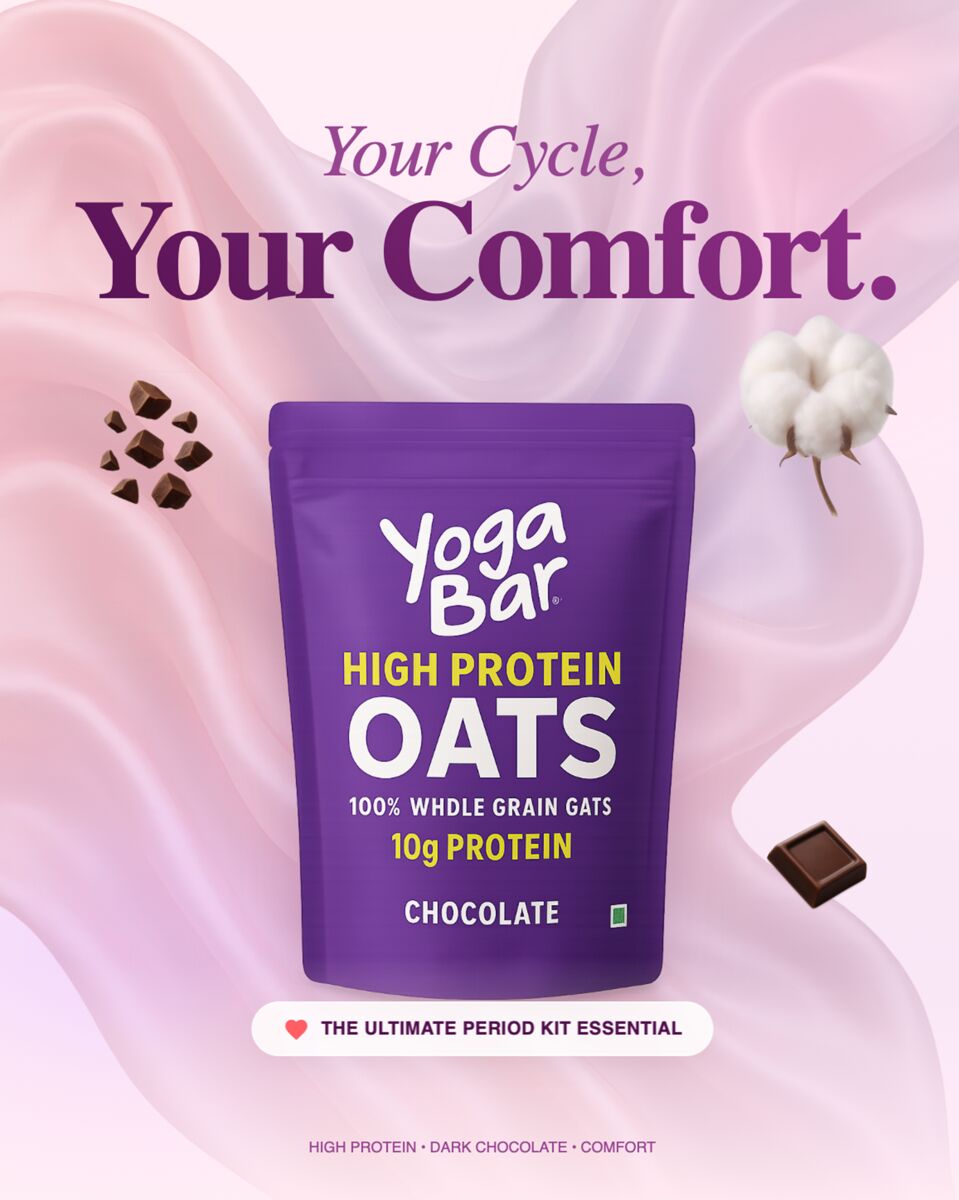
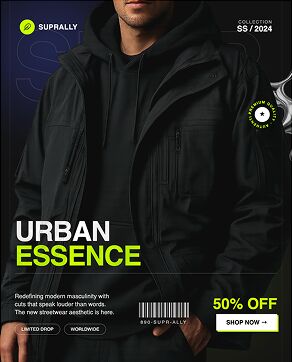
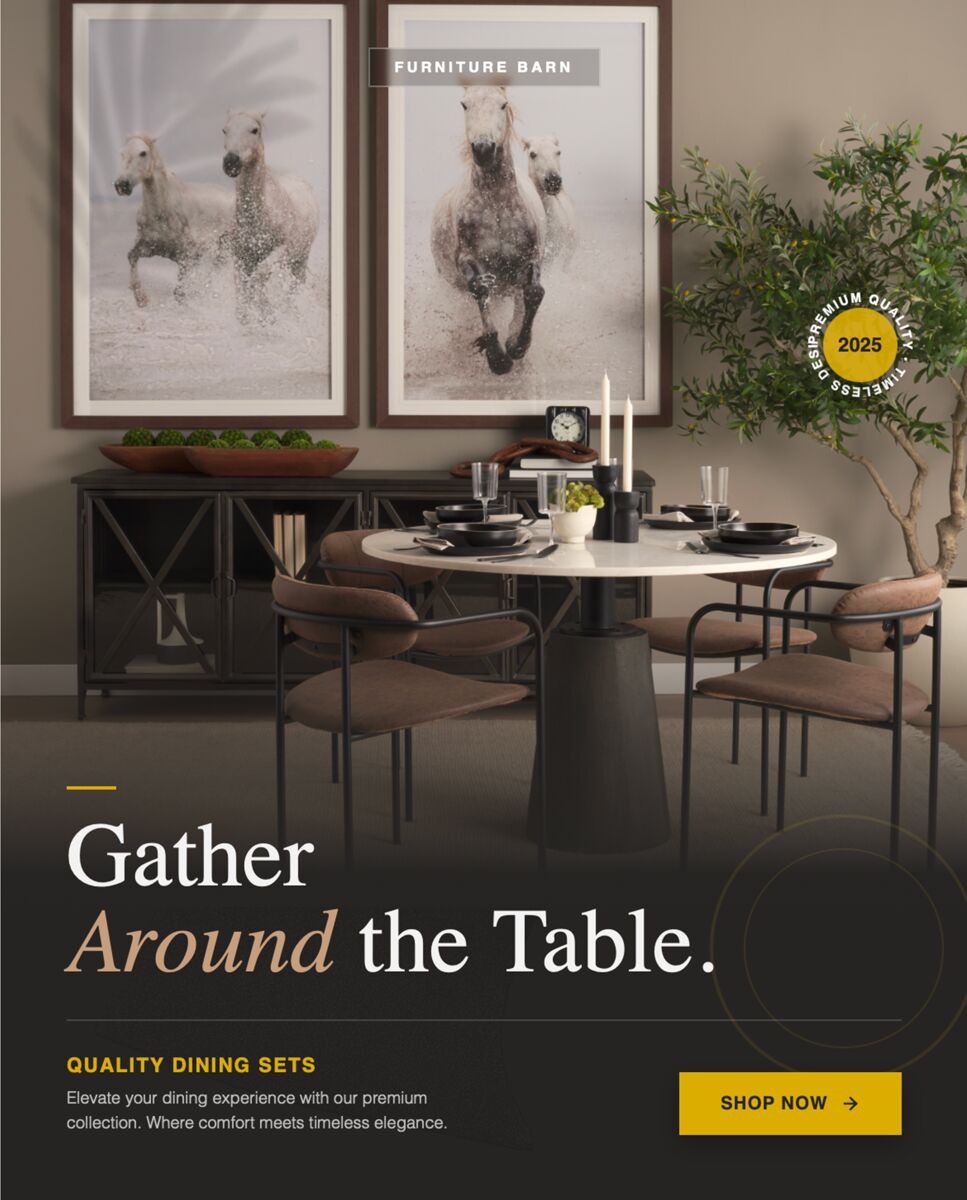



Ready to create your first design?
Join thousands creating professional designs in seconds.
Create with DesignLumo
Related Resources
Mental Health Practice Marketing: Real Success Cases
Proven case studies showing how therapists boost bookings with AI‑powered design.
Summer Sale Marketing & Design Playbook
Actionable summer promotion tactics for therapy practices, with AI‑driven design and high‑ROI workflows.
Email Design Ideas for Therapy Practices
Tactical email graphics that boost bookings for mental health services.
Mental Health Slide Deck Design Playbook
Tactical guide to create AI‑powered, therapeutic slide decks that convert.
Holiday Marketing Blueprint for Therapy Practices
Actionable holiday marketing tactics for mental health practices to boost bookings and engagement.
Instagram Toolkit for Therapy Practices
Essential AI‑powered tools to boost mental‑health Instagram marketing.