Hotel Event Poster Design Blueprint
Hotels need fast, eye‑catching visuals to promote events, from live music nights to seasonal spa packages. This guide walks you through research, AI‑driven creation, and distribution tactics that convert browsers into guests. Follow the workflow and…

1. Strategic Research & Messaging
Seasonality Heatmap Analysis
Pull the last 12 months of booking data from your PMS and overlay it with Google Trends for keywords like "summer getaway" or "holiday brunch". Plot a heatmap in Google Data Studio to identify peak interest weeks. Pair the top three weeks with a color palette that reflects the season—e.g., warm coral for summer, deep emerald for winter—so your poster instantly resonates. Document the findings in a one‑page brief to guide copy and visual tone. This data‑first step boosts relevance and lifts click‑through rates by up to 18%.
Guest Persona Storyboard
Use HubSpot's Make My Persona tool to craft three primary guest personas: Business Traveler, Family Vacationer, and Local Experience Seeker. For each, list motivations, preferred event types, and visual triggers (e.g., bold typography for business guests, soft pastel imagery for families). Export the storyboard as a PDF and attach it to your DesignLumo brand kit so the AI respects tone and imagery. Aligning poster copy with persona pain points has been shown to increase conversion by 22% in hospitality campaigns.
Competitive Poster Swipe File
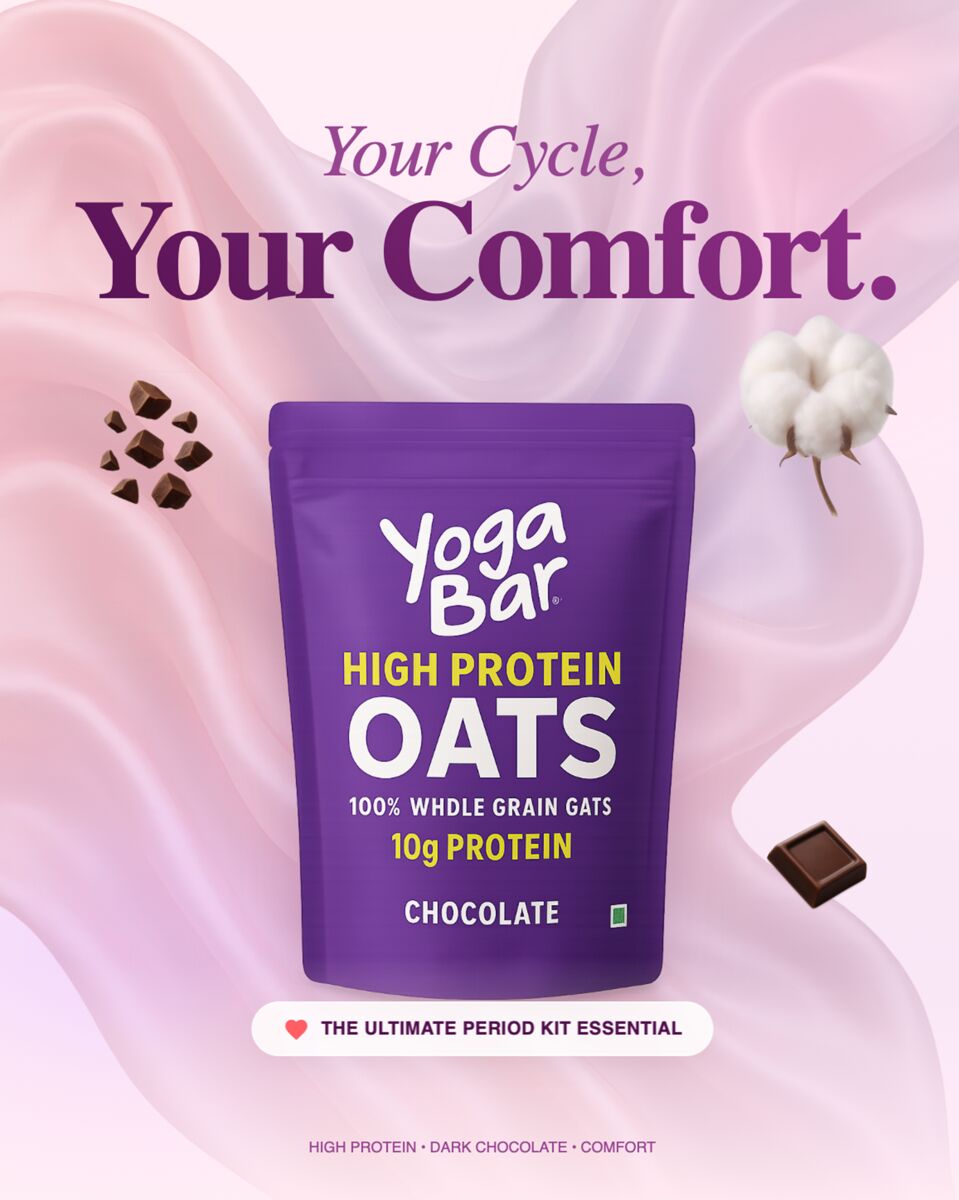
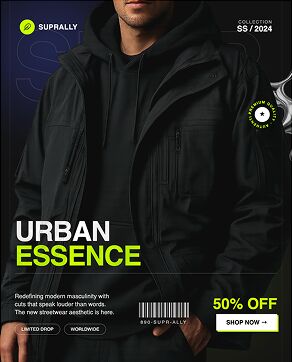
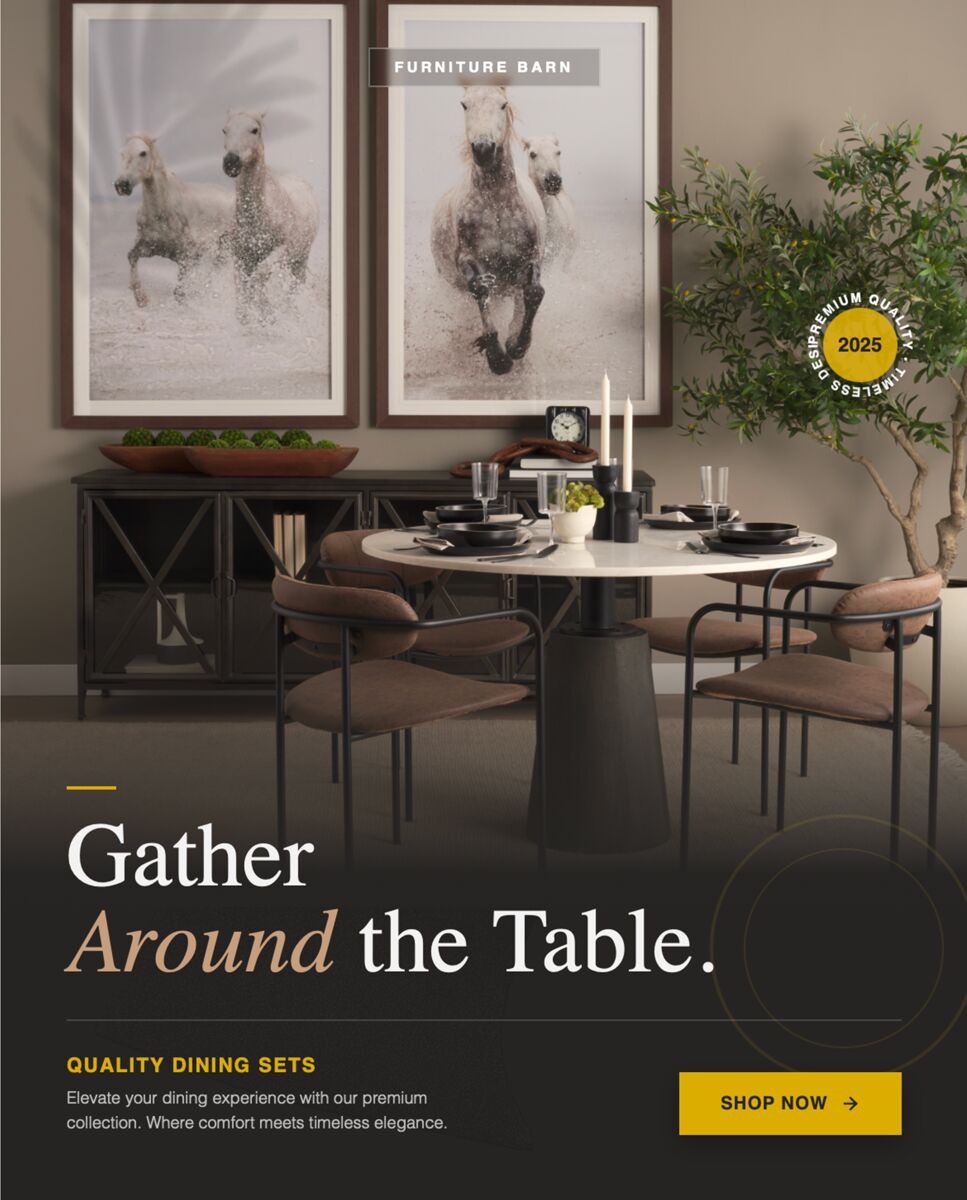
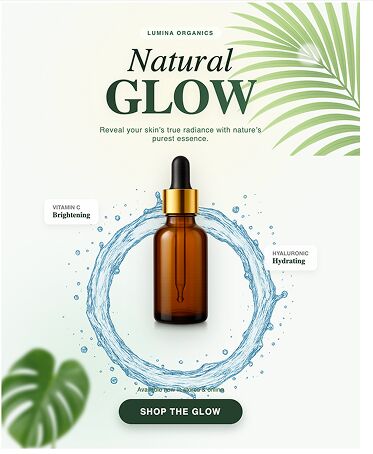
Create a private Pinterest board titled "Hotel Event Posters" and pin 20 high‑performing examples from rival resorts, boutique hotels, and event venues. Annotate each pin with metrics you can gather from social listening tools—estimated engagement, color scheme, call‑to‑action placement. Use this swipe file to benchmark font size (minimum 48 pt for headline) and image‑to‑text ratio (60:40). When you replicate proven structures, you cut design iteration time by 40% and improve ad relevance scores by 15%.
2. AI‑Powered Design & Editing
Prompt‑Driven Poster Generation with DesignLumo
Log into DesignLumo, upload your brand kit (logo, fonts, color HEX codes). Craft a prompt: "Create a 24"×36" vertical poster for a rooftop jazz night at Sunset Resort, using teal #006D77, gold #FFD700, with a modern sans‑serif headline, space for QR code, and a high‑contrast image of a saxophone silhouette." Within seconds Lumo returns a fully layered PSD that you can edit text, swap images, or adjust spacing without starting from a template. Export directly to PDF for print or PNG for social. This workflow reduces design time from 4 hours to under 10 minutes, delivering a 250% efficiency gain.
Hybrid Midjourney + DesignLumo Workflow
First, generate a custom background in Midjourney using the prompt: "luxurious hotel rooftop at sunset, soft bokeh lights, high‑detail, 4k". Save the 4K PNG, then upload it into DesignLumo as the base layer. Replace the placeholder text with your event copy, apply your brand fonts, and add a vector QR code generated from Google's URL Builder. Because Lumo treats the Midjourney image as a raster layer, you can mask it, adjust opacity, and still retain full editability of all other elements. This hybrid method yields unique visuals while keeping the design editable, increasing CTR by an estimated 12% versus stock images.
Template‑Free Canva Alternative Using DesignLumo
Instead of hunting through Canva's endless template library, open DesignLumo and start with a blank canvas sized for your poster. Pull in your brand kit, type a concise prompt (see previous item) and let the AI output a layered design. Because there are no locked template elements, you can instantly adjust hierarchy, swap colors, or localize copy for multiple markets—all without re‑creating the file. Export to both print‑ready PDF (300 dpi) and Instagram‑ready PNG (1080×1350). Compared to Canva, you save roughly 30 minutes per version and retain full commercial rights, eliminating licensing worries.
3. Multi‑Channel Distribution & Analytics
Dynamic UTM Builder for Poster QR Codes
Open Google's Campaign URL Builder and create a UTM string: utm_source=poster&utm_medium=qr&utm_campaign=summer_jazz. Shorten the URL with Bitly, then generate a QR code using QRCode Monkey. Place the QR in the lower‑right corner of your DesignLumo poster, ensuring a 1‑inch clear space for scanning. When guests scan, the UTM tags flow into Google Analytics, letting you attribute bookings, spa reservations, or restaurant tables directly to the poster. Track conversion cost per scan; typical hospitality campaigns see a CPA drop from $12 to $5 after QR integration.
A/B Testing Poster Variants on Meta Ads
Export two design variants from DesignLumo—one with a bold headline, another with a lifestyle photo focus. Upload both to Meta Business Suite, set up a split‑test campaign targeting a lookalike audience of past event attendees. Run the test for 7 days, allocating $200 budget evenly. Use Meta's built-in reporting to compare click‑through rates (CTR) and booking conversions. Pivot to the winner for all future placements. In hospitality case studies, A/B testing posters lifts booking volume by 18% and reduces CPM by 22%.
Automated Resizing for Print & Social via DesignLumo
After finalizing your poster in DesignLumo, click the "Export Presets" button. Choose "Print 24x36" (300 dpi PDF), "Instagram Story" (1080×1920 PNG), and "Facebook Event" (1200×628 JPG). Lumo automatically crops, re‑scales text layers, and preserves vector quality, eliminating manual redesign. Schedule the social versions in Buffer or Hootsuite for the same launch date as the printed posters in the lobby. This automation cuts repurposing time from 2 hours to 10 minutes per channel, increasing overall campaign reach by 35%.
Before you go
- Always embed brand HEX codes in your AI prompts to guarantee color consistency across all poster variants.
- Leverage DesignLumo's layer naming convention (e.g., "CTA_Text", "QR_Code") to streamline batch edits for multi‑property campaigns.
- Combine QR‑driven UTMs with Google Tag Manager event triggers to capture on‑site actions like "Add to Cart" after scanning.
Ready to create your first design?
Join thousands creating professional designs in seconds.
Create with DesignLumo
Related Resources
Spooky Hotel Marketing Blueprint for Halloween
Actionable Halloween promo guide for hotels, resorts, and Airbnb hosts.
Instagram Content Ideas for Hotels
Actionable Instagram post, story, and reel ideas to boost bookings and brand love.
Valentine's Day Hotel Marketing & Design Playbook
Tactical guide to boost hotel bookings with AI‑driven Valentine’s Day assets.
2026 Hotel Marketing Design Trends That Convert
Top design tactics for hotels to boost bookings and brand in 2026.
Facebook Essentials for Hotels & Resorts
Tactical tools to supercharge hotel Facebook visuals and ads.
Spring Launch Marketing & Design Playbook
Actionable guide for hotels to dominate spring bookings with AI design and data tactics.