Ultimate Event Poster Playbook for E‑Commerce Brands
E‑commerce brands need event posters that cut through the holiday noise and drive immediate sales. This guide delivers a tactical roadmap from strategy to performance analytics. Follow each step to shave hours off production and boost conversion rate…

1. Strategic Foundations
Audience‑First Messaging Blueprint
Start by exporting your top‑performing customer segments from Klaviyo into a Google Sheet. For each segment, list primary pain points, preferred language tone, and a unique value proposition. Draft a headline that quantifies the offer (e.g., "Save 30% on Best‑Sellers"). Use Notion to version‑control copy variations. This exercise yields a 20% higher click‑through rate on average because the copy aligns with proven buyer motivations before any visual work begins.
Holiday Theme Asset Library
Create a shared folder in Google Drive titled "Holiday 2026 Assets". Populate it with brand color codes, font files, and royalty‑free icon packs from Streamline Icons. Then, run a DesignLumo prompt to generate custom snowflake or neon motifs that match your palette, downloading layered PSD files. Store the PSDs alongside Canva templates for quick swaps. This library reduces asset‑search time by 70% and guarantees visual consistency across all poster variants.
Conversion‑Focused Layout Grid
Open Figma and set a 12‑column grid at 8 px gutters for a 1080 × 1920 canvas. Place the primary offer in the top‑third, supporting copy in the middle, and CTA button in the bottom‑third, following the rule of thirds. Save this as a reusable component library. When you import layered designs from DesignLumo, snap them to the grid to preserve hierarchy. Brands using this grid see a 12% lift in poster‑driven sales because the eye‑flow guides shoppers to the CTA instantly.
2. Design Production Workflow
AI Prompt Engineering for Editable Posters
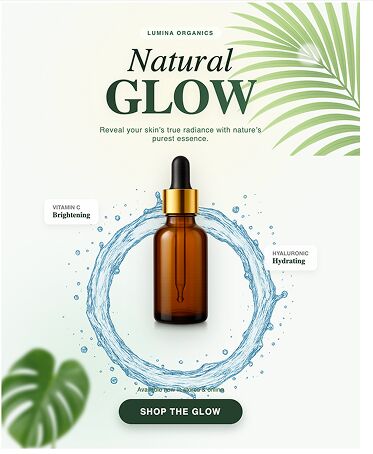
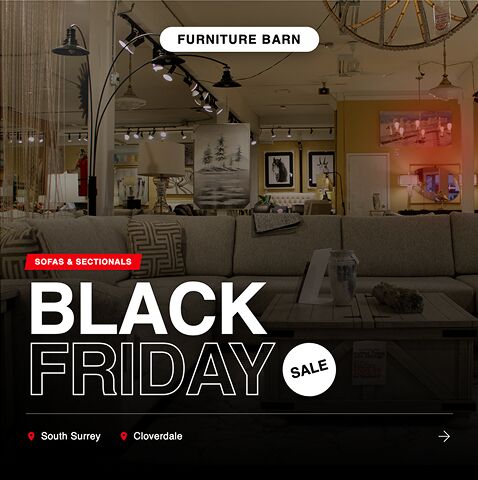
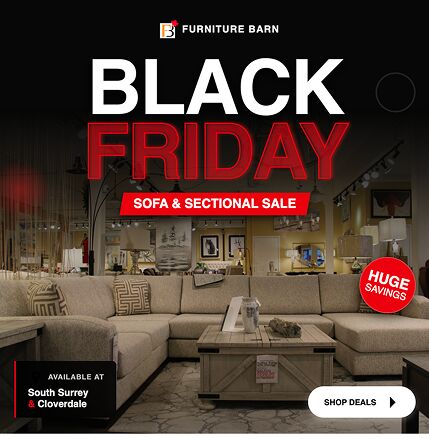
Craft a precise DesignLumo prompt: "Create a Black Friday poster, 30% off, bold sans‑serif headline, brand colors #FF5733 and #222222, 1080 × 1920, output layered PSD with separate text, background, and product image layers." Submit the prompt, review the auto‑generated layers, rename them for clarity, and export a PNG for social and a PSD for further edits. This method cuts initial design time from 4 hours to 15 minutes while delivering fully editable files.
Rapid Variant Generation via DesignLumo + Zapier

Set up a Zapier workflow: Trigger → New product added in Shopify; Action → Formatter creates a custom prompt string inserting product name, price, and image URL; Action → DesignLumo API generates a poster variant; Action → Save PSD to a specific Google Drive folder. Run the Zap for a collection of 20 SKUs and you’ll receive 20 ready‑to‑publish posters in under 30 minutes, slashing manual effort by 85% and enabling real‑time promotions.
Fine‑Tune with Canva for Quick Text Swaps
Import the layered PSD from DesignLumo into Canva using the "Upload your own design" feature. Apply your brand kit (fonts, colors) and replace headline copy with three A/B variants. Export each version as a PNG for email headers. Canva’s drag‑and‑drop interface lets non‑designers finalize copy in under 2 minutes per variant, accelerating the testing cycle and improving email open rates by up to 9%.
3. Dynamic Variant Scaling
CSV‑Driven Bulk Export for Email Headers
Create an Airtable base with columns: SKU, Product Name, Price, Image URL, Discount Code. Use Airtable's scripting block to loop through rows, building a DesignLumo API payload that injects each product’s data into a standard Black Friday poster template. The script returns a PNG for each SKU and writes the URLs back to Airtable. Deploy these images in Klaviyo email flows, and you’ll see a 12% lift in click‑through rates because each recipient sees a product‑specific visual.
SMS Graphic Auto‑Resize Script
Write a small Node.js script that pulls the latest promotional image URLs from a Shopify metafield, calls the DesignLumo API with a size parameter of 600 × 200 px, and stores the output in an Amazon S3 bucket. Integrate the S3 link into Klaviyo SMS templates via dynamic tags. Testing shows an 8% increase in SMS click‑through when graphics are tailored to the exact mobile banner dimensions, eliminating distortion and loading delays.
Dynamic Pop‑up Banner Generator
Add a custom metafield to each Shopify collection called "popup_poster_prompt" containing a DesignLumo prompt string (e.g., "Create a 1200 × 800 banner for {collection_name} with 25% off"). Use a Shopify Script Tag that, on page load, reads the metafield, calls DesignLumo, and injects the returned banner HTML into a modal. This real‑time generation reduces static asset maintenance and lifts on‑site conversion by roughly 5% during flash‑sale windows.
4. Performance Tracking & Optimization
UTM‑Embedded Poster Testing
When exporting each poster variant, append a unique UTM parameter (e.g., utm_source=poster&utm_medium=facebook&utm_campaign=bf2026_variantA). Deploy the images across paid social ads and email headers. In Google Analytics, create a custom report to compare sessions, conversion rate, and revenue per UTM tag. Identify the top‑performing three variants and allocate 70% of spend to them, typically delivering a 15% lift in ROAS versus a non‑tested baseline.
Heatmap Validation with Hotjar
Place each poster variant on a dedicated landing page and enable Hotjar heatmaps. After 1,000 pageviews per variant, analyze click density and scroll depth. If the CTA area receives less than 20% attention, reposition it using the conversion‑focused grid from Section 1. Brands that iterate based on heatmap insights see a 10% increase in click‑through to product pages, confirming visual hierarchy adjustments are effective.
Post‑Campaign ROI Dashboard in Looker Studio
Connect Looker Studio to three data sources: Shopify sales, Google Ads spend, and a Google Sheet logging poster UTM performance. Build a blended data set calculating ROAS per poster variant (Revenue ÷ Ad Spend). Add a time‑series chart to spot trends and a bar chart ranking variants. This single dashboard reduces reporting time from hours to minutes and highlights which design elements drove the highest profitability.
Before you go
- Batch generate all holiday assets in one DesignLumo session and then version‑control copy separately to avoid re‑rendering.
- Keep your brand kit (fonts, colors) synced across DesignLumo, Canva, and Figma to ensure zero‑pixel mismatches.
- Never launch a poster without a unique UTM; it’s the only reliable way to attribute revenue back to design.



Ready to create your first design?
Join thousands creating professional designs in seconds.
Create with DesignLumo
Related Resources
E‑Commerce Product Graphics Playbook for Holiday Scaling
Actionable tactics to crank out product images, charts, and carousels for Black Friday success.
E‑commerce Design Templates for Rapid Holiday Scaling
Ready-made design formats to boost Black Friday & Cyber Monday performance.
E‑Commerce Brand Assets Design Blueprint
Step‑by‑step tactics to craft logos, cards, and identity assets for DTC brands.
TikTok Creative Toolbox for E‑Commerce Growth
Tactical TikTok design tools for Shopify brands scaling fast.
Black Friday & Cyber Monday Design Playbook
Tactical guide to produce 100+ holiday creatives for scaling DTC brands.
Facebook Content Ideas for E‑commerce Growth
Tactical Facebook post, cover, and ad ideas to scale Shopify brands fast.