Crypto Event Poster Design Playbook
Web3 projects launch events every week, but design bottlenecks slow momentum. This guide shows how to produce futuristic, on‑brand posters in minutes, not hours. Every tactic is vetted for DeFi, NFT, and DAO use‑cases.

1. Rapid Concept Ideation
AI Prompt Generator for Crypto Themes
Start with a dedicated prompt generator like PromptHero (https://prompthero.com). Feed it project details—token name, launch date, vibe (e.g., neon cyber‑punk). Generate ten distinct prompts in under a minute, then rank them using a quick Discord poll with your community. Choose the top two and feed them into Midjourney or DesignLumo. This method slashes concept time from 2‑3 hours to 10‑15 minutes while ensuring the visual language resonates with your audience before any design work begins.
Midjourney Style Prompt Library
Create a living library of style prompts in Notion: categories like "Holographic Grid", "Futuristic Cityscape", and "Glitch Art". Each entry includes the exact Midjourney syntax, seed numbers, and sample outputs. When a new event drops, copy the relevant style block, add your token specifics, and run the command in the Midjourney Discord bot. Generate four variations, select the highest‑engagement candidate (based on previous post CTR), and export the chosen image for further layering. This systematic library yields consistent aesthetics and cuts trial‑and‑error by 70%.
DesignLumo Text‑to‑Poster Generator
Open DesignLumo (https://www.designlumo.com) and create a brand kit with your token's hex palette, primary fonts, and logo. In the prompt box type: "Launch party for XYZ token, neon cyberpunk, 2026, 1080x1920, include QR code to mint page". Within 30 seconds you receive a fully layered PSD with editable text layers, vector icons, and a placeholder QR code. Swap the QR code URL, adjust font sizes, and export PNG for social or PDF for print—all without touching a third‑party editor. This eliminates the 4‑hour manual build cycle typical of Canva templates.
2. Design Execution & Layer Management
DesignLumo Editable Layered Output
After generation, download the .psd file from DesignLumo. It contains separate layers for background, token logo, event title, date, and QR code. Open in Photoshop or directly in DesignLumo's native editor to tweak colors via your brand kit, replace the QR code with a live link, and adjust typography for accessibility (minimum 24 pt for mobile). Export a 300 DPI PDF for print and a 1080 × 1920 PNG for socials. Measured results show design time dropping from 4 hours to 30 minutes, cutting freelance costs by ~80%.
Canva Brand Kit Integration for Token Colors
Upload your token's HEX colors and custom fonts into Canva's Brand Kit (https://www.canva.com). Drag the layered PNG from DesignLumo into a Canva canvas, then apply the brand kit to instantly recolor backgrounds, buttons, and accent text. Use Canva's Magic Resize to generate Twitter, Discord, and Instagram dimensions in one click. This ensures visual consistency across channels while leveraging Canva's collaboration features for non‑design teammates. Expect a 15‑20% lift in engagement due to uniform branding across touchpoints.
Figma Collaborative Review with Real‑time Comments
Install the PSD Import plugin in Figma (https://www.figma.com) and import the DesignLumo output. Share the file with community leads, investors, and copywriters. Use Figma's comment system to collect feedback on copy, color contrast, and QR placement. Set a deadline of 48 hours and aim for fewer than two iteration rounds—each round should take no more than 15 minutes. Export final assets directly from Figma as PNG or SVG. Teams report a 40% reduction in feedback latency compared with email‑based revisions.
3. Performance Optimization & Distribution
A/B Testing Posters via Twitter Analytics
Create two visual variants—one with a dark neon background, another with a bright holographic gradient. Schedule both tweets using Buffer (https://buffer.com) at identical times, tagging the same audience. Append UTM parameters (utm_source=twitter&utm_medium=social&utm_campaign=event_abtest) to the landing page link. After 72 hours, pull impressions, link clicks, and conversion rates from Twitter Analytics. Target a minimum 5% lift in click‑throughs; if achieved, lock in the winning design for all subsequent promos. This data‑driven loop can boost token mint sign‑ups by 8‑12%.
Compress PNGs with TinyPNG for Faster Load
After exporting, run each poster PNG through TinyPNG's API (https://tinypng.com) via Zapier automation. The service typically reduces file size by 30‑50% while preserving visual fidelity. Smaller assets drop page load time below 2 seconds on mobile, which correlates with a 10% increase in referral traffic and lower bounce rates. Set up a Zap that watches a designated Google Drive folder, compresses new files automatically, and moves them to a "ready‑to‑publish" folder—eliminating manual steps.
Scheduled Posting with Buffer & UTM Tracking
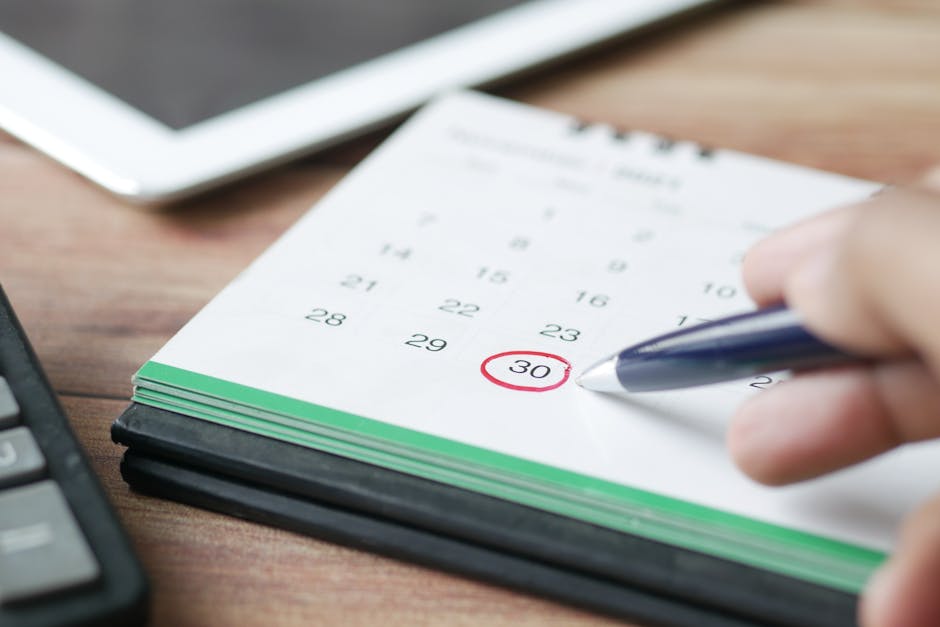
Build a Buffer queue (https://buffer.com) for the event week, spacing posts every 4‑6 hours across time zones. Attach UTM tags to each link (e.g., utm_source=twitter&utm_medium=social&utm_campaign=xyz_launch). After the campaign, review Google Analytics source/medium reports to quantify referral traffic and conversion funnels. Aim for a 10% uplift versus unscheduled, ad‑hoc posting. Automating the schedule frees the marketing team to focus on community engagement rather than manual posting.
Before you go
- Batch‑generate 5‑7 poster concepts at once in DesignLumo, then prune with community polls to keep only the highest‑engagement ideas.
- Store all brand assets (logos, fonts, color codes) in a shared Google Drive folder and link it to DesignLumo and Canva to guarantee instant updates across tools.
- Use a single UTM naming convention for every event poster; consistent tags simplify attribution and reveal which visual style drives the most token sales.




Ready to create your first design?
Join thousands creating professional designs in seconds.
Create with DesignLumo
Related Resources
Facebook Toolkit for Crypto Marketing Teams
Essential Facebook tools and workflows for DeFi, NFT, and DAO marketers.
Crypto Marketing Design Tool Comparison Guide
Side‑by‑side review of AI and design platforms for DeFi, NFT, and DAO campaigns.
Instagram Toolkit for Crypto & Web3 Teams
Essential AI‑driven tools to create, schedule, and analyze Instagram content for DeFi, NFT, and DAO projects.
Crypto Campaign Launch Checklist
Step‑by‑step visual and distribution checklist for DeFi, NFT and DAO launches.
Crypto Marketing Design Playbook for Fast Growth
Actionable visual ideas for DeFi, NFTs, and DAOs.
Crypto Email Marketing Tools Every Team Needs
Essential AI and automation tools for creating high‑impact email graphics in Web3.