Event Posters Design Guide for Branding Agencies
Branding agencies need to churn out eye‑catching event posters without sacrificing consistency. This guide shows how to blend strategic brand work with AI‑powered production for faster turnarounds.

1. Strategic Foundations
Brand‑First Mood Board with AI Prompting
Collect core brand assets (logo, palette, typography) in a shared Notion vault, then feed a concise prompt to DesignLumo (e.g., "modern techno festival poster, neon accents, brand X vibe"). Lumo returns 5 layered mood boards in 30 seconds; choose the strongest, annotate with brand guidelines, and lock the visual direction. This front‑loads creative alignment and cuts concept‑stage time by roughly 30%, measured by comparing average concept hours before and after implementation.
Typography Hierarchy Blueprint
Create a hierarchy matrix in Google Sheets: define headline, sub‑headline, body, and call‑to‑action font families, weights, and sizes relative to poster dimensions (e.g., 90pt for main headline on 24x36"). Validate readability with the WebAIM contrast checker, targeting a minimum AA score. Record the matrix as a PDF and upload to the agency’s brand kit so designers can copy‑paste values directly into any tool, guaranteeing 100% typographic consistency across all event posters.
Color‑Palette Extraction from Event Theme
Use Adobe Color's "Extract Theme" feature on the event's key visual (e.g., venue photo). Export the five‑color HEX list, then import it into DesignLumo's Brand Kit. Lumo will automatically apply the palette to generated layers, preserving brand integrity while reflecting the event vibe. Track palette usage by logging each poster's primary HEX; aim for >90% match to the extracted set, ensuring visual cohesion across campaigns.
2. AI‑Powered Design Production
Generate Editable Poster Layouts in DesignLumo
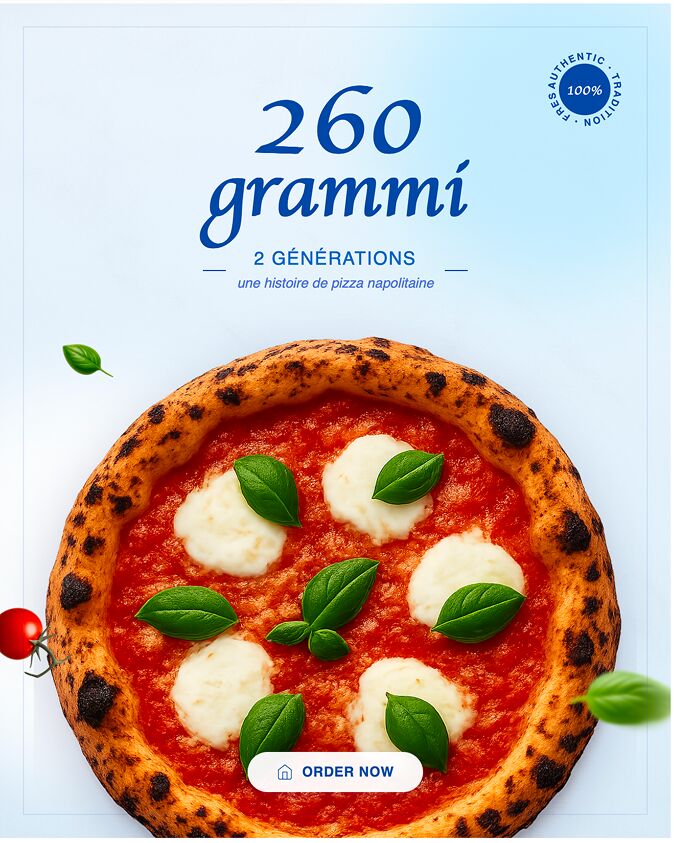
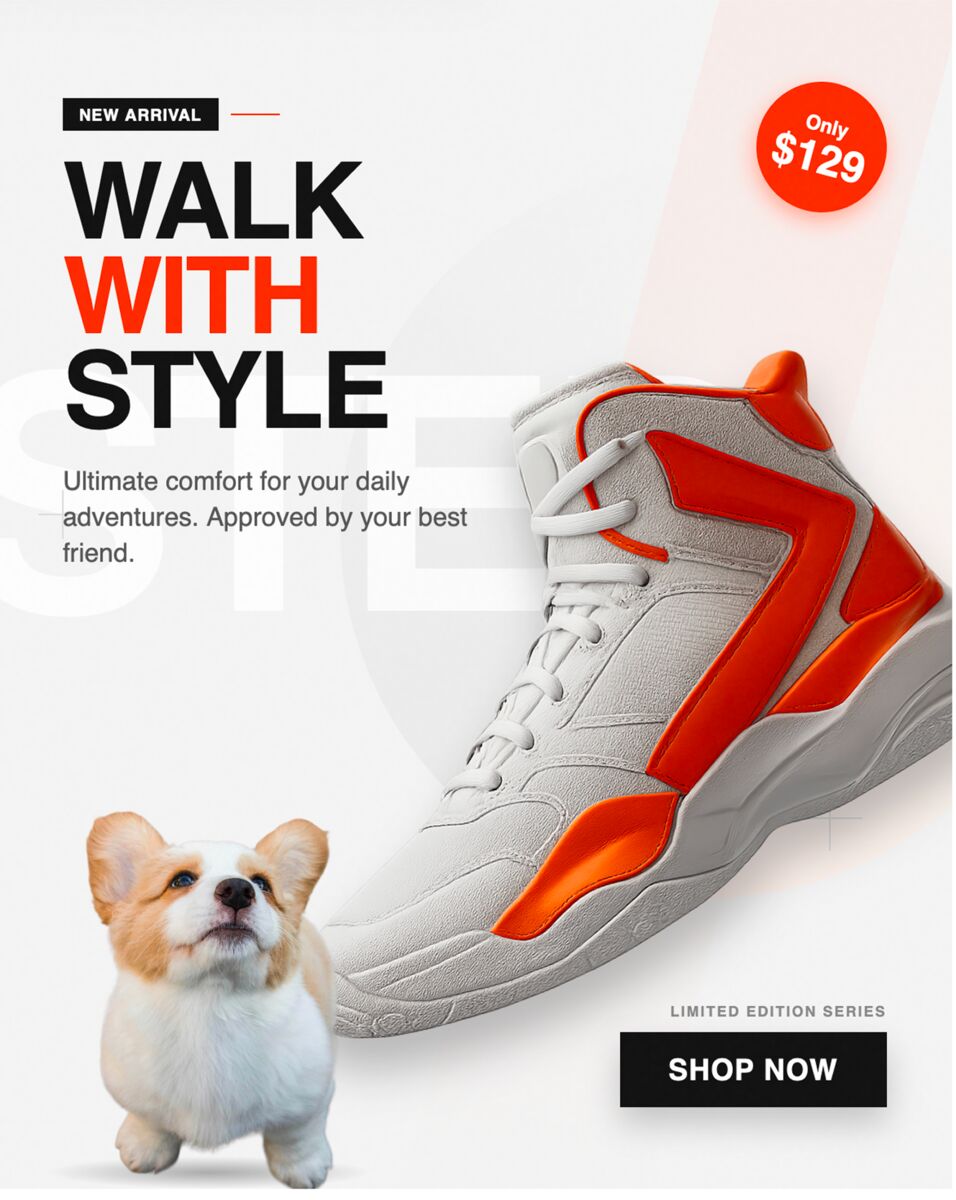
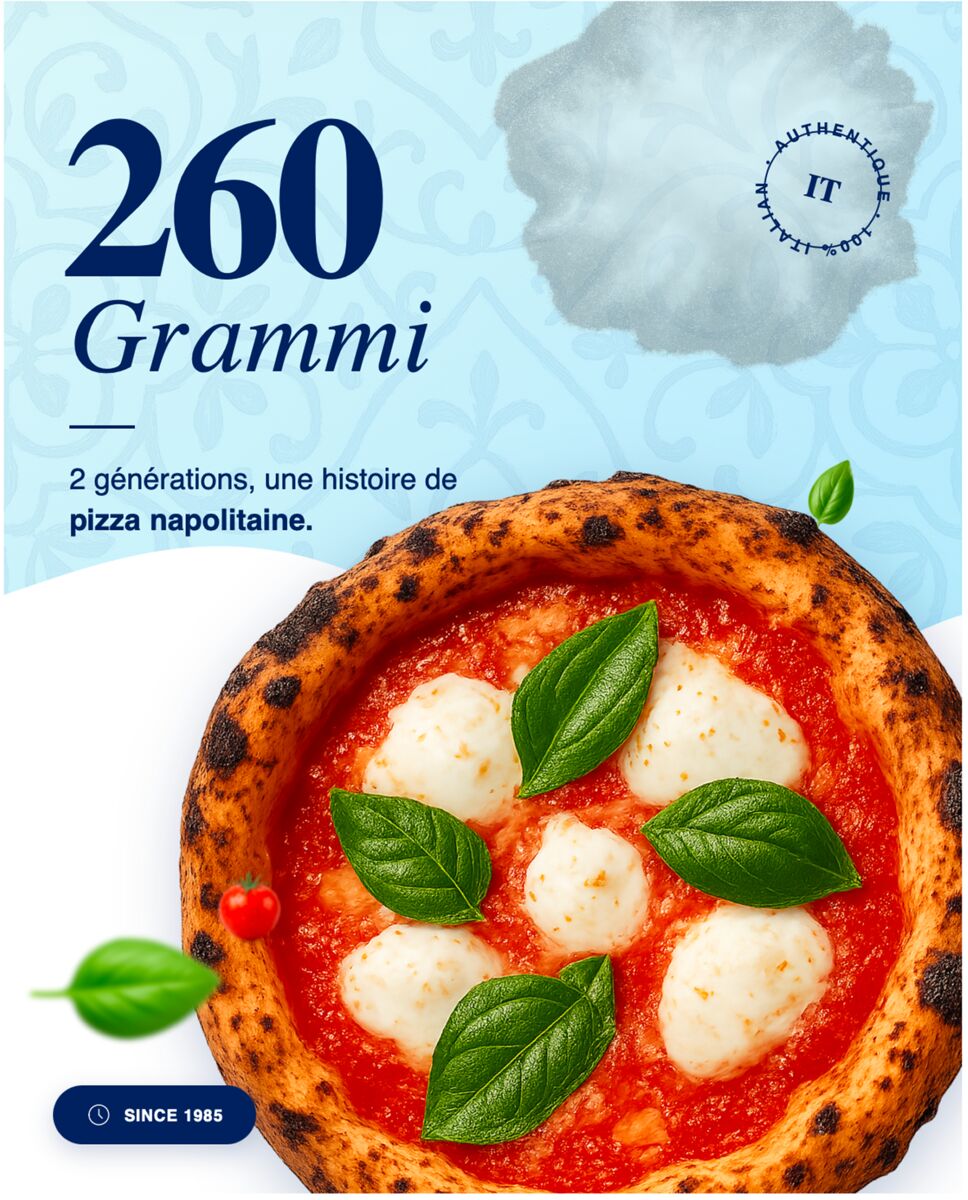
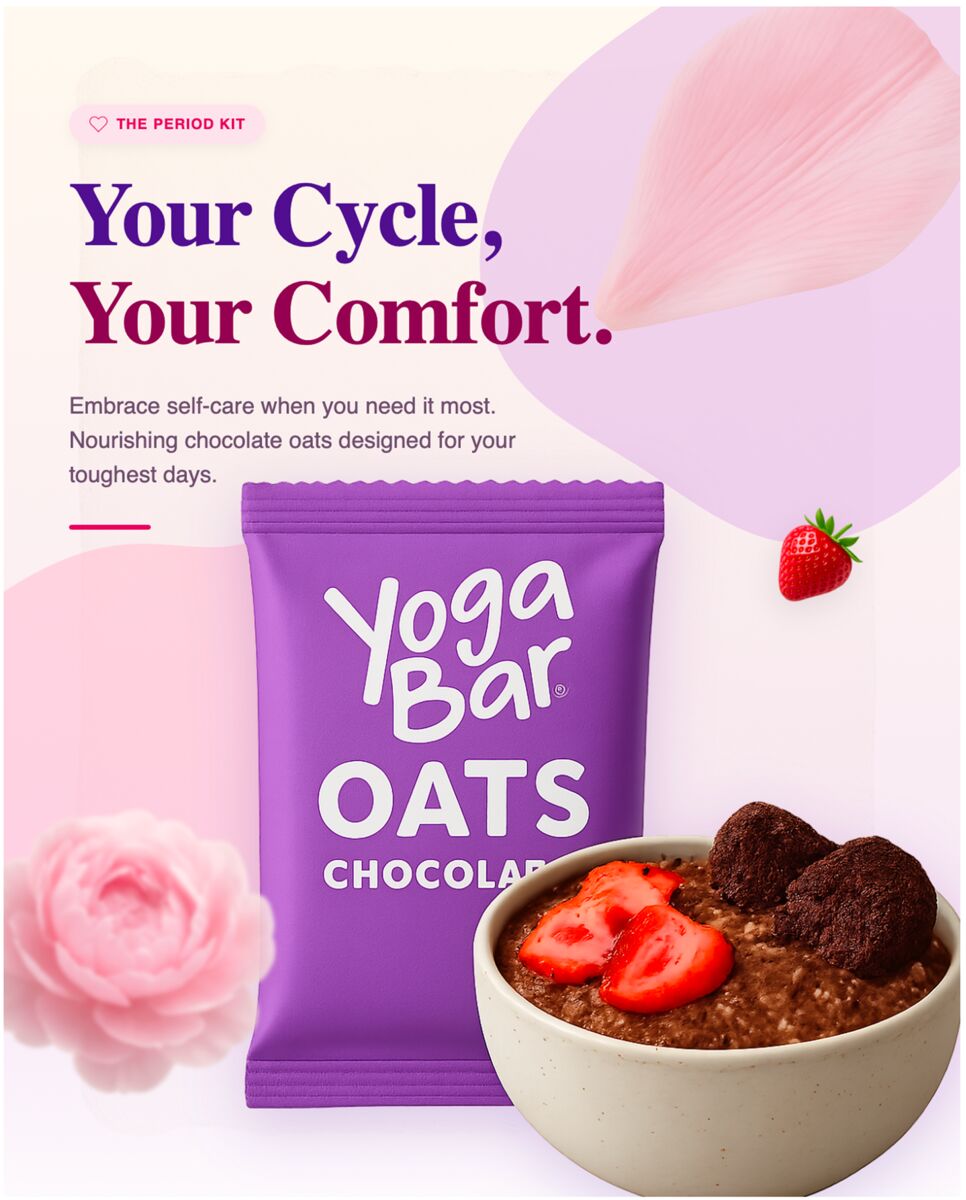
Enter a detailed prompt into DesignLumo: "24x36" event poster, bold headline, space for QR code, brand X colors, modern sans‑serif, balanced negative space." Lumo outputs a fully layered PSD/AI file with editable text layers, image placeholders, and smart objects. Export to Figma or directly to client for instant tweaks. Record generation time (average 45 seconds) and compare against manual Illustrator builds to demonstrate a 70% speed gain.
Midjourney for Concept Imagery + Lumo Layer Integration
Run Midjourney with a prompt like "vibrant neon cityscape, low angle, cinematic lighting" to produce 4 concept images. Download the 1024 px PNGs, then drag them into DesignLumo's image placeholder layer; Lumo will automatically mask and convert them into editable smart objects. This hybrid workflow yields unique visuals while retaining editability, cutting stock‑photo licensing costs by up to 80% and reducing iteration cycles from days to minutes.
Canva Quick Mockups for Stakeholder Review
Export Lumo's layered PDF and import into Canva as separate pages. Use Canva's comment feature to gather client feedback within 24 hours. Because Canva preserves vector layers, designers can instantly swap fonts or colors without leaving the platform. Track approval time; agencies typically see a 40% reduction in review cycles when leveraging Canva's collaborative canvas alongside Lumo's AI generation.
3. Speedy Iteration & Collaboration
DesignLumo Brand Kit Sync for Consistency
Upload your agency's master brand kit (logos, palettes, font files) to DesignLumo's cloud. Enable "auto‑apply" so every new poster prompt inherits these assets without manual re‑entry. Set version control to lock palettes after client sign‑off; Lumo will flag any deviation. Measure compliance by auditing 20 recent posters; aim for 0% brand‑drift incidents, a metric that directly protects agency reputation.
Figma Live Collaboration with Lumo Export
After generating a poster in DesignLumo, export the file as an SVG bundle and open it in Figma. Invite copywriters, motion designers, and account managers to edit text, swap images, or animate elements in real time. Use Figma's version history to revert any unwanted changes. Agencies report a 25% cut in hand‑off errors when Figma is paired with Lumo's AI‑first assets.
Automated PDF Proofing via Zapier + Lumo
Create a Zapier workflow: when a new file lands in a designated Google Drive folder (output from Lumo), Zapier triggers PDF.co to generate a proof PDF, then sends it to Slack with a pre‑filled approval button. Once approved, Zapier moves the file to the final assets folder and notifies the production team. This automation reduces manual proof turnaround from 2 hours to under 10 minutes, boosting on‑time delivery rates to 98%.
4. Performance Tracking & Optimization
A/B Test Poster Variants with Google Optimize
Upload two Lumo‑generated poster variants (different headline copy or color emphasis) to a landing page. Use Google Optimize to serve each variant to 50% of visitors and measure click‑through rate (CTR) and conversion lift over a 7‑day window. Document the winning variant's uplift (e.g., +12% CTR) and feed the insight back into the brand‑first mood board for future projects, creating a data‑backed design loop.
Heatmap Analytics for Print‑to‑Digital Scan
Place a unique QR code on each printed poster that leads to a trackable URL. Use Hotjar's heatmap on the landing page to see where scan users click after arriving. If 70% of clicks concentrate on the call‑to‑action area, the poster's visual hierarchy is effective. Adjust future layouts based on these insights, aiming for at least a 5% increase in post‑scan engagement per iteration.
ROI Dashboard in Looker Studio
Connect Google Sheets (tracking spend, impressions, QR scans, and conversions) to Looker Studio. Build a dashboard that auto‑calculates cost‑per‑lead (CPL) and return on ad spend (ROAS) for each poster campaign. Set alerts for CPL spikes >20% YoY, prompting a design review. Agencies that monitor these metrics in real time typically improve campaign profitability by 15% within the first quarter.
Before you go
- Batch generate multiple poster concepts in DesignLumo with a single prompt list to leverage AI parallelism.
- Save each Lumo layer as a component in Figma for instant reuse across different event themes.
- Lock brand palette versions in DesignLumo before client review to prevent accidental color drift.
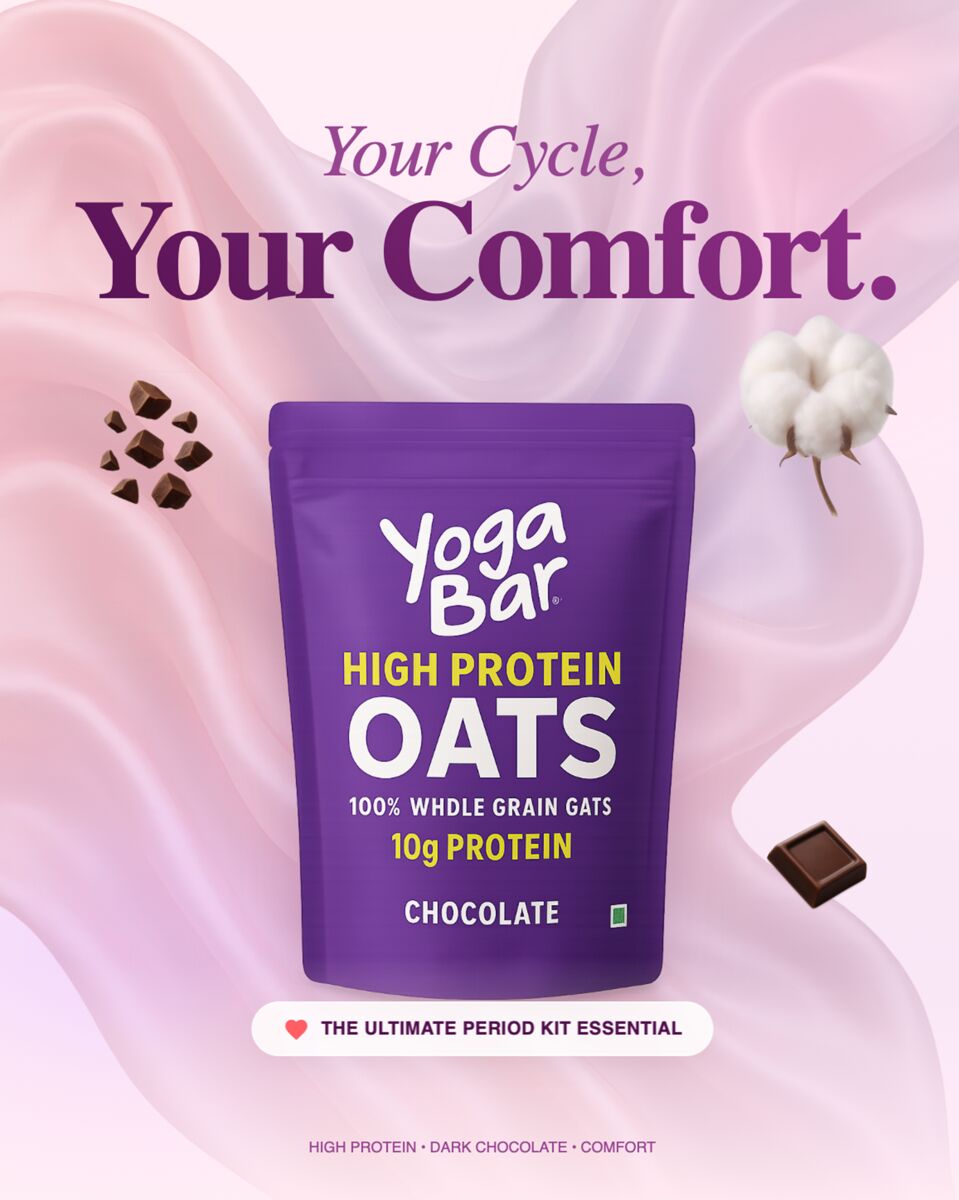
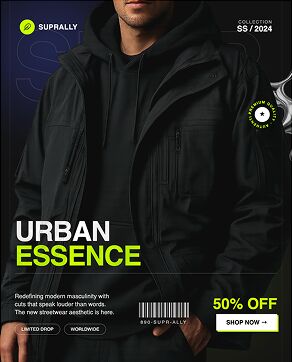
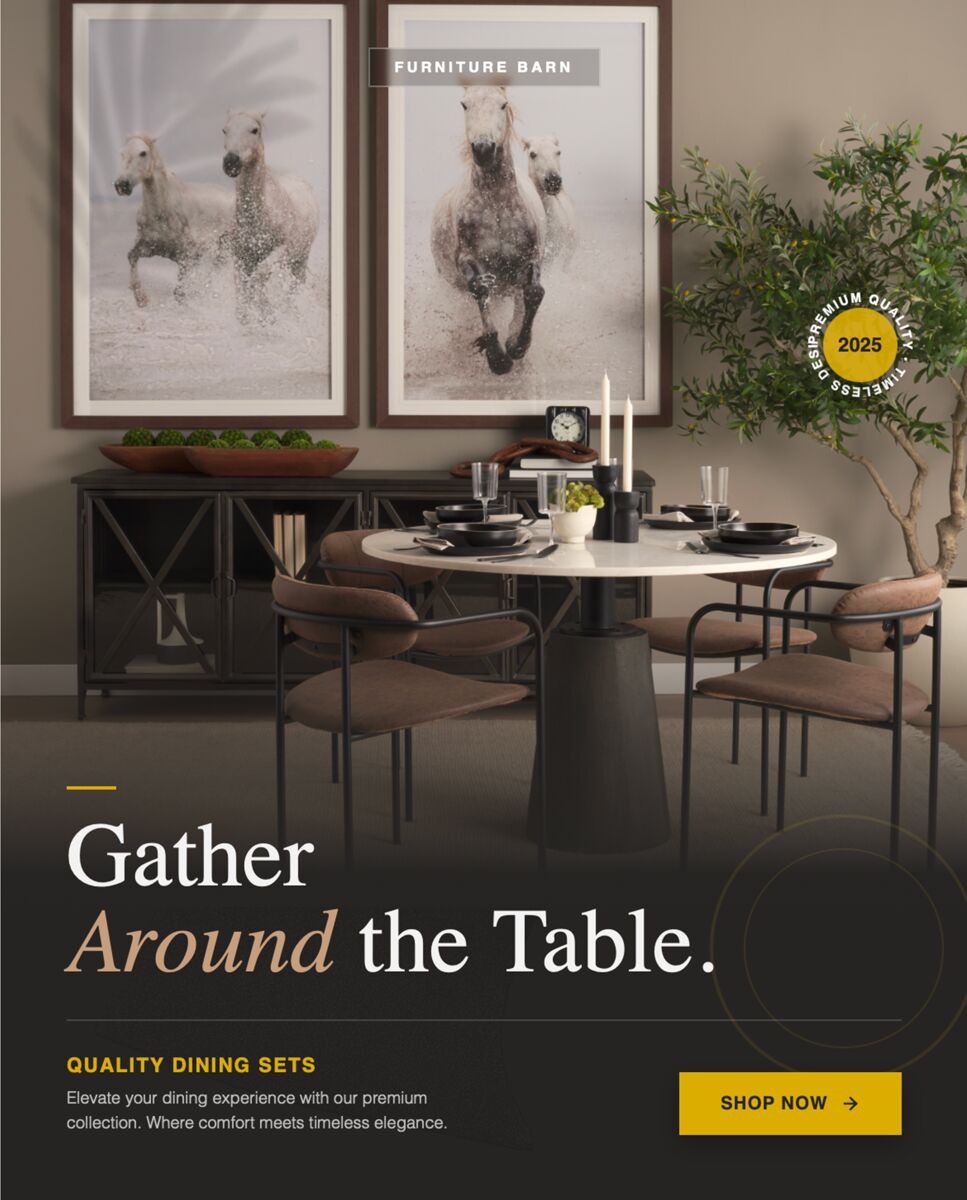
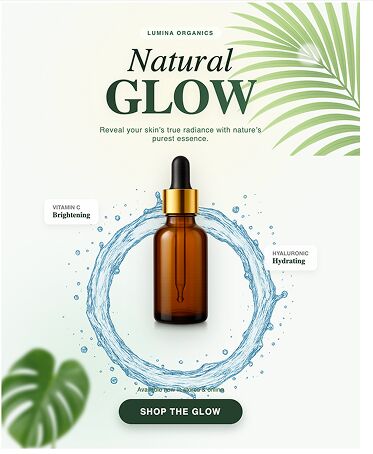


Ready to create your first design?
Join thousands creating professional designs in seconds.
Create with DesignLumo
Related Resources
Practical Branding Templates Agencies Can Use This Week
Actionable template systems with vetted links for strategy, production, QA, and handoff.
Print Materials Design Playbook for Agencies
Tactical guide to create flawless flyers, brochures, menus, and more at scale.
Infographic Mastery Guide for Branding Agencies
Tactical playbook for agencies to create brand‑consistent infographics fast.
Ultimate Social Media Post Blueprint for Brand Agencies
Actionable tactics to design, scale, and deliver social posts across platforms.
Valentine's Day Agency Design Playbook
Tactical guide for branding agencies to launch love-themed campaigns fast and at scale.
YouTube Content Ideas for Branding Agencies
Tactical YouTube concepts to help branding agencies scale visual assets.