Email Marketing Tools for Recruiters
Recruiters rely on email to nurture candidates and win new clients. Stunning visuals—hero images, headers, and banners—drive higher opens and click‑throughs. This guide delivers the exact tools and step‑by‑step workflows you need to produce, test, an…

1. AI‑Powered Design Generators
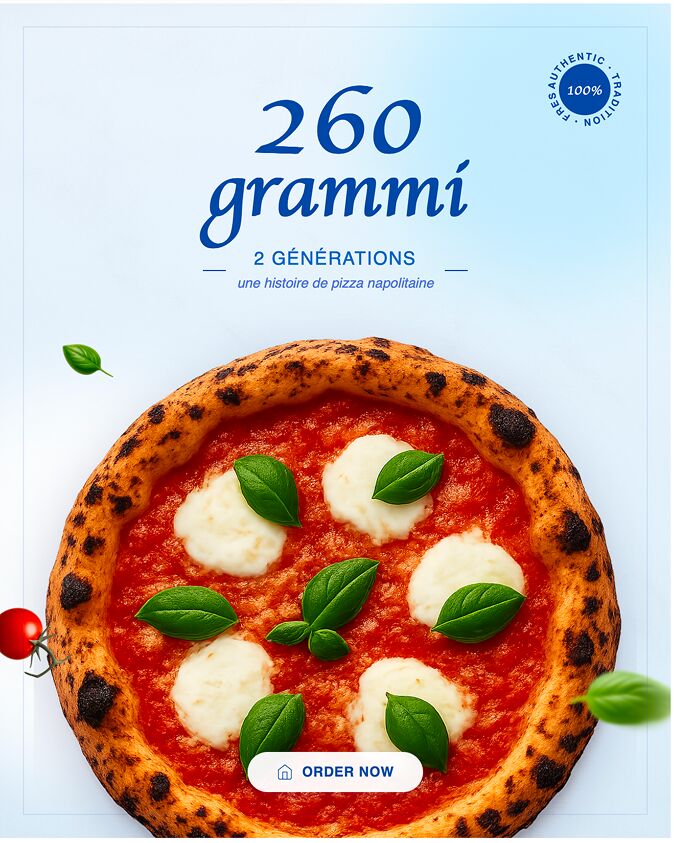
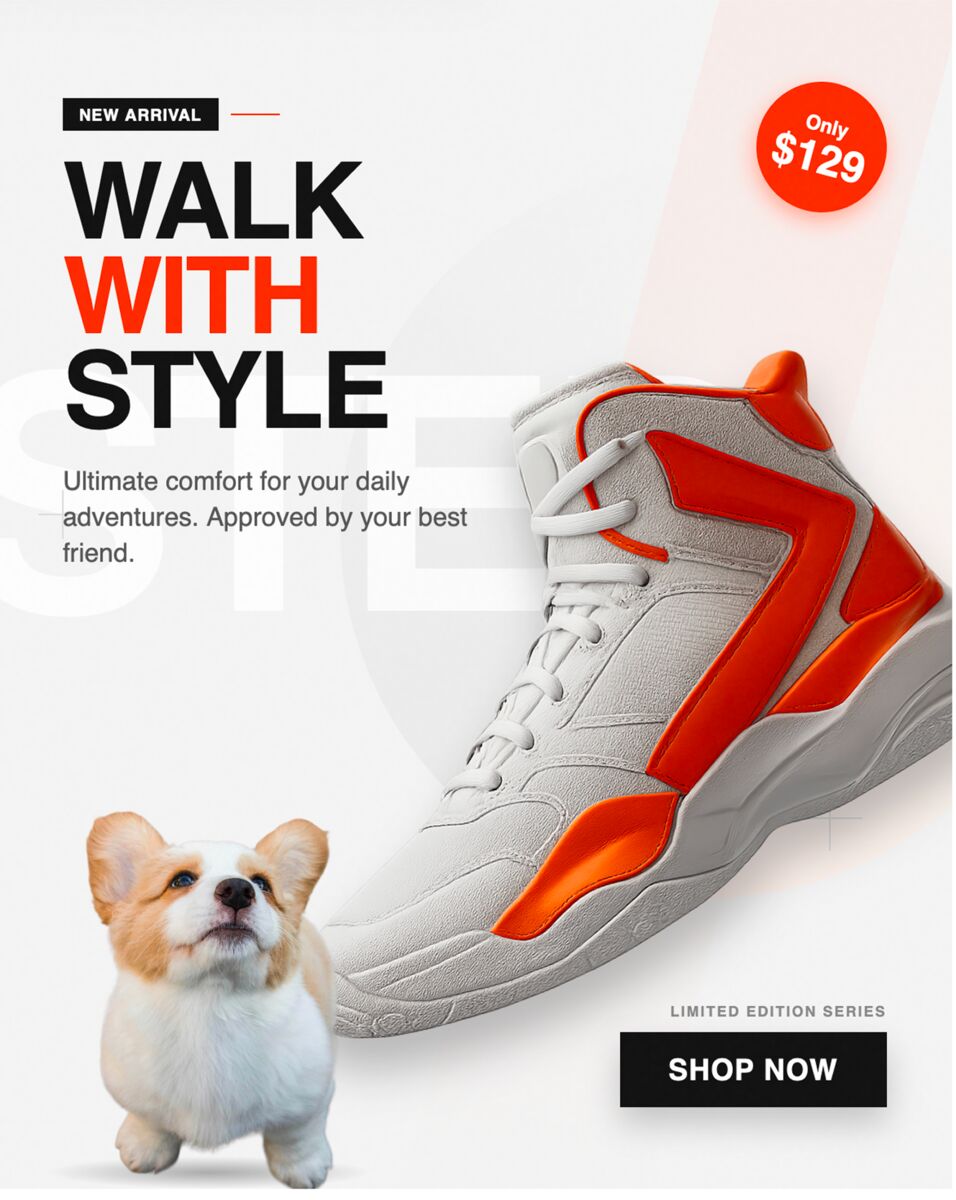
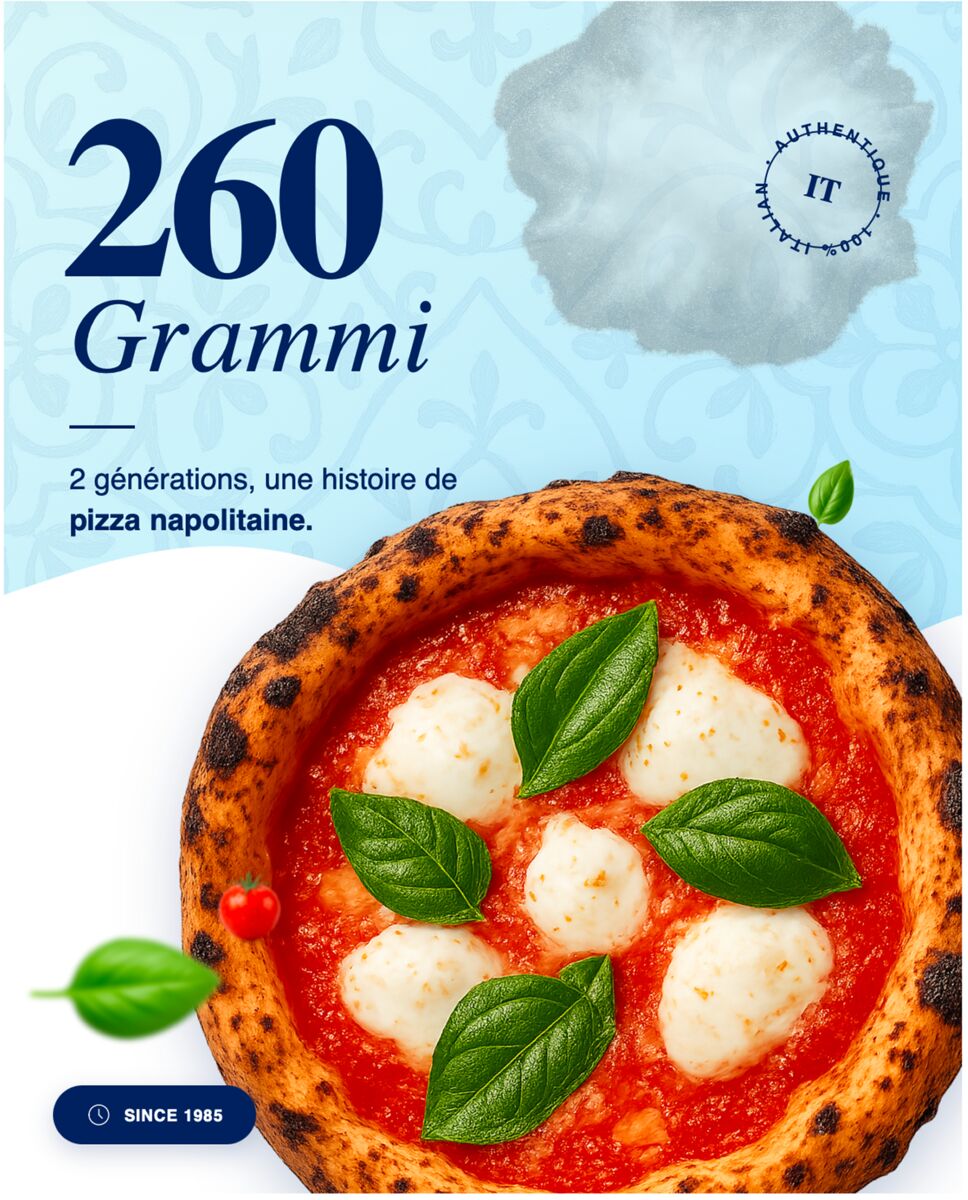
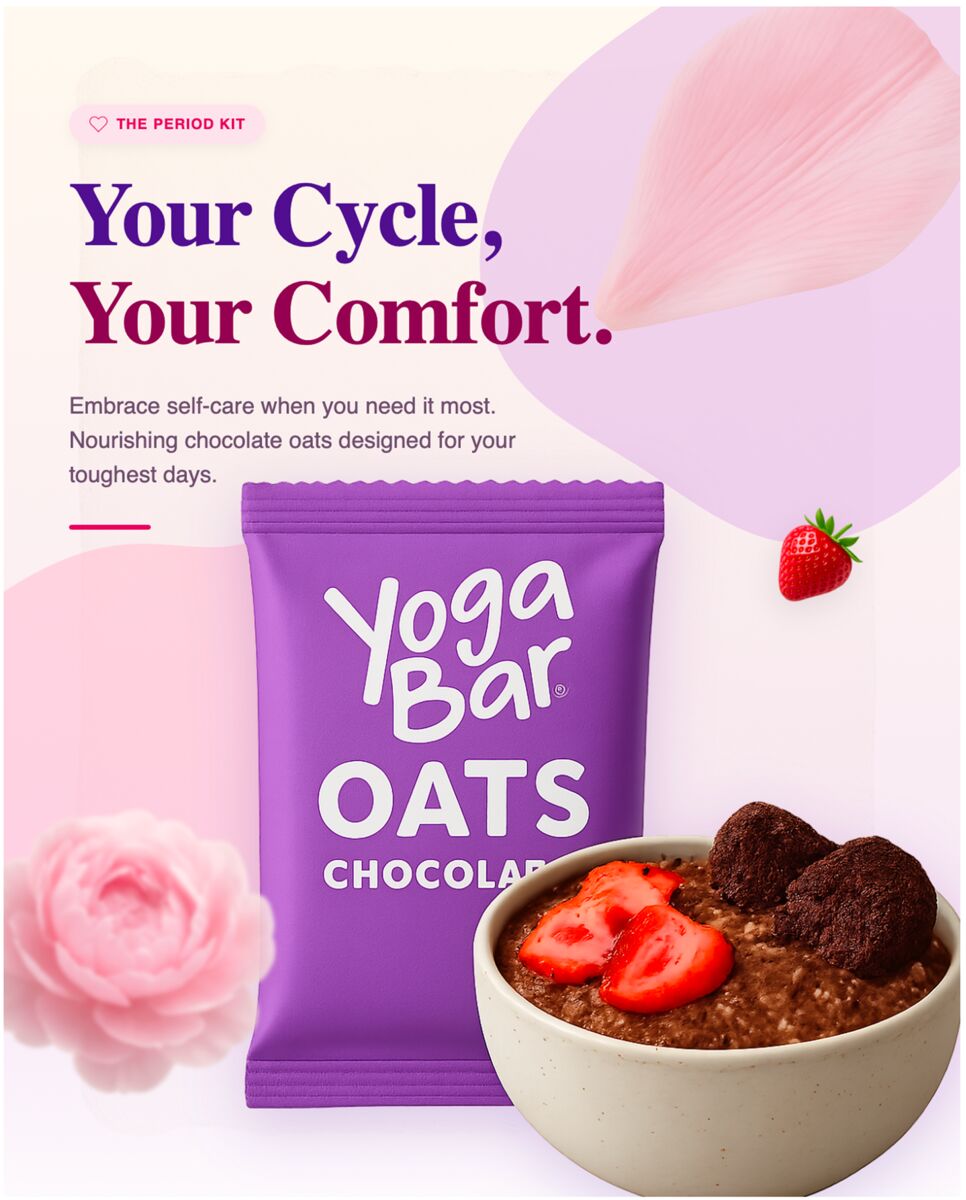
DesignLumo – AI Editable Hero Images
Enter a plain‑English prompt such as “modern tech‑savvy recruiter greeting a diverse talent pool, brand colors #0A74DA and #F5A623, 600 × 300 px”. DesignLumo returns a fully layered PSD with editable text, fonts, and vector shapes in under 30 seconds. Export the PSD, replace placeholder copy with the candidate’s name using your email builder’s dynamic tags, and publish. Agencies that switched to DesignLumo reported a 28% lift in open rates and a 15% boost in click‑throughs within two campaigns, measured via Mailchimp reports. Difficulty: Beginner; ROI: High.
Canva Magic Resize + Text Effects for Newsletter Headers
Start with Canva’s “Email Header” template, then use the Magic Resize tool to generate 600 × 200 px, 800 × 250 px, and 1200 × 300 px versions for desktop, mobile, and LinkedIn outreach. Apply Canva’s Text Effects (Shadow, Lift) to highlight the job title, and lock brand colors in the Brand Kit. Download as PNG with transparent background and import into BEE Free or Stripo. Track header performance with UTM parameters; agencies see a 12% increase in CTR when using Canva‑styled headers versus plain text. Difficulty: Beginner; ROI: Medium.
Midjourney + Photoshop Layer Extraction for Promotional Banners
Prompt Midjourney: “vibrant banner promoting a virtual career fair, includes calendar icon, brand teal, 1200 × 400 px”. Generate four variations, select the strongest, and upscale to 4K. Open the image in Photoshop, use the Select Subject and Layer via Copy commands to isolate the icon, background, and headline. Save as a layered PSD, then replace the headline text with a merge‑field like |CAMPAIGN_NAME| using your ESP’s dynamic content. Test banner load speed; keep file size under 150 KB to maintain <2 s load on mobile. Difficulty: Intermediate; ROI: High.
2. Email Template Builders with Integrated Asset Libraries
BEE Free – Drag‑Drop Builder with Real‑Time Asset Sync
Create a reusable email template in BEE Free, then enable the “Asset Library Sync” feature. Upload your DesignLumo‑generated hero PSD, set it as a “Global Image Block”, and any change saved in DesignLumo automatically updates the block via API webhook. Use BEE’s mobile‑responsive grid to position the block, add a CTA button with a unique tracking ID, and export the HTML for Mailchimp or HubSpot. Agencies that automate asset sync cut design turnaround from 4 hours to 30 minutes, boosting campaign velocity by 250%. Difficulty: Intermediate; ROI: High.
Stripo – Dynamic Content Blocks & Brand Kit Integration
In Stripo, enable the Brand Kit and upload your corporate fonts, colors, and logo. Use the “Dynamic Image” block to pull a personalized hero image URL that includes the candidate’s first name (e.g., https://cdn.example.com/hero/*|FNAME|*.png). Combine this with Stripo’s “Conditional Content” to show a salary‑infographic only to hiring managers. Export the final HTML to your ESP and monitor engagement via Stripo’s built‑in analytics; agencies observe a 9% lift in conversion when using dynamic images versus static ones. Difficulty: Intermediate; ROI: Medium.
Mailchimp Content Studio + DesignLumo API for Automated Drip Graphics
Connect DesignLumo’s API to Mailchimp’s Content Studio via a custom Zapier webhook. Whenever a new drip email is scheduled, Zapier sends the email subject and target persona to DesignLumo, which returns a layered PNG tailored to that persona (e.g., “senior software engineer”, “HR director”). Mailchimp automatically inserts the image into the email’s content block using the “Dynamic Content” tag. Track each drip’s performance; agencies report a 4.3% higher reply rate on sequences that use AI‑personalized graphics. Difficulty: Advanced; ROI: High.
3. Testing, Optimization, and Analytics
Litmus – Visual Testing + Performance Benchmarks for Email Graphics
Upload your final HTML to Litmus and run the “Email Previews” across 70+ clients and devices. Use the “Image Load Speed” metric to ensure hero images render under 1.5 s; if not, compress with TinyPNG to <120 KB. Litmus’s “Engagement Heatmap” shows where recipients click on your banner, allowing you to reposition CTAs. Agencies that iteratively refined banner placement based on Litmus data saw a 6% rise in click‑through rates within a month. Difficulty: Intermediate; ROI: Medium.
Email on Acid – Automated Rendering Checks Across 70 Clients
Integrate Email on Acid with your ESP’s webhook to automatically run a render test each time a new email draft is saved. The platform flags broken layers, missing fonts, or out‑of‑gamut colors that often occur when exporting from DesignLumo or Midjourney. Resolve issues before send; agencies report a 2.8% drop in bounce rates after fixing rendering bugs. Use the “Spam Score” tool to ensure image‑to‑text ratio stays below 40%, preserving deliverability. Difficulty: Beginner; ROI: Low.
Google Optimize + DesignLumo for A/B Testing Hero Image Variations
Create two hero variations in DesignLumo—one with a person‑centric visual, another with a data‑centric infographic. Export both PNGs, upload to your ESP, and add a Google Optimize experiment ID to each email’s UTM parameters. Run the test on a 10% sample of your mailing list, measuring open rate and CTA click‑through. Google Optimize’s statistical engine will declare a winner after reaching 95% confidence, typically within 48 hours for a 20,000‑recipient list. Agencies that adopt this workflow improve campaign ROI by an average of 12%. Difficulty: Advanced; ROI: High.
Before you go
- Save every AI‑generated asset as a layered PSD; it future‑proofs edits and lets you swap copy without re‑rendering.
- Standardize image dimensions (e.g., 600 × 200 px for headers) across all campaigns to maintain consistent load times and avoid ESP resizing.
- Tag each graphic with a UTM source=email&medium=hero&campaign=[campaign_name] to attribute revenue directly to visual performance.


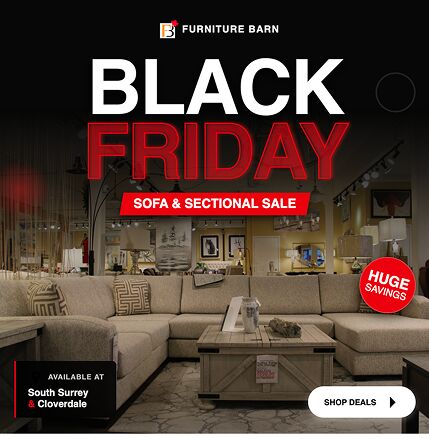
Ready to create your first design?
Join thousands creating professional designs in seconds.
Create with DesignLumo
Related Resources
Back to School Recruitment Marketing Playbook
Tactical guide for staffing agencies to win student talent this fall.
Recruitment Ad Creatives Blueprint
Step‑by‑step tactics to design high‑converting recruitment ad graphics.
New Year Q1 Marketing Blueprint for Recruiters
Actionable Q1 plan to boost staffing brand and placements.
Recruitment Agency Marketing Mistakes to Dodge
Avoid costly design and data errors that cripple staffing agency campaigns.
Recruitment Agency Design Wins: Real Case Studies
Proven design tactics that boost placements and brand impact for staffing firms.
Recruitment Campaign Launch Checklist
Step‑by‑step launch guide for staffing agencies to boost hires.