Email Design Toolkit for Music Schools
Music and art schools rely on visually compelling emails to fill recitals, sell summer camps, and showcase student talent. The right design tools cut production time and keep brand consistency across newsletters, promos, and drip campaigns. This guid…

1. Design Creation
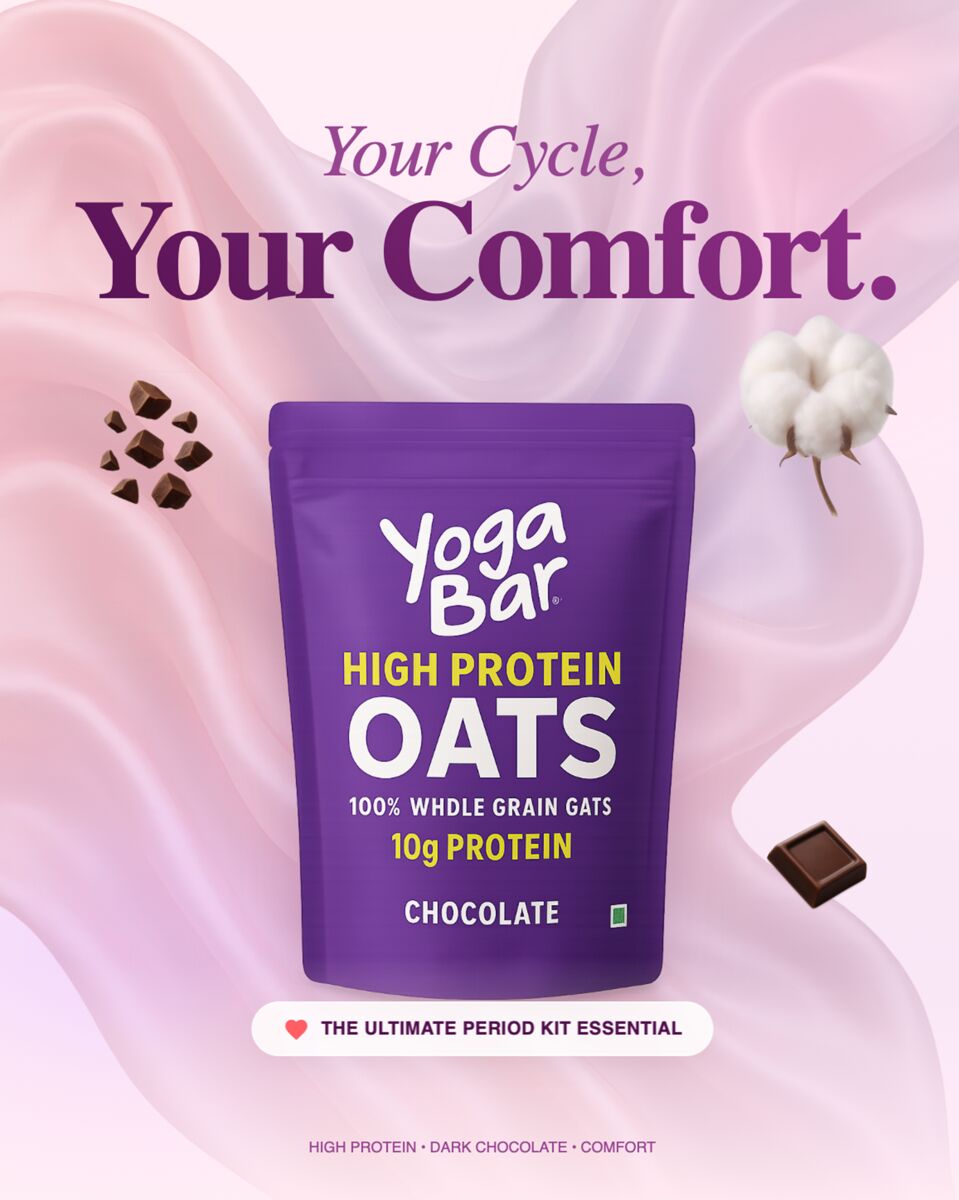
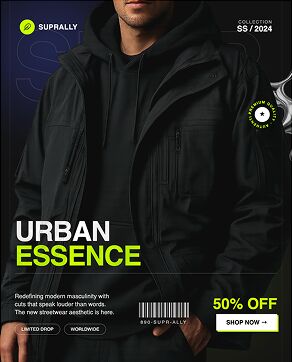
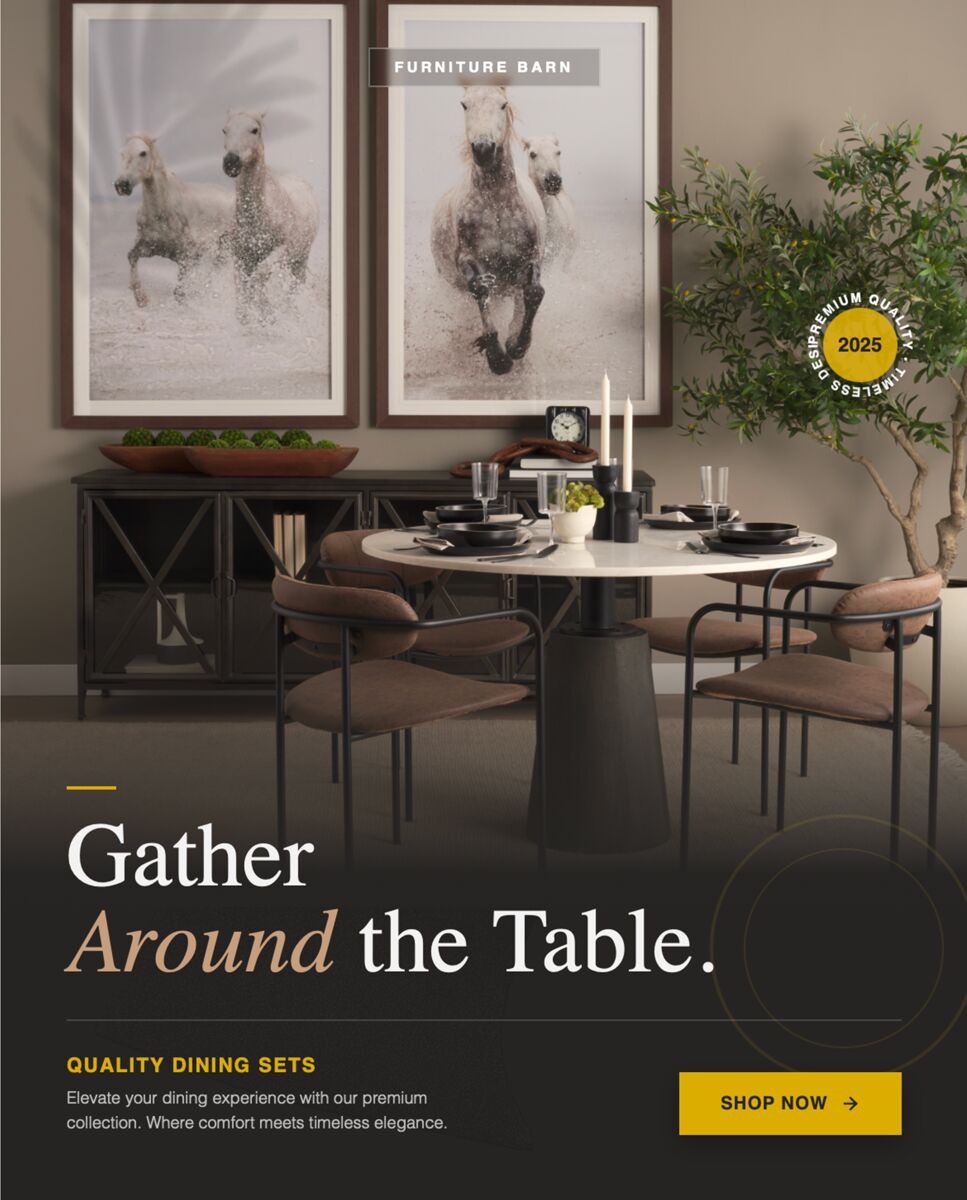
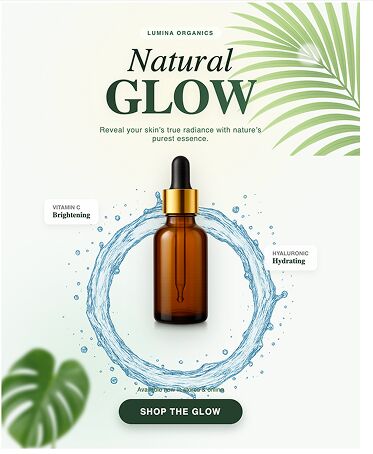
AI‑Generated Hero Images with DesignLumo
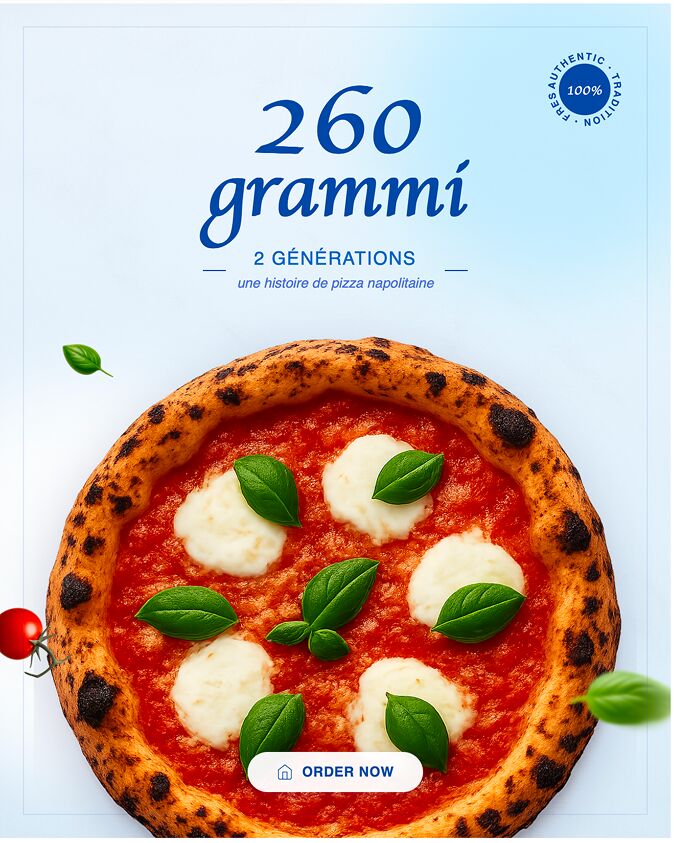
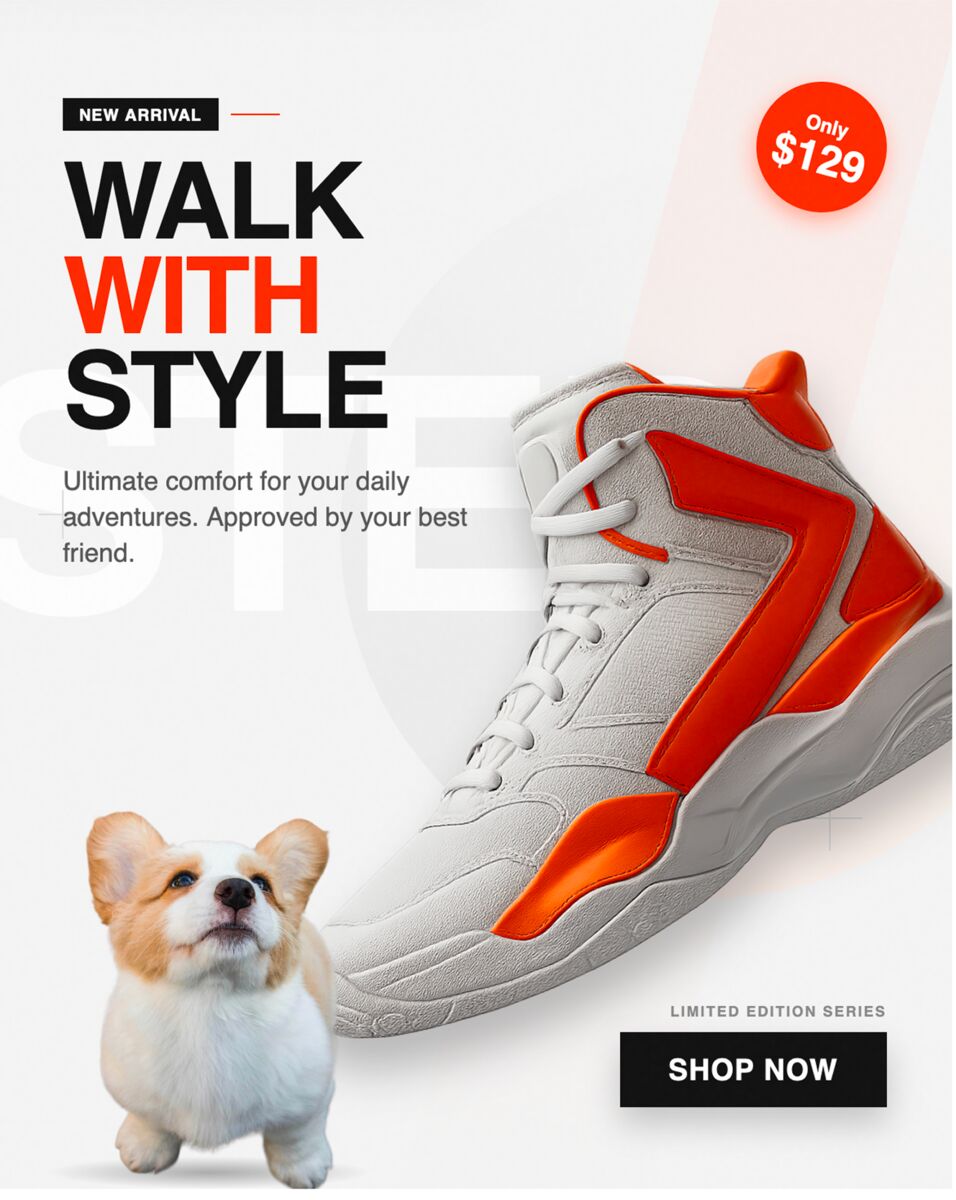
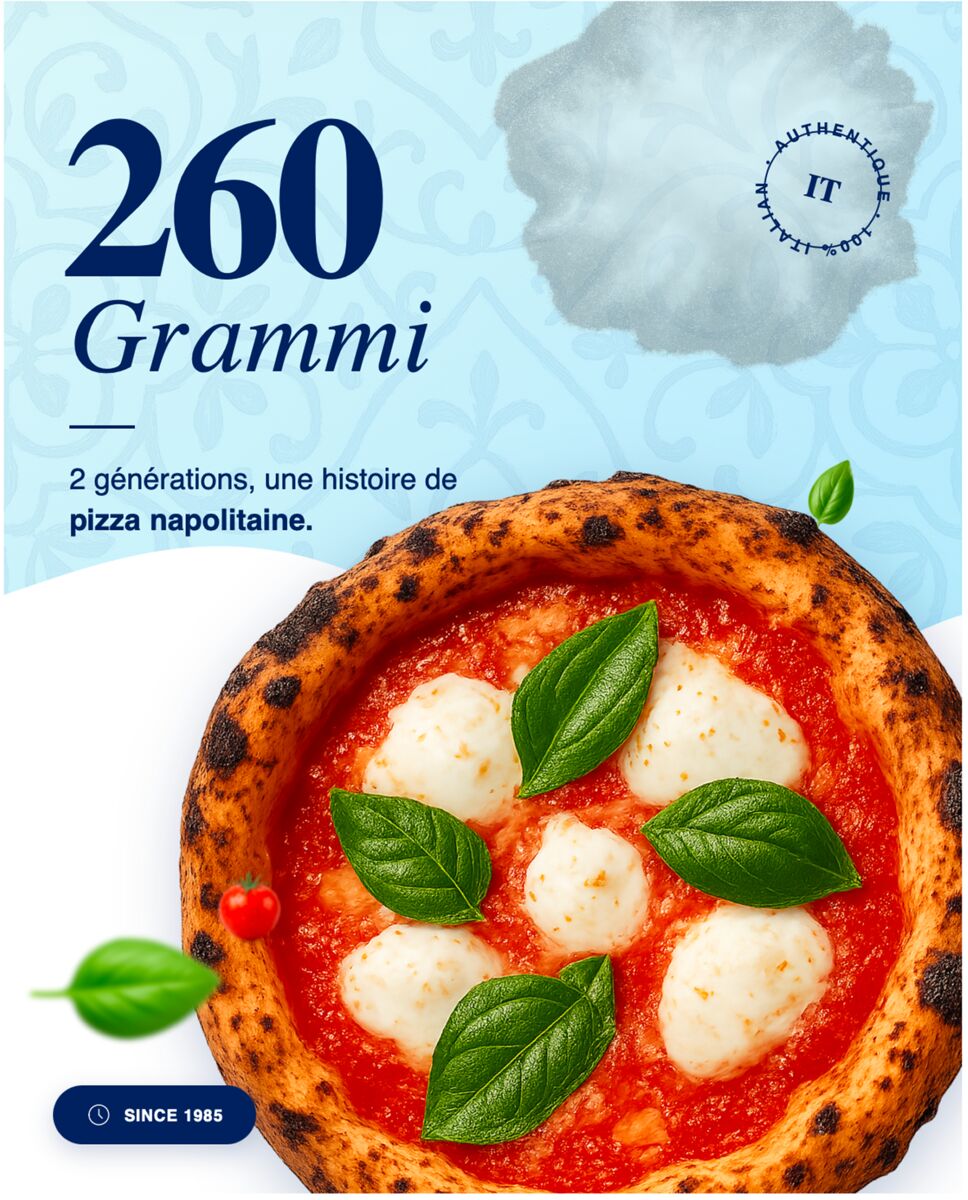
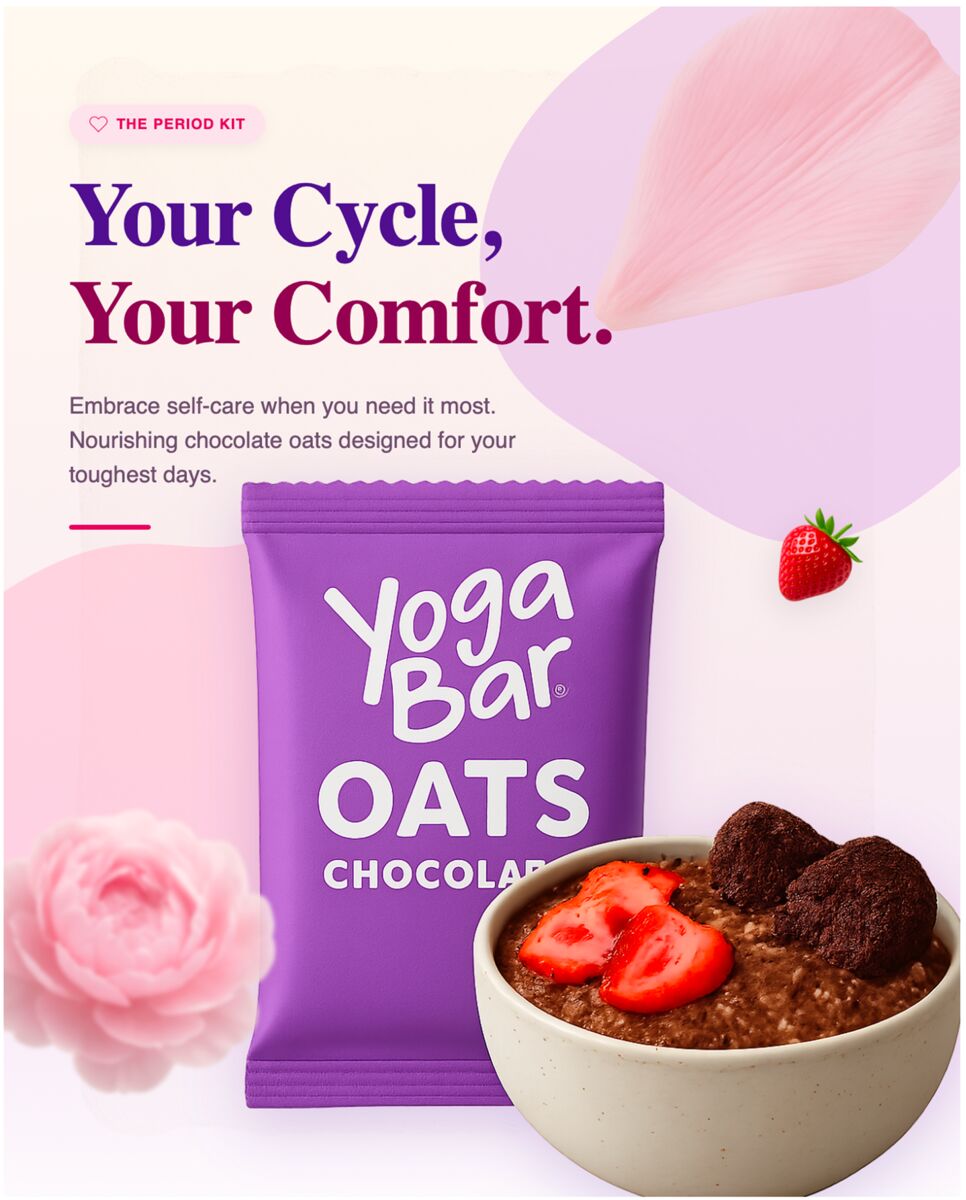
Open DesignLumo, input a prompt like “vibrant jazz trio on stage with warm lighting, brand colors teal and gold”, and generate a layered PSD in under 30 seconds. Use the built‑in Brand Kit to lock fonts and palette, then fine‑tune text placement directly in the editor. Export a 600 × 300 px PNG optimized for email, ensuring the file size stays below 150 KB. This workflow eliminates manual Photoshop work, cuts design time by 80%, and guarantees brand‑on‑brand assets for every campaign.
Template‑Free Email Banners in Canva
Create a custom‑size banner (600 × 200 px) in Canva, apply your school’s color swatches, and drag‑drop royalty‑free music icons. Use the “Animate” feature for subtle fade‑in effects, then export as a lightweight GIF under 100 KB. Store the design in Canva’s “Brand Kit” for one‑click reuse across newsletters. This method is ideal for quick seasonal promos, delivering a polished look without learning complex design software.
Custom Illustrations via Midjourney + Photoshop
Prompt Midjourney with “hand‑drawn watercolor piano recital flyer, pastel palette, space for text”, generate four variations, then upscale the chosen image to 2x. Import into Photoshop, add editable text layers, and mask out background to keep file size low. Save as a layered PSD for future edits and export a flattened PNG for email. This workflow yields unique, artistic visuals that differentiate your announcements from generic stock images.
2. Email Delivery & Automation
Mailchimp’s Content Studio for Asset Management
Upload every hero image, banner, and illustration into Mailchimp’s Content Studio. Tag assets with labels like “recital‑2024” or “summer‑camp” and enable “Smart Tags” to auto‑suggest relevant graphics when building a campaign. Use the built‑in image editor to crop to 600 px width, ensuring consistent rendering across clients. This centralized library reduces duplicate uploads by 90% and speeds up campaign assembly to under five minutes.
ConvertKit’s Visual Automation Builder for Drip Sequences
In ConvertKit, create a three‑step drip for new enrollment leads: (1) Welcome email with a DesignLumo‑generated welcome banner, (2) Follow‑up showcasing instructor spotlights using Canva‑styled cards, (3) Final push with a Midjourney illustration of the upcoming recital. Drag‑and‑drop each step, set 2‑day delays, and embed personalized UTM parameters. Track open rates per step; typical schools see a 12% lift after implementing visual‑rich drips.
Klaviyo’s Dynamic Blocks for Instructor Spotlights
Sync your student‑management system (e.g., MindBody) with Klaviyo to pull instructor names, bios, and custom photos stored in DesignLumo. Use Klaviyo’s “Dynamic Content” block to auto‑populate each email with the correct instructor’s hero image and a call‑to‑action button linking to their profile. This personalization boosts click‑through rates by 8–10% and eliminates manual copy‑pasting for weekly newsletters.
3. Performance & Optimization
Litmus Email Preview & Rendering Test
Before sending, run each campaign through Litmus’s “Email Previews” to view how hero images render on Gmail, Outlook, Apple Mail, and mobile clients. Pay special attention to image width (keep ≤600 px) and alt‑text for accessibility. Resolve any broken links or clipped graphics; Litmus reports a 4% increase in deliverability when images pass its “render check”.
TinyPNG Image Compression for Faster Load
Upload each PNG hero image to TinyPNG, enabling the “Maximum Compression” setting. Aim for final file sizes under 150 KB while maintaining visual quality above 90% (TinyPNG’s preview shows a side‑by‑side comparison). Faster‑loading images reduce email load time, which correlates with a 3% lift in open rates for music school newsletters where recipients often view on mobile devices.
Google Analytics UTM Tagging + Heatmap Tracking
Add UTM parameters (utm_source=email&utm_medium=banner&utm_campaign=recital2024) to every banner link. In Google Analytics, monitor traffic, bounce rate, and conversion paths. Pair this with Hotjar heatmaps on the landing page to see where users click on the banner image. Iteratively adjust focal points—e.g., moving the call‑to‑action button to the lower‑right corner—based on heatmap data, typically improving click‑through by 5–7%.
Before you go
- Batch-generate a month’s worth of hero images in DesignLumo using a CSV of prompts; store them in Mailchimp’s Content Studio for instant reuse.
- Always include descriptive alt‑text on email images (e.g., “10‑year‑old violinist performing at Spring Recital”) to boost accessibility and improve spam‑filter scoring.
- Run A/B tests on banner color schemes (warm vs. cool tones) and track conversion via UTM tags; music schools often see a 9% revenue lift from the winning variant.




Ready to create your first design?
Join thousands creating professional designs in seconds.
Create with DesignLumo
Related Resources
Spring Launch Playbook for Music & Art Schools
Actionable spring marketing tactics to fill classes, sell tickets, and boost revenue.
Etsy Essentials: Marketing Tools for Music Schools Success
Actionable Etsy design tools to boost banners, listings, and seasonal promos for music and art schools.
Pinterest Playbook for Music & Art Schools
Tactical Pinterest strategies to fill classes, sell tickets, and grow your creative school.
Instagram Toolkit for Music & Art Schools
Essential Instagram tools and workflows to boost music & art school enrollment.
Twitter/X Content Playbook for Music Schools
Tactical Twitter/X graphics ideas to boost music school enrollment and events.
Product Graphics Playbook for Music Schools
Actionable guide to AI‑powered product graphics that sell music & art school services.