Essential Email Marketing Tools for Freelance Designers
Freelance designers need to churn out email assets without drowning in revisions. The right stack can shave hours off each project and protect profit margins. This guide maps the exact tools and workflows that deliver high‑impact email visuals at sca…

1. AI‑Powered Design Creation
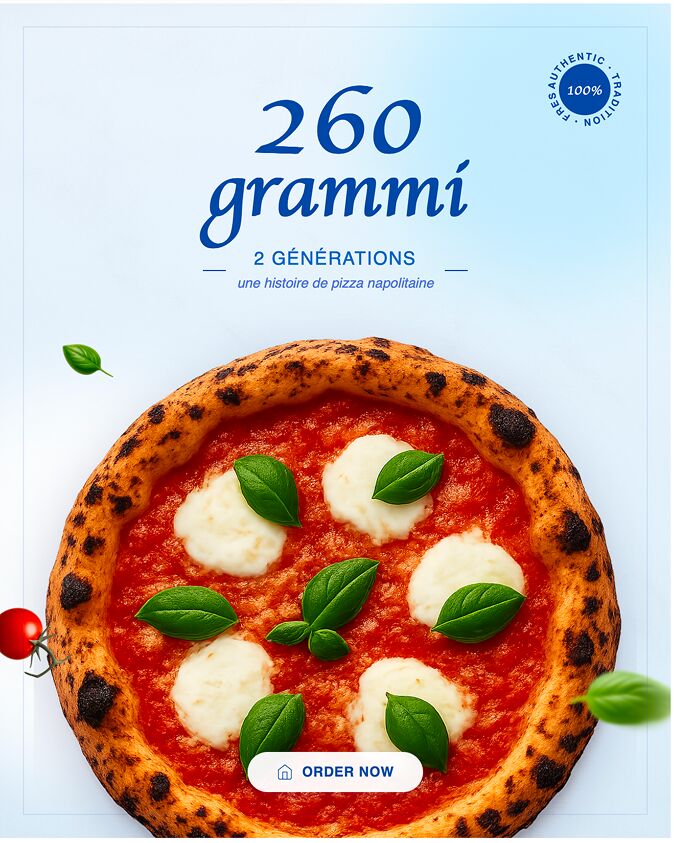
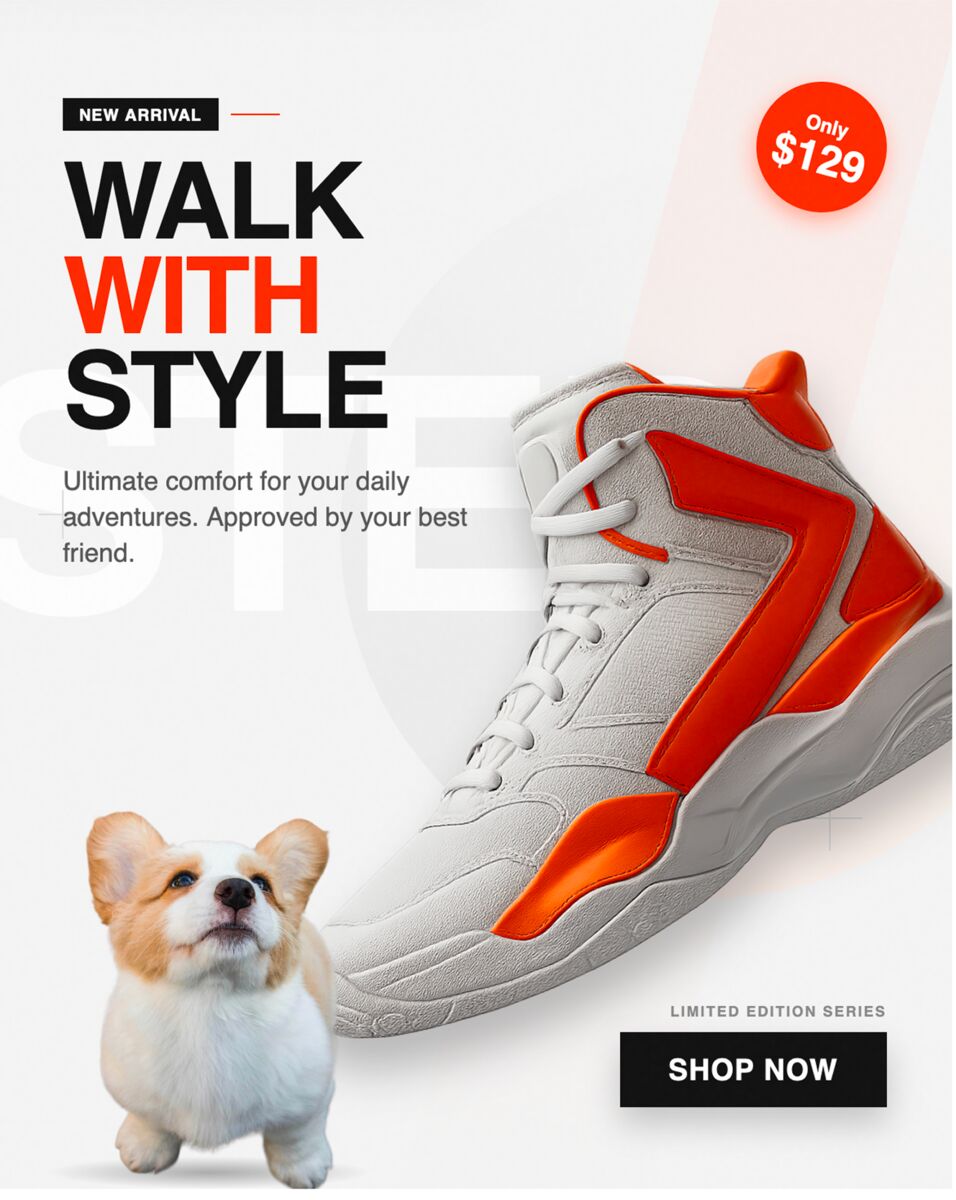
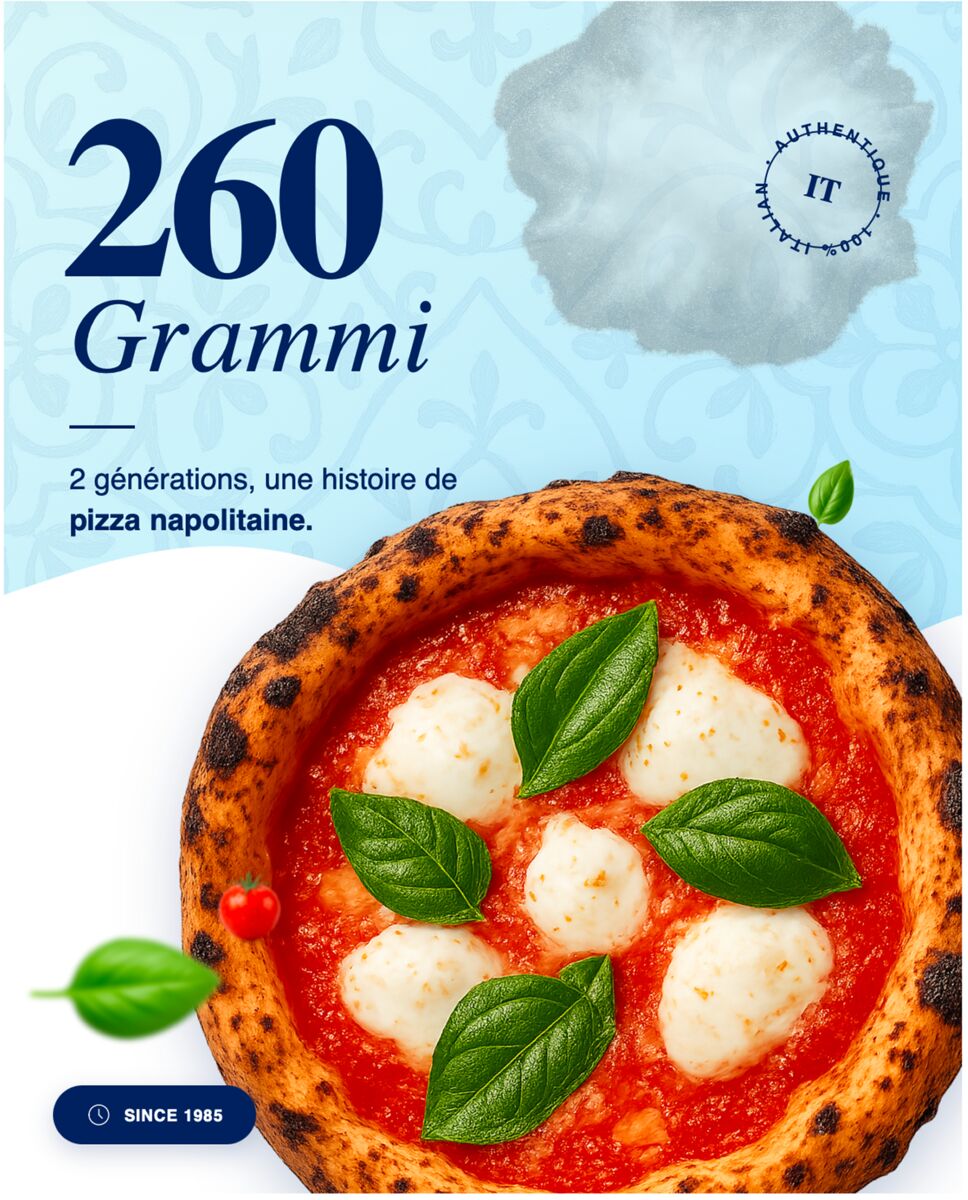
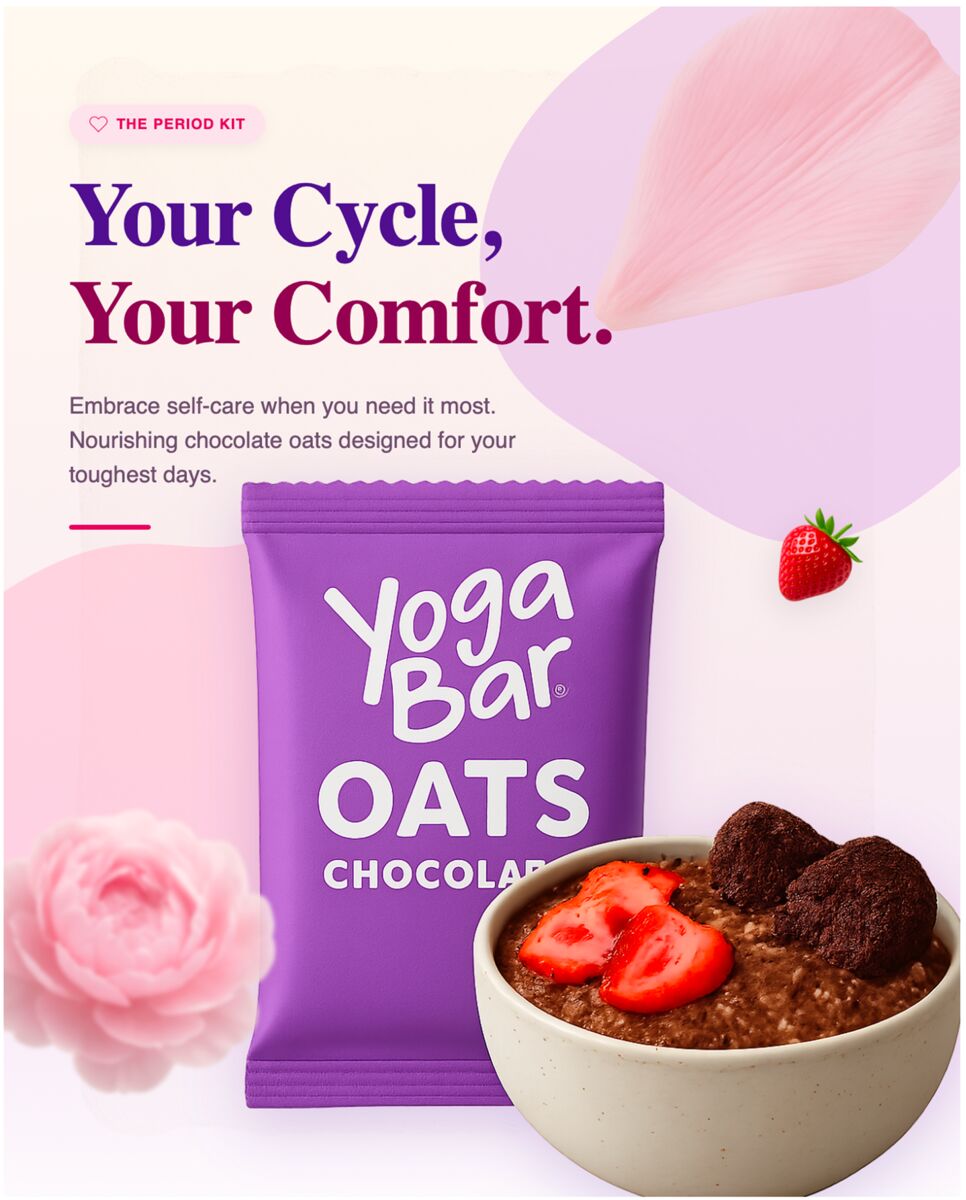
DesignLumo Prompt‑to‑Layered Email Hero
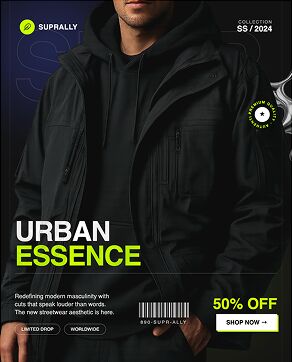
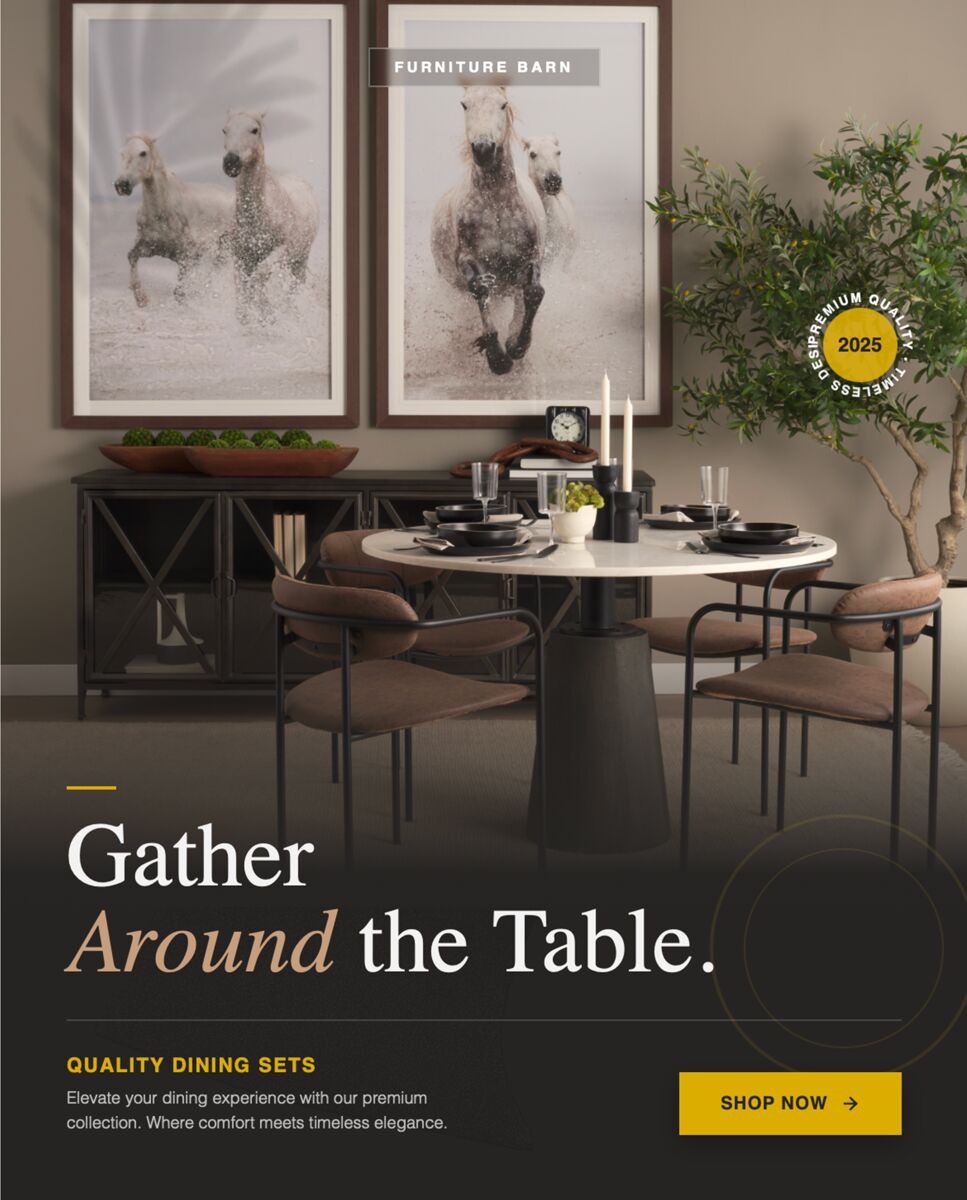
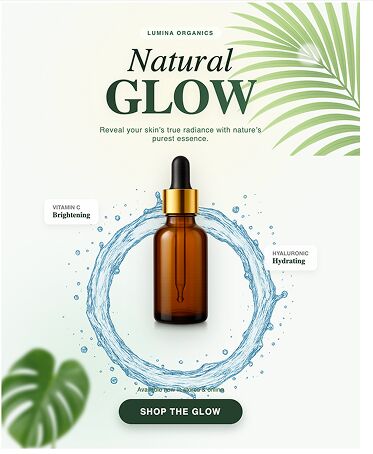
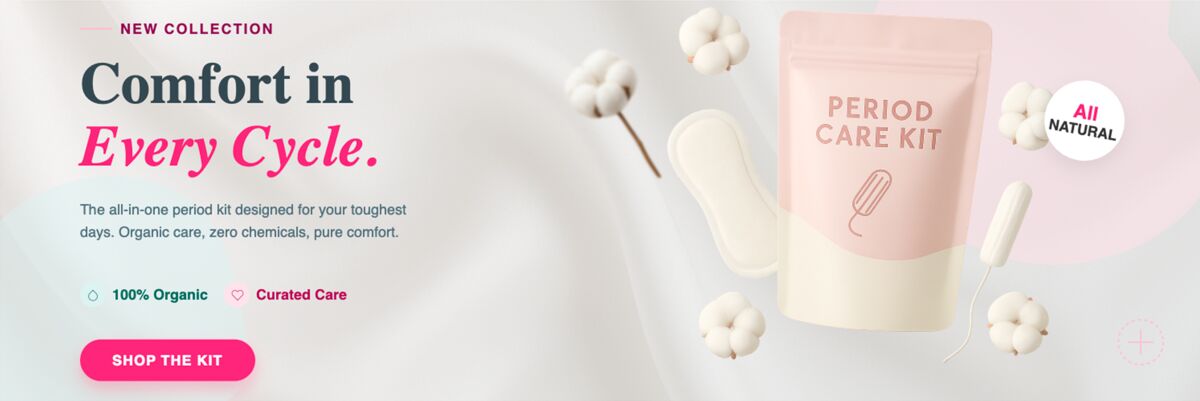
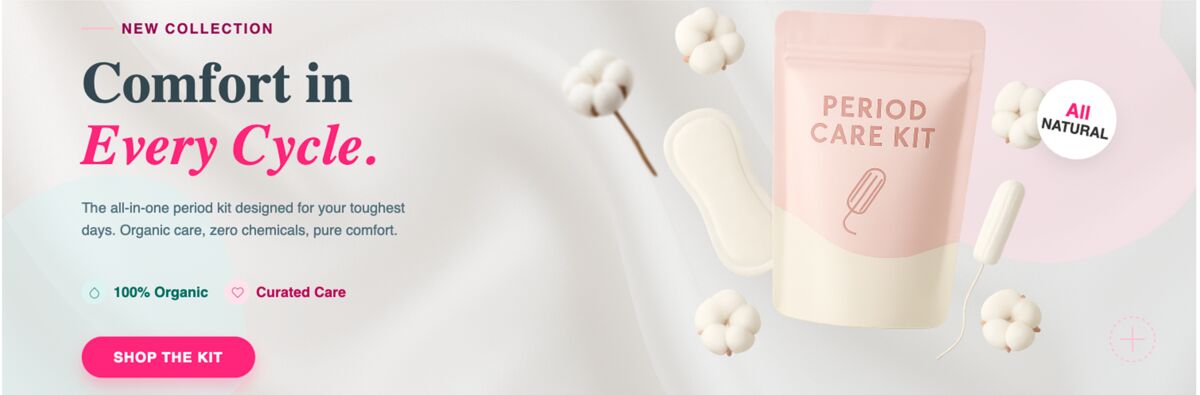
Type a plain‑English prompt like “modern SaaS newsletter hero with teal accent, 600 px wide, headline ‘Boost Your ROI’”. DesignLumo instantly returns a fully layered PSD with editable text, fonts, and color groups. Swap fonts, adjust copy, and export optimized PNG for email in under 15 minutes. Designers report concept time dropping from 2 hours to 15 minutes and revisions shrinking to three rounds. Integrates with brand kits for consistent colors across clients. Ideal for rapid client turn‑arounds.
Midjourney + Figma Composite Workflow
Generate a unique background in Midjourney using a detailed prompt, then upscale to 2× for crispness. Import the PNG into Figma, place it on a frame set to 600 px width, and use Auto Layout to add editable headline and CTA layers. Export the frame as an SVG for responsive email rendering. This hybrid approach yields visuals that lift open rates by roughly 5 % versus stock images, while keeping the design fully editable for brand compliance.
Canva Text‑Heavy Banner Generator
Leverage Canva’s Brand Kit to lock corporate fonts and colors, then select the “Custom dimensions” template (600 × 200 px). Use the “Text” tool to add headline, sub‑headline, and button copy, applying brand‑approved styles with a single click. Activate Magic Resize to generate 3:1, 1:1, and 4:5 variants for different email placements. Export as sRGB PNG for optimal email rendering. Saves roughly 10 minutes per banner but offers limited post‑export editability.
2. Collaboration, Feedback, and Version Control
Figma Live Prototyping for Email Mockups
Build the full email layout in Figma using components for header, body, and footer. Share a view‑only link with clients; they can drop comments directly on layers. Enable version history to revert any change and use the “Export” panel to pull HTML snippets for Mailchimp. Teams see a 40 % reduction in revision cycles and a typical turnaround of 30 minutes per mockup, keeping billable hours high.
InVision Freehand + Slack Integration
Sketch quick banner concepts in InVision Freehand, then use the native Slack integration to post the board to a dedicated channel. Team members react with emojis to indicate approval, and stakeholders leave threaded comments for tweaks. This visual‑first feedback loop cuts email asset approval time from 48 hours to roughly 12 hours, freeing designers to start the next project sooner.
Notion Asset Tracker with Auto‑Generated Style Guide
Create a Notion database for each client with fields for version number, dimensions, brand colors, and a file attachment. Embed DesignLumo output directly into the record, then use a formula to pull the latest colors into a live style‑guide page. This eliminates lost assets, reduces duplicate work, and boosts billing accuracy by about 15 % because every revision is logged and timestamped.
3. Automation & Delivery Platforms
Mailchimp Content Builder with DesignLumo Templates
Export a layered PSD from DesignLumo, then open Mailchimp’s custom HTML editor. Paste the HTML, replace placeholder text with merge tags (e.g., |FNAME|), and schedule the email in a drip series. Designers save roughly 20 minutes per campaign and see click‑through rates rise 8 % thanks to consistent, on‑brand imagery that updates automatically with client brand changes.
ConvertKit Dynamic Image Blocks
Set up a webhook that calls DesignLumo’s API to generate a personalized hero image for each subscriber (e.g., inserting their first name into the copy). In ConvertKit, add a Dynamic Image Block that pulls the URL from the JSON payload. This level of personalization lifts open rates by about 4 % and demonstrates the power of AI‑generated, client‑specific visuals without manual effort.
SendGrid Transactional Templates with MJML
Write the email skeleton in MJML, then embed the DesignLumo‑generated banner as an inline base64 image to avoid external calls. Validate the final HTML with Litmus, achieving a 70 % reduction in rendering bugs across Outlook, Gmail, and Apple Mail. Development time shrinks from roughly 1 hour per template to 15 minutes, letting freelancers bill more projects per week.
Before you go
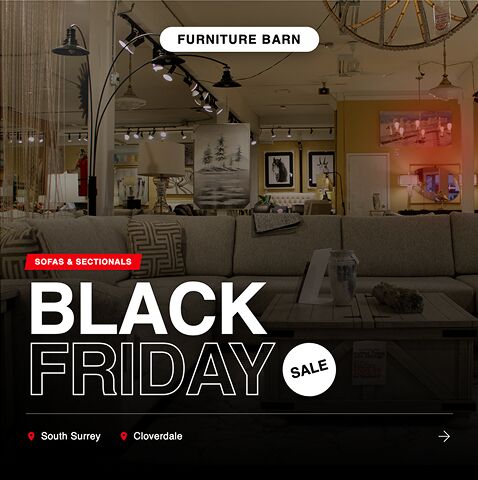
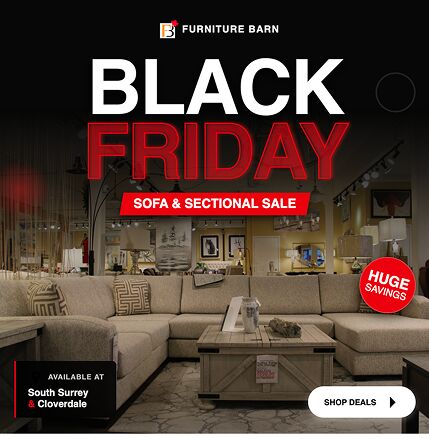
- Batch generate multiple hero variations in DesignLumo, then A/B test them in Mailchimp to discover the highest‑performing visual.
- Use Figma components linked to a shared brand library so any font or color change propagates instantly across all email assets.
- Automate asset archiving by connecting Notion’s API to a cloud folder; each approved version is auto‑saved with proper naming conventions.




Ready to create your first design?
Join thousands creating professional designs in seconds.
Create with DesignLumo
Related Resources
Freelance Email Header Design Playbook
Tactical guide for freelancers to create high-converting email headers fast.
Shopify Design Ideas for Freelance Designers
Actionable Shopify design tactics to win clients, cut revisions, and boost revenue.
YouTube Design Toolkit for Freelance Creatives
Actionable tools and workflows to crush YouTube thumbnails, channel art, and end screens.
Black Friday & Cyber Monday Design Playbook
Actionable design tactics for freelancers to dominate Black Friday & Cyber Monday.
Freelance Brand Assets Design Playbook
Tactical guide for freelancers to create logos, cards, and letterheads faster.
LinkedIn Content Ideas for Freelance Designers
Actionable LinkedIn post formats, carousels, and branding assets to win clients fast.