Essential Email Tools for Beauty Brands
Email is the most direct line to beauty consumers, but static visuals no longer cut it. High‑impact hero images, personalized banners, and crisp newsletter headers drive click‑throughs and repeat purchases. This guide maps the exact tools and step‑by…

1. AI‑Powered Design Creation
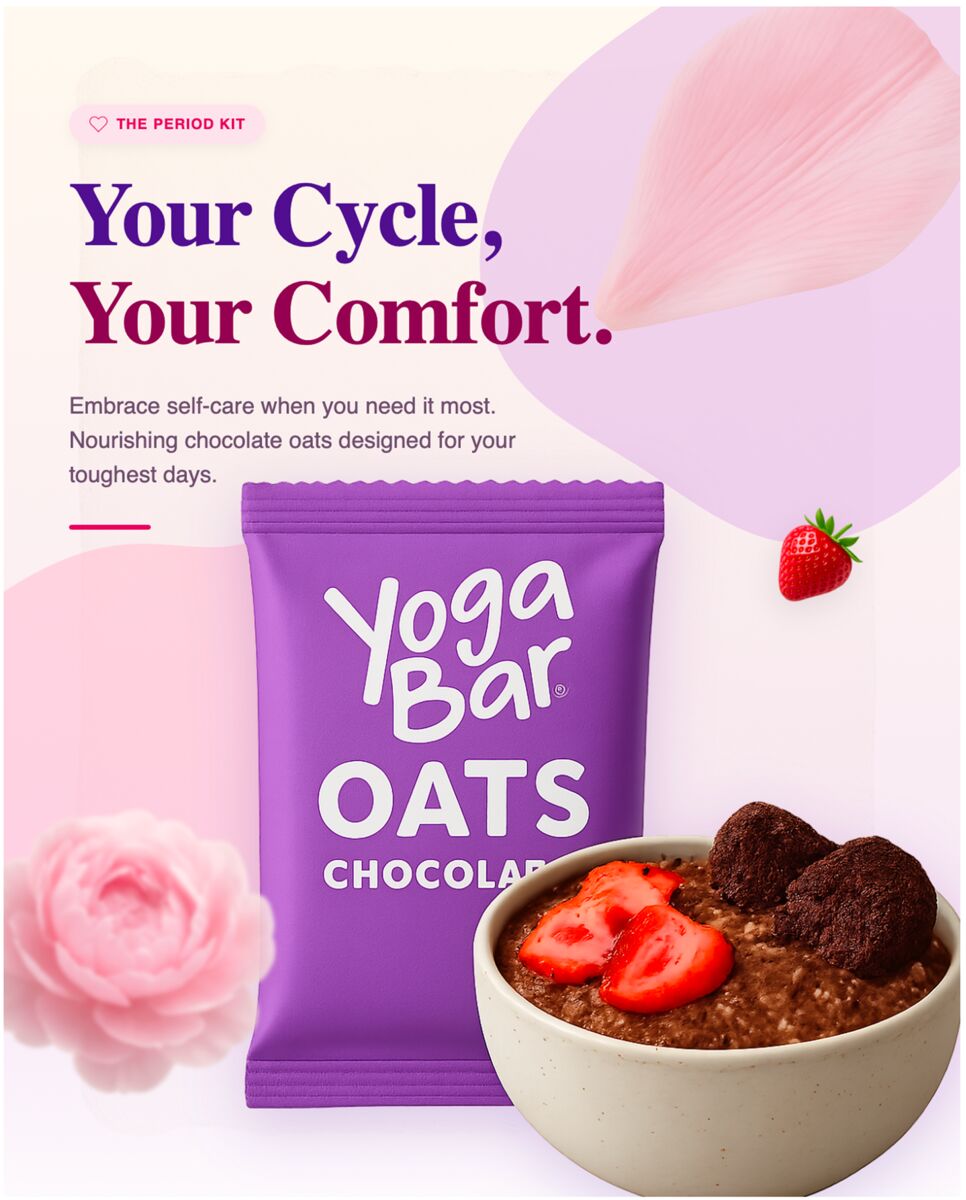
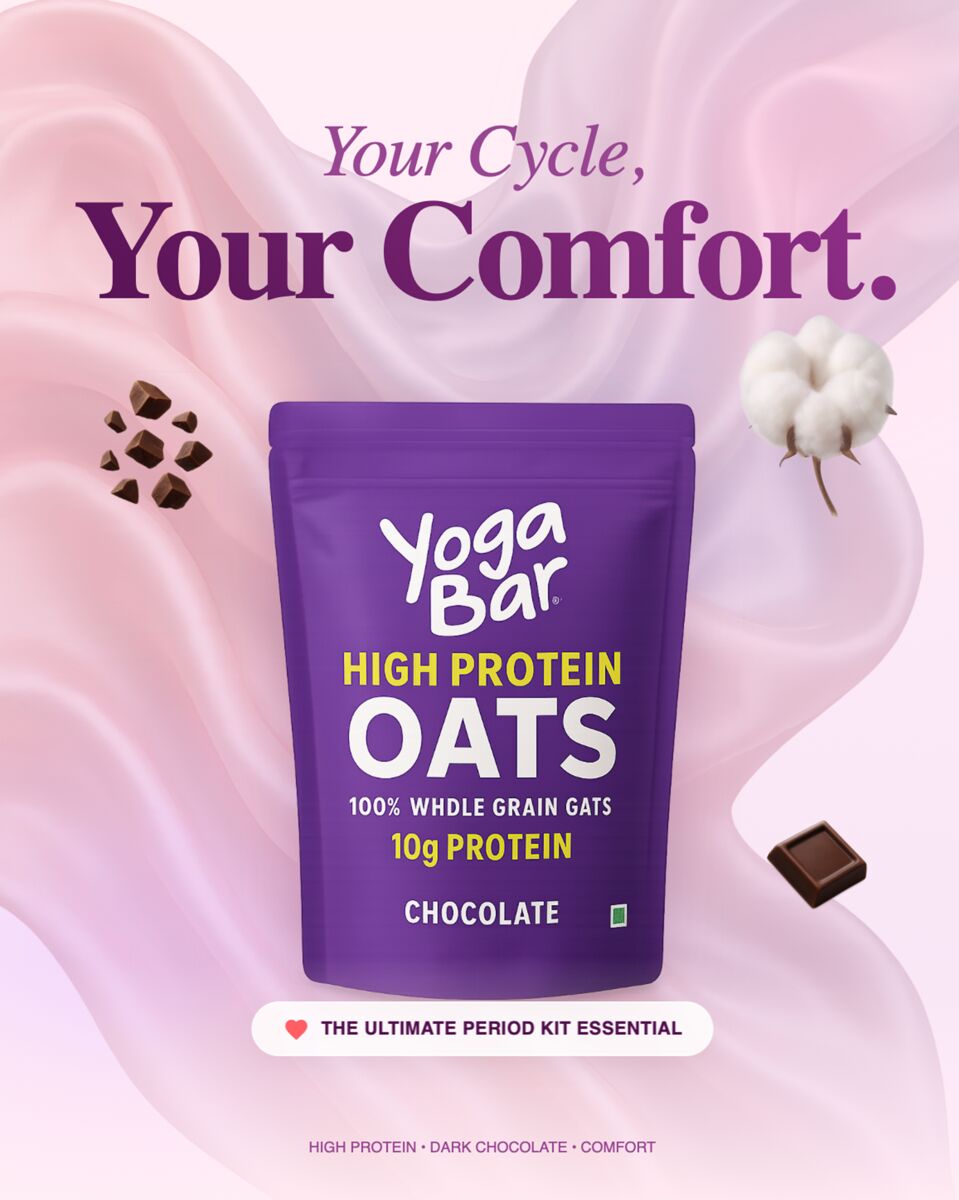
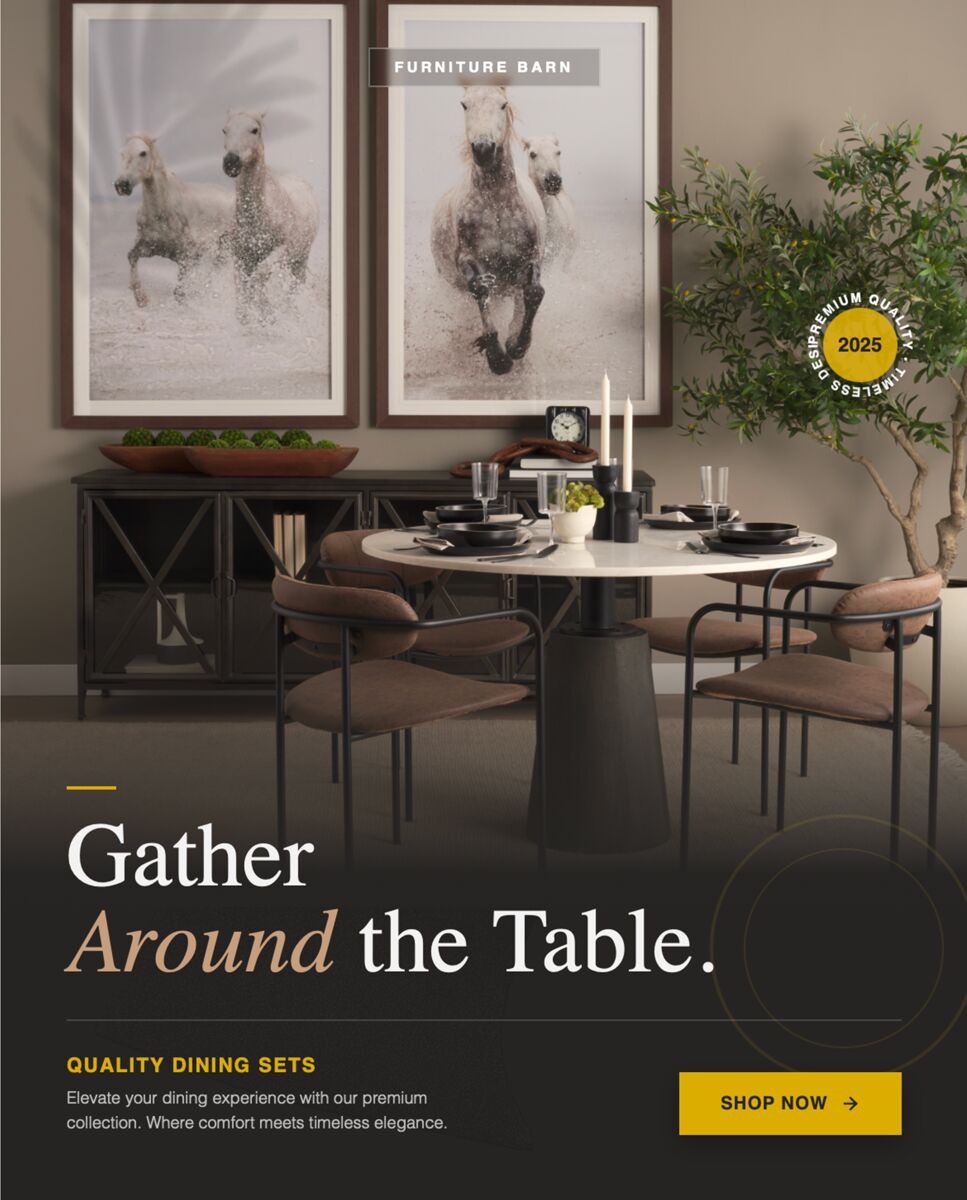
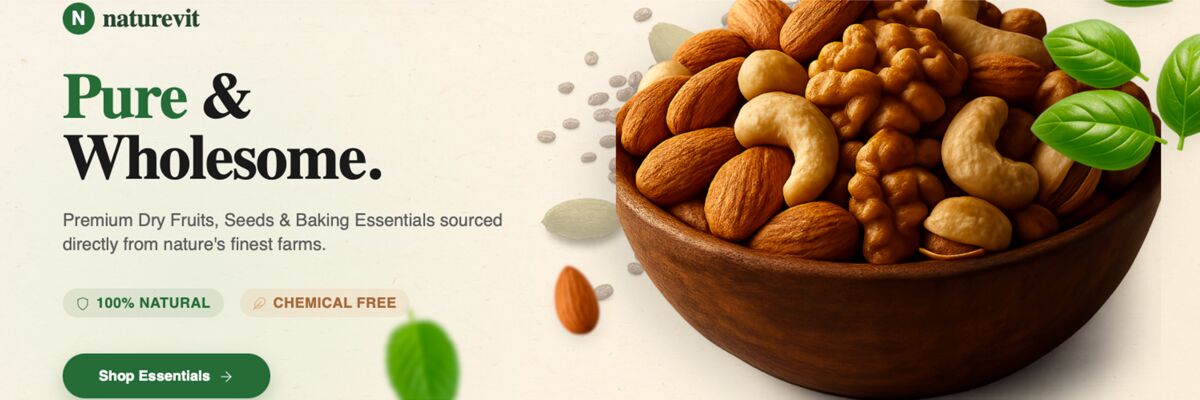
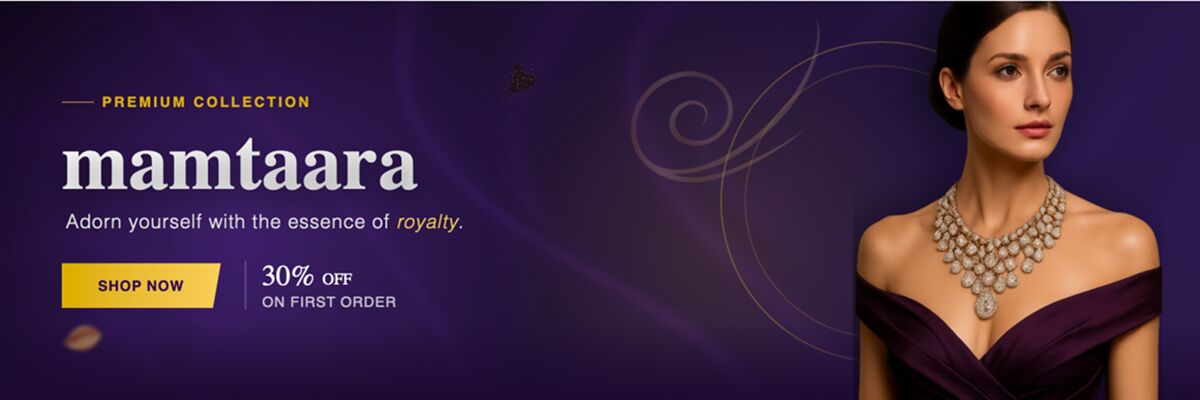
DesignLumo – AI Editable Hero Images
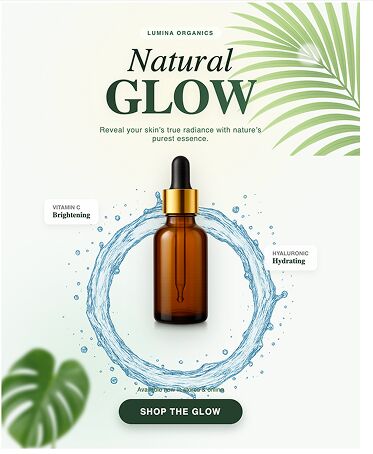
Write a prompt that includes product name, shade palette, and target skin tone (e.g., “luxury serum launch with pastel pink gradient for fair to medium skin”). DesignLumo returns a layered PSD with editable text, colors, and vector shapes. Import the file into your email builder, replace copy, and sync colors with your brand kit. Run a 2‑week A/B test against a stock image; brands report a 12‑15% lift in click‑through rate and a 5% rise in conversion when using fully editable AI assets.
Canva – Template‑Based Quick Banners
Select Canva’s “Beauty Newsletter Header” template, apply your brand colors via the Brand Kit, and drop in product photos. Export as PNG (150 DPI) and upload to your ESP. Because Canva’s assets are pre‑sized (600 px wide for most email clients), you avoid resizing errors. Track open‑rate lift after swapping the old header for a Canva version; typical gains are 3‑5% with virtually zero learning curve, making it ideal for last‑minute promos.
Midjourney + Photoshop – Concept Sketches to Layered Files
Generate moodboard concepts in Midjourney using prompts like “vibrant spring makeup flat lay with pastel shadows”. Upscale the best results, then open in Photoshop. Use the Magic Wand to isolate elements, convert each to a separate layer, and save as a PSD. This workflow turns AI‑art into fully editable assets that can be dropped into any email builder. Teams report a 40% reduction in design time for quarterly launches, though it requires Photoshop proficiency.
2. Automation & Personalization Platforms
Klaviyo – Segmented Drip Graphics
Sync your CRM to Klaviyo and capture a “preferred skin tone” property. In your launch flow, embed a conditional image URL that points to a DesignLumo‑generated hero (e.g., https://designlumo.com/hero?tone={{ person.skin_tone }}). As each subscriber opens the email, Klaviyo pulls the matching visual. Test the flow on 5,000 contacts; brands see a 20% revenue‑per‑email increase versus a one‑size‑fits‑all image because the visual feels hand‑picked.
Mailchimp – Dynamic Content Blocks
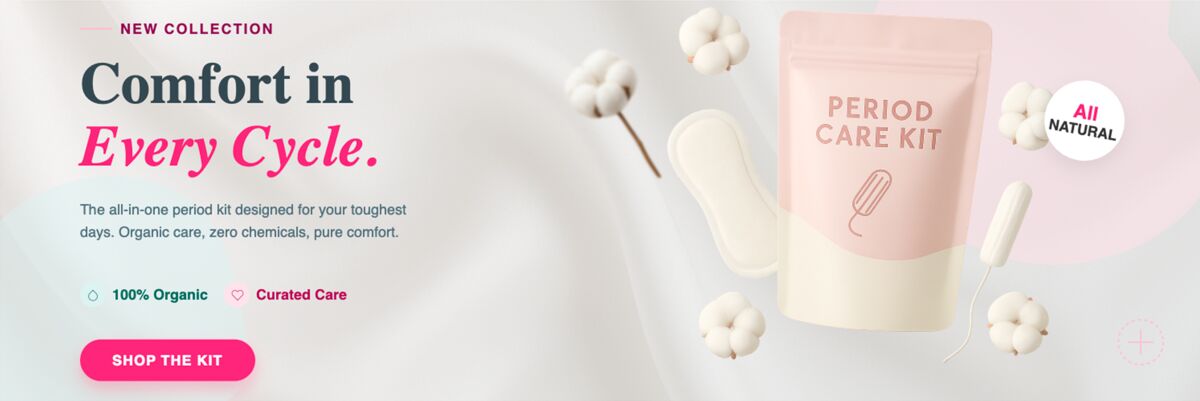
Create two DesignLumo banners: one for makeup lovers, another for skincare fans. Host them on a CDN, then insert Mailchimp merge tags: |IF:INTEREST=Makeup|<img src="https://cdn.com/makeup‑hero.jpg">*|END:IF|*. The block swaps automatically based on the subscriber’s segment. Run a 7‑day campaign and monitor click‑through rates; the dynamic version typically outperforms a static banner by 10‑12%, proving the value of visual relevance.
ActiveCampaign – Conditional Image Swaps
Use ActiveCampaign’s visual automation to route leads with a score ≥ 70 to a “sale” banner and lower‑scoring leads to a “new launch” banner, both built in DesignLumo. Store the images in the Asset Library, then add a conditional block: {% if lead_score >= 70 %}<img src="sale‑hero.jpg">{% else %}<img src="launch‑hero.jpg">{% endif %}. After a 3‑week test, conversion from the high‑score segment rose 8‑10% versus a single banner approach.
3. Testing, Rendering, and Optimization
Litmus – Email Rendering Tests
Upload your final HTML to Litmus and run the “Email Previews” across 30+ clients, focusing on image scaling, alt‑text, and background‑color fidelity. Litmus flags broken URLs and provides CSS fixes. Brands that resolve Litmus‑identified issues before send see a 0.5% drop in bounce rate and a modest 2% lift in deliverability, because clean renders avoid spam‑filter triggers.
Email on Acid – Cross‑Client Visual QA
Run Email on Acid’s screenshot comparison for Gmail, Outlook, and Apple Mail. Pay special attention to gradients and shadows in your promotional banners—these often shift in Outlook. If discrepancies appear, return to the DesignLumo file, adjust layer opacity or color values, and re‑export. After implementing QA, most beauty brands report visual error rates under 1%, preserving brand polish across inboxes.
Google Optimize – A/B Testing Visuals
Create two email variants: one with a pastel‑tone hero, another with a bold‑color hero, both built in DesignLumo. Link each to a unique landing‑page URL with UTM parameters. In Google Optimize, set the experiment for at least 2,000 recipients to reach 95% confidence. Analyze conversion rates; the winning visual typically yields a 5‑7% revenue lift, giving you data‑driven direction for future design themes.
Before you go
- Sync DesignLumo’s brand kit with your ESP to auto‑apply colors, ensuring every hero stays on‑brand without manual tweaks.
- Pre‑build a modular library of 12‑15 hero sections with placeholder text; swapping copy in a few clicks cuts campaign rollout from days to hours.
- Use Litmus’s heatmap data to see where subscribers click on images, then prioritize those high‑performing visuals in future newsletters.
Ready to create your first design?
Join thousands creating professional designs in seconds.
Create with DesignLumo
Related Resources
Twitter/X Beauty Content Ideas That Convert
Actionable X post graphics, threads, and cards for beauty brands.
Etsy Beauty Brand Content Ideas Blueprint
Tactical Etsy graphics ideas for beauty brands to boost sales and engagement.
YouTube Visual Playbook for Beauty Brands
Actionable YouTube design ideas to boost beauty brand clicks and sales.
Back to School Beauty Marketing Playbook
Tactical AI‑driven assets for beauty brands launching fall student promos.
Spooktacular Halloween Marketing Guide for Beauty Brands
A tactical playbook to launch Halloween‑themed beauty campaigns that drive sales and buzz.
Ultimate Slide Design Guide for Beauty Brands
Step-by-step tactics to create high-impact pitch decks for beauty and cosmetics brands.