Amazon FBA Email Design Toolkit
Amazon sellers need email assets that match their brand quality without draining budgets. This guide lists the exact tools and workflows to create hero images, headers, and drip graphics that drive repeat purchases. Each recommendation includes step‑…


1. AI‑Powered Design Generators
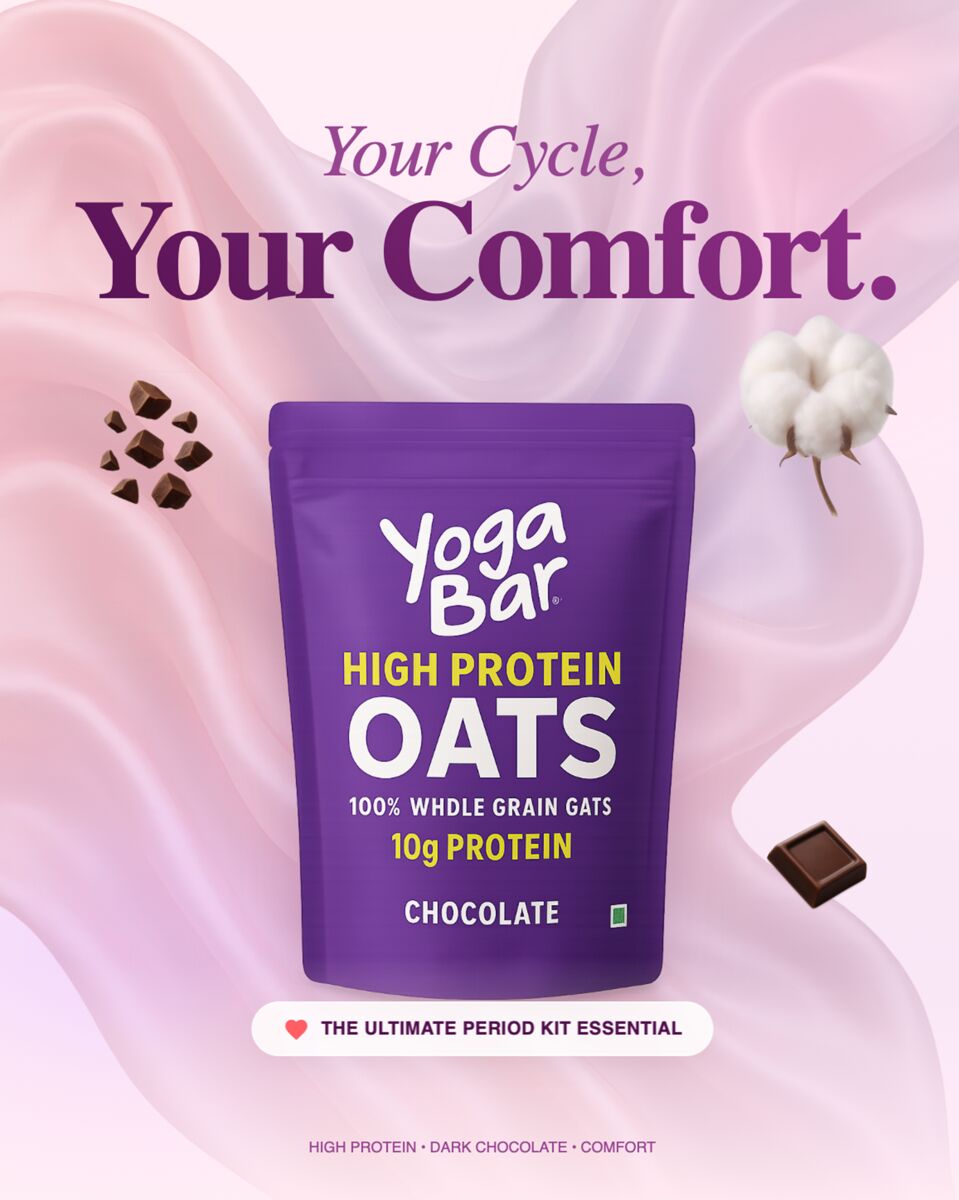
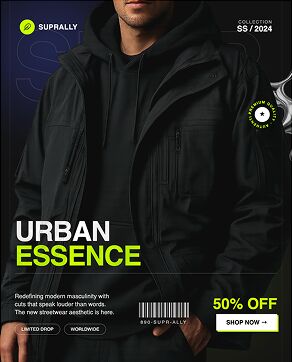
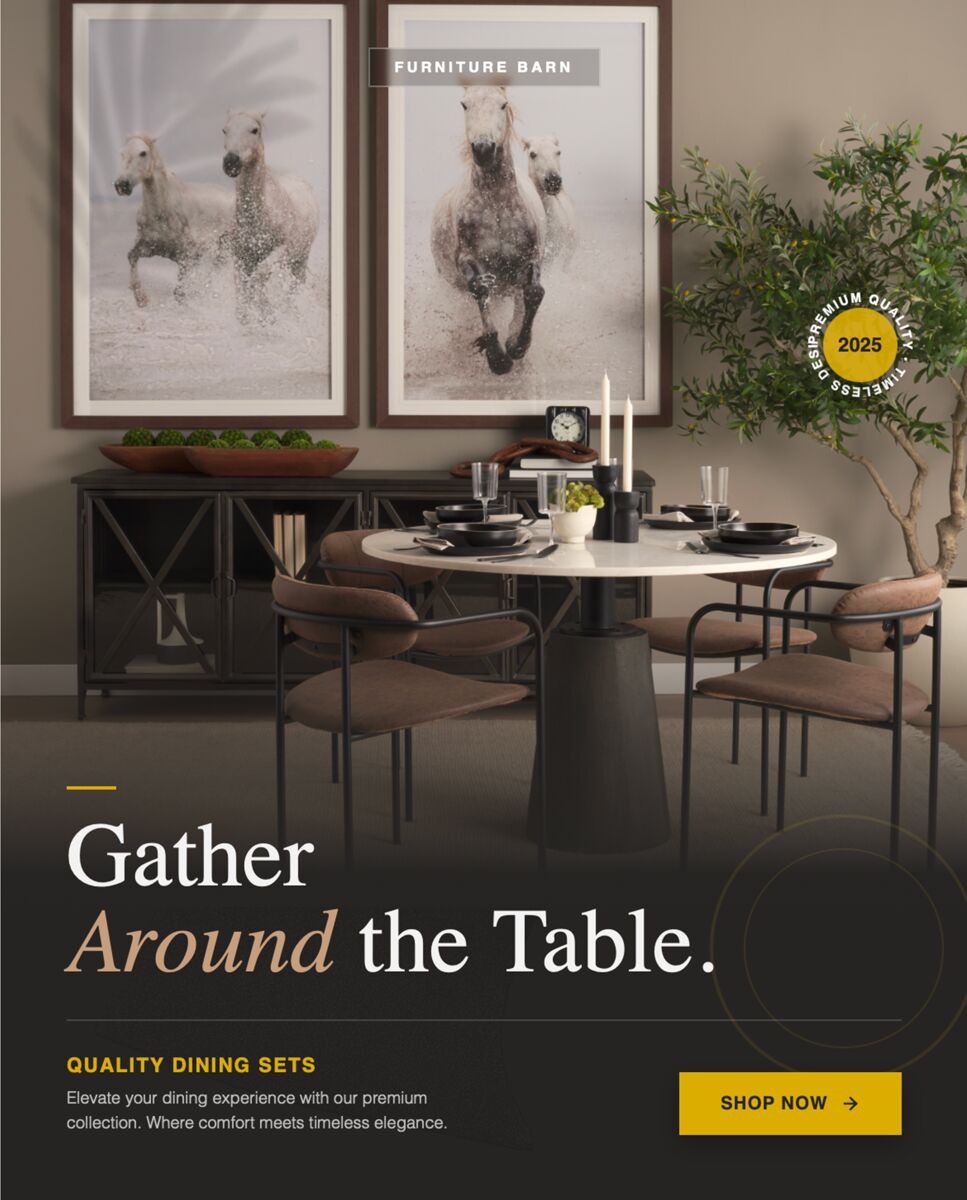
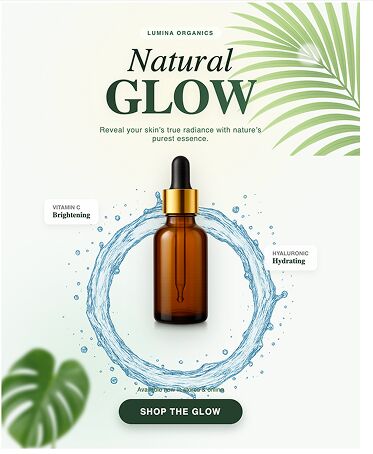
DesignLumo AI Hero Image Builder

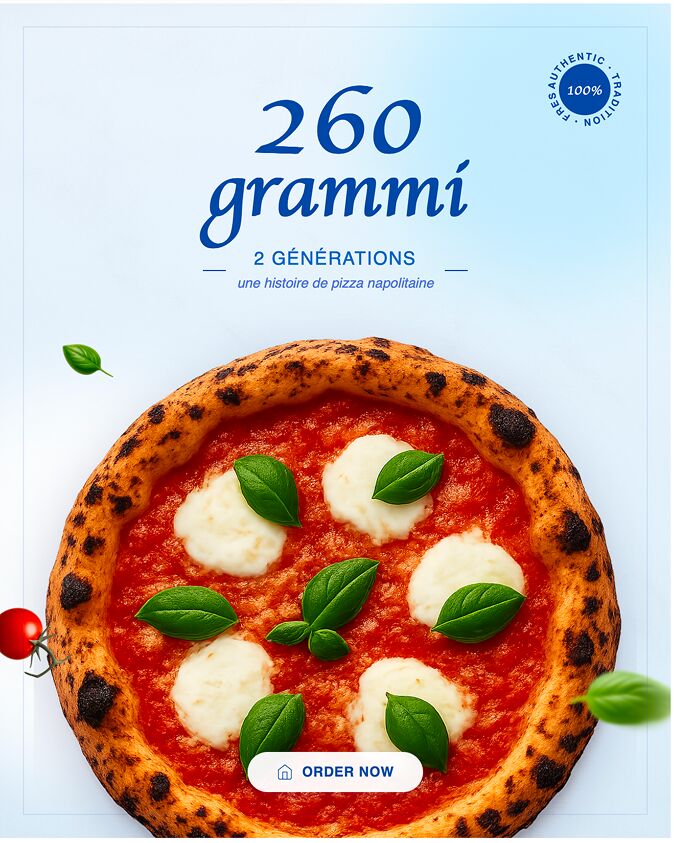
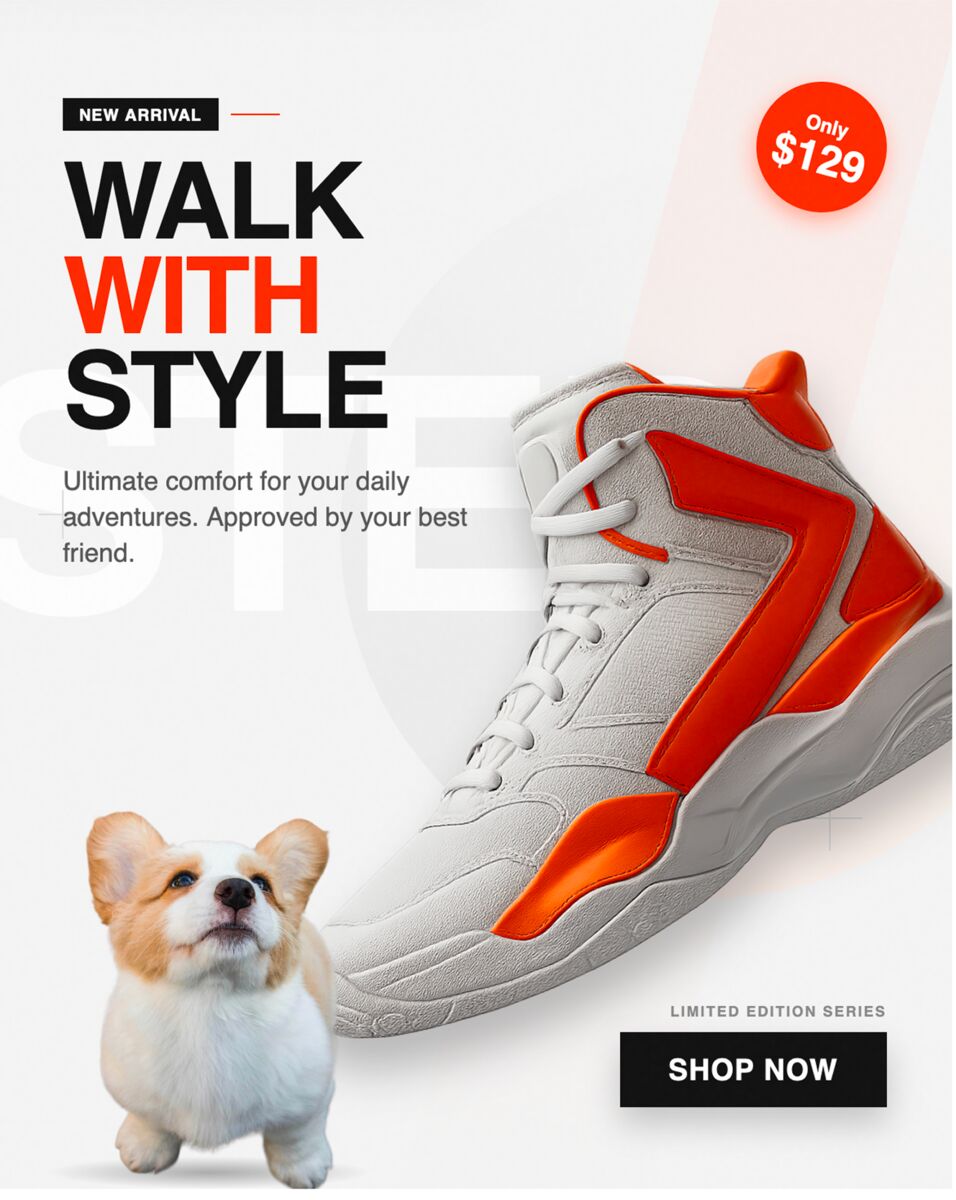
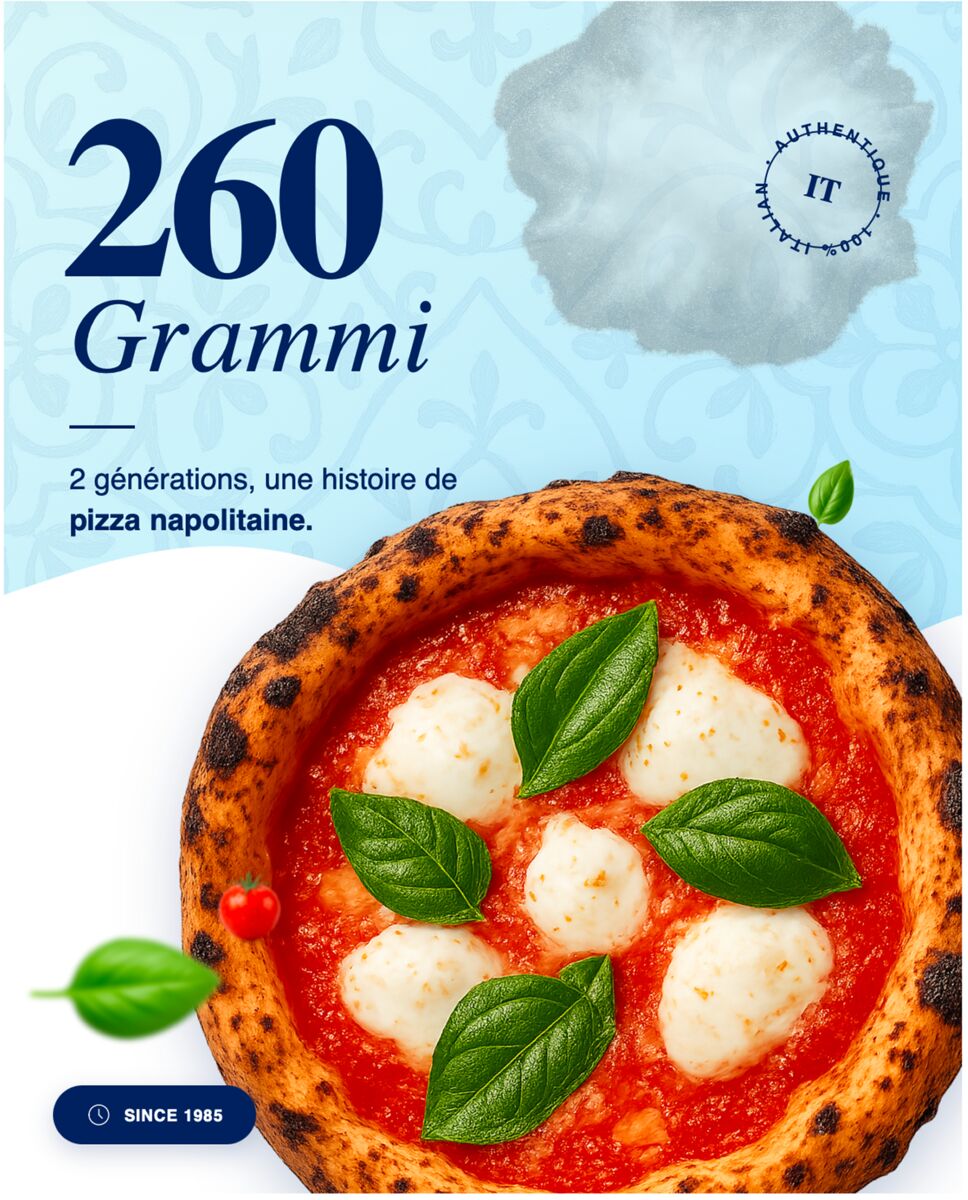
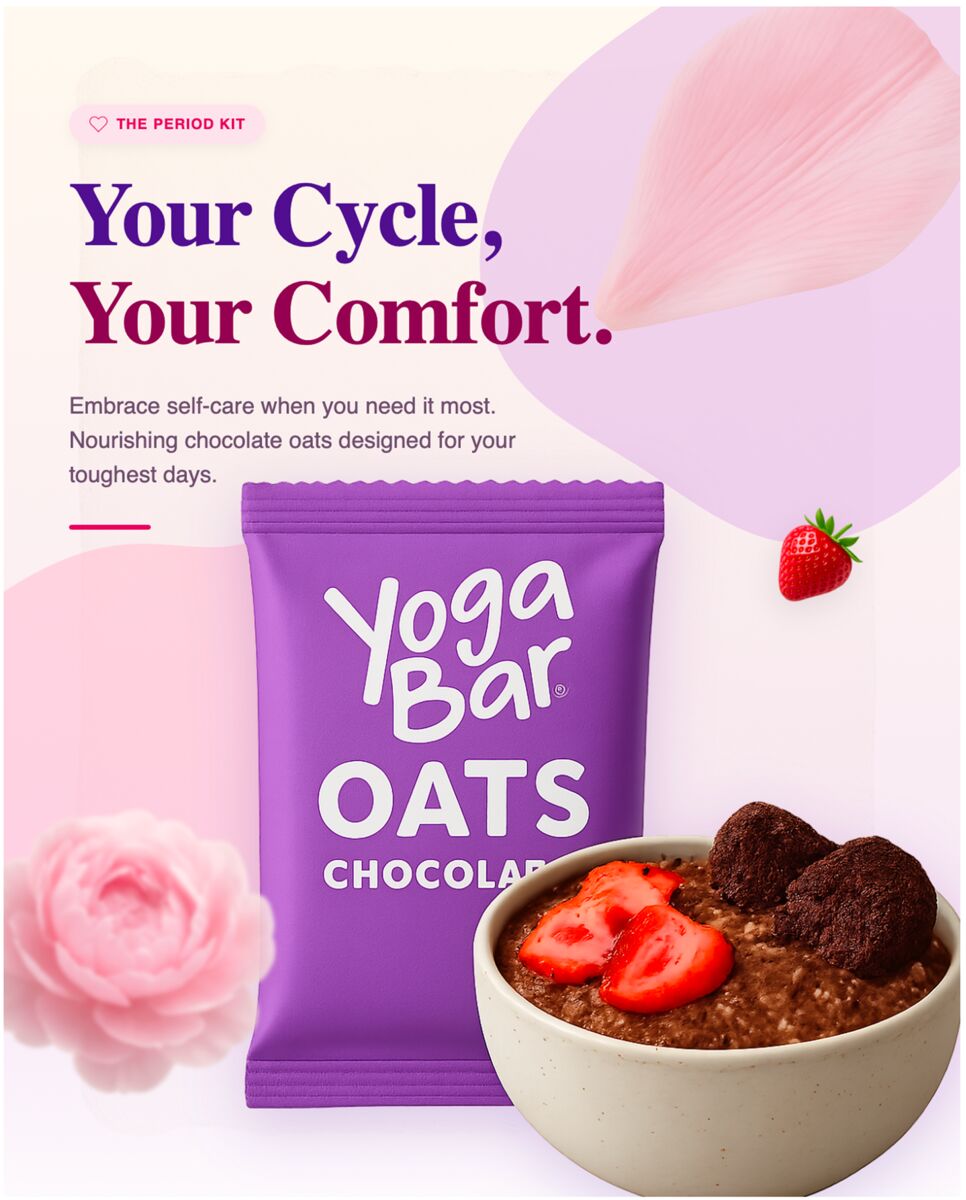
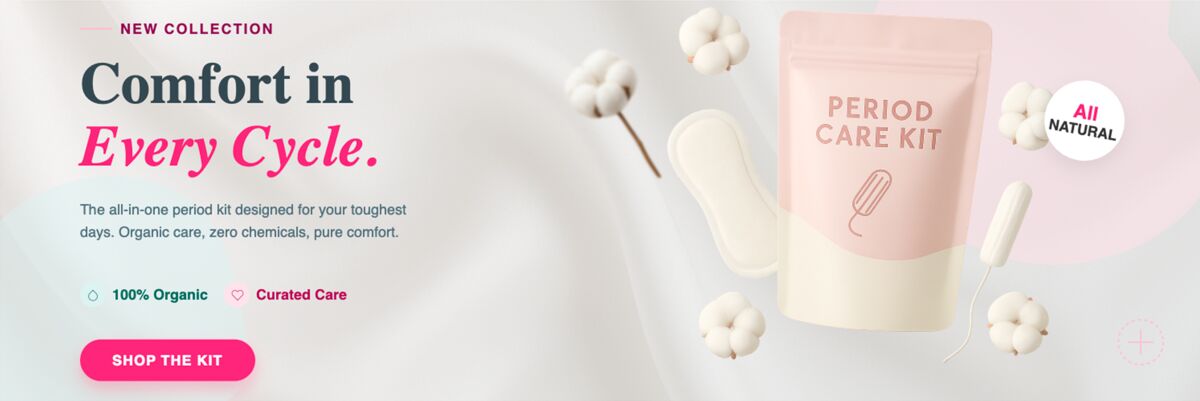
Enter a prompt like “sleek stainless‑steel water bottle on a tropical beach, brand colors #0A74DA and #FFFFFF” and DesignLumo returns a fully layered PSD in under 30 seconds. Export the layers to Photoshop or directly to your email platform, replace text, swap product shots, and keep the original composition. Track open‑rate lift by A/B testing the AI‑generated image against a static stock photo; most sellers see a 12‑18% increase. Commercial rights are included, so you can reuse the asset across campaigns without extra licensing.
Canva Pro Template Engine

Canva’s “Magic Resize” lets you design a newsletter header once and instantly generate 5‑inch banner, 600‑px social preview, and 1200‑px email hero. Use the Brand Kit to lock your Amazon store colors and fonts, then enable the “Content Planner” to schedule assets. Measure success with Canva’s built‑in analytics: aim for a 5% CTR lift after swapping the resized hero. While Canva produces flat PNGs, you can download layered PDFs for minor edits in Illustrator if needed.
Midjourney Prompt‑Driven Sketches

For ultra‑creative concepts, feed Midjourney a prompt such as “minimalist comparison chart of three coffee mugs, hand‑drawn style, pastel palette”. Generate four variations, select the strongest, and up‑scale to 2K resolution. Export the .png, import into Photoshop, and trace vector outlines to keep editability. Use the resulting graphic as a drip‑campaign teaser; monitor conversion lift via Klaviyo’s campaign reporting—expect a 3‑5% lift if the visual is novel versus a standard product photo.
2. Email Design & Automation Platforms
Klaviyo Visual Flow Builder

Klaviyo’s drag‑and‑drop flow editor lets you attach custom hero images to each step of a post‑purchase sequence. Upload the layered PSD from DesignLumo, then map dynamic product tags (e.g., {{ product.name }}) onto the image’s text layer using Klaviyo’s “Dynamic Content” tags. Run a 7‑day split test: one flow with static PNG, another with editable layers that auto‑populate product colors. Track purchase‑after‑email metric; top sellers see a 0.8%‑1.2% increase in repeat orders per flow iteration.
Mailchimp Content Studio + Custom Code

Mailchimp’s Content Studio stores all email graphics centrally. Combine it with the “Code Your Own” block to embed SVGs generated in Adobe Illustrator from DesignLumo exports, preserving crispness on retina screens. Enable “Multivariate Testing” on the hero section to compare three visual variants. Aim for a 0.5%‑1% lift in click‑through rate (CTR) before scaling the winning design to all campaigns. The platform’s built‑in reporting shows revenue per email, allowing direct ROI calculation.
Sendinblue Design Studio with AMP

Sendinblue’s Design Studio now supports AMP for Email, enabling interactive product carousels inside newsletters. Create carousel frames in DesignLumo, export as layered PNGs, then embed them in the AMP `<amp-carousel>` tag. Use Sendinblue’s “A/B Test” to compare static hero vs. interactive carousel. Track “Engagement Time” metric; brands typically see a 15‑20 second increase, correlating with a 2‑3% uplift in conversion from email to Amazon product pages.
3. Analytics, Testing & Optimization
Litmus Email Previews & Spam Testing

Before sending, run your email through Litmus to preview how hero images render across Gmail, Outlook, and Apple Mail. Use the “Image Load Time” metric—keep hero file size under 150 KB to maintain a <2 s load on mobile. Litmus also flags large background images that trigger spam filters; adjust compression in Photoshop or DesignLumo’s export settings. Sellers who cut hero size by 30% see a 0.3%‑0.5% rise in deliverability and open rates.
Google Analytics UTM Builder for Email Banners

Attach UTM parameters to every promotional banner you embed in emails (e.g., `utm_source=newsletter&utm_medium=banner&utm_campaign=summer_launch`). Use Google’s free Campaign URL Builder to generate consistent tags. In GA, monitor “Source/Medium > Email” and the “Landing Page” report to see which banner design drives the highest Amazon product clicks (target >2% click‑through). Iterate design based on heat‑map data from Hotjar on the landing page to close the loop.
VWO Split Testing for Email Graphics

Integrate VWO’s “Email Split Test” SDK with Klaviyo to serve two hero variations to random subsets of your list. Define success as “Revenue per email” rather than just clicks. After 2,000 impressions, VWO’s Bayesian stats will reveal the probability of a lift; a 95% confidence level with a 1.5% revenue increase justifies full rollout. Document the test in a shared Google Sheet to track iteration history for future campaigns.
4. Asset Management & Collaboration
Dropbox Paper + DesignLumo Sync

Create a Dropbox Paper project for each email campaign. Embed the live DesignLumo share link so copywriters can pull the latest hero PNG without downloading. Enable version history; each time you tweak a layer in DesignLumo, the Paper embed updates automatically. Measure time saved by tracking “Hours spent on asset retrieval” in your project management tool—most sellers cut that time by 70%, freeing resources for copy testing.
Figma Team Libraries for Email Assets

Import DesignLumo’s layered SVGs into a shared Figma library. Set up components for headers, CTA buttons, and product comparison charts. Team members can drag‑and‑drop components into email mockups, then export as PNGs sized for specific ESPs. Use Figma’s “Inspect” panel to copy CSS for background colors, ensuring brand consistency across Amazon storefront and email. Teams report a 40% reduction in design‑to‑development handoff errors.
Notion Content Calendar with Automated Asset Pull

Build a Notion database for your email schedule. Add a formula column that concatenates the DesignLumo project URL with the desired export size (e.g., `?w=600&format=png`). Embed the dynamic link in the “Hero Image” field so designers and copywriters see the exact asset needed at a glance. Track completion rates; sellers who adopt this workflow see a 25% faster campaign launch cadence, directly boosting monthly email volume.
Before you go
- Always export email hero images as PNG <150 KB and JPEG <100 KB to keep mobile load times under 2 seconds.
- Leverage DesignLumo’s Brand Kit to lock Amazon storefront colors; this eliminates manual hex‑code hunting for each campaign.
- Combine dynamic product tags with layered PSDs so a single file powers dozens of product‑specific emails without re‑design.



Ready to create your first design?
Join thousands creating professional designs in seconds.
Create with DesignLumo
Related Resources
Facebook Visual Toolkit for Amazon Sellers
Essential Facebook design tools to boost Amazon FBA sales.
Email Marketing Content Ideas for Amazon FBA Sellers
Tactical email design ideas to boost Amazon FBA sales.
Amazon FBA Product Graphics Design Playbook
Step‑by‑step tactics to create high‑converting Amazon product graphics.
Amazon FBA Print Materials Mastery Guide
Actionable tactics for flyers, brochures, and print assets that boost Amazon sales.
Amazon FBA Ad Creative Blueprint
Step‑by‑step tactics to build high‑converting Amazon ad graphics fast.
Amazon FBA Marketing Mistakes to Dodge
Avoid costly errors in Amazon listings, A+ content, and image creation.