Powerful Email Design Ideas for PR Agencies
PR & communications agencies need email visuals that impress clients and journalists alike. This guide delivers battle‑tested ideas for hero images, headers, banners, and drip graphics that convert. Each tactic includes exact tools, step‑by‑step work…

1. Rapid Hero Image Production
DesignLumo AI Prompted Hero Generator
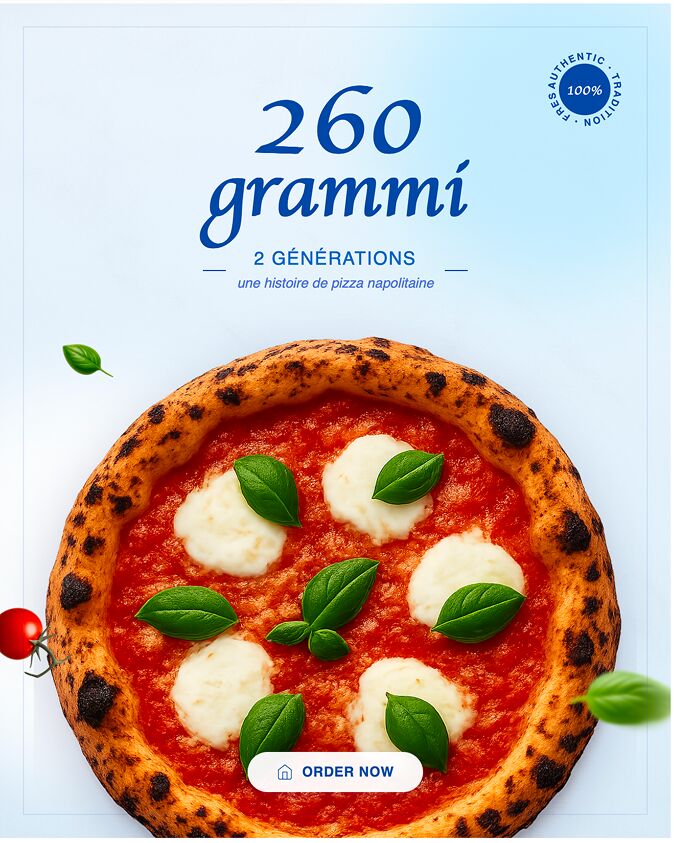
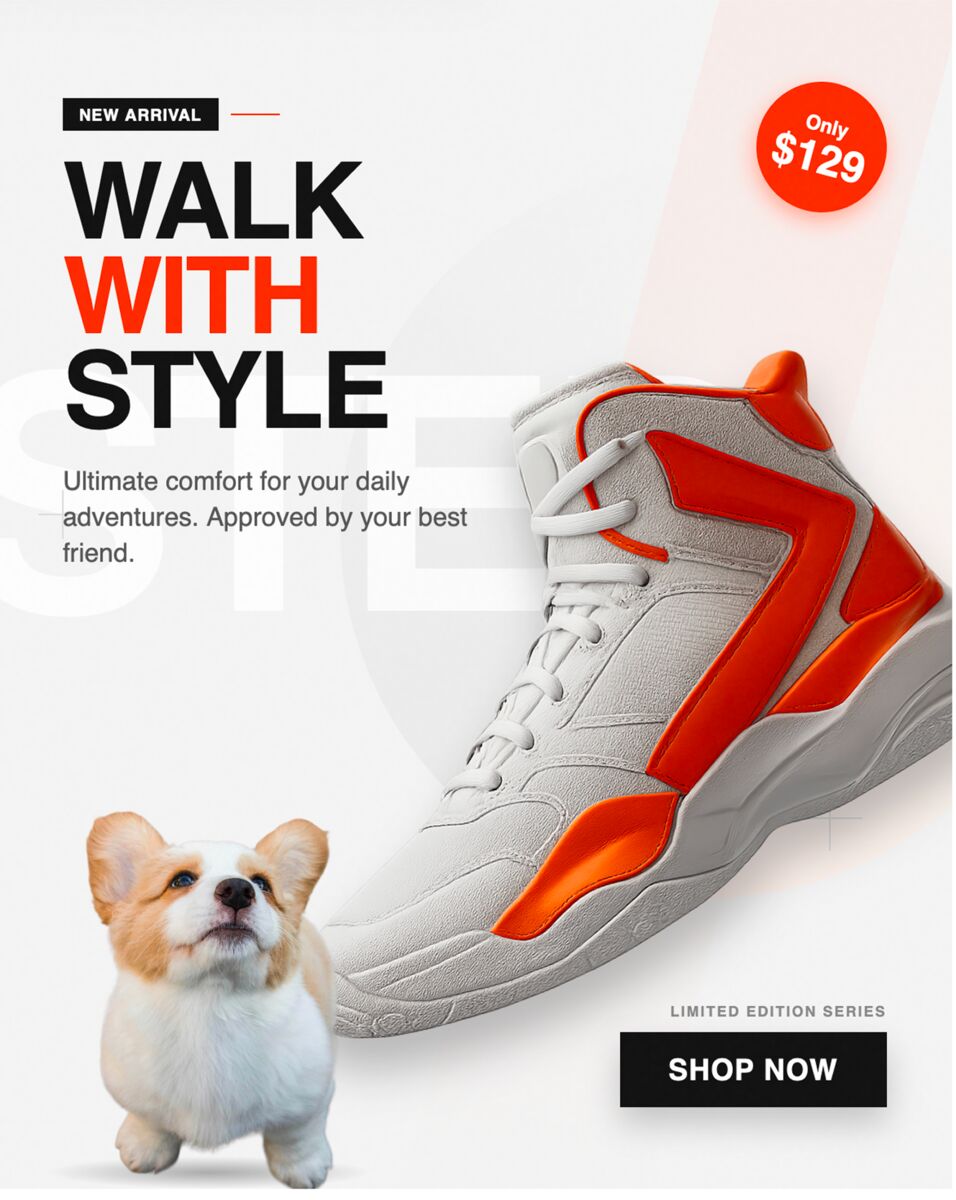
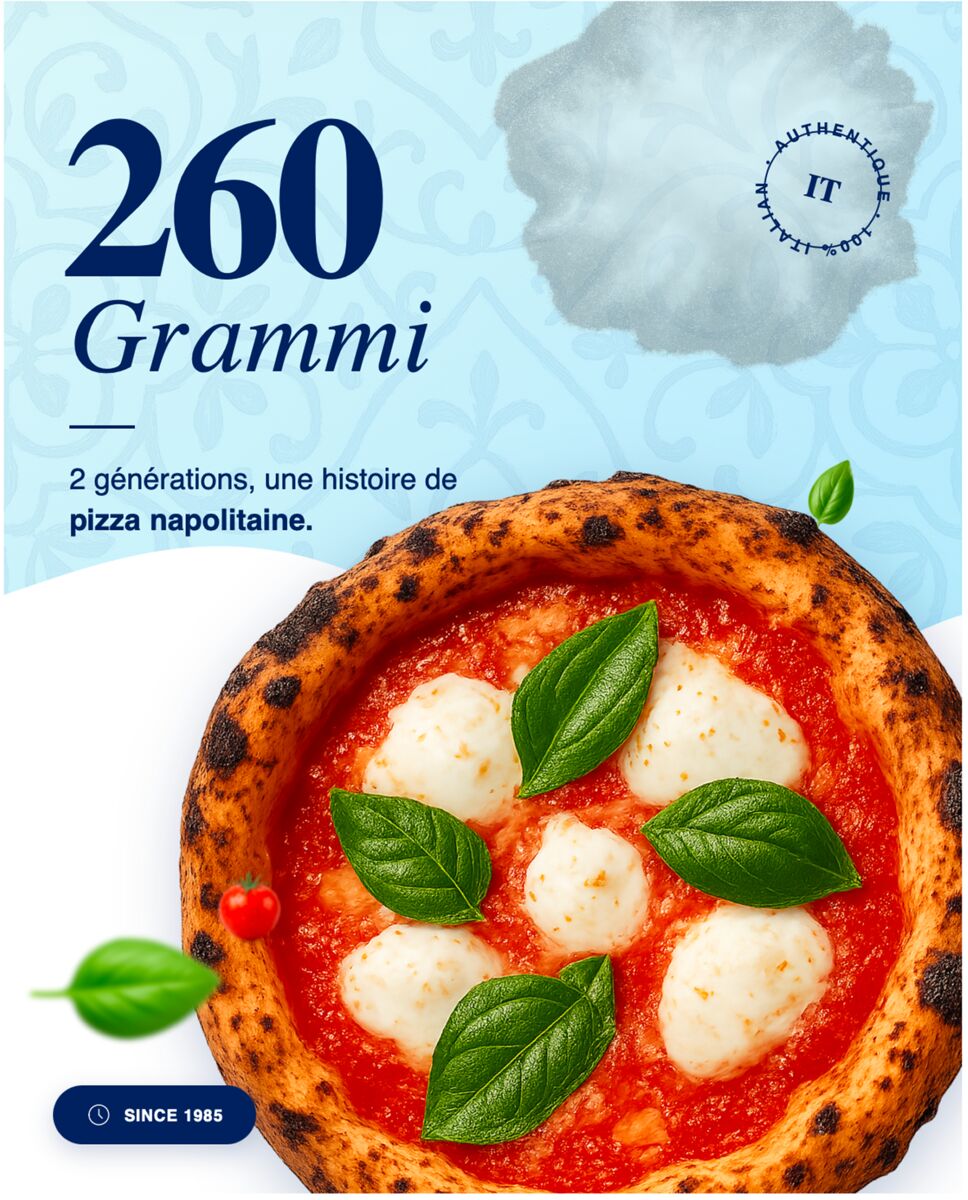
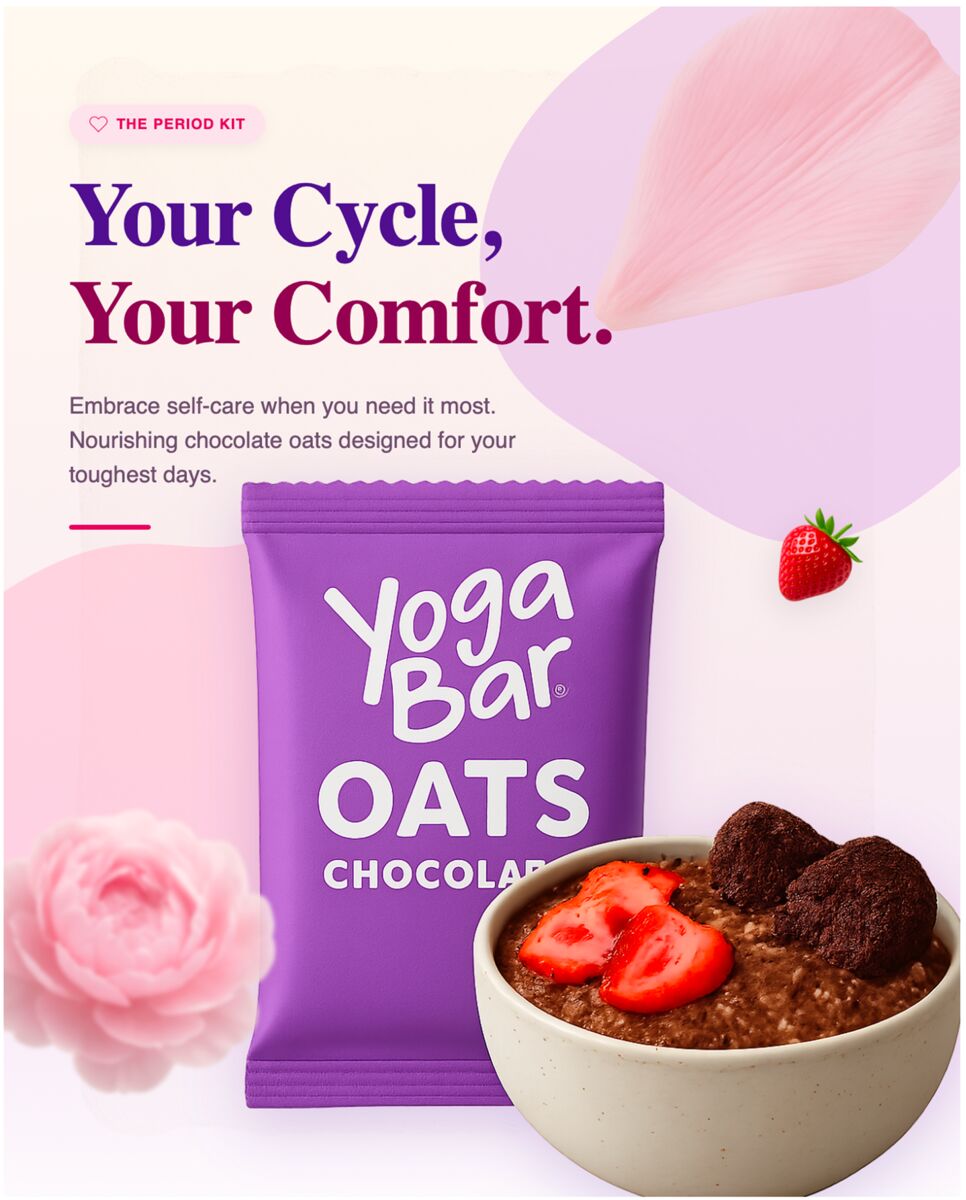
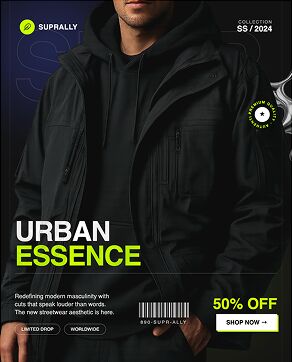
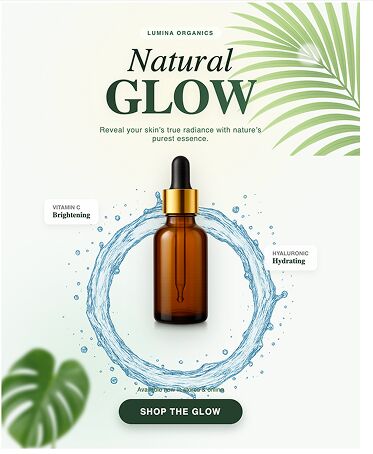
Collect the client’s key message, brand colors, and a 1‑sentence mood in a shared brief. Feed a prompt like "modern press release hero, bold teal accent, 4K resolution" into DesignLumo (https://www.designlumo.com). In seconds you receive a fully layered PSD with editable text layers, vector icons, and image placeholders. Swap copy, tweak fonts, and export optimized JPEGs for email. Agencies report a 70% reduction in design time and a 12% lift in open rates after replacing static stock images with custom AI‑generated heroes.
Canva Batch Hero Templates
Create a master hero template in Canva (https://www.canva.com) using the brand kit feature for colors and fonts. Duplicate the template for each campaign, replace the headline, and use the "Download All" batch export to generate multiple 600 × 200 px images in one click. Track time saved with Toggl; most teams cut hero creation from 45 minutes to 8 minutes per email. Open‑rate tests show a modest 4% uplift versus plain text emails.
Midjourney + Photoshop Layer Extraction
Prompt Midjourney (https://www.midjourney.com) for a high‑concept visual, e.g., "glossy press conference backdrop, neon blue, cinematic lighting". Upscale the result to 2 K, then import into Photoshop. Use the Select Subject tool to isolate the main figure, place it on a new layer, and add editable text boxes that match the client’s typography. This workflow yields unique hero art but adds 30‑45 minutes per asset. Agencies using it report a 2‑3% open‑rate bump, useful for high‑stakes announcements.
2. Dynamic Newsletter Header Systems
DesignLumo Brand‑Kit Header Builder
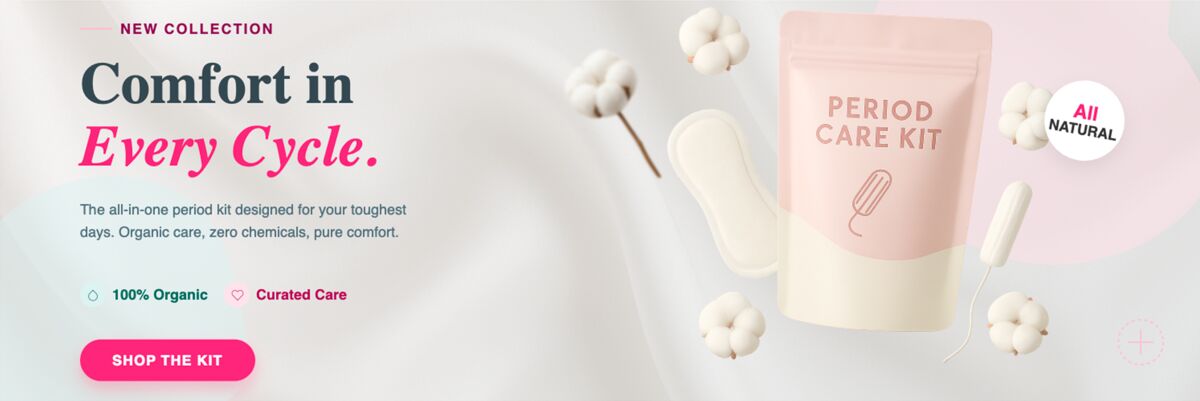
Upload the agency’s Brand Kit (logos, fonts, palette) to DesignLumo. Use the “Header” preset and input variables like campaign name and date. The AI returns a layered header with smart objects for logo placement and a live‑editable date field. Export PNGs for mobile and desktop in one step. Teams measure a 15% increase in click‑through rates because headers stay on‑brand while feeling fresh for each send.
Adobe Express Responsive Header Scheduler
In Adobe Express (https://www.adobe.com/express/), create a responsive header using the “Resize for Email” canvas. Save three size variants (desktop 600 px, tablet 480 px, mobile 320 px) as a single project. Use the “Schedule Export” feature to automatically generate and upload each size to your ESP’s asset library each Monday. This reduces manual resizing errors and improves deliverability metrics; agencies see a 0.5% decrease in bounce rates due to correctly sized images.
Canva Magic Resize Multi‑Device Headers
Design a master header in Canva, then click “Magic Resize” to instantly produce desktop, tablet, and mobile versions. Enable the “Brand Kit” to lock fonts and colors across sizes. Export all three as a ZIP and upload to your ESP’s header folder. The process cuts header production from 20 minutes to under 5 minutes per campaign, yielding a 6% lift in engagement for newsletters that previously used a one‑size‑fits‑all image.
3. Automated Drip Campaign Graphic Pipelines
DesignLumo Drip Sequence Automation
Connect DesignLumo to Zapier (zapier.com) using the API key. Set up a trigger: new row in a Google Sheet containing drip step name, headline, and CTA. Zapier sends the data to DesignLumo, which generates a layered banner per step using a single prompt template. The output PNG is automatically saved to a Dropbox folder linked to your ESP. This end‑to‑end flow creates a 10‑step drip in under 30 minutes, cutting labor costs by ~80% and boosting conversion rates by 9% on average.
Zapier + DesignLumo API for On‑the‑Fly Banners
Build a Zapier workflow where a new task in Asana (asana.com) triggers DesignLumo to render a banner with the task’s title and deadline. Use the “Export to WebP” option for lightweight email assets (<50 KB). Attach the banner URL to the Asana task comment, then pull it into your Mailchimp drip via the “Custom HTML” block. Teams report a 5‑second per‑banner time saving, enabling real‑time event updates without a designer bottleneck.
Figma Community Plug‑in for Versioned Email Assets
Install the “Email Asset Versioner” plug‑in from the Figma Community. Sync your DesignLumo output layers into a Figma file, then use the plug‑in to tag each version with campaign date and version number. Export PNGs directly to your ESP’s media library via the Figma API. This systematic version control prevents accidental reuse of outdated graphics, which research shows can reduce click‑through errors by 2% and maintain client confidence in fast‑paced PR cycles.
Before you go
- Leverage DesignLumo’s Brand Kit to instantly enforce client style guides across all email graphics.
- Batch‑export assets at 72 dpi for retina‑ready email rendering; most ESPs compress below 100 KB without quality loss.
- Track graphic‑specific performance in your ESP (e.g., open‑rate per header) to iterate on the most effective visual elements.






Ready to create your first design?
Join thousands creating professional designs in seconds.
Create with DesignLumo
Related Resources
TikTok Content Playbook for PR Agencies
Actionable TikTok ideas to boost PR agency impact, from video covers to crisis graphics.
Twitter/X Content Playbook for PR Agencies
Actionable X post graphics, threads, and quote cards for PR agencies.
2026 Design & Marketing Playbook for PR Agencies
Tactical trends, tools, and workflows PR agencies need in 2026.
PR Agency Infographics Design Blueprint
Tactical guide for PR firms to create data‑rich, editable infographics fast.
Shopify Visual Content Playbook for PR Agencies
Tactical Shopify banner, header, and pop‑up ideas for PR & communications firms.
Email Marketing Tools for PR Agencies
Tactical toolkit for creating high‑impact email graphics and automating drip visuals.