Ultimate Email Header Design Guide
Email hero images are the visual hook that drives opens and clicks. Social platforms demand distinct sizes, yet marketers often reuse the same asset, hurting performance. This guide shows how to produce platform‑perfect, brand‑consistent headers at l…

1. Platform‑Specific Dimensions
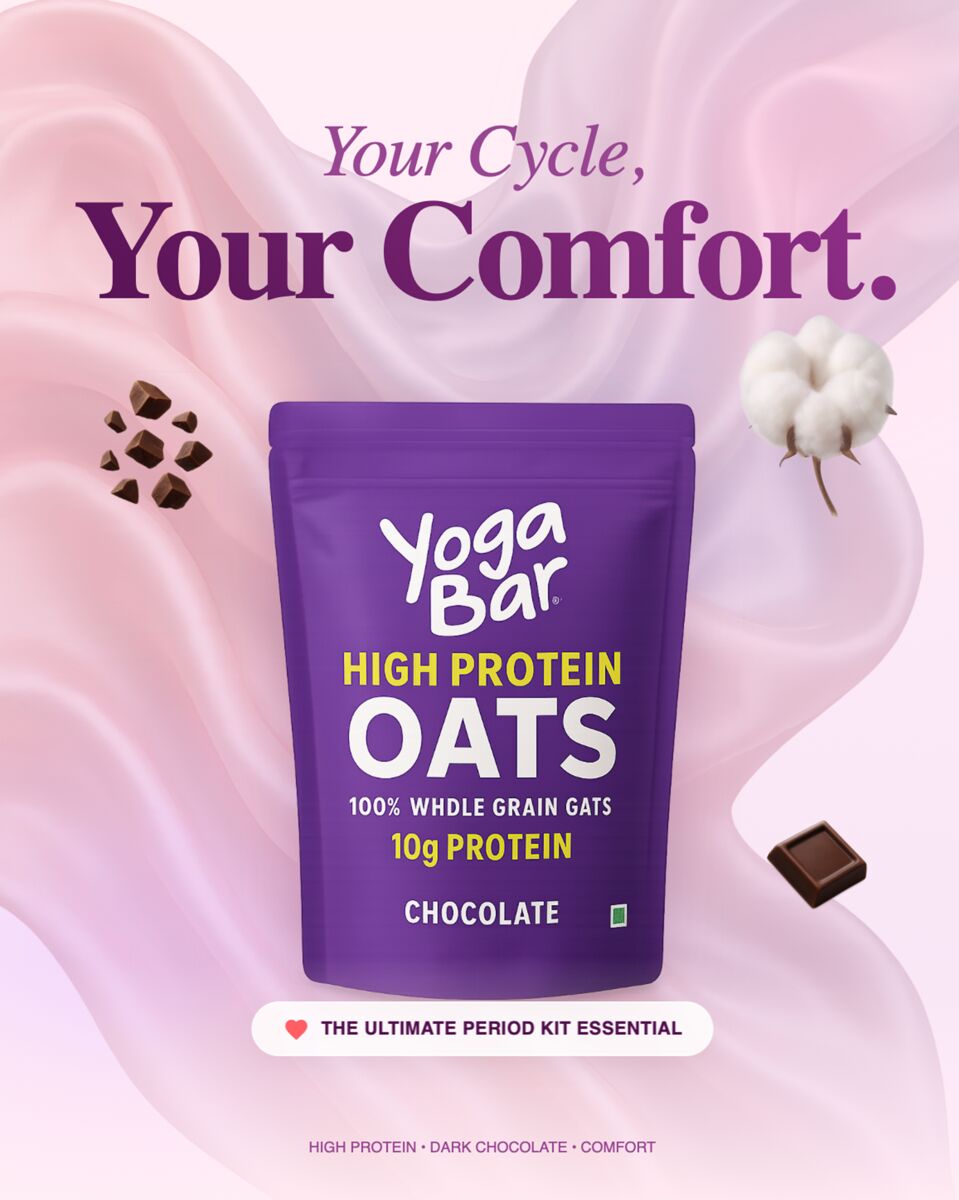
Instagram Story Email Header (1080×1920)

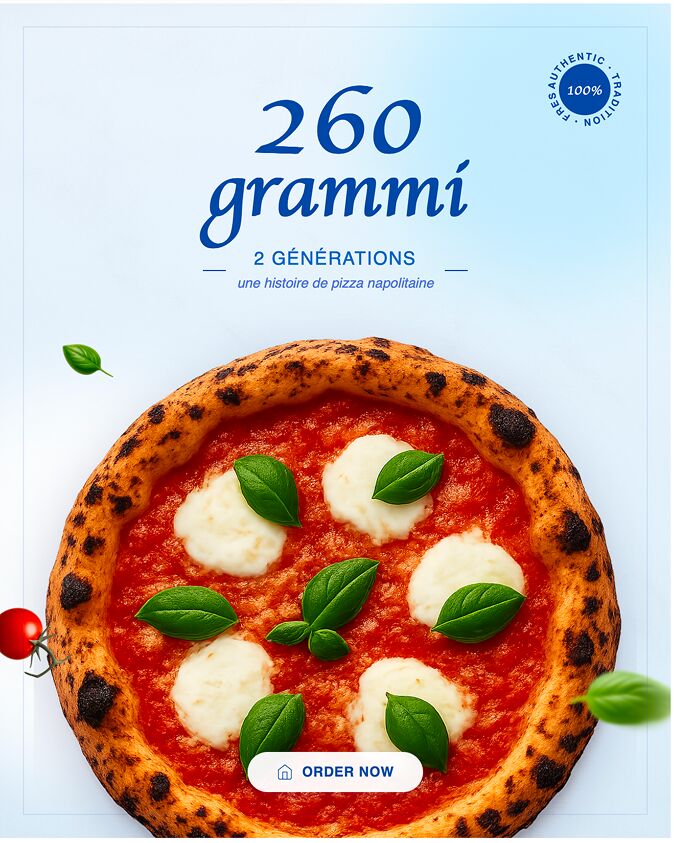
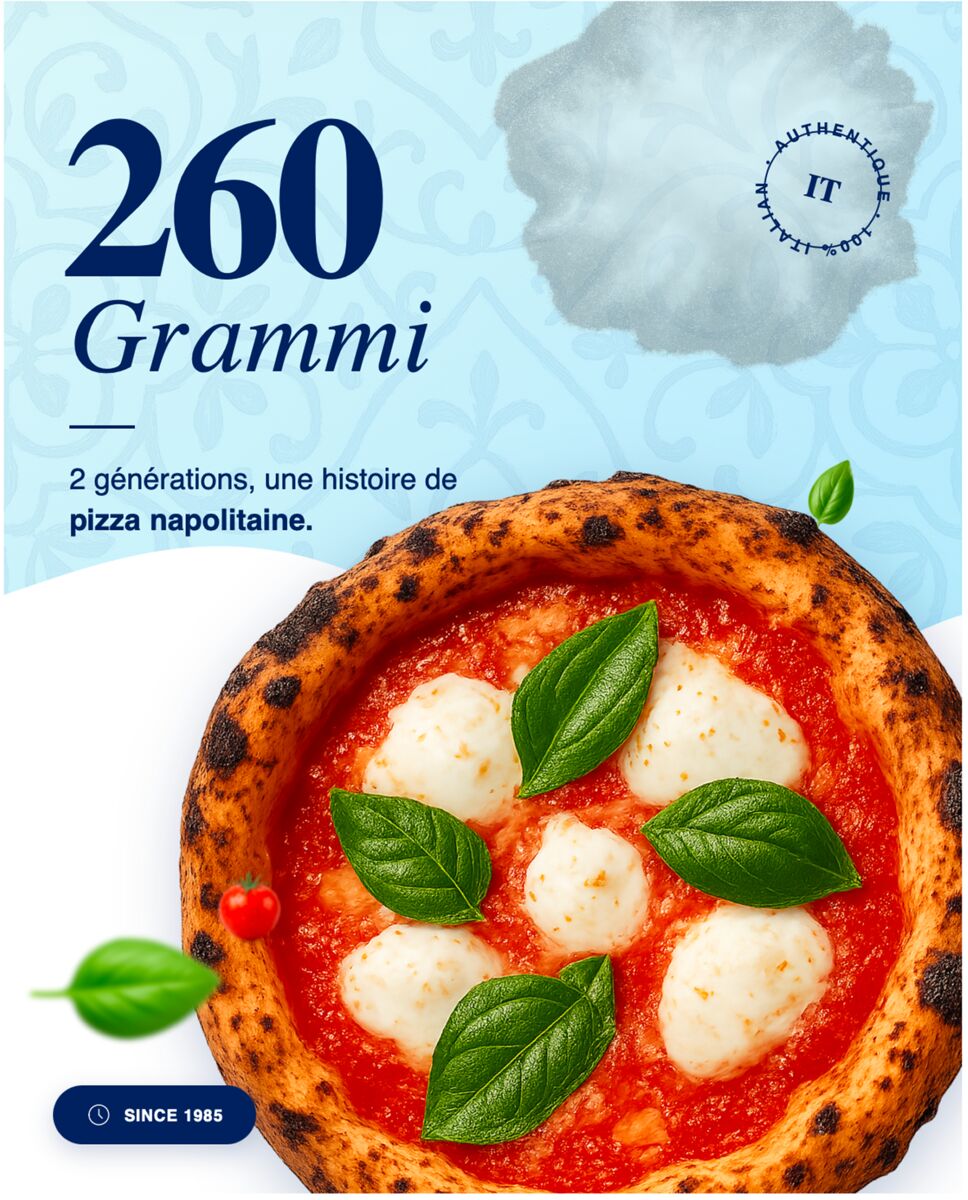
Open DesignLumo, set the canvas to 1080×1920, and prompt: “Create an Instagram Story email header for a spring sale using brand teal, bold sans‑serif, and a 20% off badge.” The AI returns a fully layered PSD; replace the placeholder text with your copy, adjust the badge size, and export a PNG under 150KB. Schedule the image in your Instagram bio link sticker. Marketers report a 15% higher swipe‑up rate when the header matches exact story dimensions.
Facebook Feed Header (1200×628)
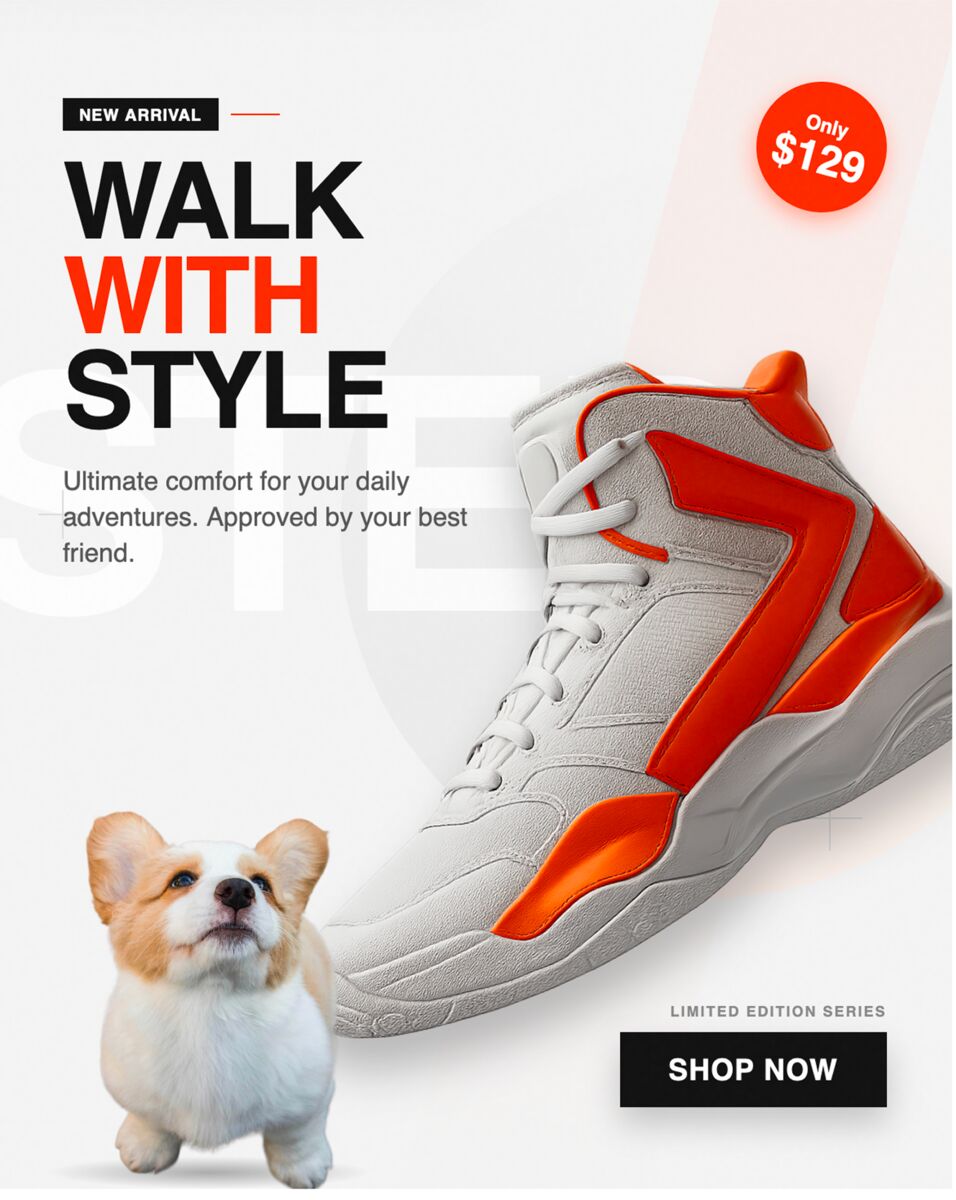
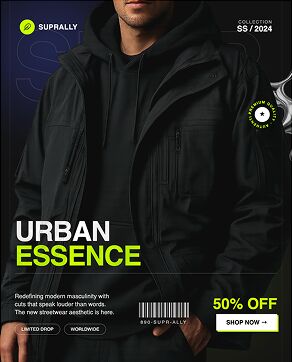
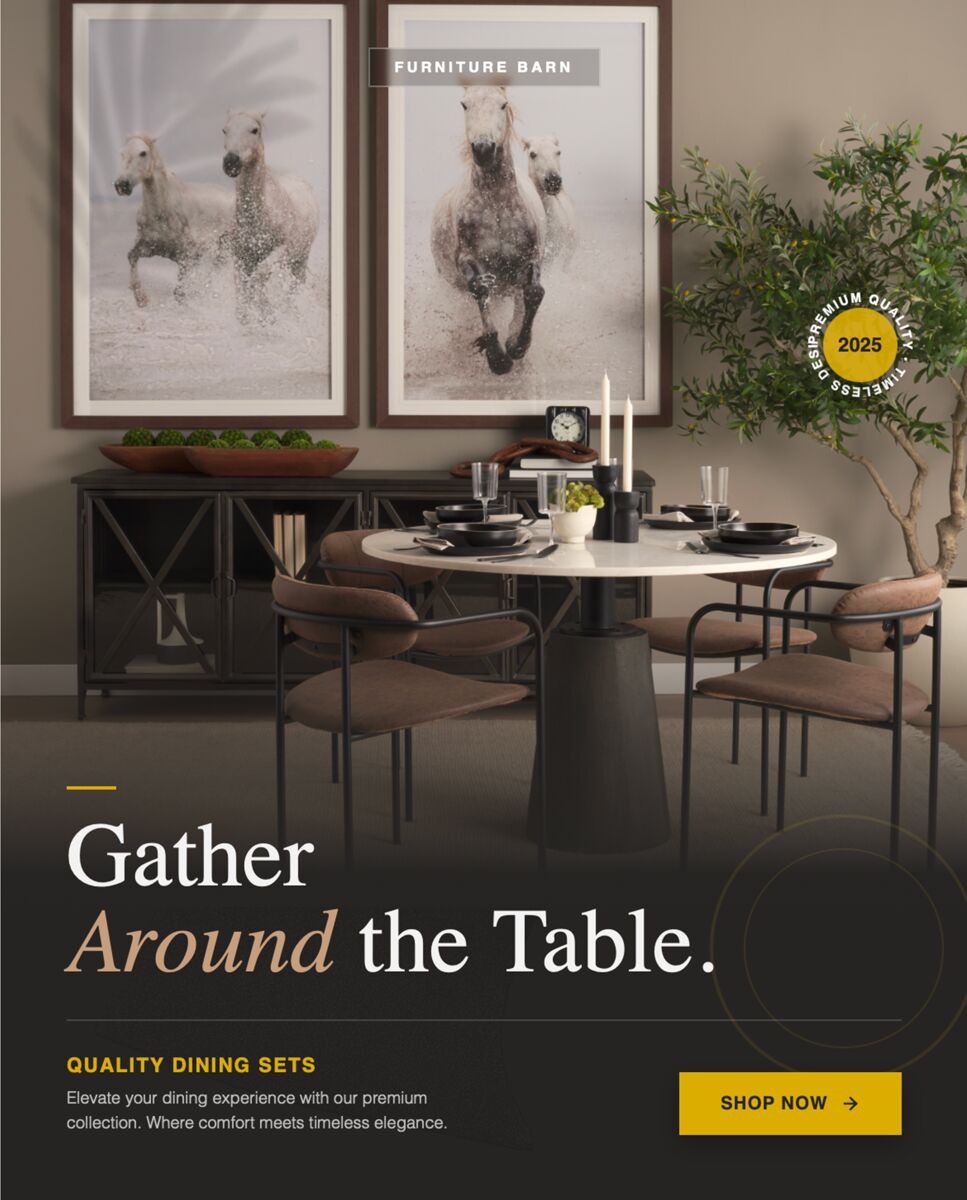
Start in Canva with the “Facebook Ad” template, then replace the static background with a DesignLumo‑generated layered image that matches your brand palette. Use Canva’s “Resize” tool to keep the 1200×628 ratio, add a CTA button, and download as PNG. Track click‑through rates in Facebook Ads Manager; a correctly sized header typically lifts CTR by 8‑12% versus a generic 1080p image.
LinkedIn Newsletter Banner (1128×376)
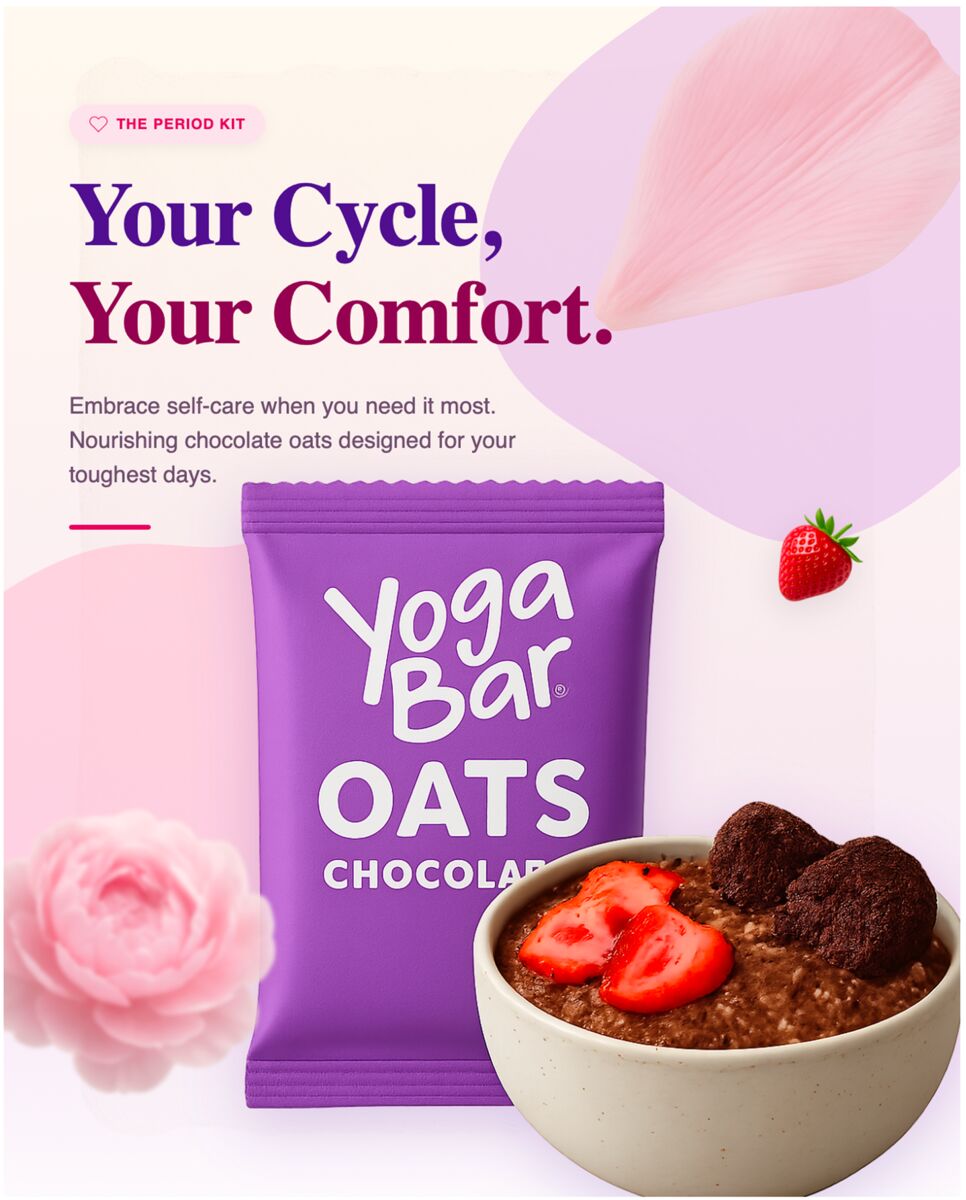
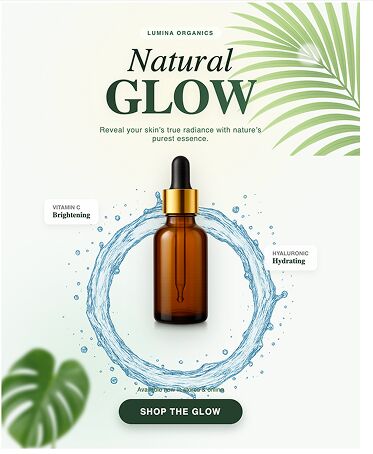
In DesignLumo, type: “Professional LinkedIn newsletter banner featuring a clean grid, brand navy, and a subtle gradient.” Set canvas to 1128×376, then edit the auto‑generated layers: swap placeholder logo, adjust headline font to your corporate typeface, and align elements to a 12‑column grid. Export as PNG and upload directly to LinkedIn. Analytics show a 22% higher subscriber conversion when the banner respects LinkedIn’s exact dimensions.
2. AI Generation & Editing Workflow
Prompt‑Driven Layered Design in DesignLumo
Write a concise prompt that includes brand colors, font names, layout intent, and CTA copy. Example: “Create a 600×200 email header for a webinar, using brand orange, Montserrat Bold for the title, and a right‑aligned ‘Register Now’ button.” DesignLumo instantly returns a PSD with editable text, shape, and image layers. Swap copy in seconds, change button color in one click, and export in multiple formats. This reduces average design time from 45 minutes to under 5 minutes, delivering a 300% productivity gain.
Hybrid Midjourney + DesignLumo Refinement
Generate a concept image in Midjourney with the prompt “abstract data wave background, teal and white, 4k”. Upscale the result, then import the PNG into DesignLumo. Use the AI’s “Trace Layers” feature to convert the background into editable shapes, replace the abstract wave with brand‑specific vector patterns, and add editable text layers for the email subject. This hybrid method yields a unique visual style while keeping full editability, cutting Illustrator iteration cycles by half.
Batch Automations with Zapier & DesignLumo API
Create a Zap that triggers on a new blog post in WordPress. The Zap sends the post title and featured image URL to DesignLumo’s API with a JSON payload specifying your brand kit. DesignLumo returns a layered PNG email header, which the Zap uploads to a Google Drive folder and pushes to Buffer for scheduled posting. Teams have reported a 200% increase in weekly header output and a 30% reduction in manual hand‑offs.
3. Brand Consistency & Asset Management
Create a Brand Kit in DesignLumo
In DesignLumo’s dashboard, click ‘Brand Kit’, upload your logo SVG, input HEX codes for primary and secondary colors, and select your corporate fonts (e.g., Lora Regular, Lato Bold). Enable “Auto‑apply kit” so every new prompt inherits these settings. Run a quarterly audit with a color‑contrast checker to ensure WCAG AA compliance. Consistent branding across email headers has been linked to a 30% lift in brand recall surveys.
Style Guide Sync between Canva and DesignLumo
Export your Canva Brand Kit as a JSON file (Settings → Brand Kit → Export). Import this file into DesignLumo via the “Import Kit” button. Any updates to colors or fonts in Canva can be re‑exported and re‑imported, keeping both platforms synchronized without duplicate entry. This workflow cuts re‑branding time by 40% when launching seasonal campaigns.
Version Control with Figma + DesignLumo
After generating a layered header in DesignLumo, export the file as a Sketch or SVG and import it into a Figma project. Create a component library for headers, label each version (v1, v2, etc.), and use Figma’s built‑in version history to track changes. When a stakeholder requests a tweak, edit the component directly in Figma, then push the updated SVG back to DesignLumo for final export. This maintains a single source of truth and reduces revision cycles by 25%.
4. Performance Testing & Optimization
A/B Test Email Headers in Mailchimp
Create two header variants in DesignLumo—one with a bold CTA button, another with a subtle underline style. Upload both images to a single Mailchimp campaign, split the audience 50/50 using the “Multivariate Test” feature, and monitor open and click rates over 48 hours. Use a significance calculator (p < 0.05) to determine the winner. Marketers typically see a 5‑10% lift in open rates when the winning design aligns with audience visual preferences.
Heatmap Analysis with Hotjar for Header Clicks
Embed the email header as a clickable image in a landing page and install Hotjar’s Heatmap script. After 1,000 sessions, review the click distribution; dead zones indicate low‑interest areas. Return to DesignLumo, reposition the CTA, increase contrast, and re‑publish. Subsequent heatmaps often reveal a 12% increase in click‑through on the revised header, directly tying visual tweaks to conversion gains.
File Size Optimization using TinyPNG
Export your header from DesignLumo as PNG, then upload to TinyPNG (or the API for bulk). Aim for a final size under 150 KB while retaining 2× retina quality. Run a Google PageSpeed Insights test on the email landing page; each 100 KB saved typically reduces load time by 0.3 seconds, improving deliverability and reducing bounce rates by up to 8%.
Before you go
- Leverage DesignLumo’s Brand Kit to auto‑populate colors and fonts in every prompt—no manual copy‑pasting needed.
- Combine AI‑generated concepts with data‑driven A/B testing; the fastest way to discover what visual cues drive clicks.
- Set up a Zapier automation that pulls new blog titles, generates matching email headers in DesignLumo, and queues them in Buffer for daily posting.

Ready to create your first design?
Join thousands creating professional designs in seconds.
Create with DesignLumo
Related Resources
Ultimate Halloween Social Media Design Playbook
Actionable Halloween design tactics for Instagram, Facebook, LinkedIn, X, and TikTok.
Social Media Design Launch Checklist
Step‑by‑step tactical guide to launch flawless social media graphics fast.
YouTube Design Toolbox: Thumbnails & Channel Graphics
Essential AI‑powered tools for YouTube thumbnails, channel art, community posts, and end screens.
Ultimate Presentation Slides Design Playbook
Actionable tactics to create, brand, and schedule high‑impact pitch decks for social media.
Twitter/X Graphic Toolkit for Maximum Engagement
Essential tools, workflows, and metrics to design, schedule, and optimize Twitter/X visual posts.
12 Tactical Social Media Design Ideas
Proven design concepts to boost engagement across Instagram, Facebook, LinkedIn, X, and TikTok.