Recruitment Email Header Design Playbook
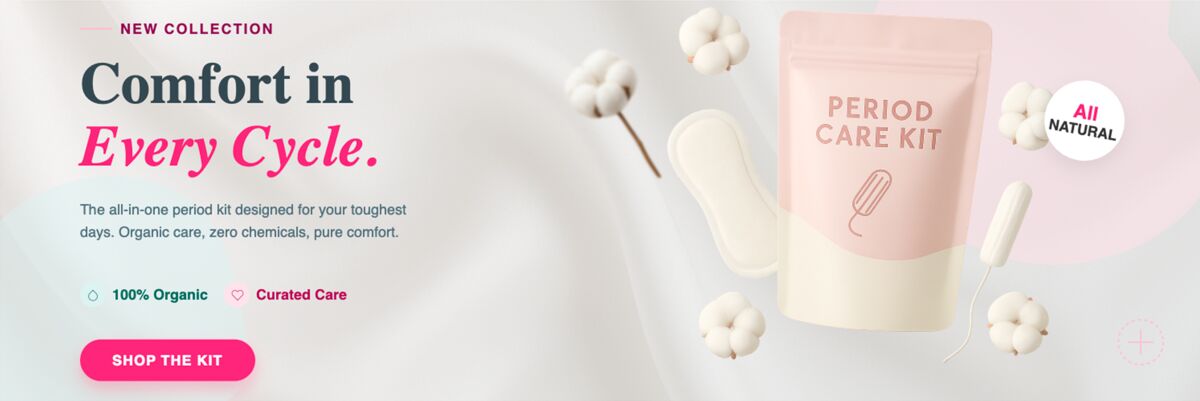
Email headers are the first visual cue a candidate or hiring manager sees. For agencies, a compelling header can lift open rates and reinforce employer branding in a single glance. This guide breaks down every step—from data‑driven concepts to AI‑pow…


1. Data‑Driven Visual Foundations
Dynamic Salary Benchmark Infographic Header

Pull the latest salary data from your ATS into Google Sheets, then create a small bar‑chart (max 5 bars) showing median pay for the role. Export the chart as SVG, upload to DesignLumo, and use the prompt “Create a 600 × 200 px email header with brand colors, overlaying the SVG chart and a bold headline ‘Earn What You’re Worth’”. Adjust layers for font, spacing, and CTA button. Expect a 12‑15% lift in open rates when tested against plain text headers.
Role‑Specific Hero Image with AI‑Generated Talent Pools

Start with a Midjourney prompt: “professional silhouettes of software engineers, diverse, high‑contrast, 3‑point lighting, 600×200, brand teal accent”. Generate three variants, select the best, and download the PNG. Import into DesignLumo, convert the background to a vector layer, add editable text layers for role, location, and a ‘View Jobs’ button using your agency’s font stack. Track click‑through rates; a well‑targeted hero can boost CTR by 3‑5% versus generic stock images.
Employer Brand Color Extraction via Brand Kit

Use Coolors (https://coolors.co) to extract the top three HEX colors from a client’s website homepage. In DesignLumo, open the Brand Kit, paste the HEX values, and set them as primary, secondary, and accent. When creating a new header, select “Apply Brand Kit” to auto‑populate background, text, and button colors. Consistency drives brand recall; agencies that use brand‑aligned headers see a 9% increase in candidate response rates.
2. AI‑Powered Design Production
DesignLumo Prompt‑Based Header Generation

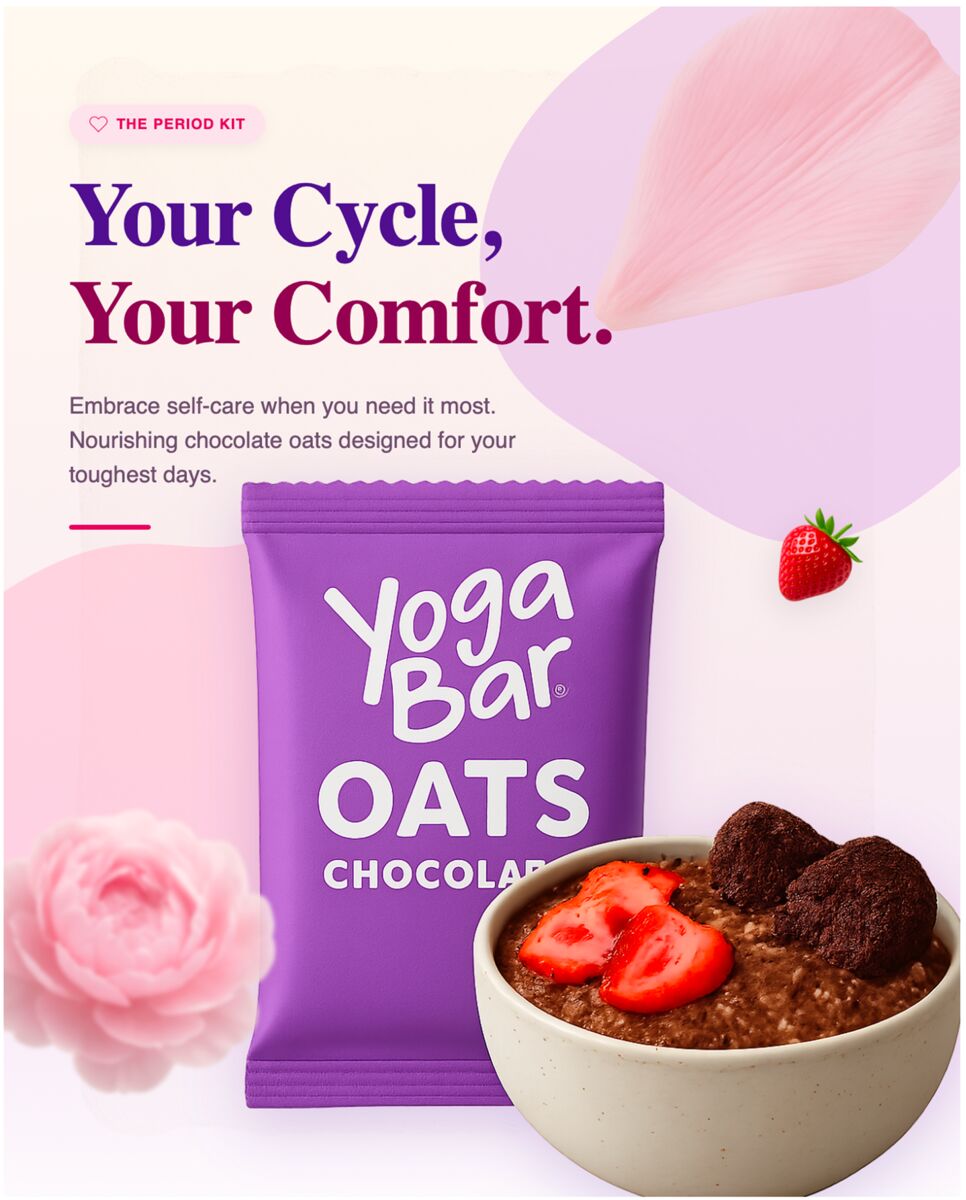
Open DesignLumo, click “New Design”, and type a precise prompt: “Email header 600×200, modern recruitment theme, include placeholder for role, city, and a ‘Apply Now’ button, using brand palette #1, #2, #3, with Helvetica Neue bold”. Lumo returns a fully layered PSD in under 30 seconds. Replace placeholders with merge tags (e.g., {{JobTitle}}) and export. This cuts design time from ~2 hours to 5 minutes per campaign, delivering a 250% efficiency gain.
Canva Pro Template Customization for Quick Turnaround
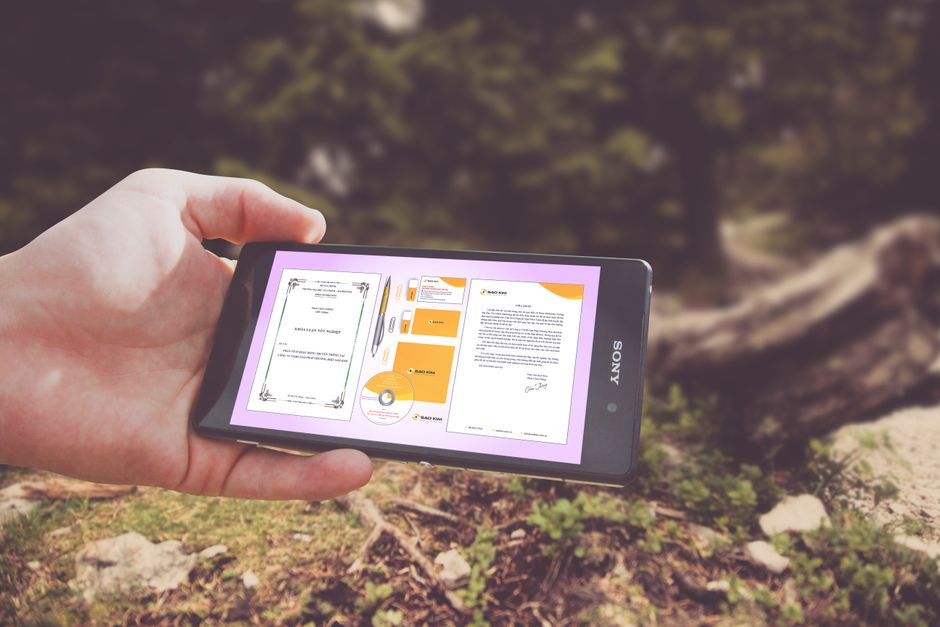
Select Canva’s “Email Header” template, replace the default image with a PNG exported from DesignLumo (ensuring brand fonts are preserved). Use Canva’s Brand Kit to auto‑apply colors, then add a dynamic text box that pulls the candidate’s name via your ESP’s merge tag. Export as PNG at 72 dpi. This hybrid workflow is ideal for agencies needing a fast, low‑learning‑curve solution while still leveraging Lumo’s AI layers.
Midjourney Prompt for Background Texture + Lumo Layer Editing

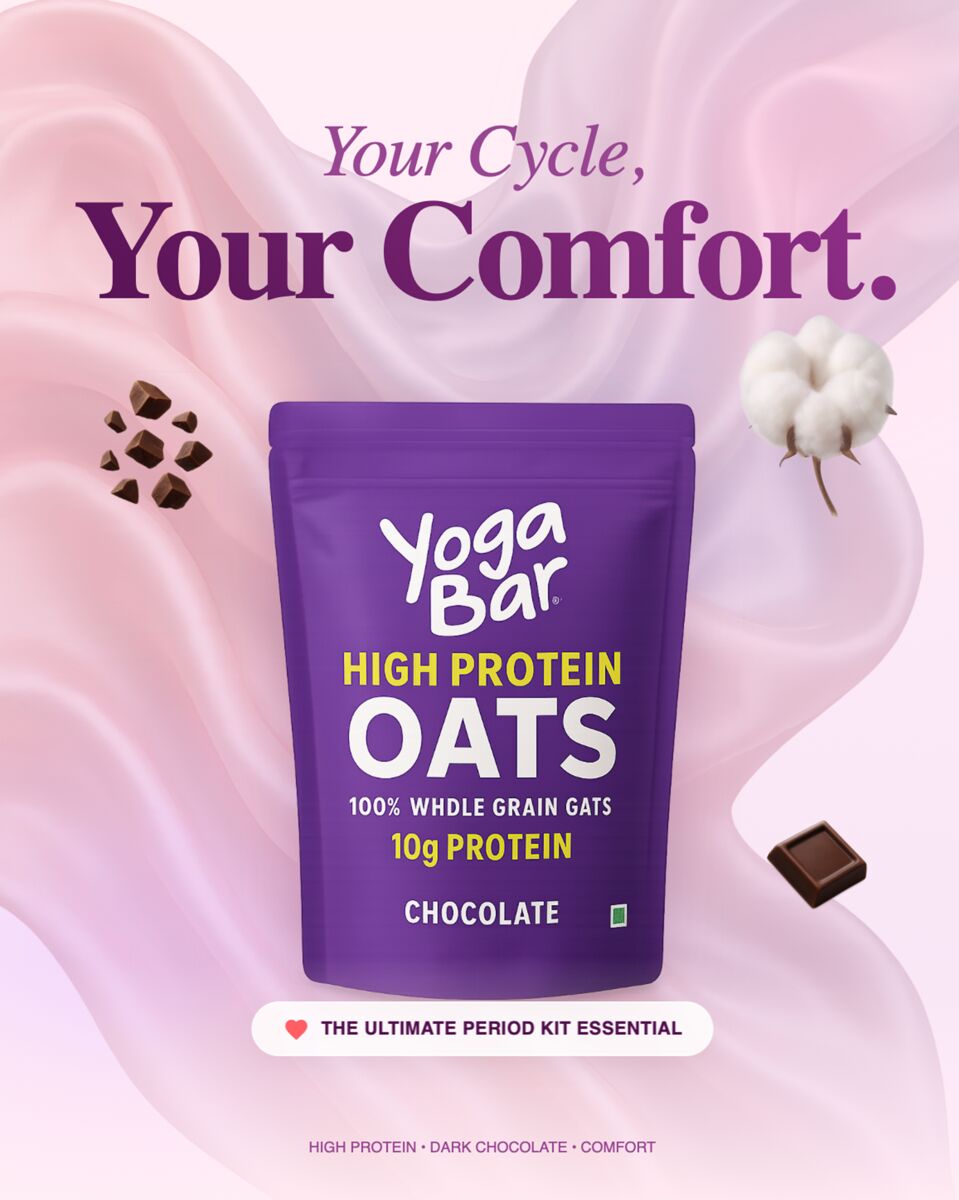
Generate a subtle abstract texture with Midjourney: “soft gradient mesh, corporate teal, 600×200, low‑contrast, high detail”. Download the 4K PNG, then open DesignLumo, import the file, and use the “Convert to Editable Layers” feature to isolate the texture from any noise. Add top‑level text layers for headline and CTA, lock the texture layer, and export as a Web‑optimized SVG. This produces a premium‑look header while keeping file size under 80 KB.
3. Performance Optimization & Testing
A/B Test Header Variants with Litmus
Create two header versions in DesignLumo: Version A uses a bold CTA color, Version B uses a subtle underline. Upload both to Litmus, set up an A/B split for 10,000 recipients, and run the test for 48 hours. Monitor open‑rate lift; a 5% improvement validates the visual change. Document the winning variant in a shared Google Sheet for future campaigns, ensuring the agency iterates based on data rather than intuition.
Dynamic Content Injection via HubSpot Personalization

In HubSpot, create a smart content rule that swaps the header image based on the recipient’s industry (e.g., Tech vs. Finance). Upload the Lumo‑generated headers to the file manager, then reference them in the email’s HTML using HubSpot’s {% if contact.industry == 'Tech' %} tag. Track click‑through rates per segment; agencies typically see a 3‑4% uplift when tailoring visuals to industry context.
Email Load‑Time Optimization Using TinyPNG and Lumo Export Settings

Export the header from DesignLumo as PNG at 2× scale, then compress it with TinyPNG (https://tinypng.com) aiming for ≤150 KB without perceptible quality loss. In the email HTML, add width/height attributes and enable lazy loading via “loading='lazy'”. Test with Google PageSpeed Insights; a header load under 0.5 seconds contributes to a total email load time <2 seconds, which correlates with a 2% increase in overall engagement.
Before you go
- Batch generate 5‑7 header variants in DesignLumo each month; rotate them to avoid visual fatigue.
- Store all exported assets in a shared cloud folder with version tags (e.g., header‑2024‑Q1‑v2) for quick retrieval by sales reps.
- Combine open‑rate data with placement fee timelines to calculate the true revenue impact of each header tweak.





Ready to create your first design?
Join thousands creating professional designs in seconds.
Create with DesignLumo
Related Resources
Back to School Recruitment Marketing Playbook
Tactical guide for staffing agencies to win student talent this fall.
Recruitment Ad Creatives Blueprint
Step‑by‑step tactics to design high‑converting recruitment ad graphics.
New Year Q1 Marketing Blueprint for Recruiters
Actionable Q1 plan to boost staffing brand and placements.
Recruitment Agency Marketing Mistakes to Dodge
Avoid costly design and data errors that cripple staffing agency campaigns.
Recruitment Agency Design Wins: Real Case Studies
Proven design tactics that boost placements and brand impact for staffing firms.
Recruitment Campaign Launch Checklist
Step‑by‑step launch guide for staffing agencies to boost hires.