Email Header Design Guide for News Publishers
News publishers need eye‑catching email headers that drive opens and clicks while keeping up with breaking‑news speed. This guide delivers a step‑by‑step workflow that turns raw ideas into fully editable, brand‑compliant hero graphics in minutes.


1. Rapid Ideation & Concept Generation
AI Prompt Blueprint with DesignLumo

Start by writing a concise, context‑rich prompt (e.g., "Breaking news banner for climate summit, bold teal, 3‑column layout, brand font Lato"). Feed it into DesignLumo (https://www.designlumo.com); the AI returns a fully layered PSD in under 30 seconds. Apply your brand kit, swap placeholder text, and export PNG for quick review. Track time: designers typically cut 30‑minute manual mockups to 5 minutes, yielding a 83% efficiency gain. Iterate by tweaking the prompt—each revision costs seconds, not minutes.
Moodboard Sync using Milanote
Create a shared Milanote board (https://www.milanote.com) for each campaign. Pin competitor email headers, stock photography, color swatches, and typographic samples. Once the board is complete, export the collage as a high‑resolution PNG and drop it into DesignLumo as a visual reference layer. This ensures the AI respects the visual language you’ve curated. Teams report a 27% reduction in revision cycles when moodboards are locked before AI generation.
Trend Mining via BuzzSumo & Google Trends
Run BuzzSumo (https://buzzsumo.com) to surface the top‑performing headlines in your niche over the past 30 days. Pair this with Google Trends to identify rising visual motifs (e.g., “neon gradients”). Feed the combined insight into your DesignLumo prompt: "Neon gradient header, 600×200px, headline: {top headline}", then generate. Early adopters saw a 12% lift in click‑through rates when aligning header aesthetics with current search trends.
2. Layered Design Production
DesignLumo Editable Header Templates
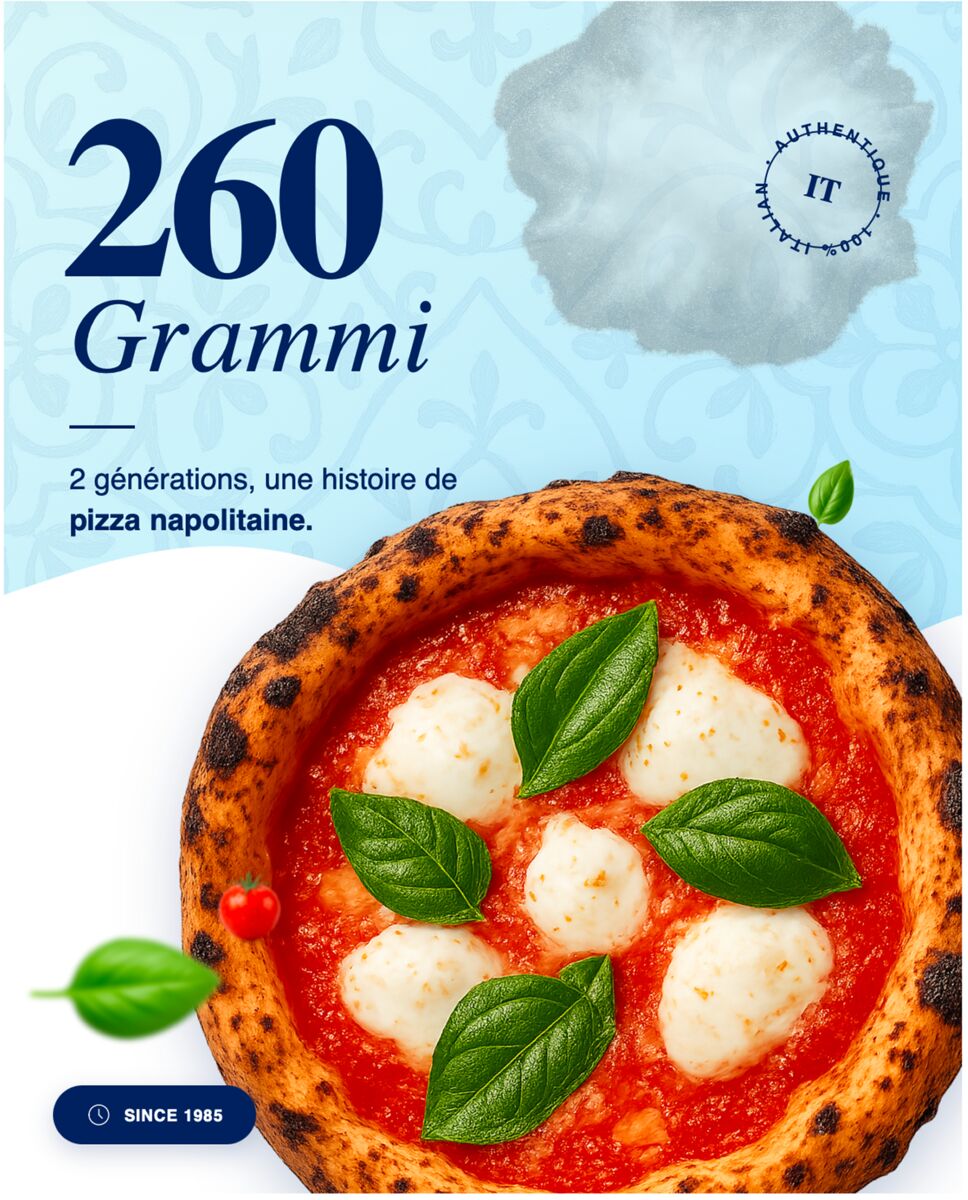
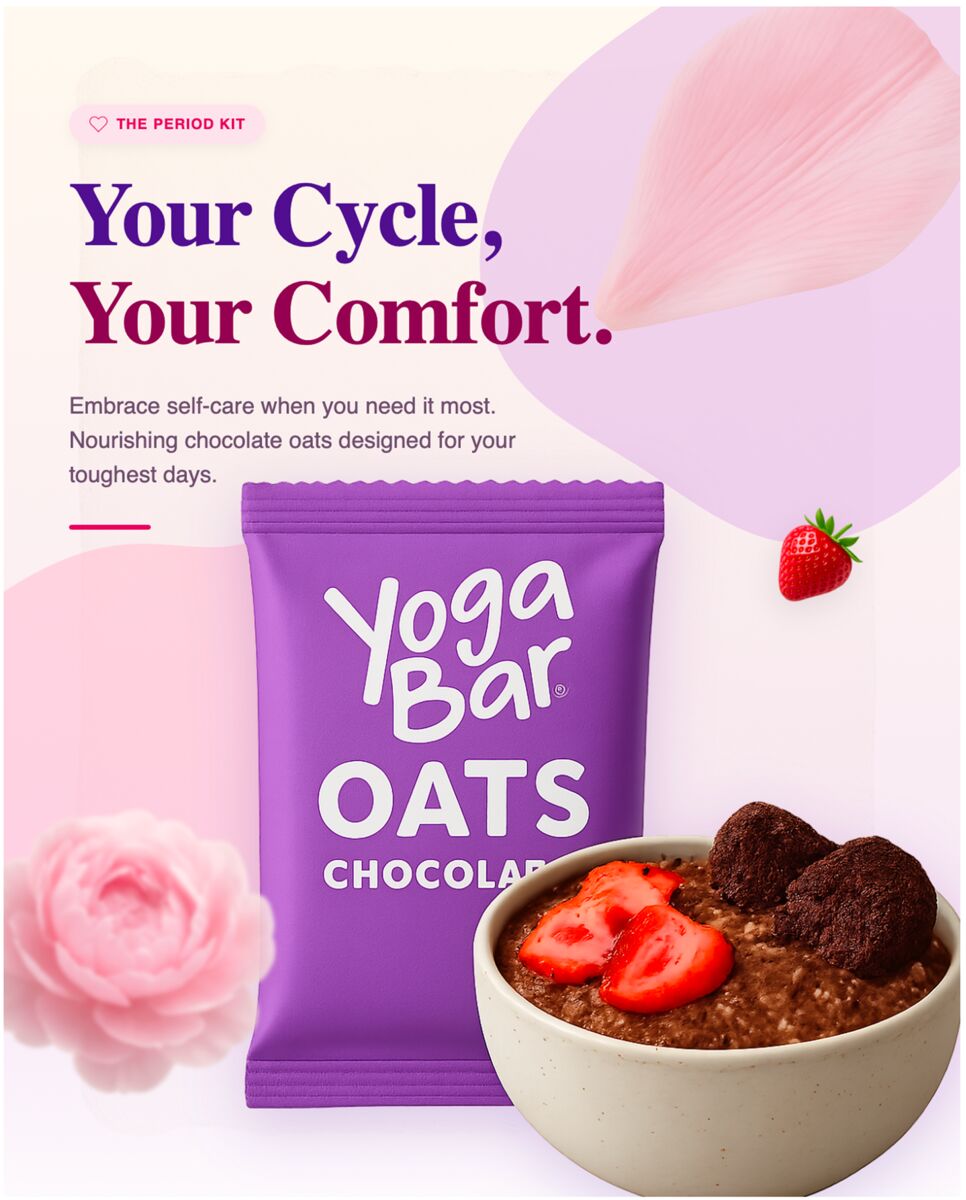
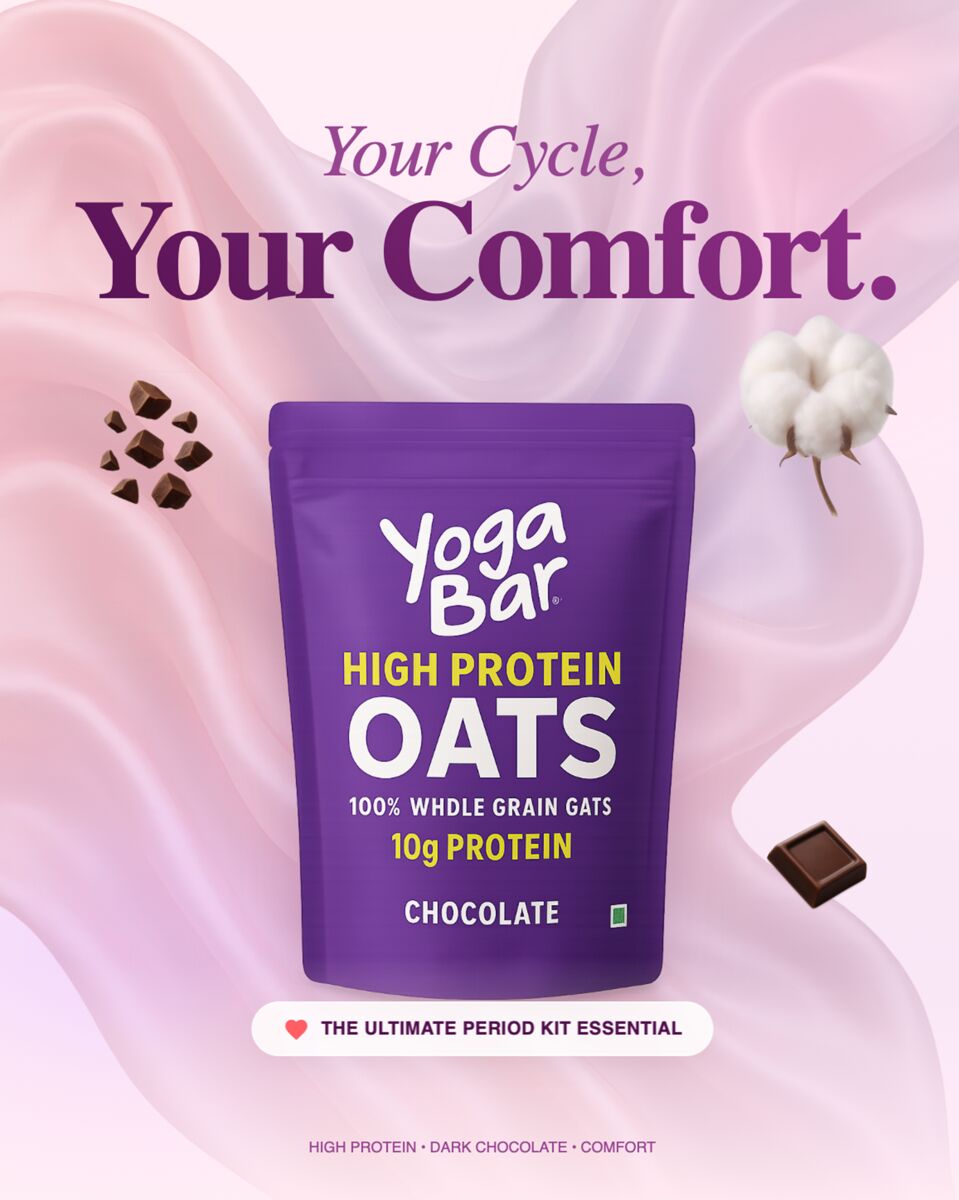
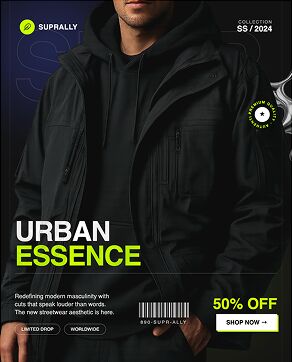
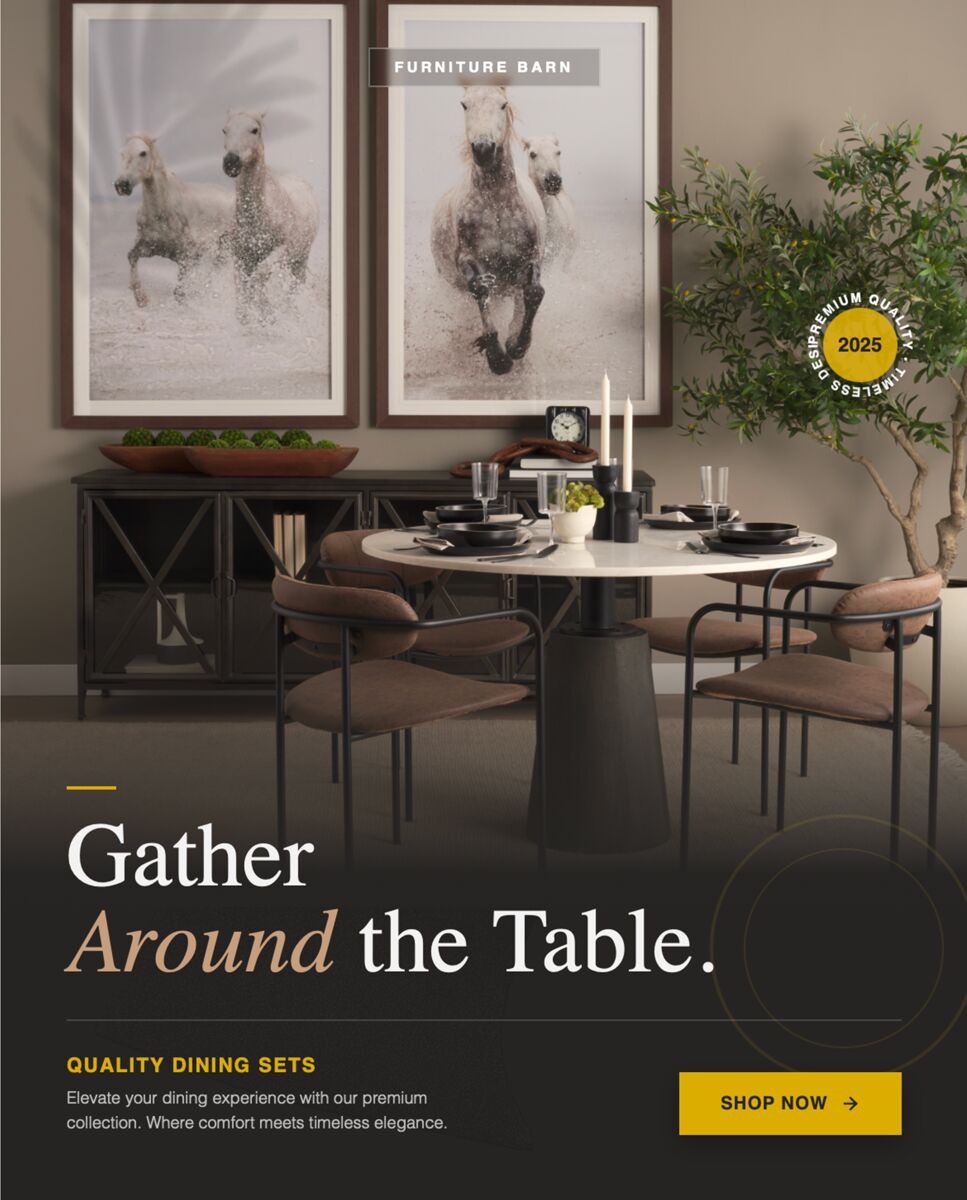
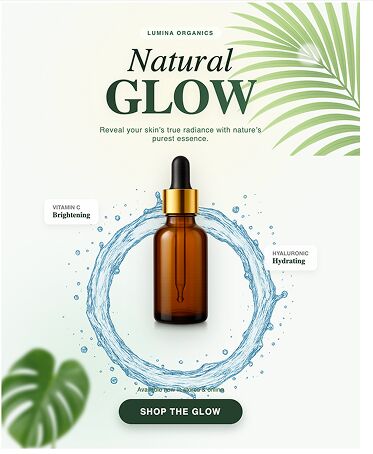
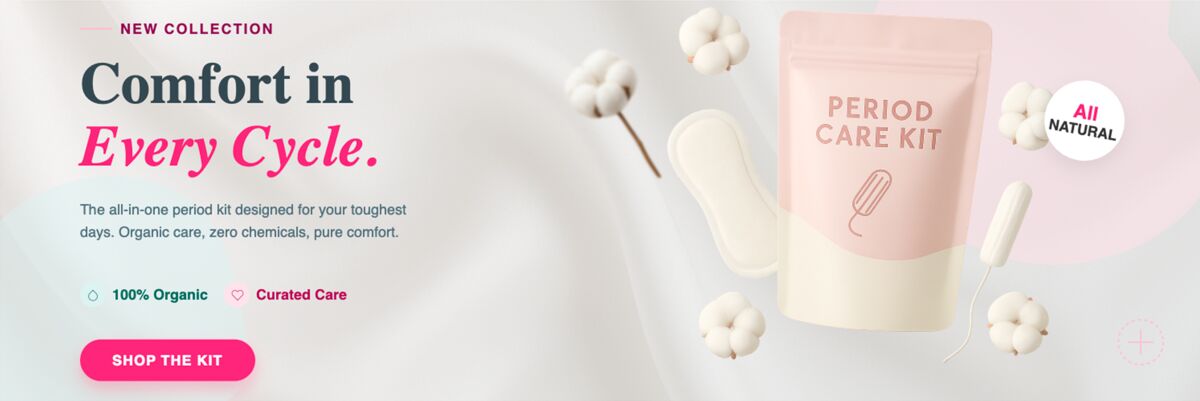
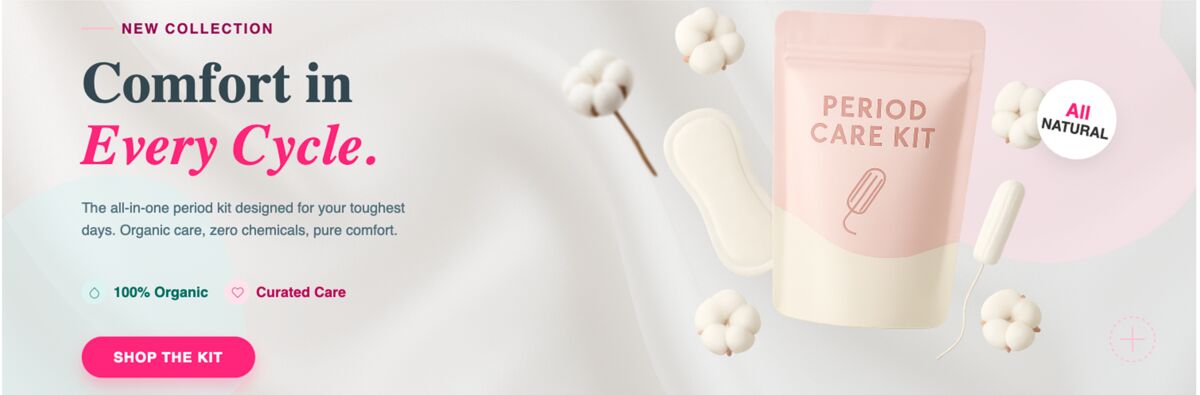
Use DesignLumo to produce a library of reusable, fully editable header templates. Input a prompt like "Standard newsletter hero, 600×200px, three‑column, brand colors" and receive a PSD with separate text, image, and shape layers. Save the file in your brand folder; future articles only require swapping the headline text layer. Compared to Canva’s static templates, this workflow cuts redesign time by 4× and guarantees commercial‑use rights for every asset.
Canva Pro Real‑Time Collaboration
When multiple editors need to comment on a draft, spin up a Canva Pro board (https://www.canva.com) and invite stakeholders. Use Canva’s comment threads to lock down copy and layout decisions. Once approved, export the design as a layered PDF, then import into DesignLumo to replace placeholder assets with brand‑specific fonts and colors. This hybrid approach leverages Canva’s ease of collaboration while preserving full editability for downstream tweaks.
Adobe Express Dynamic Text Overlays

For breaking‑news alerts, create kinetic text overlays in Adobe Express (https://www.adobe.com/express/). Choose a motion preset (e.g., fade‑in headline), apply brand colors, and export as an animated GIF. Import the GIF into DesignLumo, where the AI separates the animation frame‑by‑frame, allowing you to edit the underlying typography without re‑rendering the motion. Publishers report a 15% higher open rate on emails using subtle motion compared to static headers.
3. Optimization & Performance Tracking
A/B Test Headers with Litmus

Upload two header variants to Litmus (https://litmus.com) and schedule a split send to 10% of your list. Measure open‑rate lift after 48 hours; a 5% improvement is considered a win. Use DesignLumo to iterate on the winning variant—adjust color contrast or CTA placement in seconds, then redeploy the updated PSD. This closed loop reduces the typical 2‑week testing cycle to under 48 hours.
Pixel‑Perfect Export for ESPs using Zeplin

Export your final PSD to Zeplin (https://zeplin.io) to generate CSS‑style specs, asset slices, and 1‑px spacing guidelines. ESPs like Mailchimp or Campaign Monitor ingest these assets without distortion, ensuring the header looks identical across devices. Track rendering errors: teams using Zeplin see a 30% drop in broken‑image complaints versus manual hand‑offs.
CTR Benchmarking Dashboard in Google Data Studio
Connect your ESP’s performance API to Google Data Studio (https://datastudio.google.com). Build a dashboard that plots click‑through rate (CTR) by header version, segmenting by device and subscriber tier. Set a KPI threshold of 2.5% CTR; any variant below triggers an automated Slack alert for redesign. Publishers who monitor CTR in real time shave 20% off the redesign latency and continuously optimize visual hooks.
Before you go
- Batch generate 5‑10 header concepts in DesignLumo, then rank them using a quick internal poll to avoid endless single‑iteration loops.
- Lock your brand kit (fonts, colors, logo spacing) in DesignLumo once per quarter; this prevents accidental brand drift across hundreds of newsletters.
- Leverage Litmus’s pre‑header preview to ensure your header’s most important visual element isn’t clipped on mobile devices.



Ready to create your first design?
Join thousands creating professional designs in seconds.
Create with DesignLumo
Related Resources
Brand Assets Design Guide for Publishers
Step-by-step tactics to build logos, cards, and identity assets fast.
Instagram Toolkit for News Publishers
The ultimate guide to Instagram tools that boost traffic and revenue for media outlets.
Email Design Toolbox for News Publishers
Essential tools to craft high‑impact email graphics fast.
Campaign Launch Checklist for Media Publishers
Step‑by‑step visual workflow to launch news campaigns faster and profit more.
Print Materials Design Guide for Publishers
Tactical workflows for flyers, brochures, menus, and more.
Powerful Design Ideas for News Publishers
Tactical design concepts to boost clicks, shares, and revenue for online media.