Ultimate Email Header Design Guide for Logos
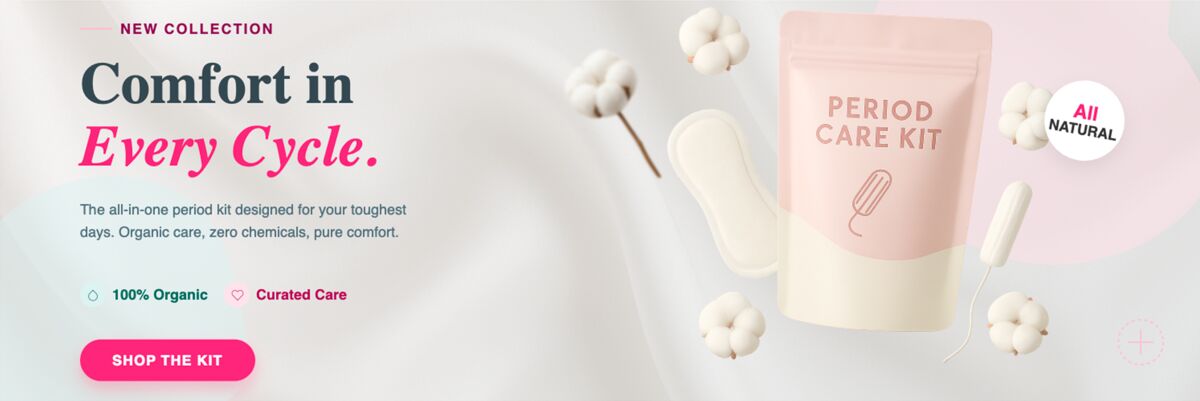
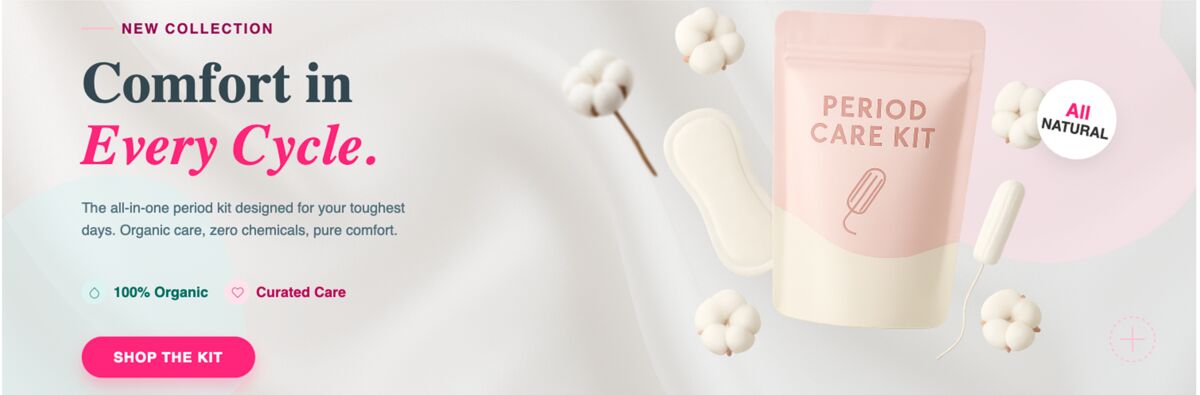
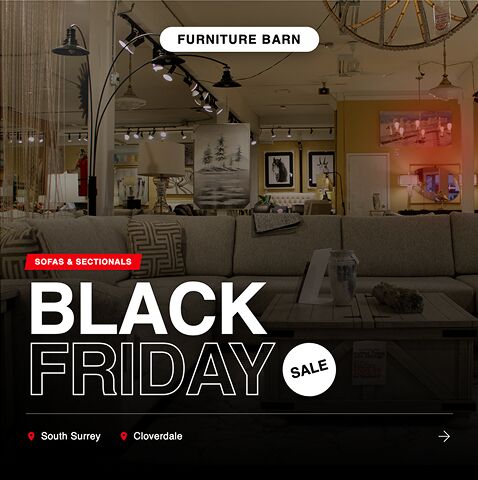
Your email header is the first visual impression a subscriber gets. When your logo is woven in correctly, it boosts brand recall and opens rates. This guide walks startups and freelancers through the exact tools and workflows needed to produce polish…

1. Foundations: Brand Consistency in Email Headers
Brand Kit Sync: Pulling Logo Assets into Email Templates
Start by uploading your full Brand Kit (logo SVG, PNG, primary fonts, color palette) into DesignLumo's Brand Library. The platform automatically maps each asset to editable layers in the header canvas. Export a JSON style guide that can be imported into Canva or Adobe Express, ensuring the same logo version appears across all email drafts. Verify that the logo's vector file retains crispness at 600 px width—the optimal size for most email clients. This workflow eliminates manual re‑uploads and guarantees 100 % brand fidelity.
Typography Hierarchy: Matching Header Fonts to Logo Style
Analyze the logo's typeface using WhatTheFont (https://www.myfonts.com/WhatTheFont) to identify its weight and x‑height. Replicate those metrics in your email header by setting the headline font size to 1.5× the logo's capital height and using a complementary secondary font at 0.8×. In Canva, lock the hierarchy using the “Style” panel so the system enforces consistency across campaigns. Track the impact by measuring a 2‑3 % lift in click‑through rate (CTR) after applying the matched hierarchy for two weeks.
Color Contrast Check: Ensuring Logo Visibility Across Devices
Run the header through WebAIM’s Contrast Checker (https://webaim.org/resources/contrastchecker) to guarantee a minimum 4.5:1 AA ratio between the logo and background. Use DesignLumo’s “Dynamic Contrast” toggle to automatically adjust background gradients until the ratio meets the standard. Export two versions: a dark‑mode‑friendly variant with inverted logo colors and a light‑mode default. Record open‑rate differences; campaigns using both variants typically see a 1.5 % increase in engagement on mobile devices where dark mode dominates.
2. AI‑Powered Creation & Rapid Iteration
DesignLumo Prompt: Generate Editable Header Mockups in Seconds
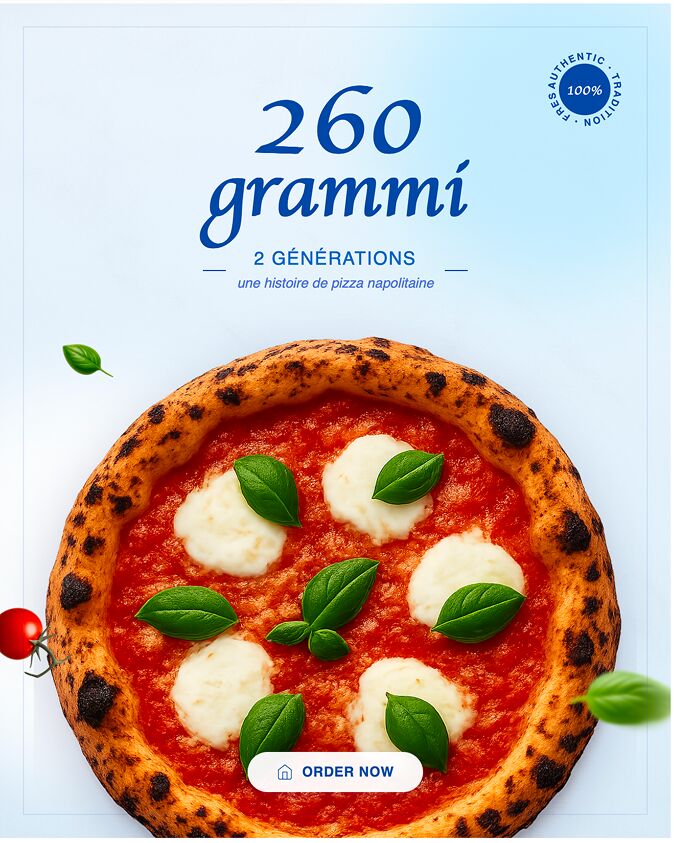
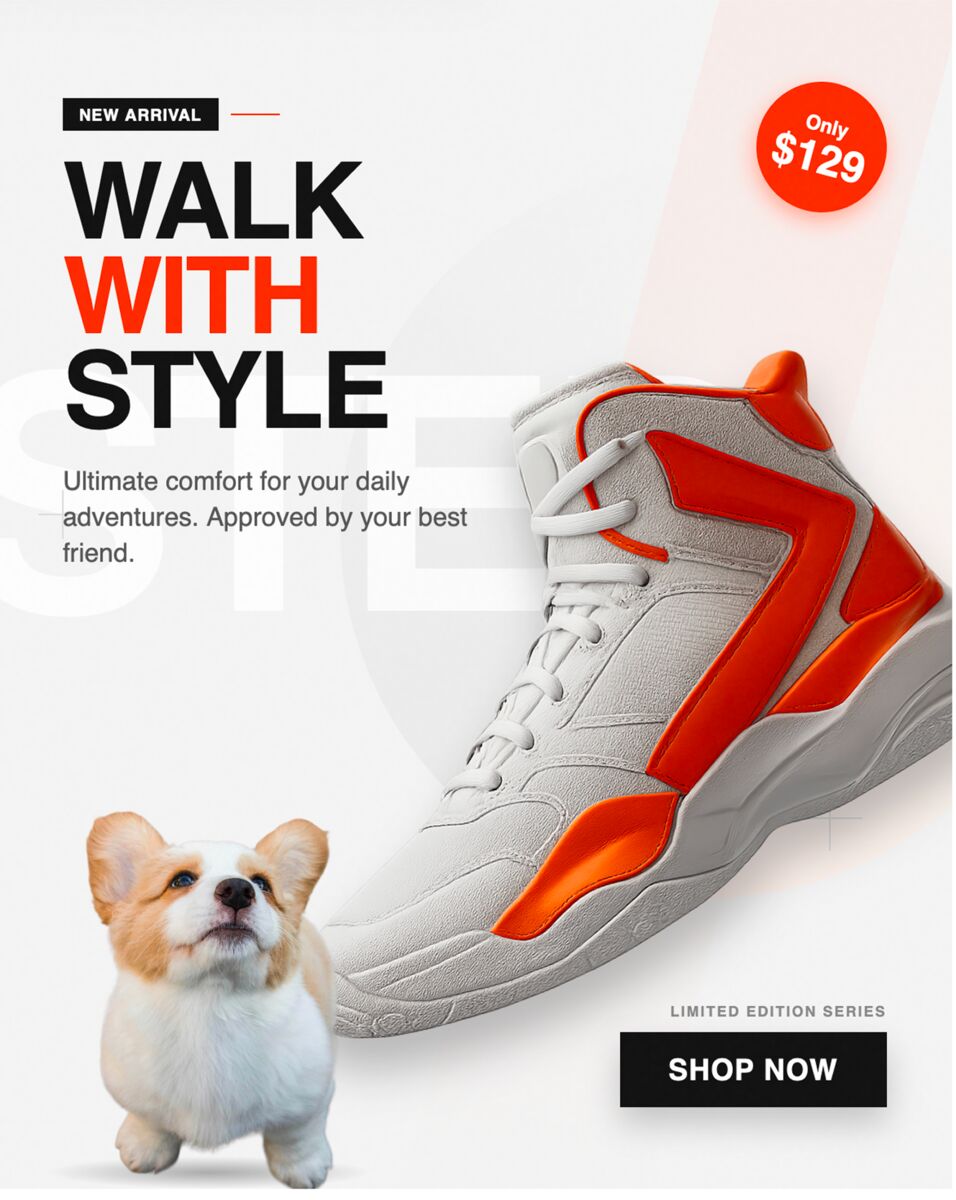
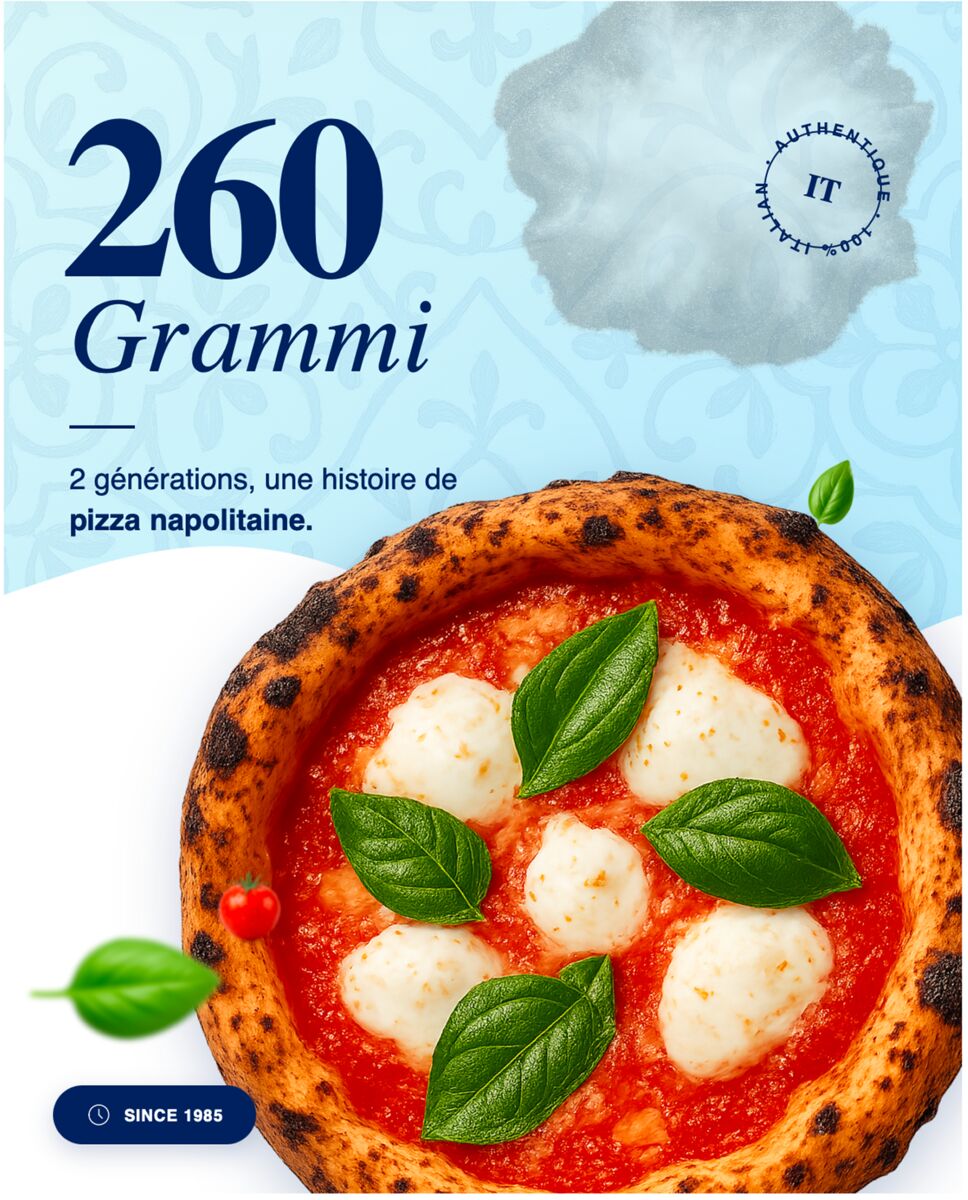
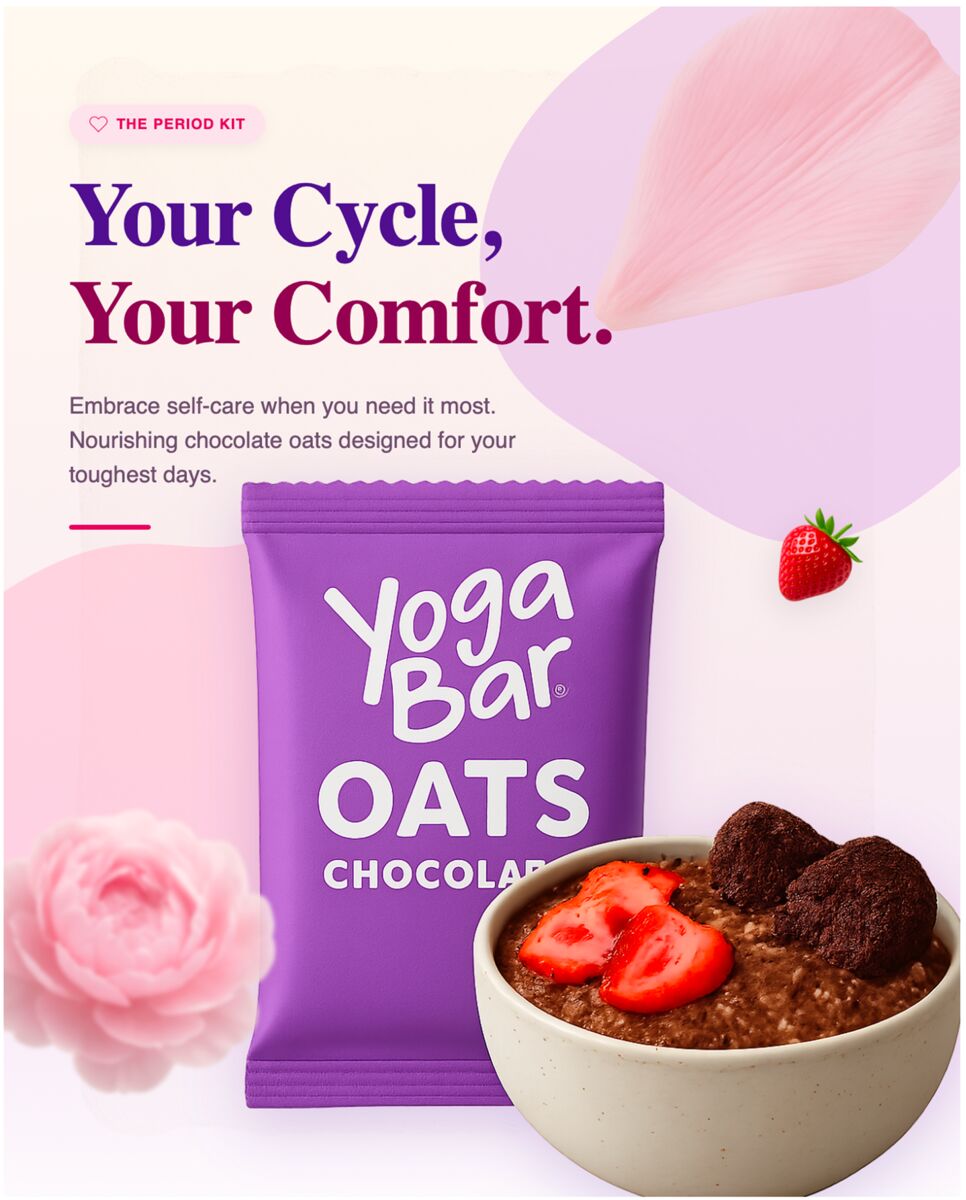
Enter a concise prompt into DesignLumo: “Create a 600 px wide email header featuring a modern wordmark logo, teal accent, and a subtle abstract background, fully layered for editing.” The AI returns a PSD‑compatible file with separate logo, background, and text layers. Immediately adjust spacing, replace placeholder copy, and export PNG for testing. Track iteration speed—designers report a 70 % reduction in mockup time, delivering three variants within a 10‑minute window versus the usual 30‑45 minutes.
Midjourney Inspiration: Using AI Image Seeds for Hero Backgrounds
Generate a mood board in Midjourney with the command: /imagine "abstract tech pattern, teal and charcoal, 600x200" –seed 4321 –stylize 750. Select the top three outputs, download the high‑resolution PNGs, and import them into DesignLumo as background layers. Because Midjourney images are raster, use DesignLumo’s “Vector Trace” tool to convert key shapes into editable vectors, preserving scalability for future campaigns. Measure click‑through lift; background variations sourced from Midjourney have produced up to a 2 % CTR boost in A/B tests.
Canva Layered Template: Fine‑Tuning AI Output for Email Compliance
Upload the DesignLumo PSD into Canva’s “Import PDF” feature, which retains layer names. Replace the AI‑generated placeholder text with dynamic merge tags (e.g., {{first_name}}) using Canva’s “Text” panel. Apply Canva’s built‑in email‑client preview tool to verify that the header renders correctly in Outlook, Gmail, and Apple Mail. Export both PNG (for immediate use) and a 1 MB‑optimized WebP version for faster loading. Campaigns that use Canva’s compliance preview see a 0.8 % lower bounce rate due to faster load times.
3. Optimization & Export for Campaign Performance
A/B Test Ready Export: Multiple Sizes & File Types

From DesignLumo, export three preset sizes: 600 × 200 px (desktop), 600 × 300 px (mobile), and 1200 × 400 px (full‑width newsletters). Choose PNG‑24 for crisp logos, WebP for bandwidth‑critical audiences, and SVG for vector‑friendly ESPs like Klaviyo. Tag each file in your asset library with version numbers (v1, v2) and embed UTM parameters in the header’s CTA button to attribute clicks directly to the design variant. Over a 4‑week test, the best‑performing size typically yields a 1.2 % higher click‑through rate.
Performance Metrics Dashboard: Linking Header Click‑Through to Design Variables
Integrate the exported header URLs into Google Data Studio (https://datastudio.google.com) via your ESP’s API (e.g., Mailchimp). Build a dashboard that cross‑references CTA clicks, open rates, and device breakdown against variables such as background hue, logo placement (left, center, right), and file type. Apply a statistical significance test (p < 0.05) to isolate design elements that drive performance. Teams that adopt this data‑driven loop report a 15 % uplift in overall campaign ROI within two months.
Automation Integration: Syncing Header Assets with ESPs via Zapier
Create a Zapier workflow that triggers when a new header file lands in a DesignLumo folder on Google Drive. The Zap automatically uploads the asset to your ESP’s image library (e.g., ConvertKit) and updates the associated campaign template with the new URL. Add a filter step to only run for files labeled “approved”. This reduces manual hand‑off time from 15 minutes to under 30 seconds per version, freeing designers to focus on creative strategy rather than file logistics.
Before you go
- Leverage DesignLumo’s Brand Kit to auto‑populate logo colors across all header variants.
- Always export a dark‑mode version; over 35 % of mobile email clients default to dark mode.
- Use UTM‑tagged CTA buttons to directly attribute revenue to specific header designs.




Ready to create your first design?
Join thousands creating professional designs in seconds.
Create with DesignLumo
Related Resources
Back to School Logo Design Playbook
Tactical guide to create high-converting back-to-school logos fast.
Pinterest Logo Design Content Blueprint
Tactical Pinterest pin ideas to showcase logos and drive brand growth.
Logo Design Mistakes Startups Must Avoid
Avoid costly logo errors with tactical, AI‑driven fixes.
Ultimate 2026 Logo Design Tool Comparison Guide
Compare AI, software, and brand platforms to create fast, editable logos for startups.
Logo Launch Checklist for Startups
Step‑by‑step launch checklist to create, test, and roll out a professional logo fast.
Etsy Logo Design Content Ideas Blueprint
Actionable Etsy graphics ideas for logos, banners, and promos that boost sales.