Event Email Header Design Blueprint
Event managers need eye‑catching email headers that adapt instantly to speaker swaps, sponsor additions, and schedule changes. This guide delivers proven, tool‑specific workflows that cut production time and boost engagement. Follow the tactics to ke…

1. Rapid Asset Creation for Last‑Minute Changes
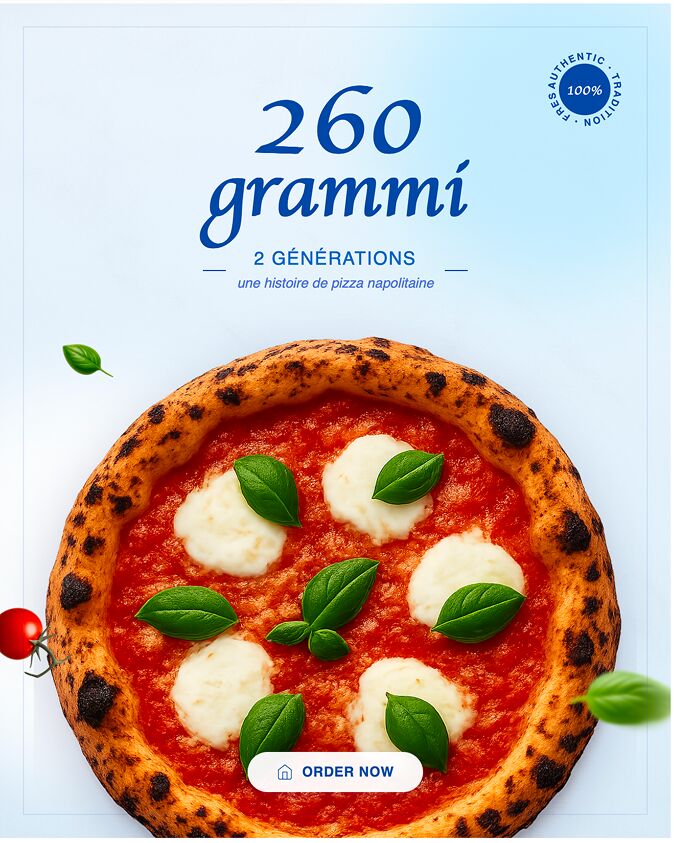
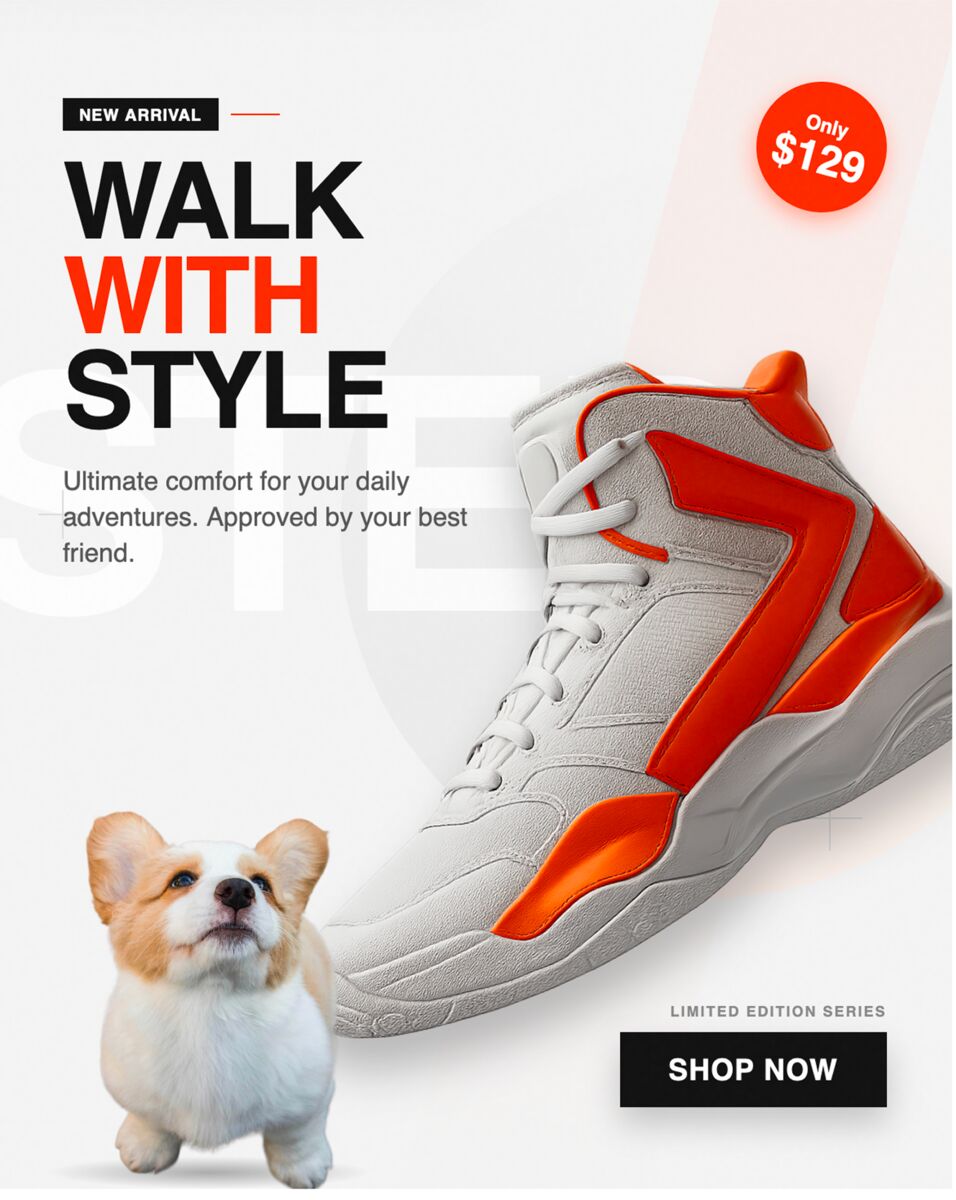
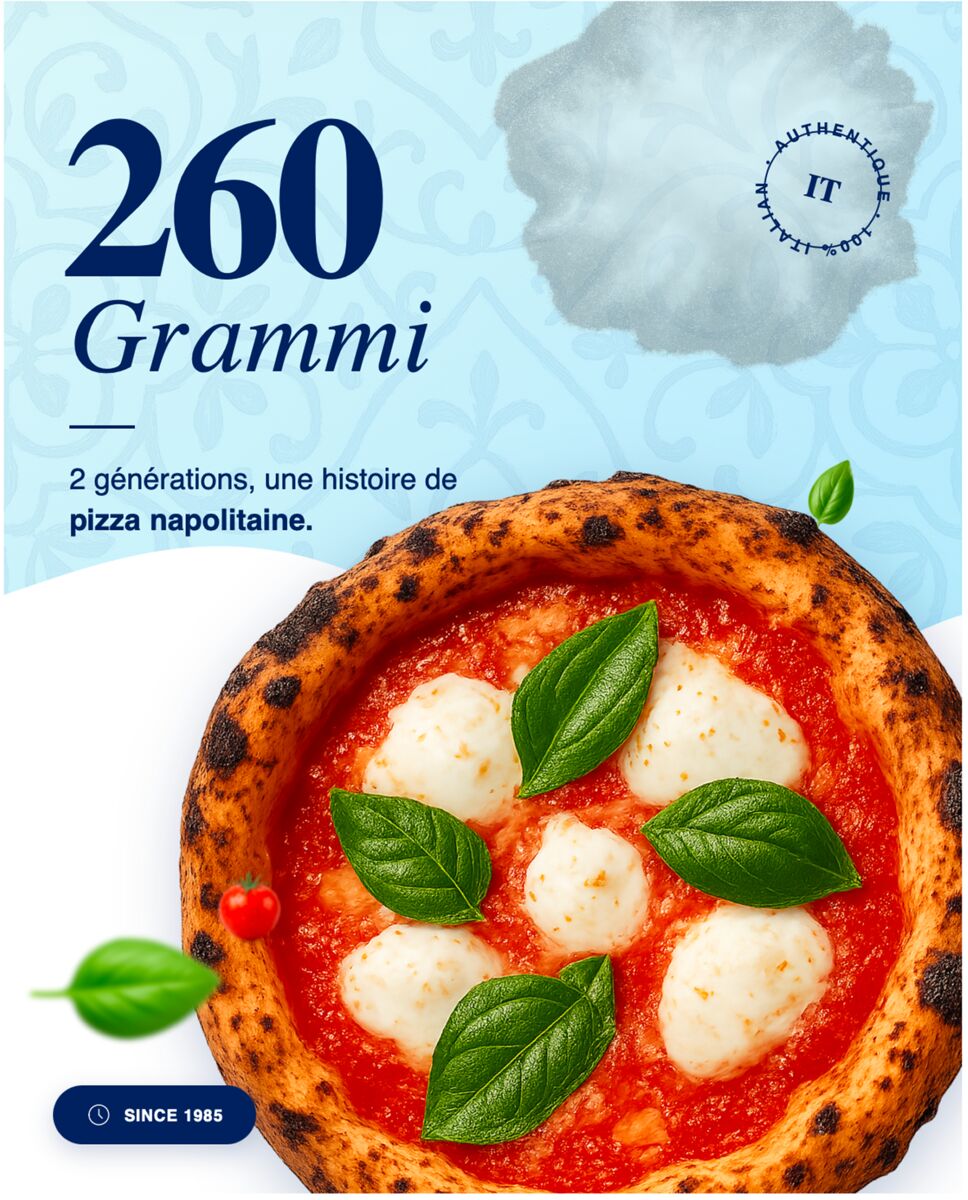
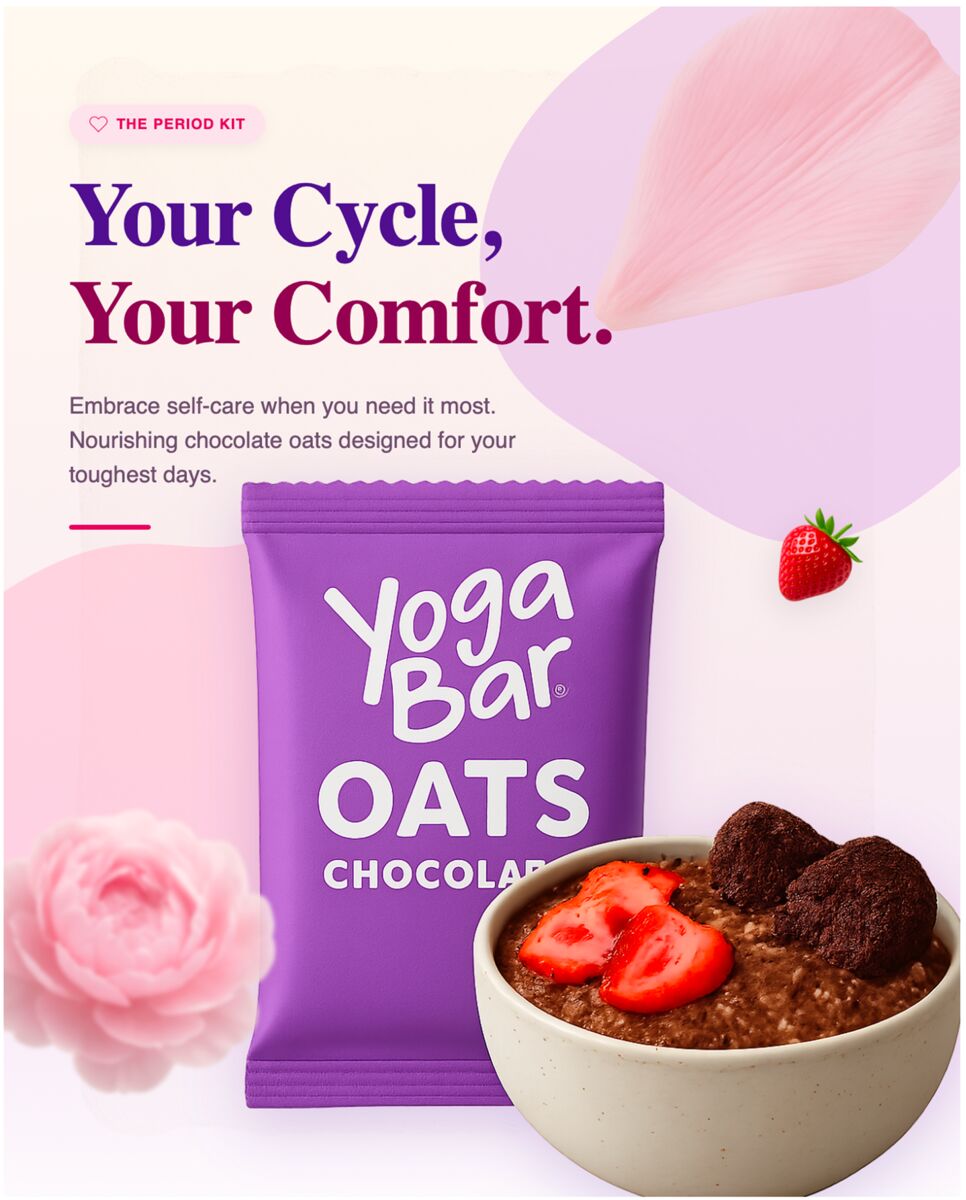
AI‑Powered Header Generation with DesignLumo
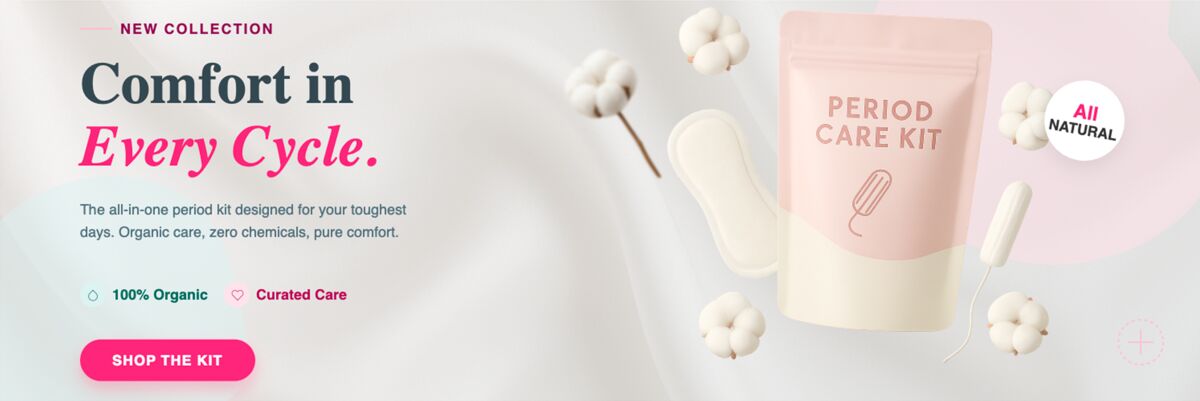
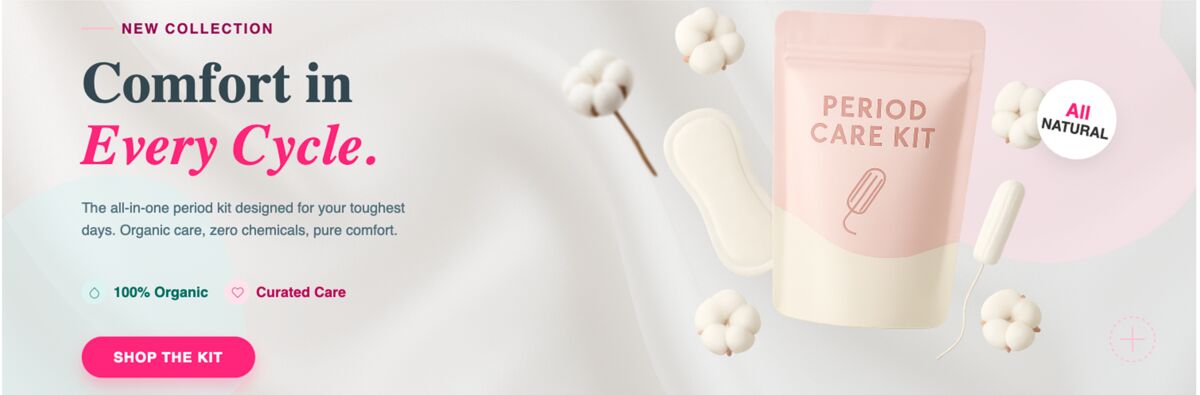
Open DesignLumo (https://www.designlumo.com), upload your brand kit, and type a prompt like: “600×200 px email header for a tech summit, teal/gray gradient, speaker silhouette, placeholder for sponsor logo, bold sans‑serif headline.” In under 10 seconds Lumo returns a layered PSD with editable text, shapes, and smart‑object logo slots. Export PNG for immediate upload and keep the PSD for future tweaks. Teams report a 85% reduction in turnaround—from 90 minutes to <5 minutes—enabling three revisions per day and lifting open rates by 2‑3% on time‑critical announcements.
Dynamic Template System in Canva
Create a master header template in Canva using a 600×200 px canvas, lock brand colors, and insert a “Speaker Image” frame with a transparent mask. Duplicate the template for each update, replace the mask image, and adjust the headline. Canva’s “Brand Kit” sync ensures colors stay consistent across all assets. While slower than AI, it offers drag‑and‑drop speed for non‑designers and integrates directly with Mailchimp’s image library, cutting hand‑off time by 30% for teams already on the Canva ecosystem.
Midjourney Prompt Library for Visual Themes
Build a private Midjourney prompt library for recurring event motifs—e.g., “futuristic conference stage, neon teal, low‑poly speaker silhouette, 4k, 600x200”. Run the prompt in the /imagine channel, select the best V4 output, then upscale and download. Because Midjourney generates raster images, import the result into Photoshop to add editable layers (text, logo placeholders). Use this workflow for highly stylized headers when you need a unique visual edge, tracking a 1.5% lift in click‑through rates for visually‑rich campaigns.
2. Brand Consistency Across Multi‑Channel Campaigns
Centralized Brand Kit Sync in DesignLumo
Within DesignLumo’s dashboard, upload your master brand kit (hex colors, primary fonts, logo variations). Every generated header automatically pulls these assets, guaranteeing identical typography and color values across emails, social posts, and printed tickets. Set “auto‑update” so when a sponsor adds a new logo, Lumo refreshes all existing PSDs in the background. Agencies report a 40% drop in brand‑approval cycles because stakeholders see a single source of truth, accelerating campaign launches by up to three days.
Adobe Express Shared Libraries
Create an Adobe Express shared library containing your event’s color palette, logo assets, and pre‑styled text blocks. Team members can pull these elements into any header project, preserving exact RGBA values and font kerning. Use Adobe Express’s “Export as PNG with 2 × resolution” for retina‑ready email headers. The platform logs usage analytics, letting you measure which logo variant appears most often—a metric useful for sponsor ROI reporting.
Figma Component Libraries for Email
Set up a Figma file titled “Email Header UI Kit”. Build components for headline text, CTA button, sponsor logo slot, and background pattern. Apply Auto Layout so swapping a speaker photo automatically resizes the container. Enable version control; each change creates a new commit, giving you a clear audit trail for sponsor approvals. Export the frame as PNG or SVG and drop it into your ESP. Teams using this method cut brand‑drift errors by 70% during multi‑day schedule releases.
3. Performance Optimization & A/B Testing
Automated Size & Load Testing with Litmus
Upload each header variant to Litmus (https://litmus.com) and run the “Email Load Test”. Litmus reports file size, render time, and pixel density across Gmail, Outlook, and mobile clients. Aim for <120 KB to keep total email size under 500 KB, preserving deliverability. The tool also flags oversized PNGs, prompting you to switch to compressed WebP via DesignLumo’s export options. Historical data shows a 1.2% increase in open rates when header load time drops below 300 ms.
Dynamic Content Insertion via Mailchimp Merge Tags
Design your header with a placeholder text layer like |EVENT_DAY| and a logo slot using |SPONSOR_LOGO|. In Mailchimp, populate these merge tags per recipient segment—e.g., Day 1 attendees see “Day 1 – Keynote”, while Day 2 sees “Day 2 – Workshops”. This approach eliminates the need to create separate images for each segment, cutting production effort by 80% and allowing real‑time personalization that lifts click‑through rates by 1‑2% according to Mailchimp benchmarks.
Conversion Tracking Dashboard in Google Data Studio
Connect your ESP’s UTM‑tagged click data to Google Data Studio. Build a dashboard that plots header version (A/B), open rate, click‑through rate, and revenue per email. Set a KPI of ≥2% CTR uplift for any new header iteration. The visual report surfaces underperforming designs within 48 hours, enabling rapid rollback. Agencies that adopted this dashboard reduced average header testing cycle from 7 days to 2 days, accelerating revenue optimization for sponsor packages.
Before you go
- Pre‑write a master prompt library for DesignLumo covering speaker, sponsor, and theme variations—reuse it to shave seconds off each generation.
- Set up a shared Google Sheet with live brand‑kit values; link it to DesignLumo’s API to auto‑update colors across all headers when a sponsor changes its palette.
- Schedule a weekly 30‑minute review of Litmus load reports and Data Studio dashboards to catch regressions before they affect campaign performance.




Ready to create your first design?
Join thousands creating professional designs in seconds.
Create with DesignLumo
Related Resources
Event Campaign Launch Checklist for Event Managers
Step‑by‑step checklist to keep graphics, branding, and sponsor assets flawless from ticket to stage.
Etsy Graphic Playbook for Event Management Shops
Tactical Etsy design ideas for event firms to boost sales and brand impact.
Shopify Content Ideas for Event Management Companies
Tactical Shopify design ideas to boost event company sales and branding.
Event Slides Design Playbook for Pitch Decks
Step‑by‑step guide for event managers to create high‑impact pitch decks and keynote slides.
Instagram Toolkit for Event Management Teams
Essential Instagram tools and workflows for event planners.
Event Brand Assets Design Guide
Tactical playbook for event firms to build logos, cards, and identity fast.