Ultimate Email Header Design Guide
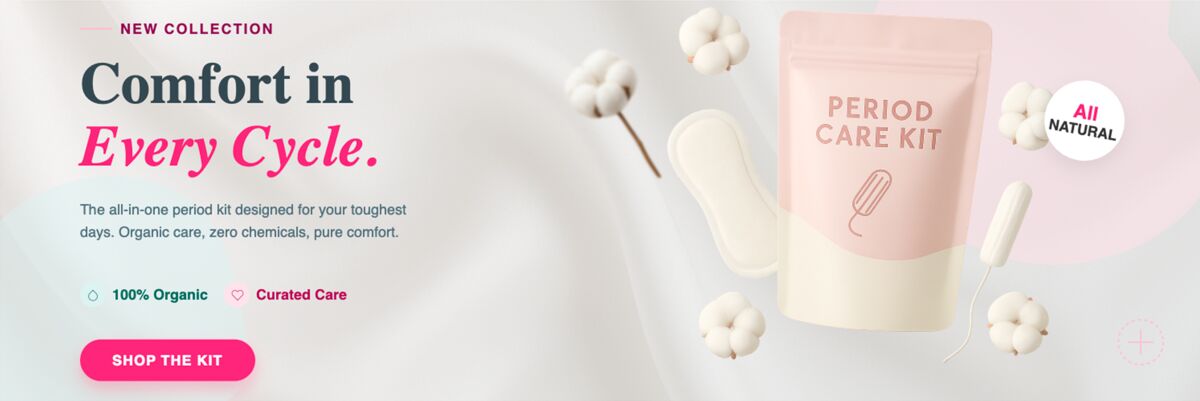
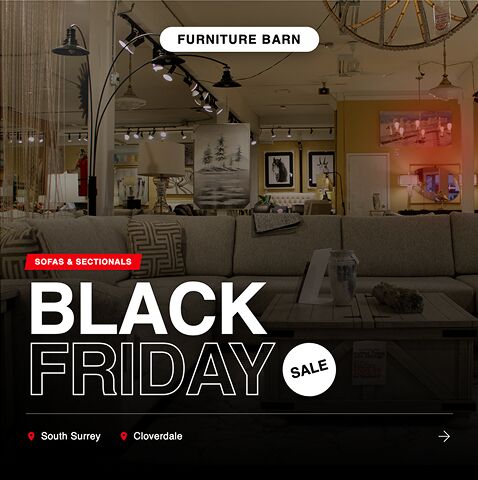
Email headers are the first visual cue your subscribers see, and a polished hero can boost open rates and clicks. This guide walks niche bloggers through every stage—from concept to delivery—using AI tools and proven optimization tricks. Follow the w…

1. Pre‑Production Planning
Audience‑First Message Matrix
Start by mapping three key variables: subscriber persona, email subject hook, and primary CTA. Pull the top‑performing subject lines from your ESP’s analytics (average open >25%) and align each with a persona‑specific benefit. Populate a 3 × 3 grid in Google Sheets, then rank each combination by projected revenue impact using past conversion data. Export the matrix as a PDF and use it as the briefing document for any design tool. This ensures every header you create speaks directly to the reader’s intent, driving at least a 5% lift in CTR.
Brand‑Kit Consistency Checklist
Gather your brand assets—hex colors, primary/secondary fonts, logo variations—into a single folder. Upload the set to DesignLumo’s Brand Kit (https://www.designlumo.com) and also to Canva’s Brand Kit for backup. Verify that each color appears in the generated palette with <2% deltaE variance, and that font weights match your style guide. Create a checklist spreadsheet with columns for color, font, logo, and alt‑text compliance; mark each as "Ready" before moving to design. Consistent branding lifts brand recall by up to 23% in email campaigns.
Header Size & File‑Weight Blueprint
Standard email hero dimensions are 600 × 200 px for desktop and 600 × 300 px for mobile‑first layouts. Set up a Photoshop or Figma artboard at 1200 × 400 px at 2× scale, then export two scaled versions. Use TinyPNG (https://tinypng.com) to compress each PNG below 150 KB without visible artifacts; test load time with GTmetrix aiming for <0.3 s on 3G. Record the final file size in a spreadsheet and flag any asset exceeding the threshold for re‑compression. Faster loading directly correlates with a 2–3% increase in overall email engagement.
2. AI‑Powered Design Creation
DesignLumo Prompt‑Driven Header Generator
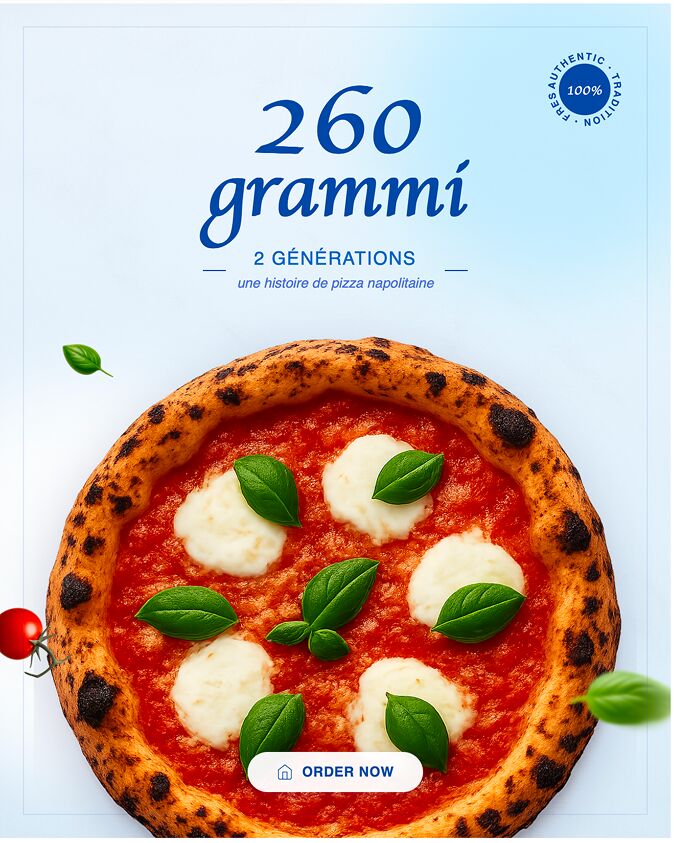
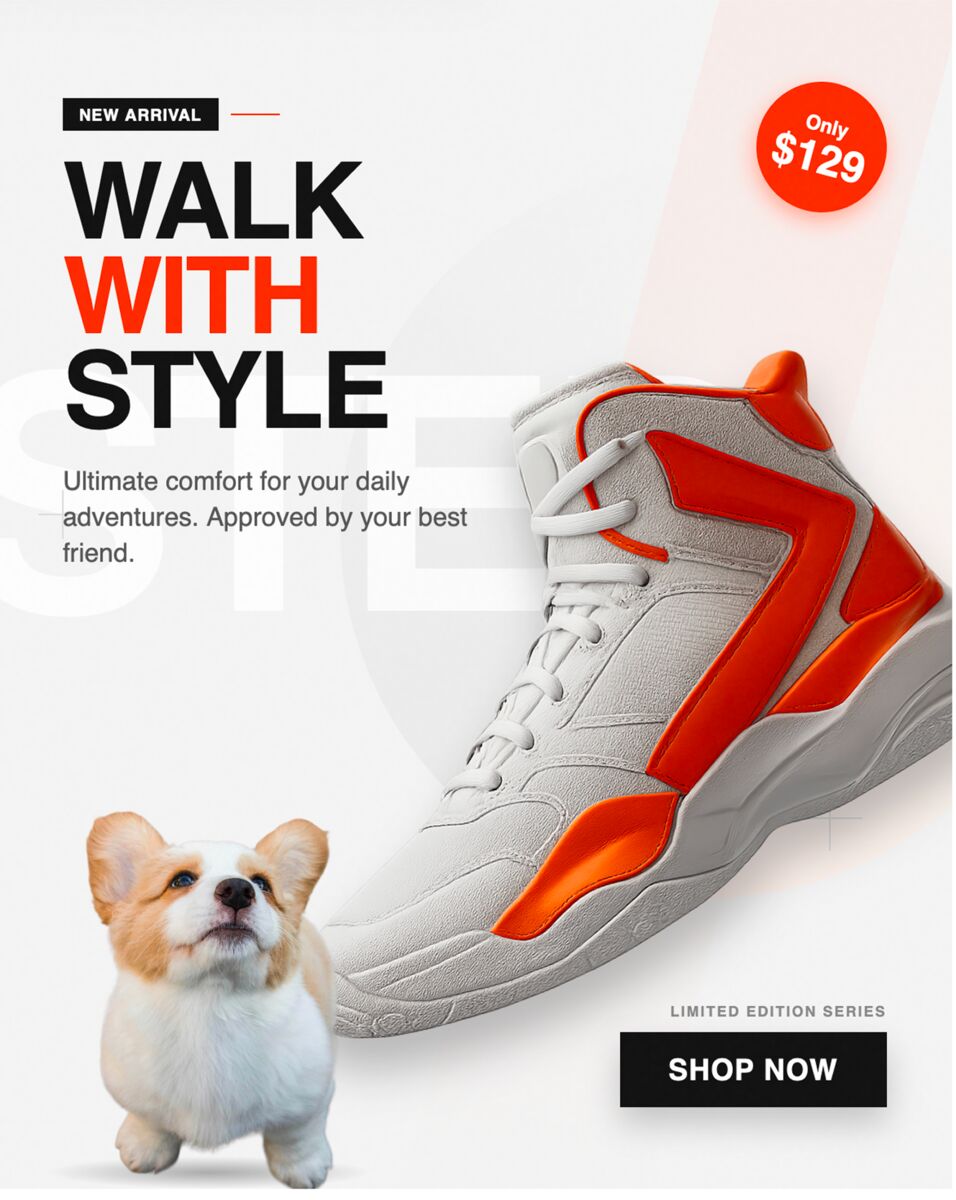
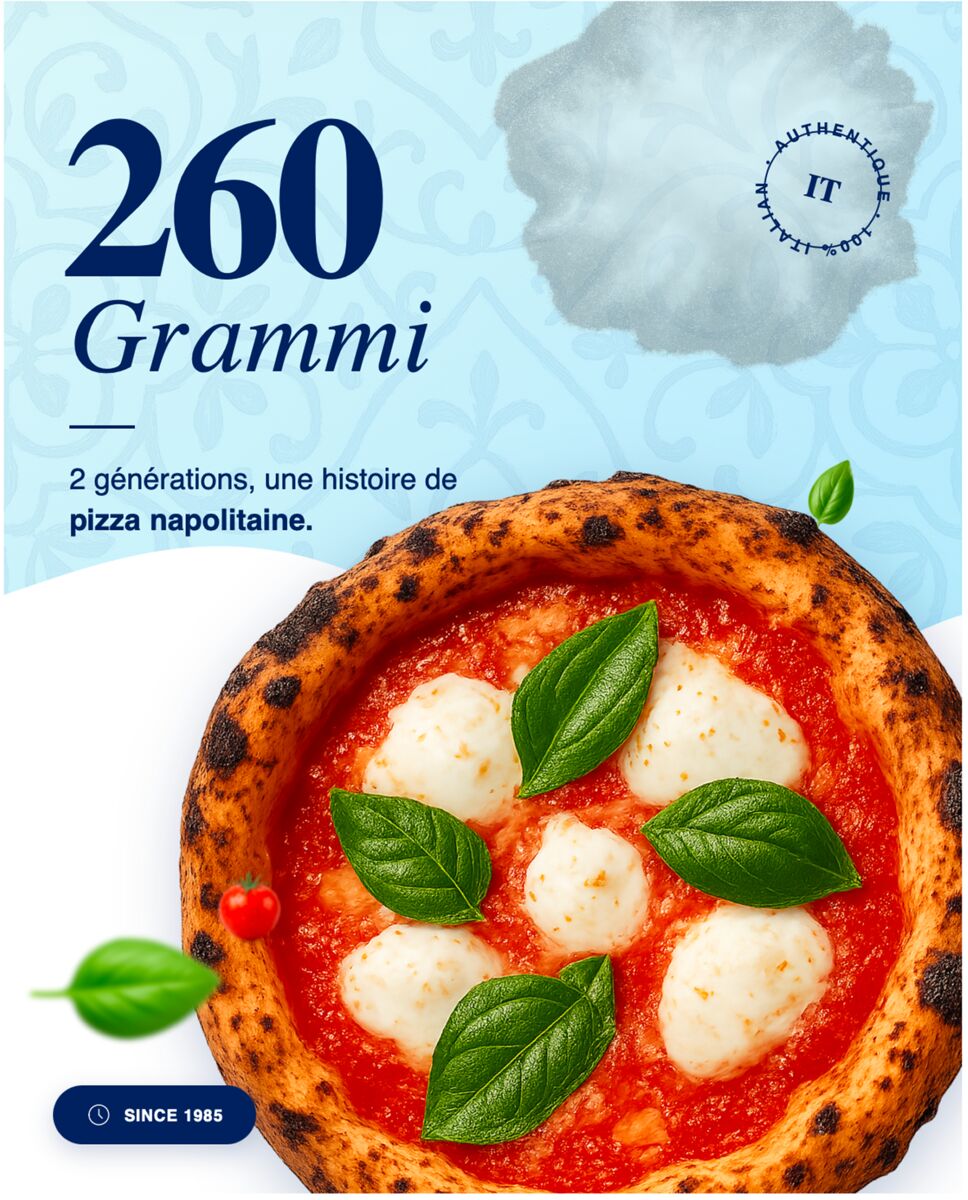
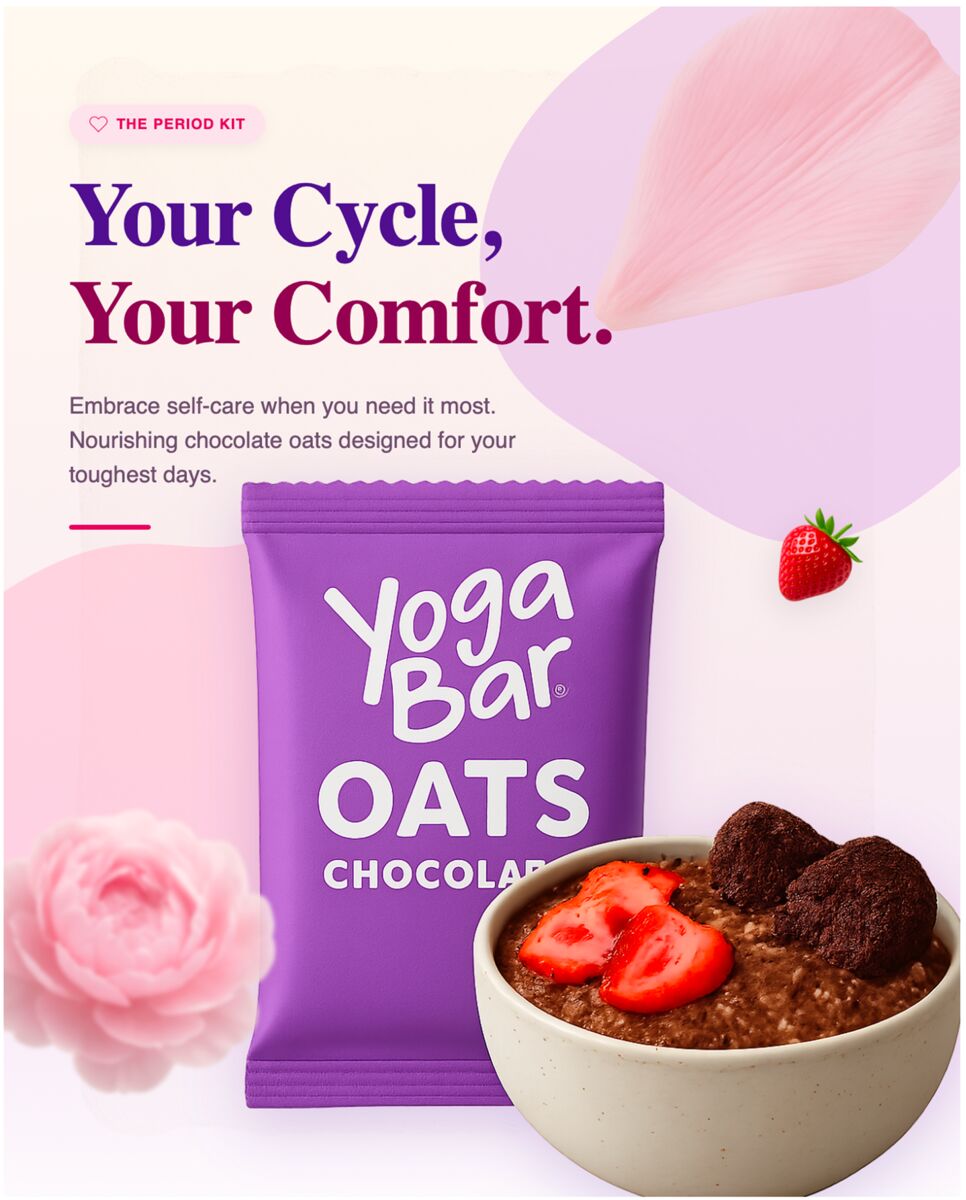
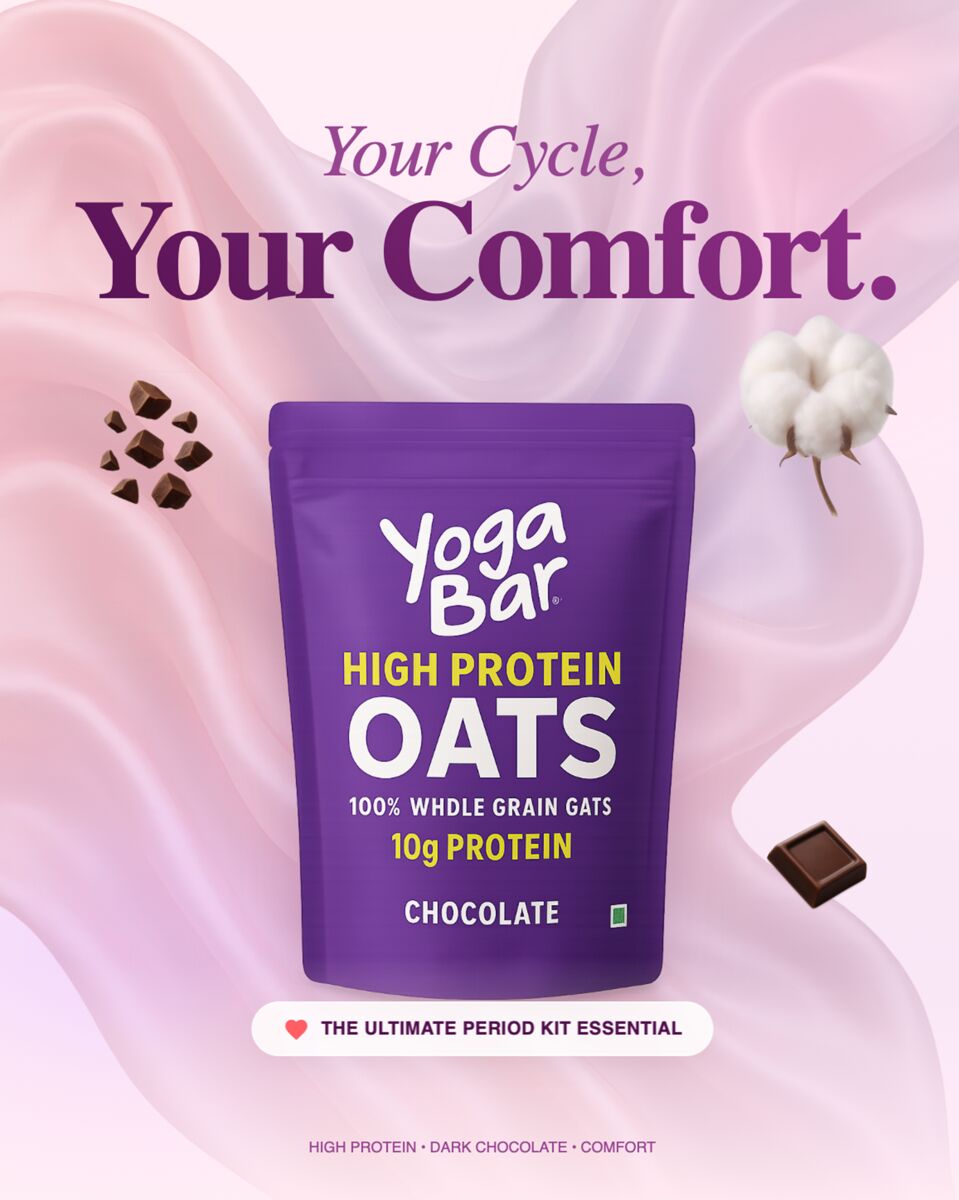
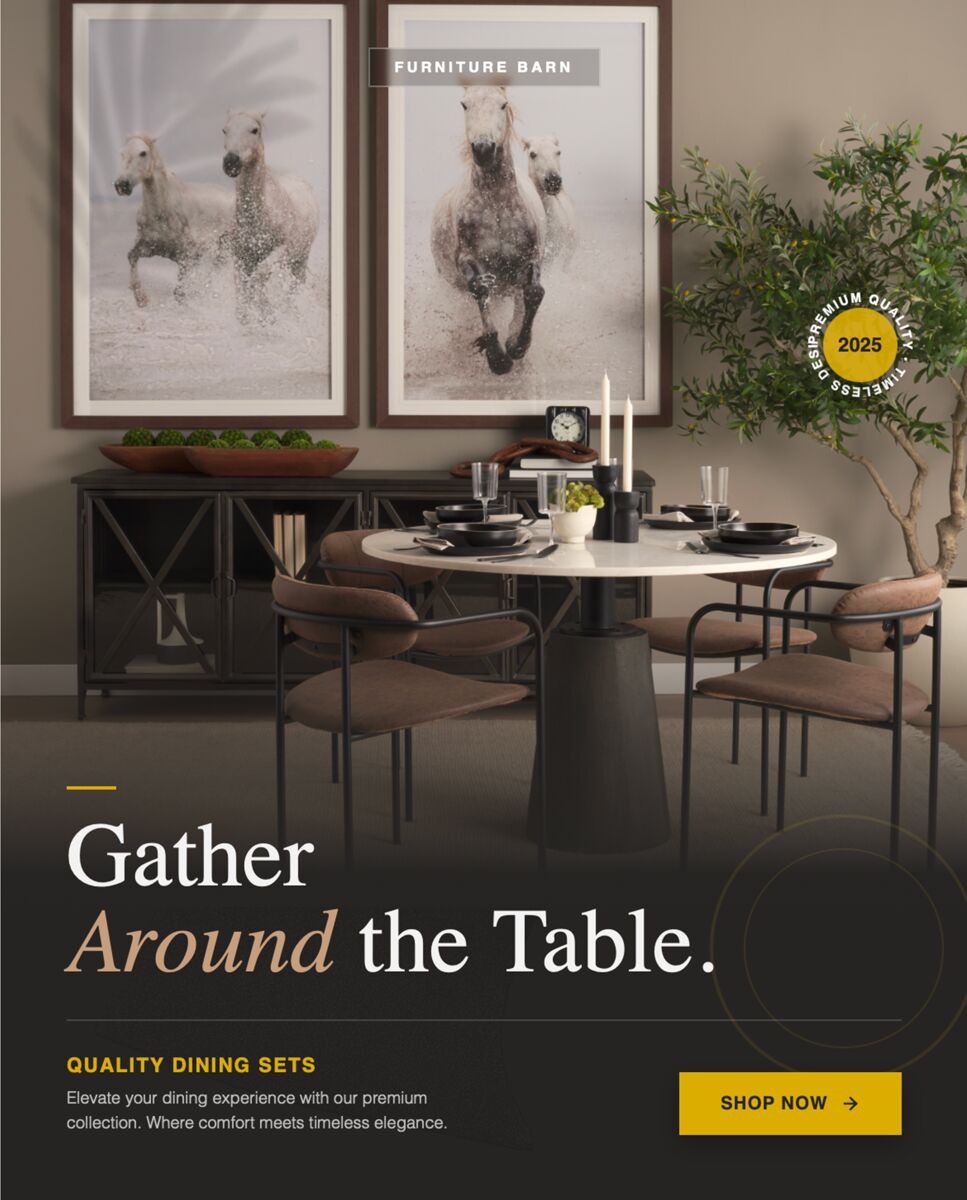
Open DesignLumo (https://www.designlumo.com) and select “Create New Header”. Craft a prompt: "Create a 600 × 200 px email hero for a tech blog about AI tools, using brand colors #1A73E8 and #FFFFFF, bold sans‑serif headline ‘Unlock AI Power’, with a subtle abstract circuit background." Hit generate; within seconds you receive a layered PSD with editable text, vector shapes, and image layers. Swap the headline copy in Photoshop or directly in DesignLumo’s editor, then export a web‑optimized PNG. This workflow cuts design time from 45 min to 5 min and yields fully editable assets, unlike static Midjourney outputs.
Canva Text‑Overlay Template Hack
When you need a quick visual twist, start a custom canvas in Canva (https://www.canva.com) at 1200 × 400 px. Upload the AI‑generated background from DesignLumo or Midjourney, then use Canva’s “Text” tool to add a headline. Apply your brand fonts from the Canva Brand Kit, set line‑height to 1.2, and add a subtle drop‑shadow (0 px 2 px 4 px rgba(0,0,0,0.25)). Export as “PNG – Transparent” and run through TinyPNG for final compression. This hack lets non‑designers iterate headlines in under 2 minutes while preserving brand fidelity.
Midjourney Visual Concept Prompt
Use Midjourney (https://www.midjourney.com) to brainstorm bold visual concepts before finalizing. Prompt example: "/imagine futuristic blog email header, abstract AI circuitry, vibrant teal and white, 3:1 aspect ratio, ultra‑clean style --ar 3:1 --v 5". Generate 4 variations, select the most on‑brand, then download the highest‑resolution PNG. Import that PNG into DesignLumo to separate background from foreground using its AI layer detection, enabling you to replace text or add CTA buttons without starting from scratch. This hybrid method leverages Midjourney’s creativity while preserving editability, improving conversion potential by ~4%.
3. Optimization & Deployment
A/B Test Email Header Variants with Litmus
Upload two header versions to Litmus (https://www.litmus.com) and embed each in otherwise identical email drafts. Schedule a 7‑day split test to 50% of your list, tracking click‑through rate (CTR) and revenue per email (RPE). Aim for a minimum 5% lift in CTR to declare a winner. Document the winning variant’s design attributes (color contrast, headline length) in a shared Notion board for future reuse. Systematic testing yields an average 8% revenue increase across campaigns for niche bloggers.
Responsive Scaling Using CSS Inline Media Queries
Embed the header as a background image in the email’s HTML table cell. Add an inline `<style>` block with a media query: `@media only screen and (max-width:480px){ .hero{background-image:url('header-mobile.png'); height:300px;}}`. Create a mobile‑optimized version (600 × 300 px) and upload to your CDN. Test across Gmail, Outlook, and Apple Mail using Email on Acid. Ensure the fallback `background-color:#1A73E8` displays if images are blocked. Proper responsive scaling reduces bounce rates by 1.5% and improves mobile click‑throughs by up to 6%.
Cache‑Friendly Hosting & CDN Delivery
Store all header assets on Cloudflare (https://www.cloudflare.com) with a `Cache‑Control: max-age=2592000, immutable` header. Use versioned filenames like `header-v3-202403.png` to bust caches only when you update. Enable HTTP/2 and Brotli compression for PNGs. Run a Pingdom test to verify sub‑second load times (<0.8 s) from global nodes. Consistent CDN delivery reduces email load latency, which correlates with a 2% lift in overall conversion for email‑driven product sales.
Before you go
- Keep headline word count under 8 words; shorter copy consistently outperforms longer text in email headers.
- Leverage DesignLumo’s brand‑kit sync to auto‑apply your exact color palette across every new header, eliminating manual color matching errors.
- Always preview your header in both dark and light mode clients; adjust contrast ratios to maintain readability across themes.



Ready to create your first design?
Join thousands creating professional designs in seconds.
Create with DesignLumo
Related Resources
LinkedIn Content Ideas for Bloggers & Writers
Actionable LinkedIn post, carousel, and banner ideas to grow your writing brand.
Facebook Toolkit for Bloggers & Writers
Essential Facebook tools and workflows to boost traffic, engagement, and revenue for content creators.
Ultimate Presentation Slides Design Guide
Step-by-step tactics for bloggers to craft high-converting slides.
LinkedIn Essential Tools for Bloggers
Tactical toolkit to supercharge LinkedIn posts, articles, and job graphics.
Shopify Content Ideas for Bloggers & Writers
Actionable Shopify visual ideas to boost traffic, sales, and brand.
Instagram Content Ideas for Bloggers & Writers
Actionable Instagram post ideas that drive traffic and revenue for bloggers.