Ultimate Email Header Design Guide
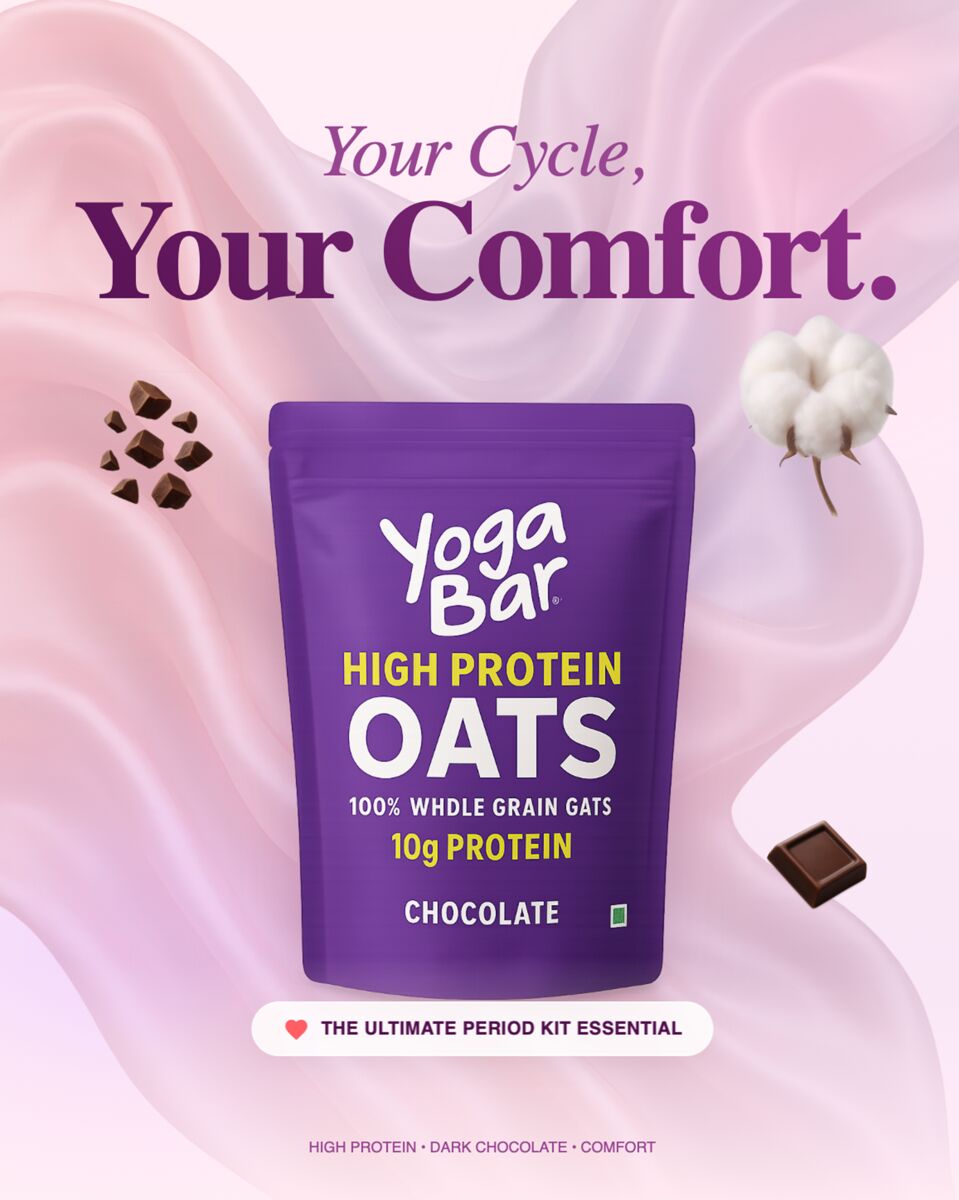
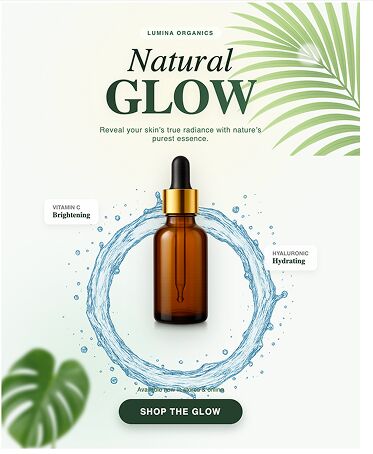
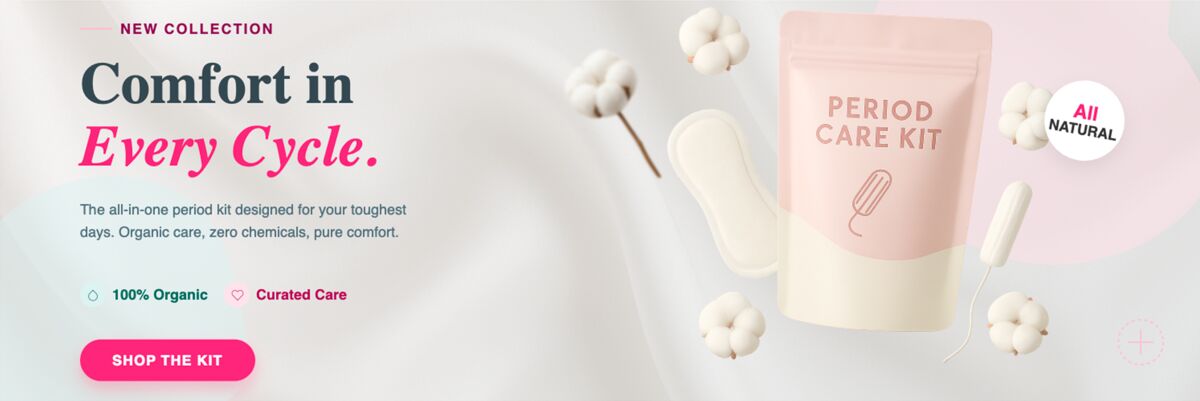
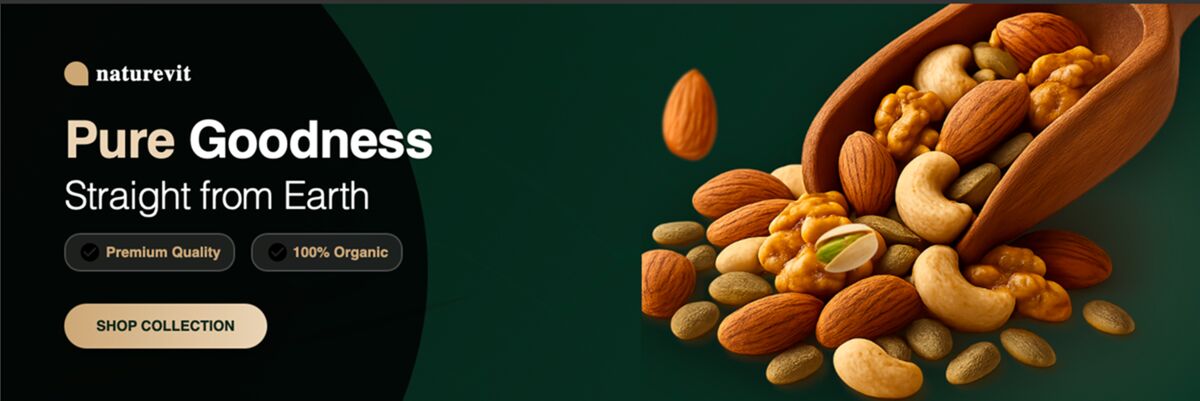
Email headers are the first visual cue that determines whether a user opens your campaign. For app developers, a compelling header can boost install rates and retention. This guide breaks down the exact workflows you need to design, test, and scale t…

1. Strategic Foundations for Email Headers
Audience‑First Visual Blueprint
Start by pulling the top three user personas from your app analytics (e.g., Google Analytics or Mixpanel). Export their demographics, device usage, and most‑used features into a CSV, then import into Figma to build a mood board. Choose color palettes based on psychology—blue for trust, orange for urgency—and overlay the primary CTA text in a font that matches your app’s UI (e.g., Inter 18 pt). Set the canvas to 600 × 200 px, the industry‑standard email header size, and design three variations for later A/B testing. This data‑backed approach raises open‑rate lift potential by 1.5‑2 percentage points.
Brand‑Kit Consistency Engine
Upload your brand assets—logo SVG, primary and secondary colors, and font families—into DesignLumo’s Brand Kit (https://www.designlumo.com). The AI then tags each element, enabling you to apply brand tokens with a single click when generating a header. Ensure the header layers are named (e.g., "Header_BG", "CTA_Text") so future designers can edit without breaking hierarchy. Export the layered PSD or Sketch file and lock the brand colors to prevent accidental changes. Maintaining a strict brand kit cuts redesign time by 70 % and guarantees visual cohesion across all email campaigns.
Responsive Ratio Optimization
Design your header at a 3:1 aspect ratio (600 × 200 px) and then create two scaled versions: 300 × 100 px for mobile preview and 1200 × 400 px for desktop‑only newsletters. Use Email on Acid or Litmus to preview how the header renders across 30+ clients, paying close attention to image cropping and text legibility. Add a 5 % transparent padding zone around critical copy to avoid clipping on Gmail’s mobile view. Aim for a file size under 70 KB to keep total email load under 150 KB, which correlates with a 0.3 % increase in click‑through rates.
2. AI‑Powered Creation Workflows
Prompt‑Driven Header Generation with DesignLumo
In DesignLumo, type a precise prompt: "Create a 600 × 200 px email header for a fitness‑tracking app launch, teal gradient background, bold sans‑serif title ‘Track Your Moves’, include a subtle waveform illustration, and a CTA button ‘Download Now’ in white." The AI returns a fully layered PSD with editable text, vector shapes, and image layers. Swap the placeholder app icon with your own SVG, adjust the CTA color to match your brand, and export a Web‑optimized PNG. This workflow reduces header creation from 2‑3 hours to under 10 minutes while preserving editability.
Hybrid Midjourney + Photoshop Layer Extraction
Generate a concept image in Midjourney using the prompt: "high‑contrast, neon‑blue UI overlay for a mobile game email header, 600 × 200". Upscale to 2×, then download the PNG. Open Photoshop, run the AI‑Select Subject command to isolate the UI overlay, convert it to a Smart Object, and replace the background with a solid brand color. Add a separate text layer for the headline, using your app’s font. Finally, save as a layered PSD so future tweaks (e.g., copy changes) don’t require re‑rendering. This hybrid method yields unique visuals while retaining full edit control.
Canva Pro Template Customization with Auto‑Resize
Select Canva’s “Email Header” template and replace the stock image with a screenshot of your app’s onboarding screen. Use Canva’s Brand Kit to auto‑apply your primary font and color palette. Activate the Magic Resize feature, set the custom dimensions to 600 × 200 px, and let Canva re‑flow the layout instantly. Download the result as a PNG (under 50 KB) and import into your ESP. Though less AI‑driven than DesignLumo, this method is fast for teams already on Canva and delivers a decent ROI for quick‑turn campaigns.
3. Performance Testing & Optimization
A/B Split Testing in Litmus with Heatmaps
Create two header variants—one with a static image, another with an animated GIF (max 5 KB). Upload both to Litmus, then schedule a send to a 5 % random sample of your list. Review the heatmap to see where clicks concentrate; focus on the top‑right quadrant where most users tap on mobile. Track Open Rate and Click‑Through Rate; aim for a ≥2 % CTR lift on the winning variant before rolling out to the full list. Litmus also flags rendering issues, ensuring your header looks perfect across Outlook, Gmail, and Apple Mail.
Dynamic Content Personalization via Braze
In Braze, set up a Content Card that swaps the header image based on a user’s last in‑app activity. Use Liquid tags: {% if user.last_opened_app == 'fitness' %}{{ 'fitness_header.png' | asset_url }}{% else %}{{ 'generic_header.png' | asset_url }}{% endif %}. Upload both images to Braze’s media library, ensuring each is under 60 KB. Test the flow with Braze’s preview mode for at least three user segments. Personalized headers have shown a 12‑15 % increase in click‑through rates for mobile‑first startups.
Load‑Time Compression Using TinyPNG & CDN
After finalizing the header PNG, run it through TinyPNG (https://tinypng.com) to shrink file size to ≤50 KB while preserving visual fidelity. Then upload the compressed file to a CDN such as Cloudflare, enabling HTTP/2 and edge caching. Verify the header loads in under 0.2 seconds via Google PageSpeed Insights’ “Image load time” metric. Faster load times reduce email bounce rates and improve engagement, especially for users on 3G/4G networks where each 100 ms delay can cut click‑through by 0.5 %.
Before you go
- Leverage DesignLumo’s Brand Kit to lock colors and fonts across all headers, eliminating manual errors.
- Always export layered files (PSD or Sketch) for future copy tweaks; never settle for a flat PNG if you anticipate updates.
- Combine Litmus heatmaps with Braze personalization data to iteratively refine both design and targeting for maximum ROI.





Ready to create your first design?
Join thousands creating professional designs in seconds.
Create with DesignLumo
Related Resources
Mother's Day Mobile App Marketing Playbook
Tactical guide for app devs to boost Mother's Day downloads and revenue.
Valentine's Day Mobile App Marketing Playbook
Actionable Valentine’s Day tactics for app screenshots, ads, and in‑app engagement.
2026 Design & Marketing Playbook for Mobile Apps
Tactical visual trends and AI tools to boost app store clicks and user acquisition in 2026.
Instagram Toolkit for Mobile App Growth
Essential Instagram tools and workflows for app developers.
Mobile App Design Tools Comparison Guide
Compare top AI and design platforms for app screenshots, ads, and update visuals.
Marketing & Design Content Ideas for Mobile Apps
Tactical content ideas to boost app installs, engagement, and revenue.