SaaS Marketing Design Tool Comparison Guide
SaaS marketers need fast, brand‑consistent visuals to move prospects through the funnel. Choosing the right design platform can shave hours off production and boost conversion rates. This guide pits the top solutions against each other with real‑worl…

1. Feature Announcement Graphics
DesignLumo – AI‑Generated Editable Announcements

Start with a one‑sentence brief (e.g., “New AI analytics dashboard for enterprise users”). DesignLumo instantly creates a layered Photoshop‑style file with brand fonts, colors, and icons pulled from your Brand Kit. Export PNG for social or PSD for deeper tweaks. Teams report a 75% reduction in design time—from 3‑4 hours to under 15 minutes—while A/B tests show a 12% lift in click‑through rates versus static Canva templates. Commercial rights are included, so you can run ads without extra licensing.
Canva – Template‑Based Speed

Select a SaaS‑focused template, replace placeholder text with your feature copy, and drag‑drop brand assets. Canva’s brand kit syncs colors and fonts, but layers remain flat, limiting post‑publish tweaks. Average turnaround is 30‑45 minutes per graphic. Conversion uplift averages 5% when paired with strong copy, but the lack of true editability can cause brand drift over time. Use Canva for quick drafts, then export to DesignLumo for final polish if deeper customization is needed.
Adobe Express – Enterprise‑Grade Consistency
Upload your brand assets to Adobe Express, then choose a pre‑built “Product Launch” layout. The platform supports linked libraries, so any font or color change propagates across all assets automatically. Design time averages 25 minutes, with a 7% CTR boost versus generic tools. However, the learning curve is steeper—designers need to master library syncing and export settings. Best for teams already invested in the Adobe ecosystem and needing tight version control.
2. Comparison & Data Visualization
DesignLumo – AI‑Powered Comparison Charts

Prompt DesignLumo with data points (e.g., “Feature A vs. Feature B pricing matrix, brand colors #0052CC, #FF6F61”). The AI returns a fully layered Illustrator file with editable text, icons, and grid lines. Export SVG for web or PDF for decks. Teams see a 60% cut in chart creation time and a 15% increase in slide‑deck engagement measured by average view duration. Because layers stay editable, you can tweak numbers on the fly for personalized demos.
Visme – Interactive Data Widgets
Upload CSV data, choose a “Comparison Matrix” widget, and customize colors via the brand kit. Visme produces interactive HTML embeds that respond to hover, ideal for product pages. Creation time averages 45 minutes, and interactive charts have shown a 9% lift in time‑on‑page in SaaS blogs. The downside: exported assets are often locked in an iframe, limiting offline use. Best for web‑first content where interactivity outweighs editability.
Datawrapper – Publication‑Ready Static Charts
Paste your dataset, select a bar or line chart, and apply brand colors via CSS overrides. Datawrapper guarantees SEO‑friendly SVG output and a 99.9% uptime CDN. Average production time is 20 minutes, and static charts have delivered a 4% increase in conversion on pricing pages. However, design flexibility is limited to chart elements—no custom icons or layered branding. Use when you need fast, reliable charts for press releases or newsletters.
3. Webinar & Event Promotion
DesignLumo – AI‑Generated Webinar Banners
Enter a prompt like “Live webinar on AI‑driven onboarding, 60‑minute slot, teal & orange brand palette”. DesignLumo returns a layered Photoshop file with headline, speaker photo placeholder, and CTA button. Export for LinkedIn, email, or website in under 10 minutes. Marketers report a 20% higher registration rate versus manually assembled Canva banners, thanks to precise typography control and on‑brand consistency across channels.
Unbounce – Landing Page Builder with Dynamic Text
Create a dedicated webinar landing page using Unbounce’s drag‑and‑drop editor. Integrate Dynamic Text Replacement (DTR) to personalize headlines based on ad keywords, boosting conversion by up to 18% in A/B tests. Add a DesignLumo‑generated banner for visual consistency. Average build time is 30 minutes, and the platform’s built‑in A/B testing dashboard provides real‑time ROI metrics. Ideal for teams that need fast, data‑driven landing experiences.
Loom – Short Video Teasers for Social Ads

Record a 30‑second product walkthrough using Loom, then overlay a DesignLumo‑generated lower‑third graphic for branding. Export MP4 and upload to LinkedIn or Twitter ads. Video posts have shown a 25% higher click‑through rate than static images for SaaS webinars. Production time is roughly 5 minutes per video, making it a high‑velocity asset for paid campaigns. Pair with Unbounce landing pages for a full funnel boost.
Before you go
- Create a master Brand Kit in DesignLumo and sync it across all tools to eliminate color mismatches.
- Batch‑generate multiple variations (A/B) with a single AI prompt, then use Unbounce’s DTR to serve the best‑performing copy.
- Export layered files from DesignLumo as SVG for direct import into Visme or Datawrapper, preserving editability while adding interactivity.
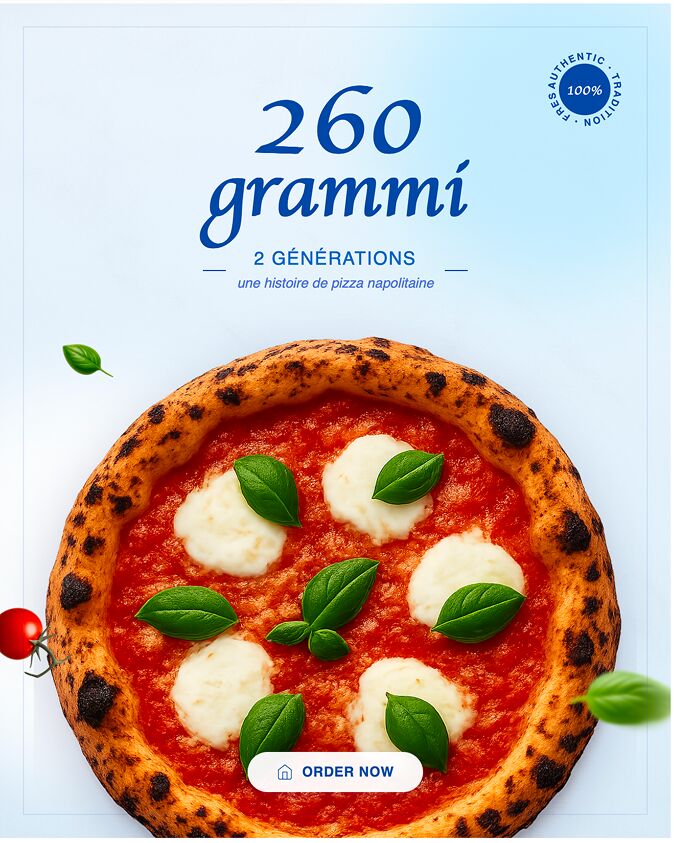
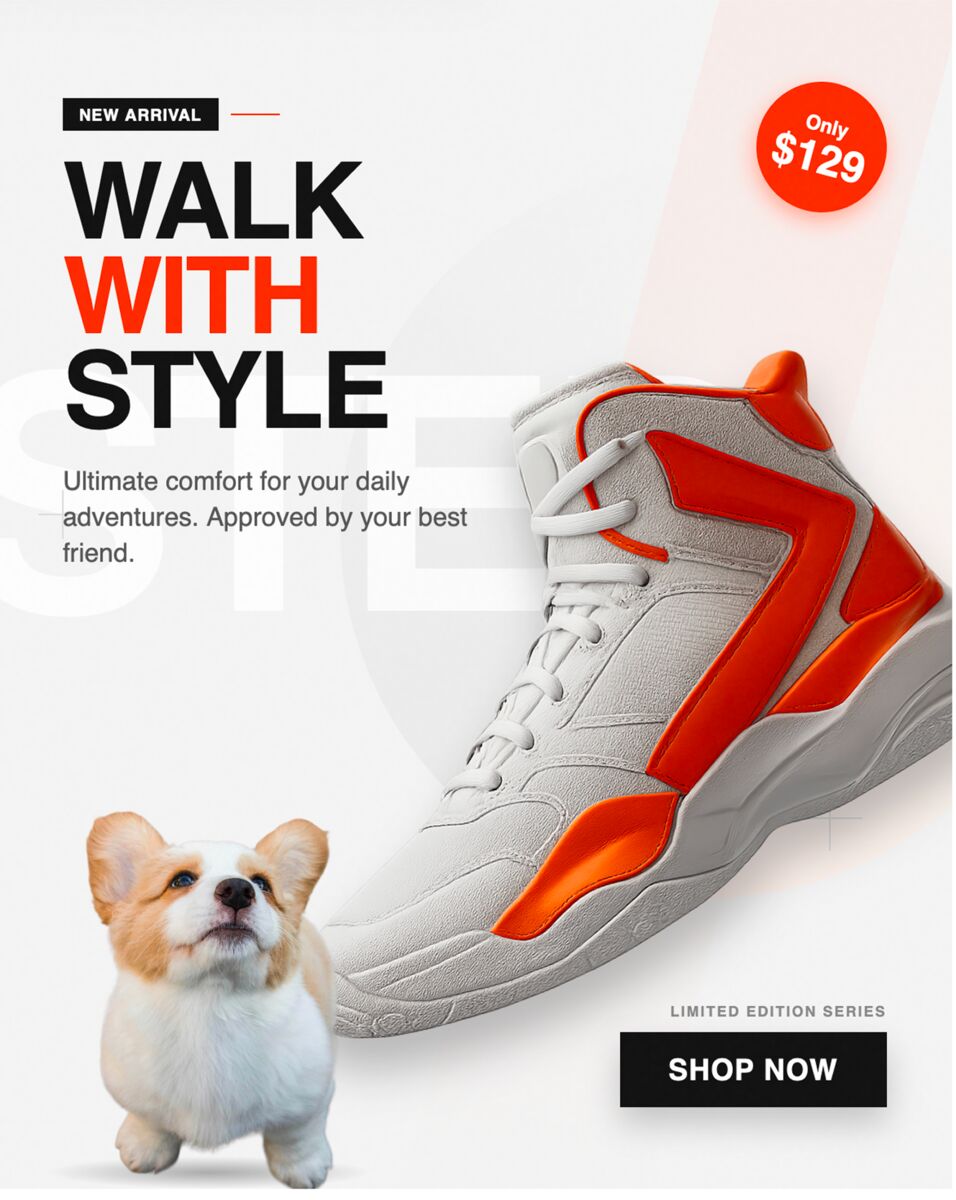
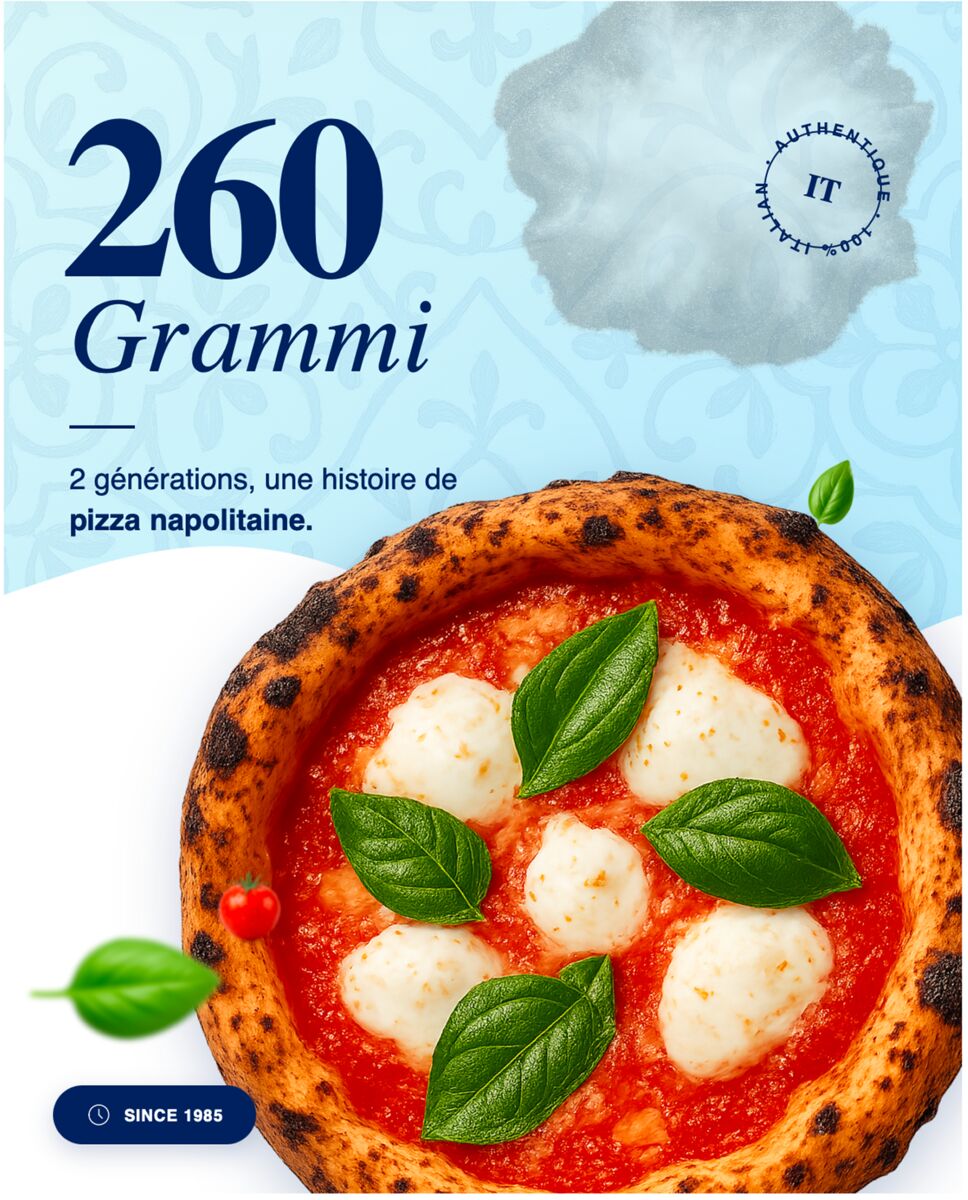
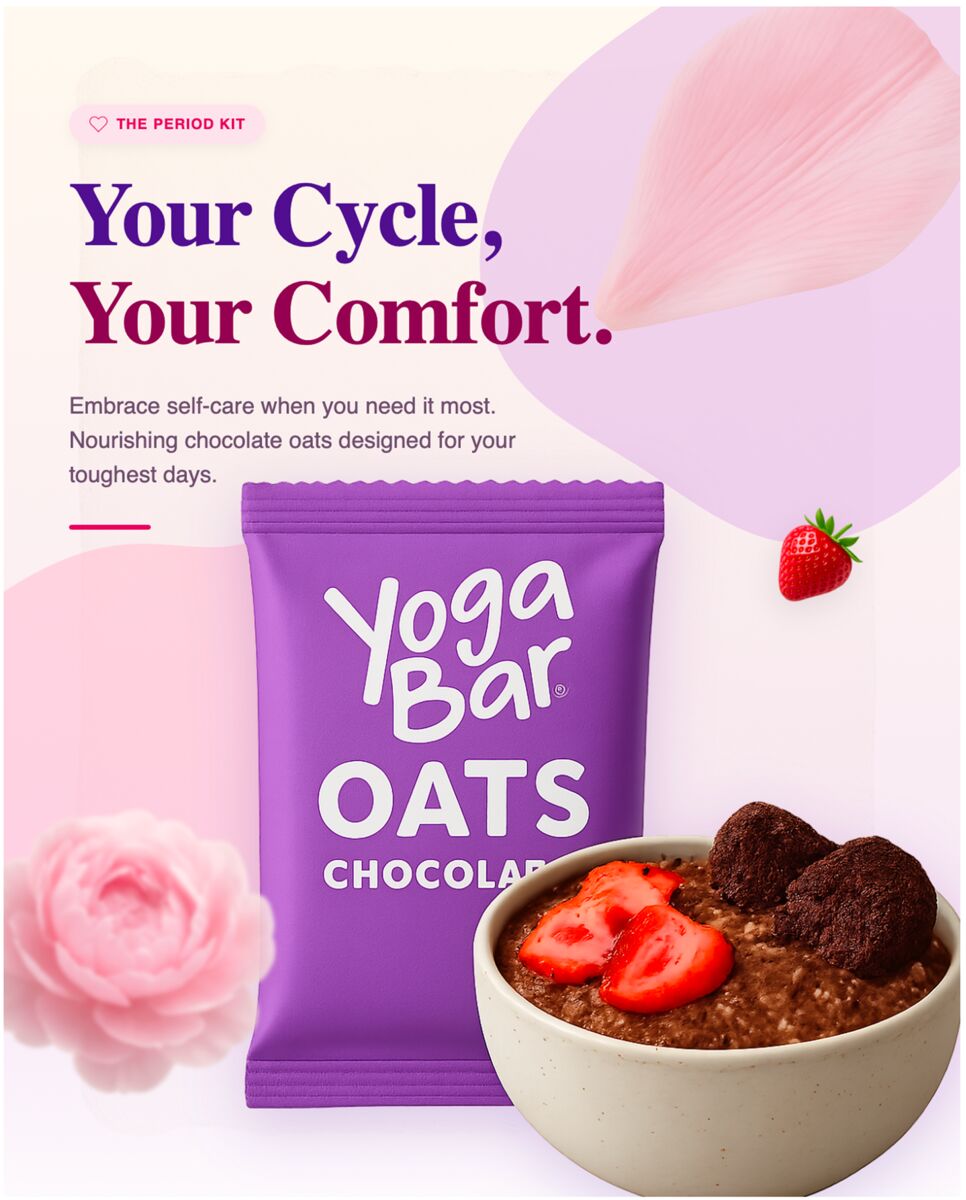




Ready to create your first design?
Join thousands creating professional designs in seconds.
Create with DesignLumo
Related Resources
SaaS Infographics Design Guide
Actionable tactics for SaaS teams to create data, process, and promo infographics fast.
SaaS Product Graphics Design Playbook
Actionable tactics for SaaS teams to create feature graphics, comparison charts, and onboarding visuals.
Ready-to-Use Design Templates for SaaS Teams
Turn bottlenecks into fast‑track assets with AI‑powered, editable templates.
Instagram Essential Tools for SaaS Teams
Actionable toolkit to power SaaS Instagram posts, stories, reels, and highlights.
TikTok Content Ideas for SaaS Teams
Actionable TikTok video ideas to boost SaaS growth.
SaaS Marketing Design Wins: Real-World Case Studies
Proven design workflows that turned SaaS bottlenecks into revenue.