Wellness Campaign Launch Checklist
Launching a wellness or self‑care campaign requires meticulous planning, on‑brand visuals, and data‑driven execution. This guide breaks the process into three tactical phases so you can move from idea to revenue without wasted effort. Follow each che…

1. 1️⃣ Audience & Messaging Blueprint
Persona Deep Dive Worksheet
Download a printable Persona Deep Dive Worksheet and fill it with quantitative data from Google Analytics (age, gender, location) and qualitative insights from Instagram polls. Allocate at least 30 minutes per persona to define pain points, preferred content formats, and buying triggers. Score each insight on a 1‑5 relevance scale, then prioritize the top three triggers for copy and visual direction. Track completion by marking a green checkbox in Notion; this ensures every team member works from the same data set before design begins.
Value Proposition Canvas
Use Strategyzer’s free Value Proposition Canvas to map customer jobs, pains, and gains against your product benefits. Input the top three persona triggers identified earlier, then craft a one‑sentence promise that addresses each pain with a measurable benefit (e.g., "Reduce stress by 20% in 7 days"). Export the canvas as a PNG and embed it in your project brief on ClickUp. Measure success by tracking whether the promise appears verbatim in at least 80% of ad copy during the first week.
Content Pillar Calendar
Create a 4‑week content pillar calendar in Google Sheets, assigning each week a theme (e.g., "Mindful Mornings"). For each pillar, list three asset types: product highlight post, wellness tip infographic, and community challenge prompt. Add columns for publish date, platform, copy headline, and KPI (CTR, engagement). Use conditional formatting to flag any week missing a pillar asset. This visual schedule forces balanced content and provides a clear handoff point for designers and copywriters.
2. 2️⃣ Visual Asset Engine
AI Layered Design with DesignLumo
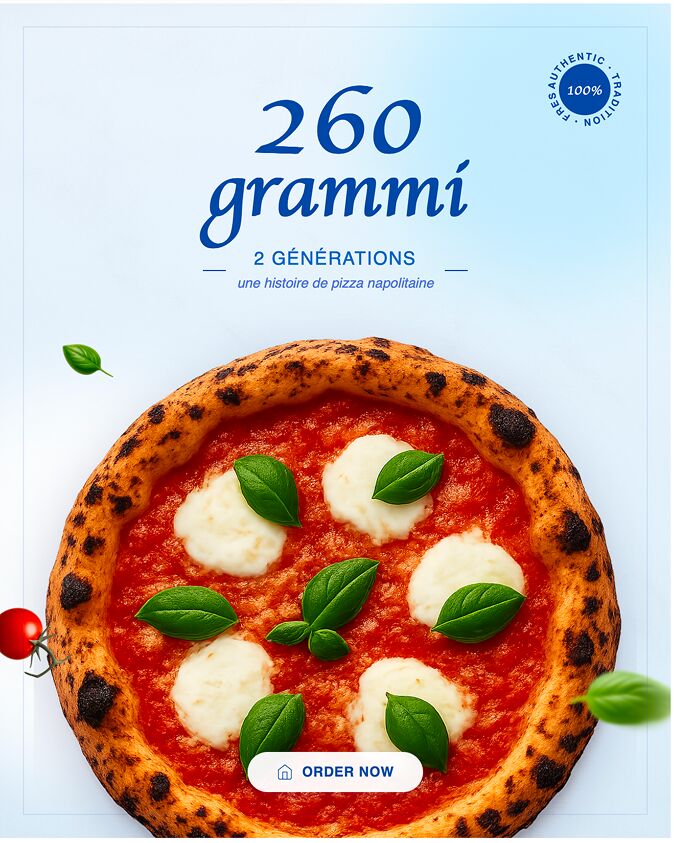
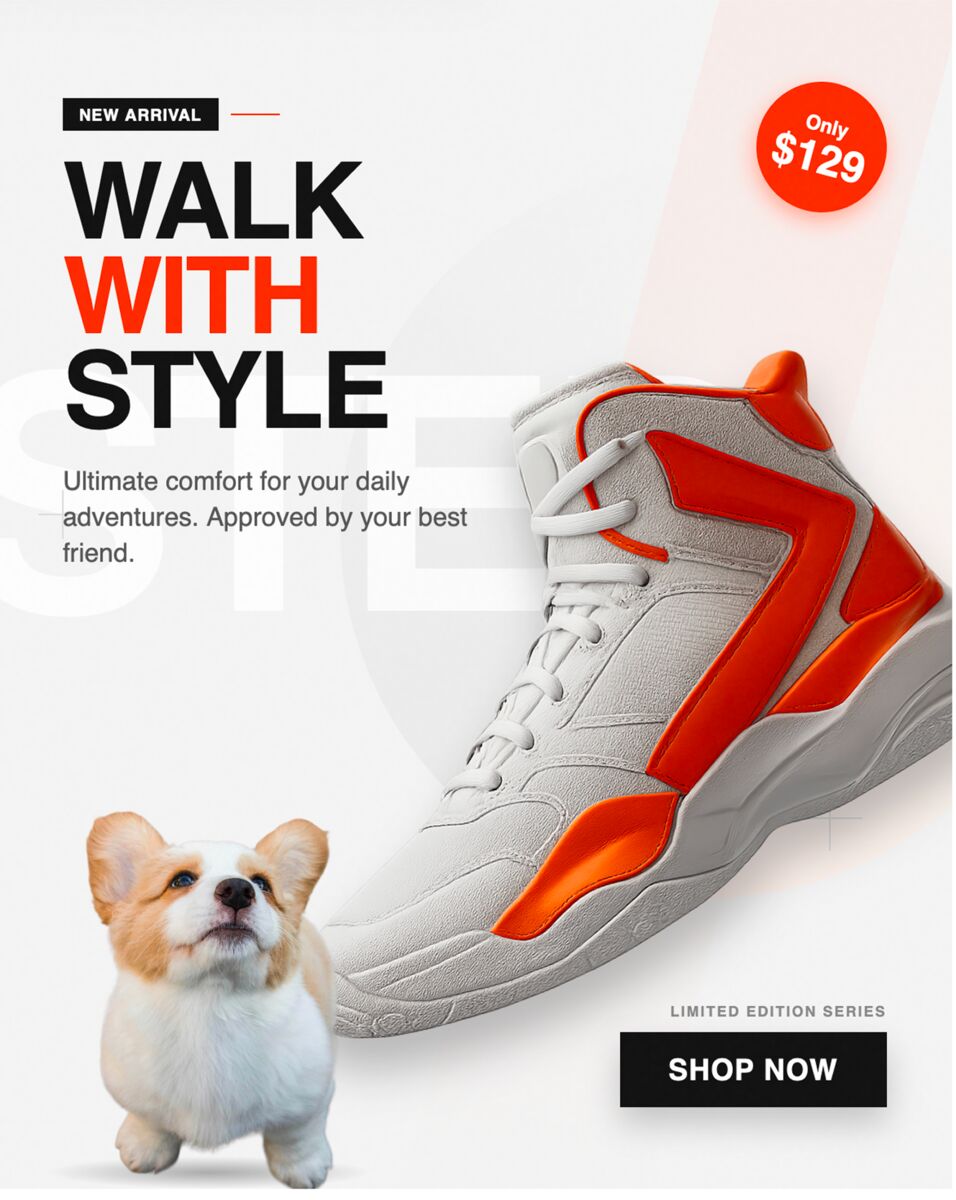
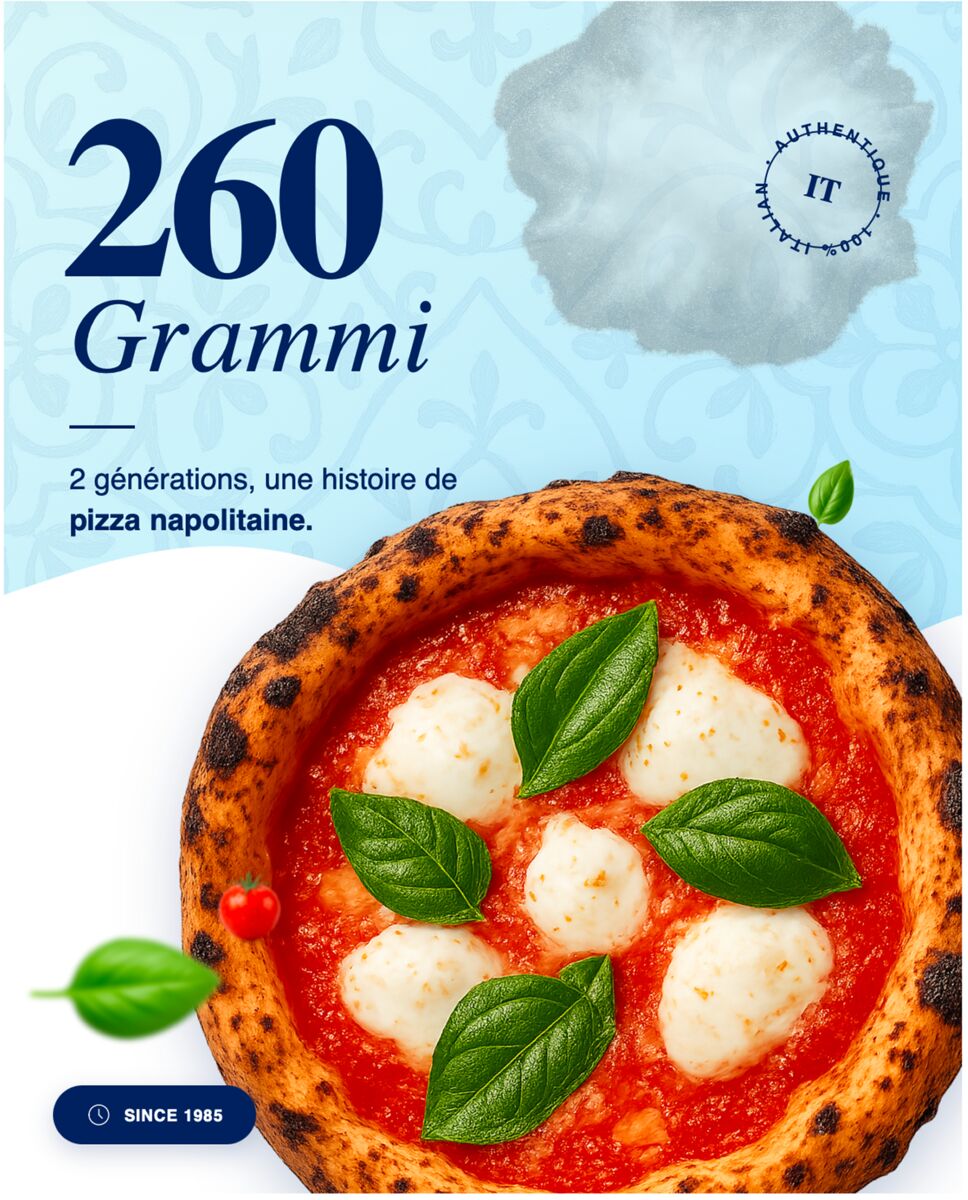
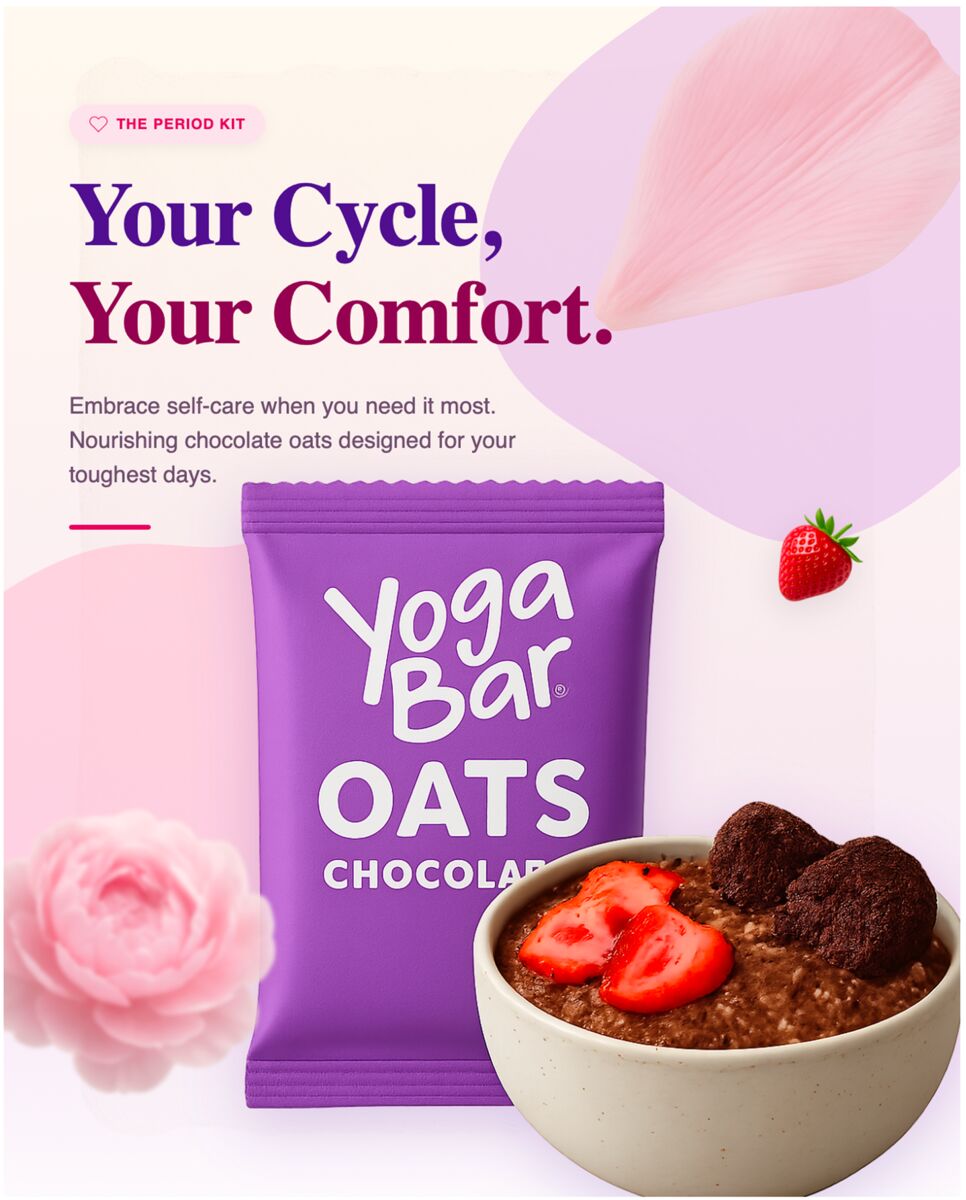
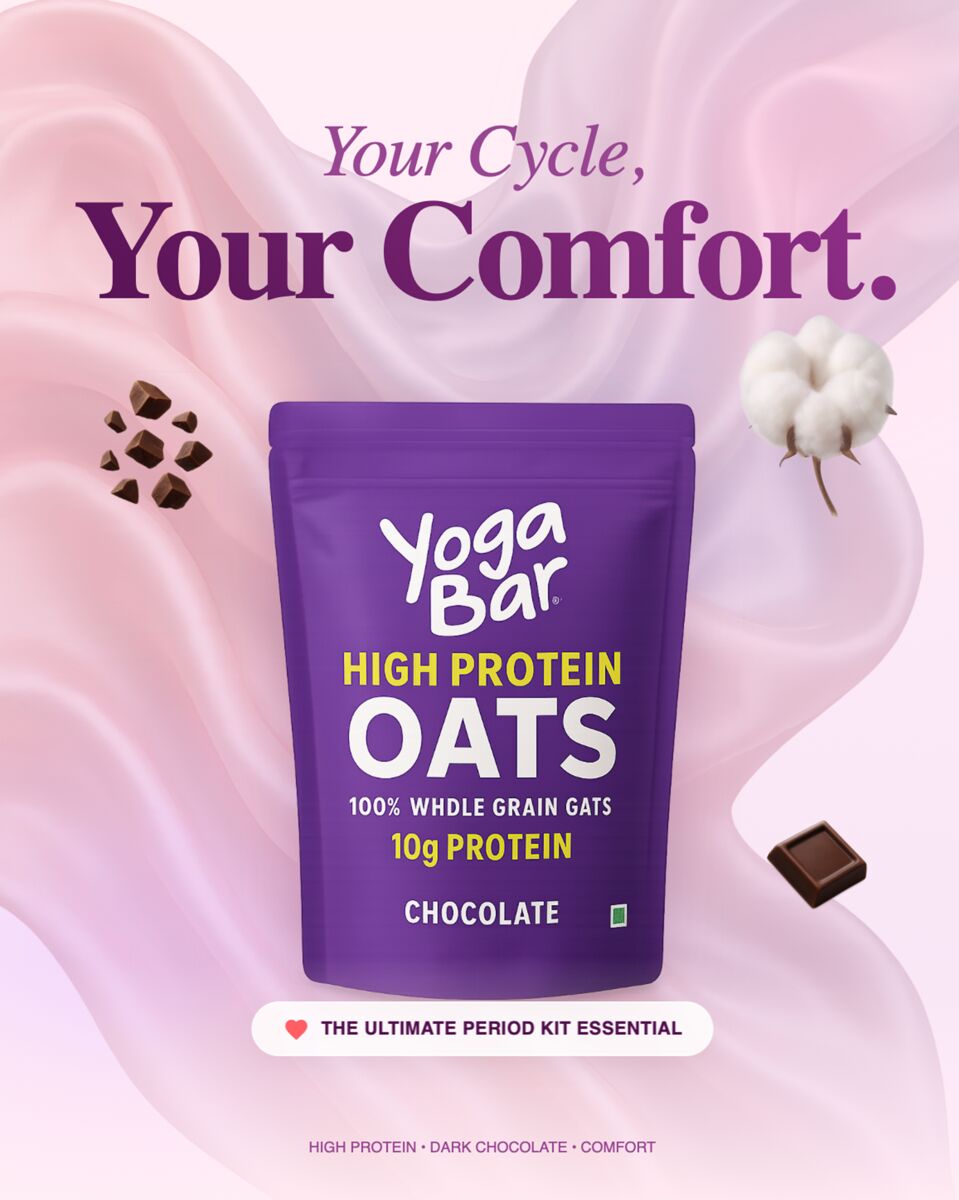
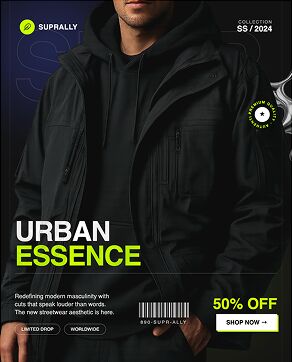
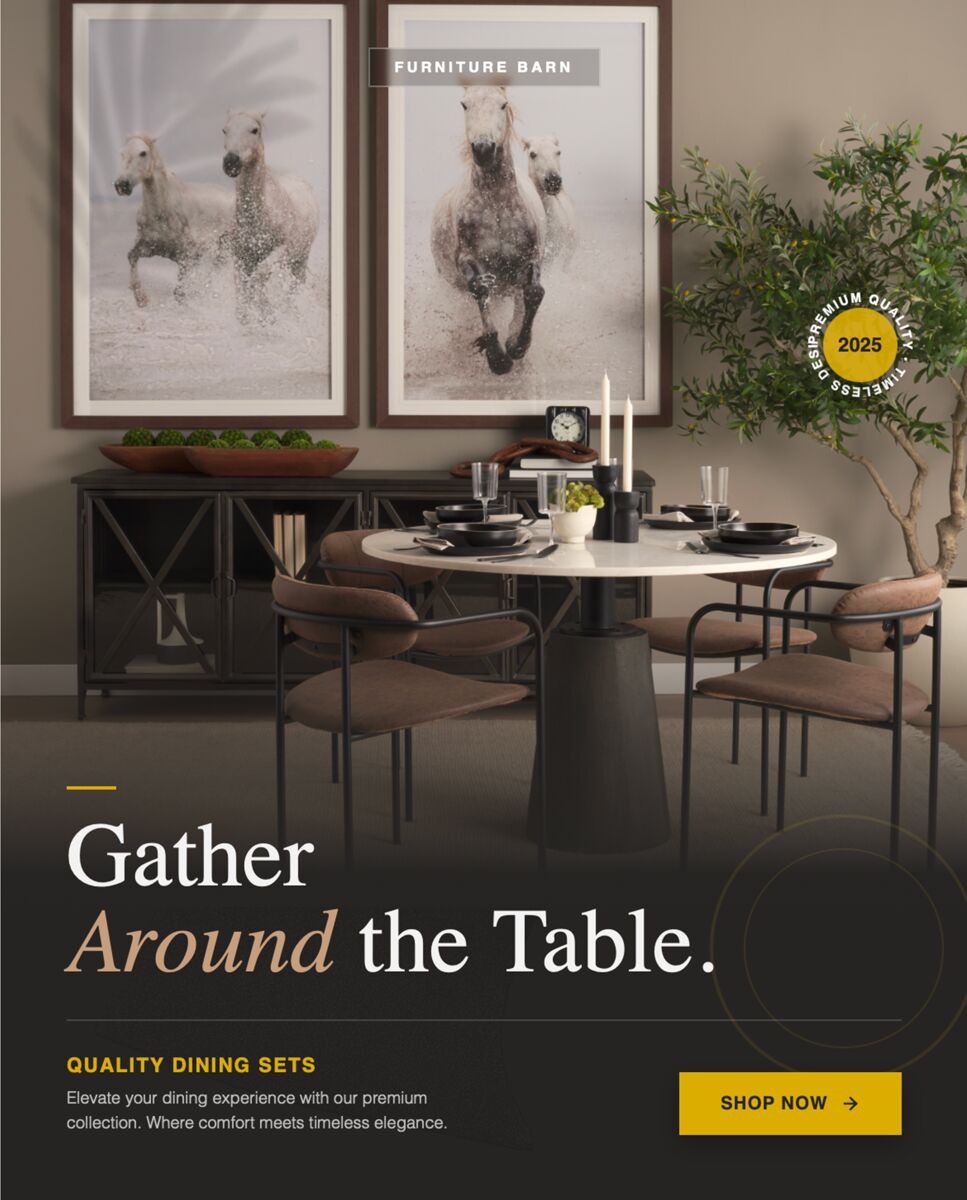
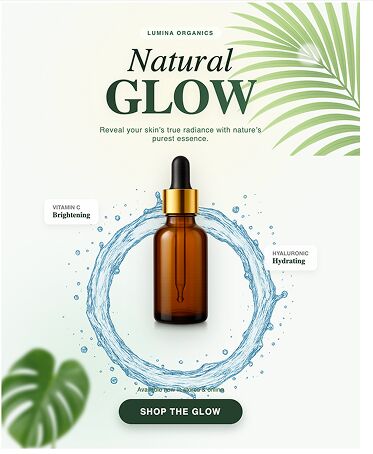
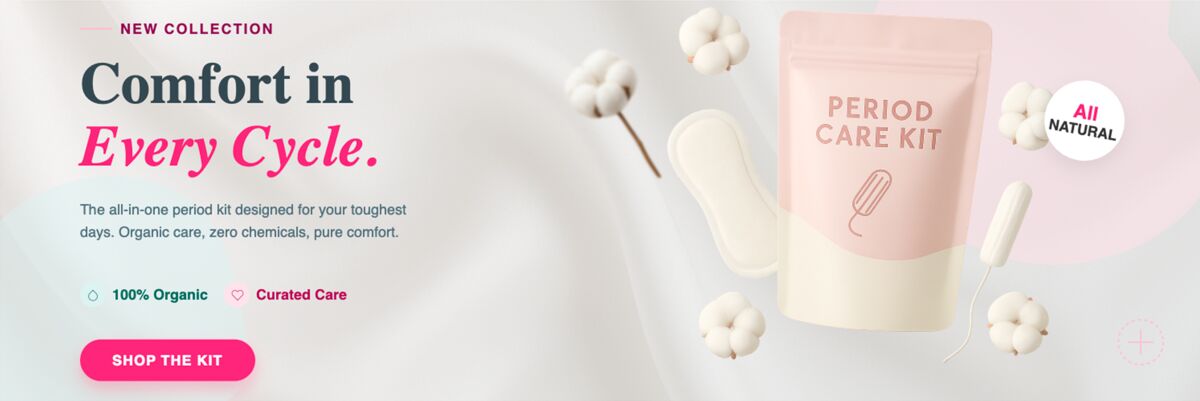
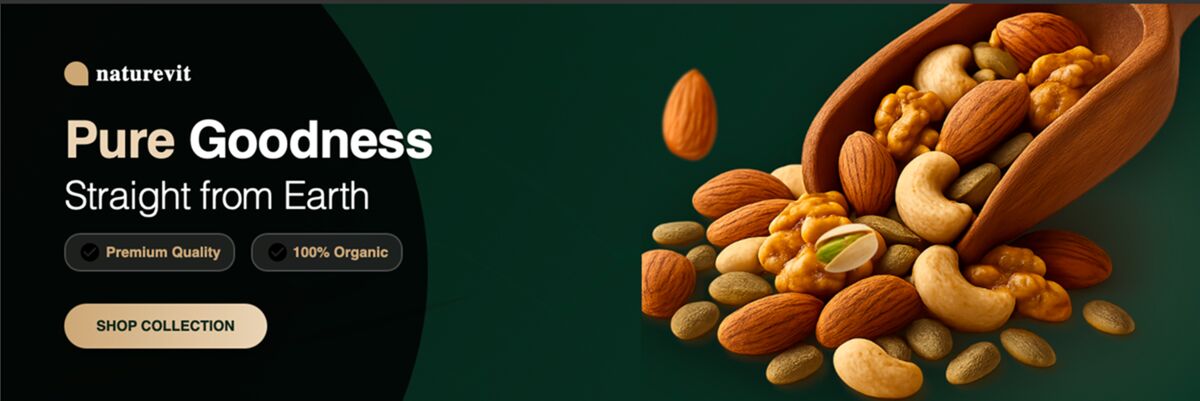
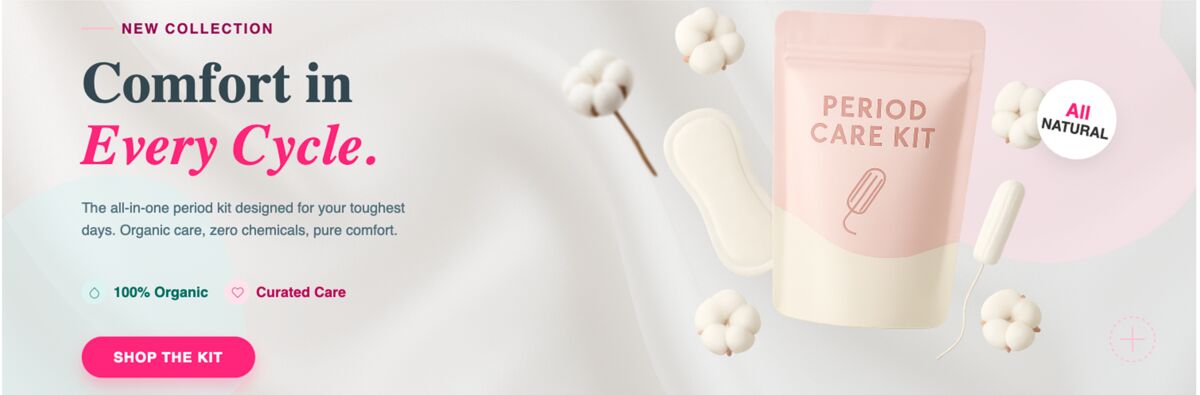
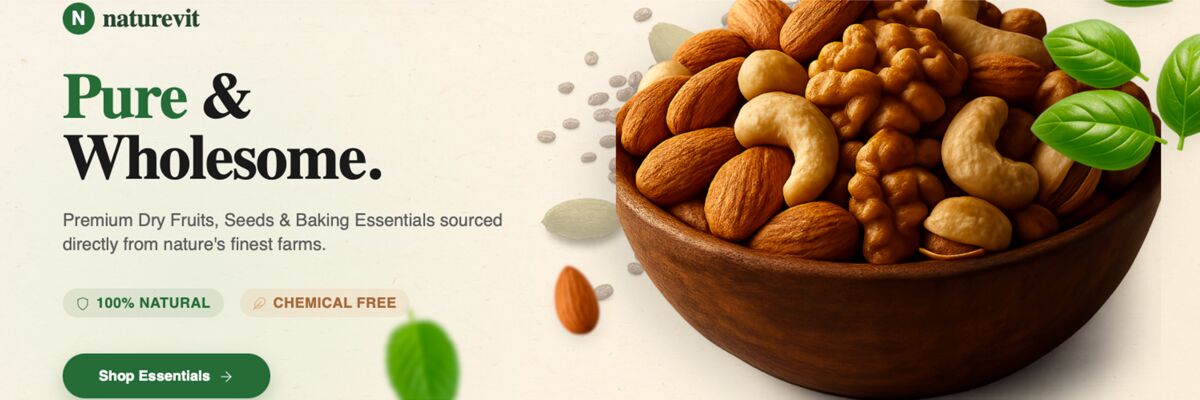
Enter each asset brief from the content calendar into DesignLumo (https://www.designlumo.com) using plain English, e.g., "Create a 1080×1080 Instagram post featuring a lavender yoga mat, soft teal overlay, and headline ‘Find Your Calm’ in Lora font." Lumo returns a fully editable PSD/AI file with separate layers for image, text, and color. Immediately apply your Brand Kit colors, swap product images, and export PNGs. Track production time; teams typically cut design hours from 4 per asset to under 30 minutes, boosting launch velocity.
Moodboard Generation via Midjourney
While DesignLumo handles layout, generate moodboard inspiration in Midjourney with prompts like "serene spa aesthetic, pastel earth tones, minimalistic typography, soft natural light". Save the top three outputs, then import them into the Lumo prompt as style references (e.g., "style of attached moodboard #2"). This hybrid workflow ensures the AI respects your brand vibe while still delivering editable layers. Log which moodboard version leads to the highest post‑click engagement; iterate quarterly.
Template Adaptation in Canva for Quick Edits
After Lumo delivers the master file, upload it to Canva (https://www.canva.com) as a brand kit asset. Duplicate the file for each platform (Stories, Feed, Email Header) and replace copy using Canva’s bulk text replace feature. Set up a shared folder with brand‑locked colors and fonts to prevent drift. Measure the time saved by comparing average edit time (Lumo+Canva ≈ 5 min) versus manual Photoshop edits (≈ 20 min). This hybrid method balances AI speed with Canva’s collaborative ease.
3. 3️⃣ Launch Execution & Measurement
Social Scheduler with Buffer
Upload the final PNGs to Buffer (https://buffer.com) and schedule them according to the content pillar calendar. Use Buffer’s optimal timing algorithm for each platform—set the “Best Time to Post” toggle on to auto‑select slots with historically >2% engagement for wellness accounts. Enable UTM parameters directly in Buffer: source=instagram, medium=social, campaign=wellness_q1. After launch, pull the engagement report and compare actual CTR to the 1.5% benchmark; adjust future slots if any fall below.
UTM Builder & GA Dashboard
Create a master UTM template in Google’s Campaign URL Builder (https://ga-dev-tools.web.app/campaign-url-builder/) and copy it into a shared Airtable base. Each campaign asset gets a unique "content" tag (e.g., "product_highlight_01"). In Google Analytics 4, build a custom Exploration report filtering on these UTMs, then surface metrics: sessions, conversion rate, and average order value. Aim for a minimum 3% conversion rate on product posts; flag any asset under 2% for redesign in the next sprint.
Community Challenge Automation
Set up a recurring weekly challenge in your Facebook Group using Group Insights and a Zapier automation (https://zapier.com). When a new post is published by the admin, Zapier automatically adds a poll with a custom hashtag (e.g., #CalmWeek). Track participation by monitoring hashtag mentions via Brandwatch API. Target a 40% member participation rate; if below, trigger a follow‑up email from ConvertKit (https://convertkit.com) offering a free mini‑course to boost engagement. This loop turns organic content into measurable community growth.
Before you go
- Batch generate all visual assets in DesignLumo before any copy work; this prevents last‑minute design bottlenecks.
- Use the same UTM naming convention across paid, organic, and email channels to keep attribution clean in GA4.
- Run A/B tests on two Lumo‑generated color schemes per asset; the winning palette often lifts CTR by 0.8–1.2%.

Ready to create your first design?
Join thousands creating professional designs in seconds.
Create with DesignLumo
Related Resources
LinkedIn Content Ideas for Wellness Brands
Actionable LinkedIn post ideas to boost wellness brand engagement.
Wellness Brand Content Ideas That Drive Sales
Tactical visual and copy ideas for wellness brands to boost engagement and revenue.
Shopify Wellness Content Ideas That Convert
Tactical Shopify graphics for wellness brands to boost sales and engagement.
Mother's Day Wellness Marketing Playbook
Actionable Mother’s Day tactics for wellness brands to boost sales and community.
Wellness Email Visuals That Convert Fast
Actionable email design ideas for wellness brands to boost engagement.
Wellness Infographics Design Guide: Data to Delight
Step‑by‑step tactics for creating calming, high‑conversion wellness infographics.