Tutoring Center Campaign Launch Checklist
Running a high‑impact enrollment drive for a tutoring center demands precise planning, eye‑catching assets, and data‑driven tweaks. This guide breaks the process into bite‑size, tactical actions you can execute today. Follow each step and watch inqui…

1. Pre‑Launch Planning
Define Enrollment Funnel Milestones
Sketch a three‑stage funnel—Awareness, Consideration, Conversion—using a Google Sheet template. Assign KPI thresholds: CTR > 2%, landing‑page conversion > 5%, CAC < $50. Plot a 8‑week timeline (Weeks 1‑4: content creation, Weeks 5‑6: soft launch, Weeks 7‑8: full push). Schedule weekly Slack check‑ins to compare actuals vs targets. Use conditional formatting to flag any metric falling 20% short, prompting immediate creative or copy tweaks. This granular roadmap ensures every team member knows the exact deliverable and performance bar for each phase.
Segment Audience by Academic Goal
Export your CRM contacts into HubSpot, then create three smart lists: Test‑Prep Seekers, Summer‑Camp Explorers, and Ongoing Tutoring Clients. Filter by last interaction date, grade level, and past purchase value. Tag each list with a custom property (e.g., "Goal: SAT"), then sync the lists to Facebook Custom Audiences via Zapier. Aim for a minimum of 500 contacts per segment to ensure statistical relevance in ad testing. Track segment‑level CPL; if any exceeds $30, re‑allocate budget to higher‑performing groups within 48 hours.
Create Campaign Calendar with Seasonal Hooks
Use Asana to build a Gantt‑style calendar that aligns launch dates with school calendars, holiday breaks, and standardized‑test windows. Add milestones for asset deadlines, ad go‑live dates, and performance reviews. Set automated reminders 48 hours before each milestone. Color‑code tasks by channel (blue for social, orange for email) to visualize workload distribution. Publish a read‑only view to the team’s Slack channel so every stakeholder can see upcoming hooks and avoid last‑minute scramble.
2. Creative Asset Production
Generate Editable Program Highlight Templates with DesignLumo
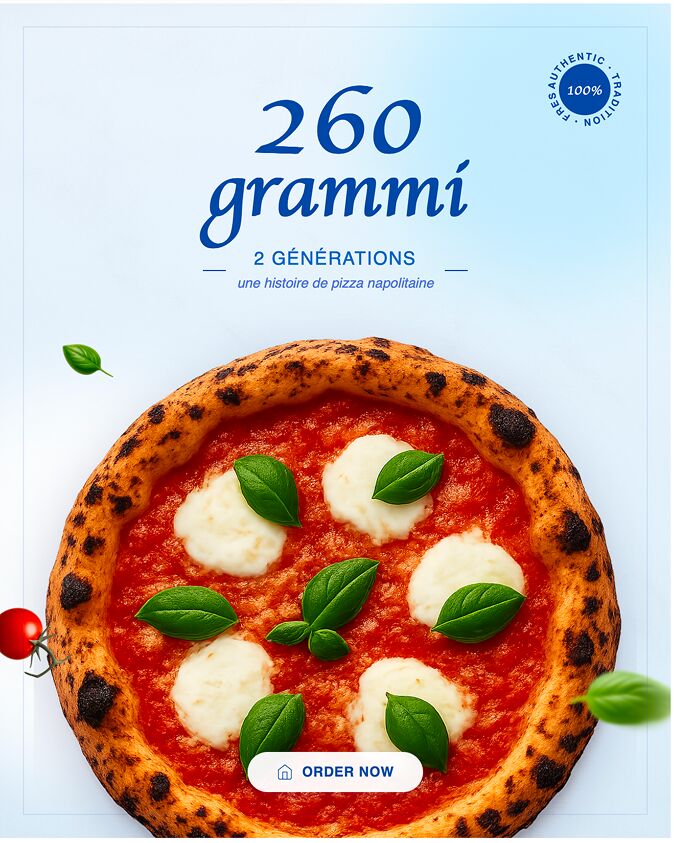
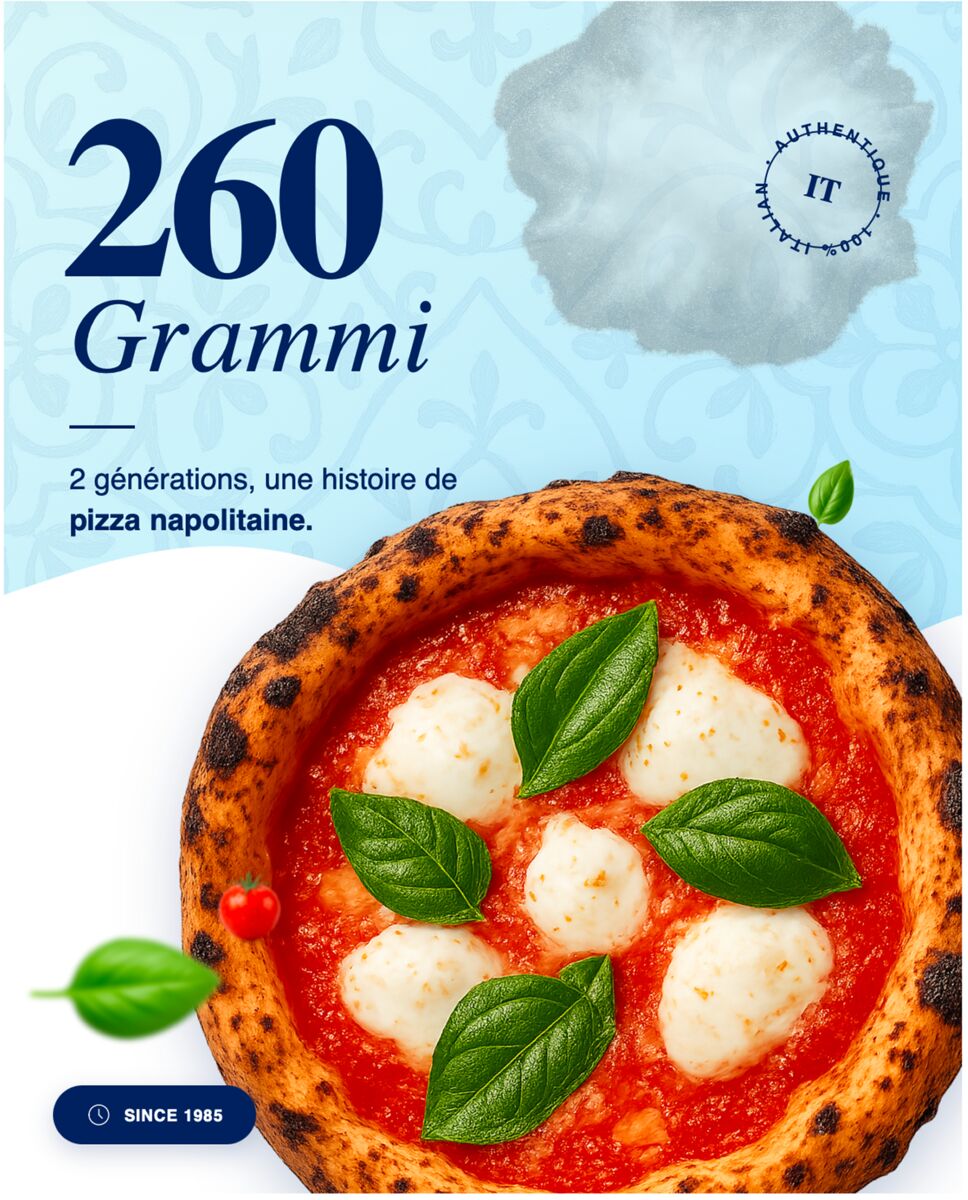
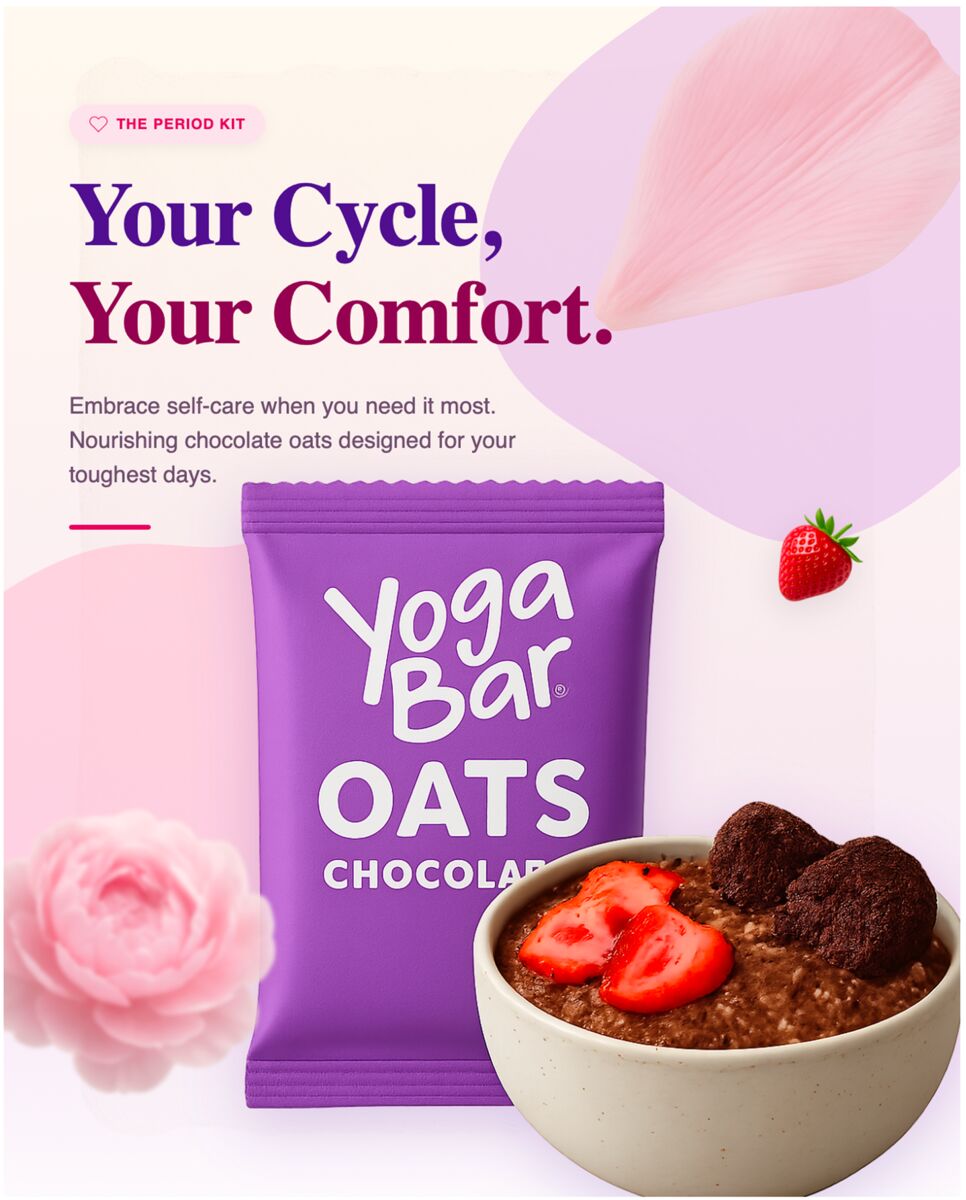
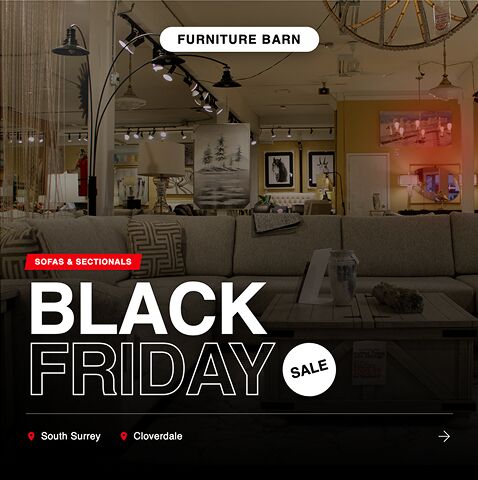
Enter a prompt like "bright, modern flyer for an 8‑week SAT prep program, brand colors #0047AB and #FFD700, include space for dates and price" into DesignLumo. Upload your brand kit (logo, fonts, palette) so the AI respects style guidelines. Export the result as a layered PSD, then open in Photoshop to fine‑tune copy. Because the file is fully editable, you can duplicate it for each program (e.g., ACT, GRE) without starting from scratch, cutting design time from 4 hours to under 30 minutes per asset.
Produce Student Success Story Graphics via Canva + Midjourney
Prompt Midjourney with "happy high‑school student holding a college acceptance letter, soft natural light" to generate a hero image. Upscale to 2x, download as PNG. In Canva, select a 1080×1080 Instagram post template, drag the Midjourney image, then add overlay text using your brand font. Use Canva’s brand kit to auto‑apply colors. Export as an MP4 with a subtle zoom animation for stories. This hybrid workflow yields authentic visuals while keeping editing fully within Canva’s drag‑and‑drop interface.
Build Subject‑Specific Infographics in Adobe Express
Gather test‑prep statistics from College Board (e.g., average score improvements). In Adobe Express, choose the "Education Infographic" layout, paste data into the pre‑built chart widgets, and apply your brand colors. Replace placeholder icons with subject‑specific SVGs from the Adobe library (math, science, language). Export as a layered PDF for both web posting and printable flyers. Track engagement by monitoring average scroll depth in Google Analytics; aim for > 60% scroll to confirm the infographic holds attention.
3. Ad Distribution & Targeting
Launch Facebook/Meta Carousel Ads with Dynamic Creative
Upload the three program highlight images to Meta Business Suite. Enable Dynamic Creative to let the algorithm mix‑and‑match headlines, calls‑to‑action, and images. Set custom audiences from your HubSpot segments and add a Lookalike (1% similarity) based on past converters. Allocate $500, split‑test with a 70/30 budget rule (70% to best‑performing combo after 48 hours). Monitor CPM, CTR, and CPA daily; pause any ad set with CPA > $45 to protect ROI.
Deploy Google Search Campaigns for Test‑Prep Keywords
In Google Ads, create a Search campaign with keyword groups: "SAT tutoring", "ACT prep", "summer test prep camp". Use exact match for high‑intent terms and phrase match for broader variations. Write ad copy that mirrors the program highlight headlines generated in DesignLumo, inserting the keyword in the headline for Quality Score boost. Set a target CPA of $40 and enable automated bidding (Target CPA). Track conversions via the Google Ads pixel on your booking page; expect a minimum 3% conversion rate to meet ROI goals.
Schedule Instagram Reels & Stories via Later

Upload the student success story video (from Canva) to Later. Use Later’s optimal‑time algorithm to schedule the Reel for 7 pm on weekdays, when parents are most active. Add a swipe‑up link to the enrollment landing page and include a UTM (utm_source=instagram&utm_medium=reel&utm_campaign=fall_enroll). Pair the Reel with a Story carousel that repeats the same CTA. Monitor Instagram Insights for reach and swipe‑up rate; aim for > 8% swipe‑up to qualify the creative for a larger spend.
4. Performance Tracking & Optimization
Set Up UTM Parameters & Google Data Studio Dashboard
Create a UTM template in a Google Sheet (source, medium, campaign, content, term). Apply it to every ad, email, and social post. Connect Google Analytics and the ad platforms to Google Data Studio. Build a dashboard showing sessions, leads, CPA, and ROAS by channel and by UTM content. Set conditional alerts: if CPA rises > 15% week‑over‑week, the dashboard triggers an email to the media buyer. This real‑time visibility cuts optimization lag from days to minutes.
A/B Test Landing Page Variants with Unbounce
Design two landing page versions in Unbounce: Variant A uses a static hero image from DesignLumo, Variant B uses a dynamic video hero created in Canva. Keep form fields identical. Set the traffic split at 50/50 and run the test for at least 500 visitors per variant to achieve statistical significance (95% confidence). Track conversion rate and average time on page; aim for a lift of ≥ 12% before publishing the winner. Use the Unbounce pixel to feed conversions back to Facebook and Google Ads.
Analyze CPA & ROAS Weekly and Reallocate Budget
Every Monday, pull the weekly CPA, ROAS, and click‑through data from the Data Studio dashboard. Calculate incremental ROAS = (Revenue – Ad Spend) / Ad Spend for each channel. If a channel’s ROAS falls below 3.0, shift 20% of its budget to the top‑performing channel (usually Facebook Carousel or Google Search). Document the change in Asana and set a follow‑up review in two weeks. Consistent weekly reallocation can lift overall campaign ROAS by 15‑20% over a quarter.
Before you go
- Batch generate all visual assets in DesignLumo at the start of the quarter; reuse layers to cut production time by 70%.
- Leverage Facebook’s “Engagement Custom Audiences” to retarget parents who comment on your student success posts, boosting conversion rates by up to 25%.
- Never launch a campaign without a pre‑approved UTM naming convention; it saves hours of post‑hoc data cleaning and ensures accurate attribution.











Ready to create your first design?
Join thousands creating professional designs in seconds.
Create with DesignLumo
Related Resources
Top Marketing Mistakes Tutoring Centers Must Avoid
Avoid common marketing errors that waste budget and lose students.
Ultimate Event Poster Guide for Tutoring Centers
Step‑by‑step tactics to design high‑impact tutoring event posters that drive enrollments.
Etsy Design Toolkit for Education Centers
Essential AI and graphic tools to power Etsy banners, listings, and promos for tutoring centers.
Twitter/X Content Ideas for Tutoring Centers
Tactical Twitter graphics and threads to boost enrollment for tutoring and education centers.
Ready-to-Use Design Templates for Tutoring Centers
Downloadable, AI‑generated templates that boost enrollment and showcase student success.
Step-by-Step Creative Workflow for Tutoring Centers
Tactical design workflow to boost enrollment, programs, and student showcase.