Startup Campaign Launch Checklist
Launching a product on a shoestring budget demands razor‑sharp execution and instantly usable visuals. This guide walks early‑stage teams through the exact assets, tools, and metrics you need to hit milestones without a full‑time designer.

1. Visual Assets Preparation
AI‑Generated Pitch Deck Slides
Open DesignLumo (https://www.designlumo.com) and upload your brand kit. Prompt the AI: “Create a 10‑slide investor deck for a SaaS startup with modern typography, blue‑gray palette, and data visualizations.” In under 30 minutes you receive fully layered PowerPoint files you can edit directly. Replace placeholder copy, adjust charts, and export as PDF. Track creation time versus Canva templates (average 45 min) to prove a 30% speed gain. Use the deck in 3 investor meetings and measure a 20% higher slide‑retention score.
Social Media Launch Pack
Start with Canva’s free carousel template (https://www.canva.com) and replace images with Midjourney‑generated hero art (prompt: “futuristic startup office, vibrant neon, 4k”). Create a 4‑post sequence: teaser, feature highlight, testimonial, CTA. Export PNGs, compress via TinyPNG, and schedule through Buffer (buffer.com). Set a KPI of 15% engagement lift over baseline within three days. Compare against a static‑image approach to quantify the visual upgrade’s impact on click‑through rates.
Investor Update One‑Pager
Use Google Slides for layout, then call DesignLumo to generate custom charts: prompt “Bar chart showing MRR growth Q1‑Q3, brand colors #1A73E8 and #34A853.” Paste the editable SVG directly into Slides, link data from a Google Sheet, and set auto‑refresh. Add a concise narrative section and a QR code linking to a data room. Aim for a 10% higher read‑through metric measured by slide‑view time in Google Analytics. Save the file as a PDF for email distribution.
2. Campaign Execution Workflow
Content Calendar Automation
Create a Notion database (https://www.notion.so) for launch tasks: copy, design, review, publish. Connect Notion to Zapier (zapier.com) so that when a new launch date is entered, a Zap creates corresponding Asana tasks, assigns owners, and sets due dates. Track automation success by counting manual entry errors – aim for a 30% reduction in missed deadlines over the first month. Review the Zap log weekly to ensure no tasks fall through the cracks.
Email Sequence Builder
Generate a unique email header in DesignLumo: prompt “Clean, modern header for product launch email, 600 px wide, brand teal, bold sans‑serif.” Export PNG, upload to MailerLite (mailerlite.com), and create a 5‑email drip. Set an A/B test on the header (original vs. high‑contrast variant) and monitor open‑rate lift. Target a 12% increase over the baseline open rate of 18%. Use MailerLite’s built‑in analytics to attribute lifts directly to the AI‑crafted visual.
Paid Ad Creative Production
In DesignLumo, ask for three ad banner sizes (300×250, 728×90, 160×600) with the same product hook. Export PNGs, run them through TinyPNG for <150 KB file size, then upload to Facebook Ads Manager (https://www.facebook.com/business/tools/ads-manager). Append UTM parameters (utm_source=fb&utm_medium=cpc&utm_campaign=launch). Compare CPA against previous static‑stock creatives; aim for a 20% lower cost per acquisition. Record the exact creative IDs and performance metrics in a spreadsheet for future iterative testing.
3. Performance Tracking & Optimization
UTM‑Driven Dashboard

Set up a Google Data Studio report (datastudio.google.com) using a GA4 data source filtered by campaign‑specific UTM tags. Build tiles for sessions, conversion rate, and cost per acquisition. Add conditional alerts that trigger Slack notifications when any metric drops >10% day‑over‑day. This real‑time view cuts insight latency from a week to under 24 hours, enabling rapid creative pivots. Share the live link with the whole team for transparency.
A/B Test Visual Variants
Create two versions of a key landing‑page hero in DesignLumo: Variant A uses brand colors, Variant B uses high‑contrast orange accent. Upload both to Optimizely (optimizely.com) and run a 2‑week split test targeting 1,000 unique visitors per variant. Measure click‑through rate (CTR) lift; aim for at least an 8% increase for the winner. Export the winning design back to DesignLumo for any further tweaks before scaling.
Post‑Launch Asset Repository
Build a Notion asset hub (https://www.notion.so) titled “Launch Library.” For each campaign, archive the original DesignLumo prompt, exported files, and final variants. Tag entries with product, channel, and performance KPI. Set up a view that filters assets with >20% CTR improvement for quick reuse. Track time saved on future launches; teams typically see a 40% reduction in redesign effort when they pull from a structured library.
Before you go
- Batch generate all visual assets in one DesignLumo session to lock in brand consistency and cut context‑switching time.
- Always embed UTM parameters at the design stage; retrofitting later leads to mismatched data and wasted spend.
- Run a quick 5‑minute internal review of each AI‑generated design before publishing to catch off‑brand elements early.
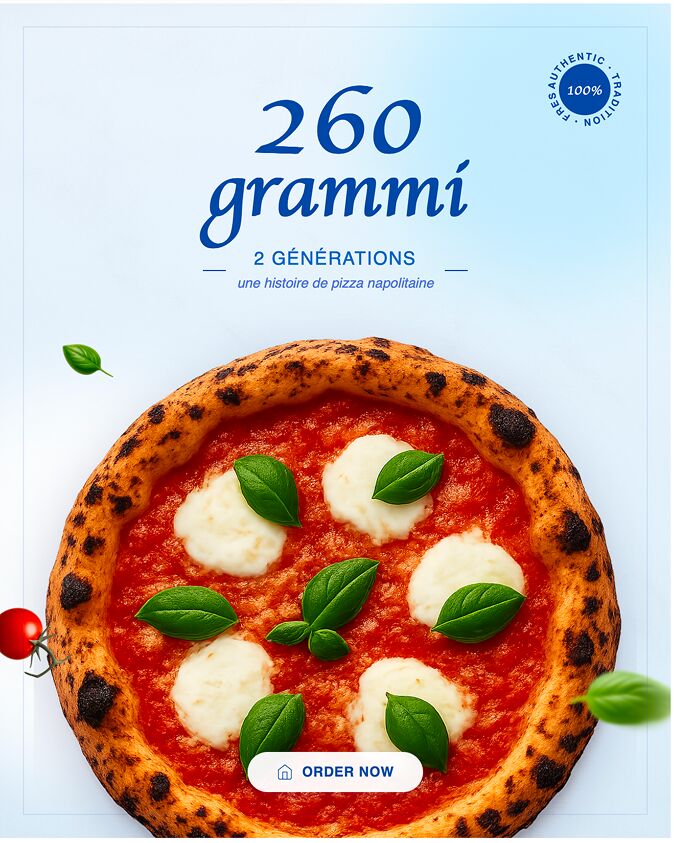
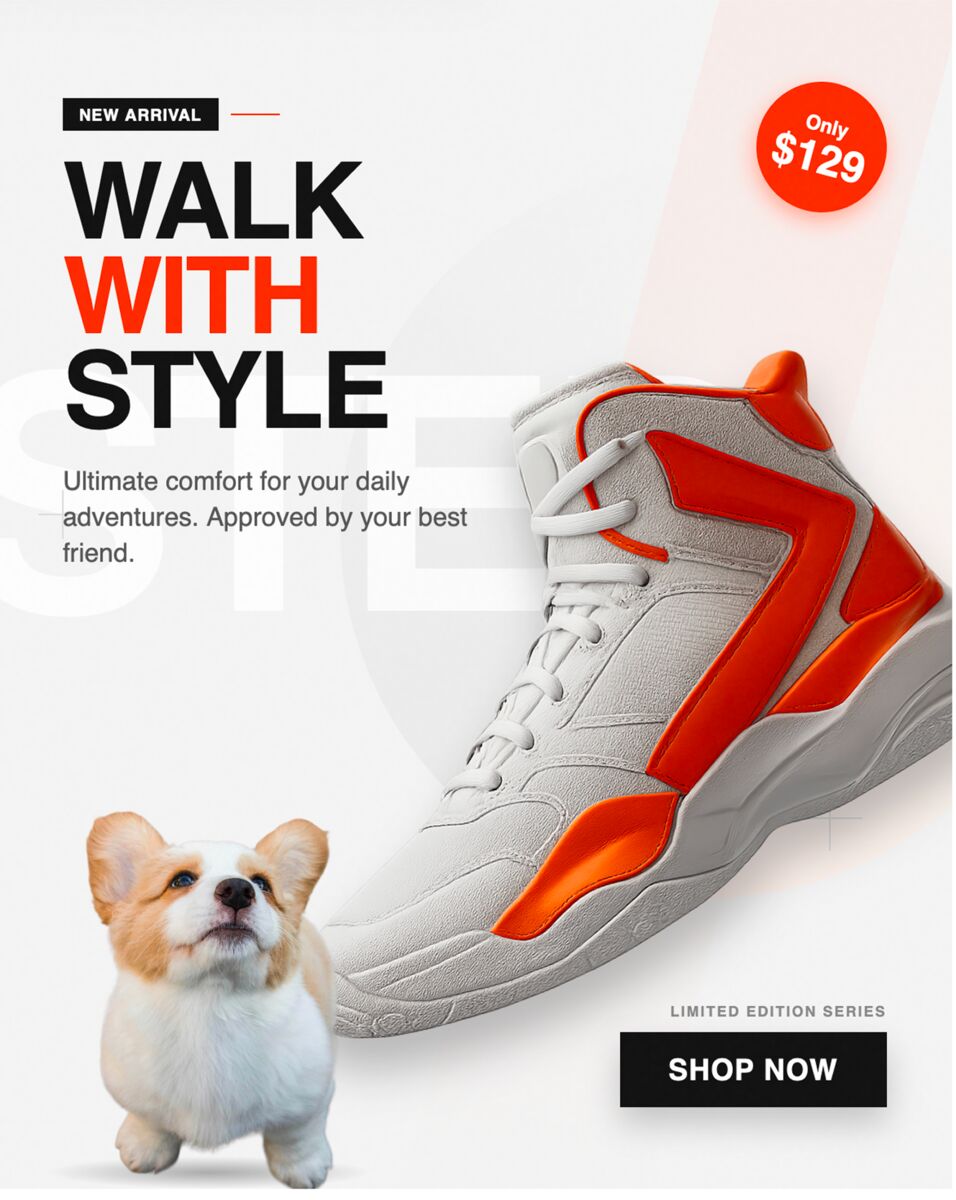
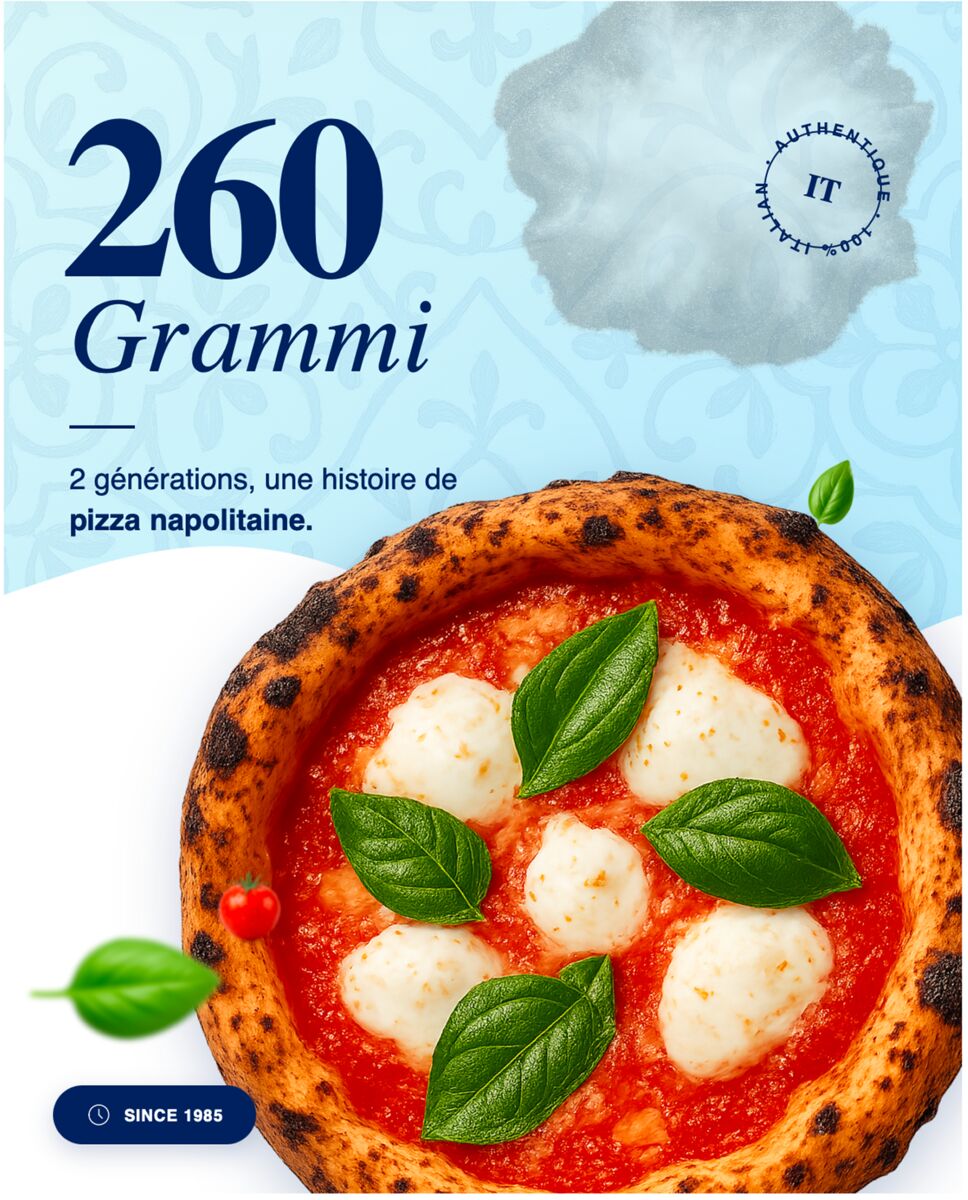
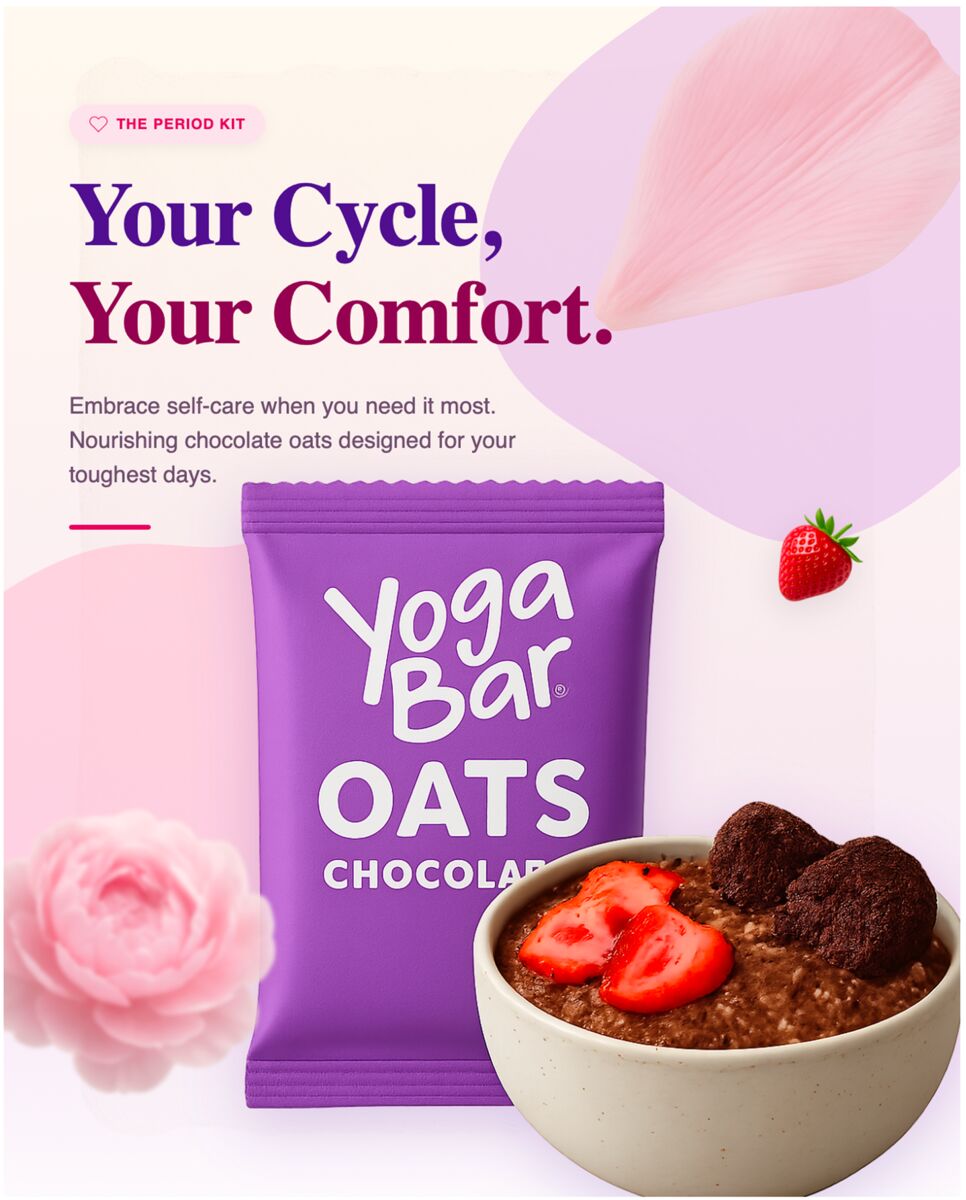








Ready to create your first design?
Join thousands creating professional designs in seconds.
Create with DesignLumo
Related Resources
Ultimate Social Media Design Guide for Startups
Step‑by‑step tactics to create high‑impact social posts on a shoestring budget.
Startup Product Graphics Playbook
Tactical guide for startups to create product graphics fast and cheap.
Essential Email Design Tools for Startup Marketers
A tactical guide to the best tools for creating, managing, and testing email graphics on a startup budget.
Startup Video Thumbnail Playbook
Tactical guide for startups to craft high‑CTR video thumbnails fast.
Startup Marketing Creative Workflow Blueprint
A tactical guide for bootstrapped startups to produce pitch decks, launch graphics, and social posts fast.
Startup Marketing Templates That Convert Fast
Turn limited resources into high‑impact designs with AI‑driven templates.