Launch Checklist for Social Media Creators
Launching a campaign as a solo creator means juggling design, timing, and data without a team. This checklist condenses the entire workflow into bite‑size actions you can execute in under an hour. Follow the steps, use the recommended AI‑first tools,…

1. Pre‑Launch Asset Creation
AI‑Powered Quote Card Generator
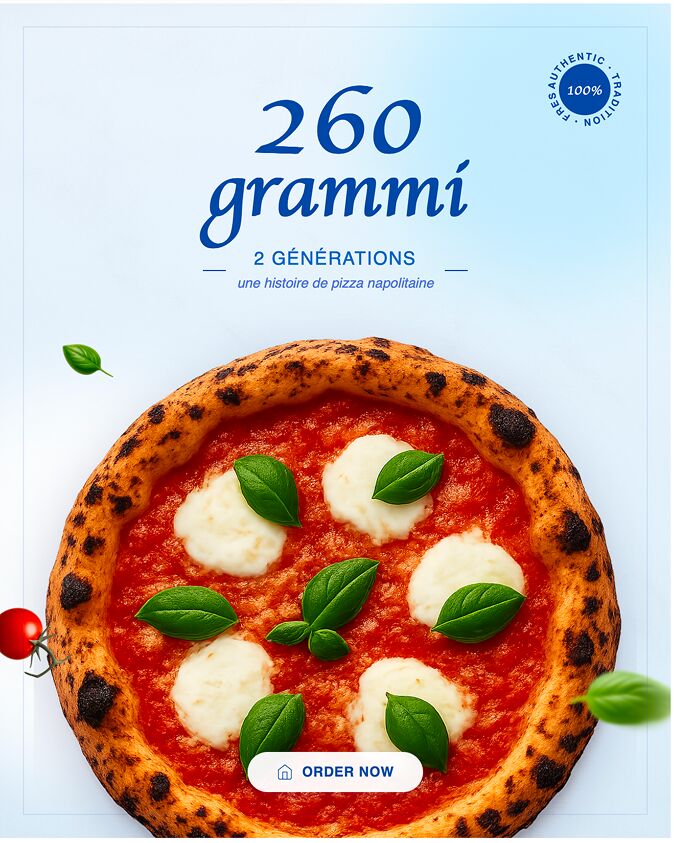
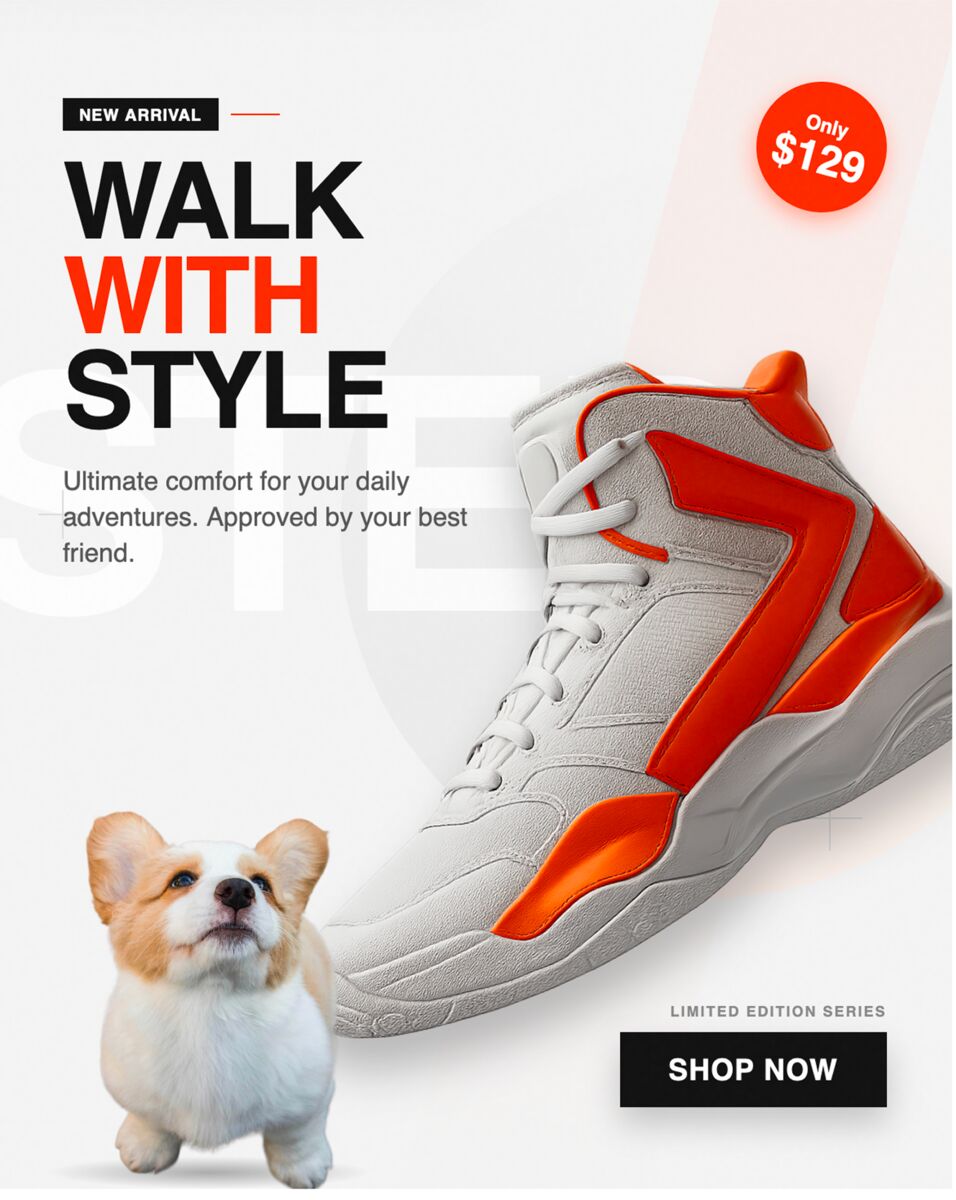
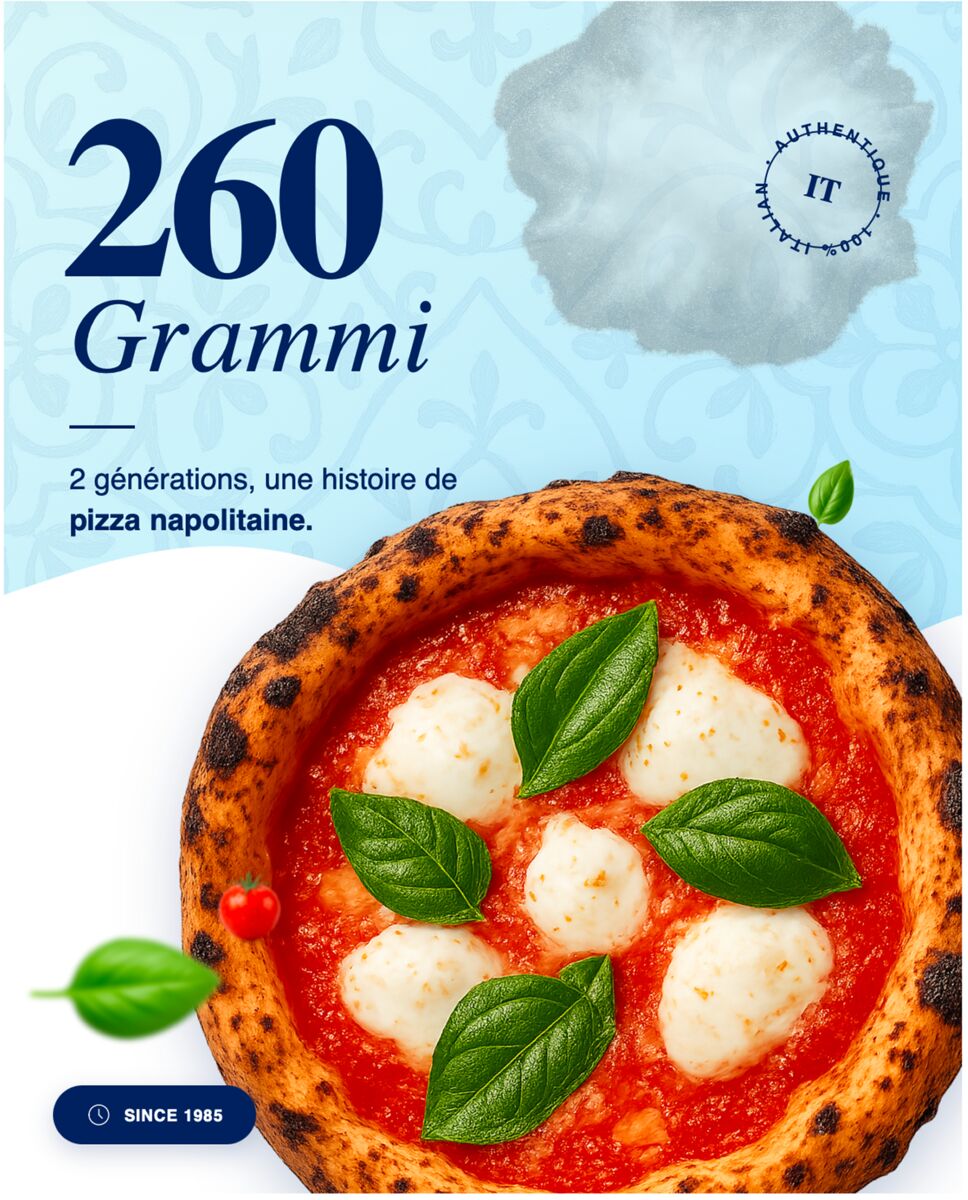
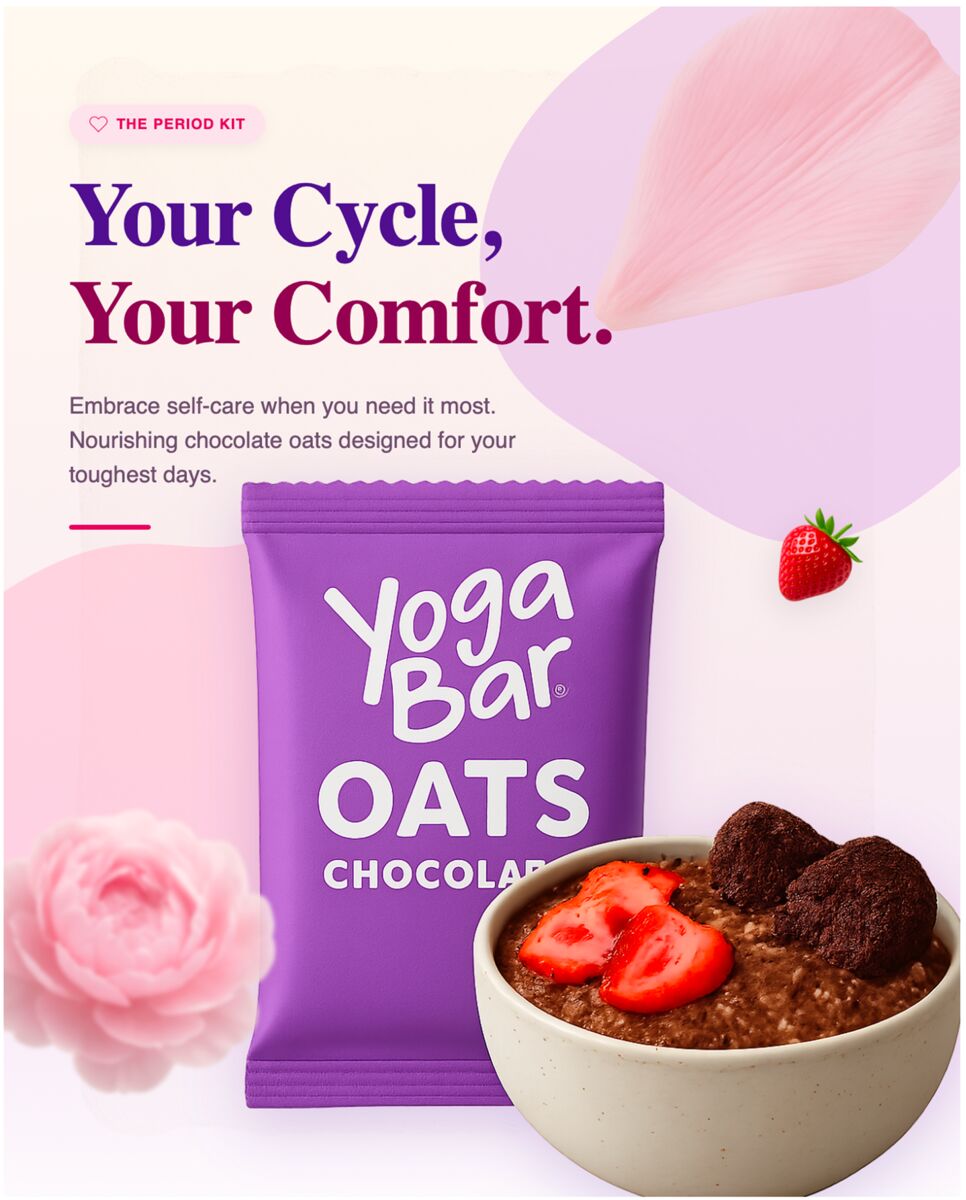
Start by feeding a concise prompt into DesignLumo, e.g., “modern minimalist quote card with teal accent, serif font, 1080×1080, brand logo top‑right”. Within seconds you receive a fully layered PSD/AI file. Open it in Photoshop or directly edit layers in DesignLumo’s web editor to tweak copy, swap fonts, or adjust colors to match your brand kit. Export PNG for Instagram and SVG for LinkedIn. Track consistency by comparing layer names against a spreadsheet; aim for ≤2 manual edits per card to keep turnaround under 5 minutes per asset.
Template‑Free Carousel Builder
Write a bullet‑point script of 5‑7 key ideas. For each bullet, prompt DesignLumo with “carousel slide, bold headline, supporting icon, brand colors, 1080×1080”. Download the layered files, then import them into Canva’s multi‑page design to add transitions and a CTA button. Use Canva’s “Copy style” to ensure uniform typography across slides. Export as a single MP4 for TikTok or a PDF for Instagram carousel. Measure slide‑through rate; target ≥45 % of viewers reaching the final slide.
Brand Kit Sync Across Tools
Upload your color palette, logo set, and font files to DesignLumo’s Brand Kit (under Settings → Brand). Enable the “Auto‑apply” toggle so every new prompt inherits these assets. Replicate the same palette in Adobe Express by importing the same HEX codes and uploading the same SVG logo. Create a master spreadsheet with asset IDs to audit that each platform uses the exact same brand elements. Consistency score is calculated by matching asset IDs; aim for 100 % alignment before publishing.
2. Platform‑Specific Optimization
Optimal Aspect Ratio Presets
Create a master “Ratio Sheet” in Google Sheets listing each platform’s recommended dimensions (e.g., Instagram feed 1080×1080, Reels 1080×1920, YouTube thumbnail 1280×720). In DesignLumo, save these as custom canvas sizes. When generating assets, select the appropriate preset to avoid post‑export cropping. Track pixel‑perfect compliance using a free Chrome extension like Page Ruler; aim for 0 px deviation. Consistent ratios boost click‑through by ~12 % according to Sprout Social data.
Platform Caption Boilerplate Engine
Use Notion to store a reusable caption template: {Hook} + {Value proposition} + {CTA} + {Hashtags}. Populate placeholders with Zapier‑linked Airtable fields that pull campaign data (product name, discount code). Export the final caption as plain text and paste into Buffer or Later. Measure average engagement per post; iterate the hook wording until you achieve ≥3 % higher likes vs baseline.
Hashtag Performance Dashboard
Connect your Instagram Business account to Later’s Hashtag Analytics. Export the top‑performing 30 hashtags into a Google Sheet and assign a “Score” based on average reach per post. In DesignLumo, embed the top 5 hashtags directly onto your graphics as a subtle footer. Refresh the list weekly via a Make.com scenario that pulls the latest scores via Later’s API. Aim for a hashtag relevance score above 85 % for each post to maximize organic discovery.
3. Distribution & Tracking
Scheduled Posting with UTM Automation
Create a UTM template in Google’s Campaign URL Builder (source=instagram, medium=social, campaign=launch2024). Use Zapier to append a unique “content” parameter derived from the post ID. In Buffer, schedule the post and paste the auto‑generated UTM link. Track traffic in Google Analytics > Acquisition > Campaigns; set a KPI of ≥150 visits per launch post within 48 hours. Adjust future copy based on the highest‑performing “content” values.
Story Swipe‑Up Link Tracker

If you have >10 k followers, enable swipe‑up links. Generate a short Bitly link for each story URL, then add “?ref=story1” to the destination. In Bitly’s dashboard, monitor clicks, geographic data, and referral time. Set a benchmark of 2 % click‑through rate; if a story falls below 1 %, revisit its visual hook or CTA. Document findings in a Notion database to refine future story designs.
Post‑Launch A/B Testing Framework
Create two variants of the same post: Variant A uses a blue CTA button, Variant B uses orange. Publish both on the same day, 2 hours apart, using Later’s “Post at optimal time” feature. Tag each with a distinct UTM content parameter (cta_blue vs cta_orange). After 24 hours, compare conversion metrics in Google Analytics and engagement rates in the platform’s Insights. Adopt the winning variant for the next 5 posts; aim for a minimum 8 % lift in click‑throughs.
Before you go
- Batch generate all graphics in DesignLumo before writing copy to keep the creative flow uninterrupted.
- Use a single brand‑kit folder in both DesignLumo and Canva to avoid color drift across assets.
- Set up automated daily Slack alerts from Buffer reporting to catch any posting failures instantly.
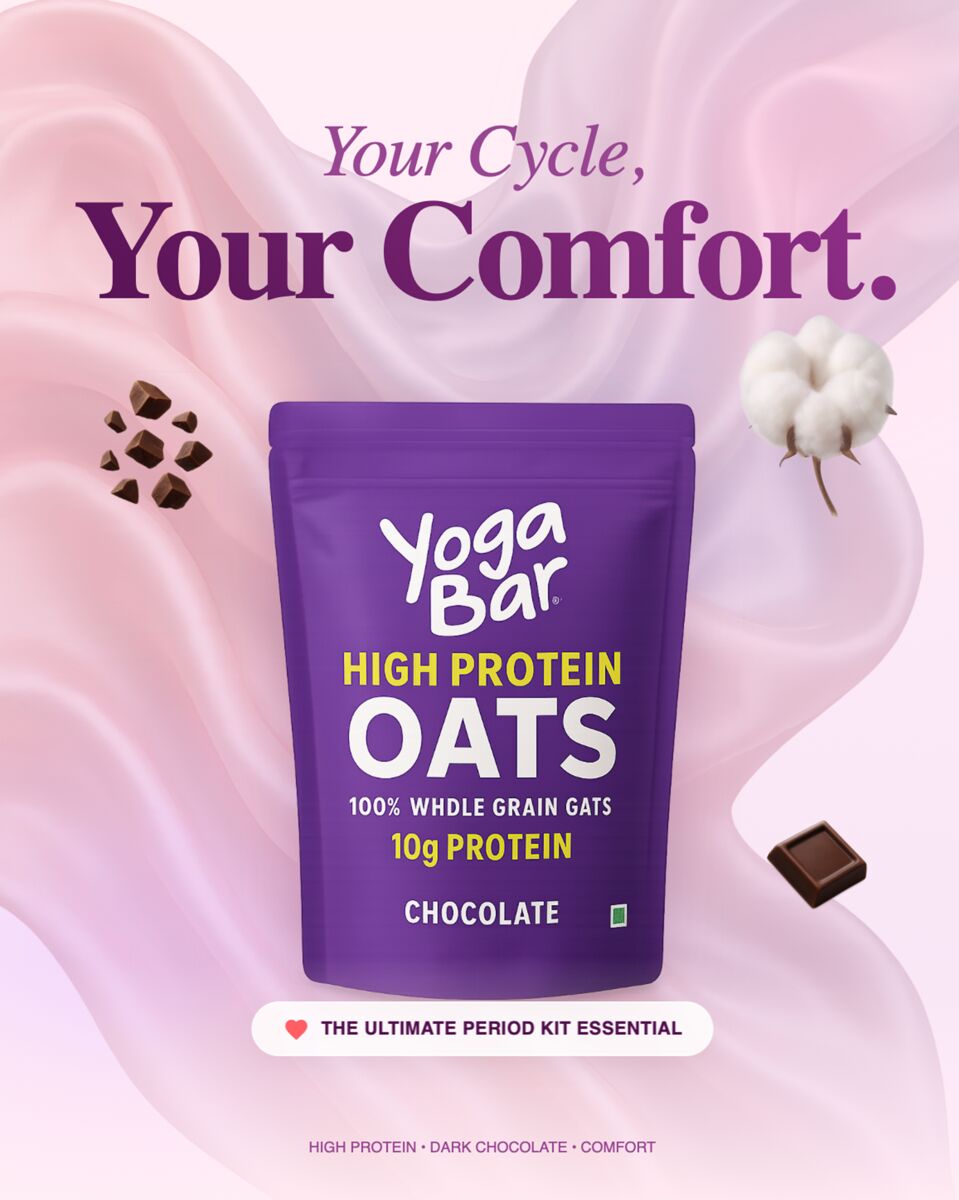
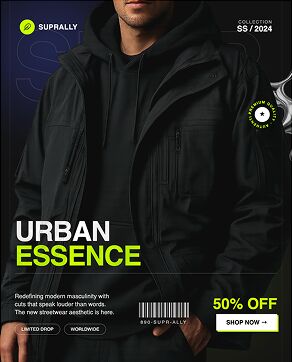


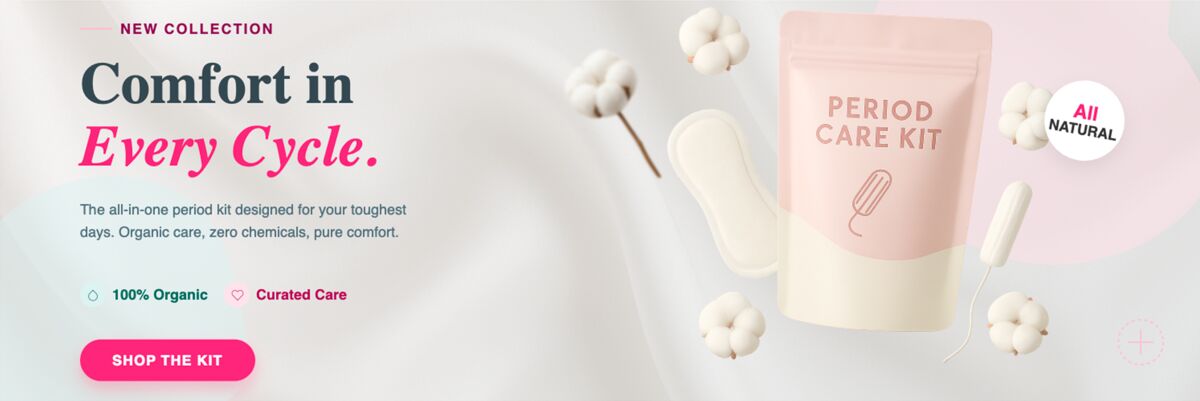

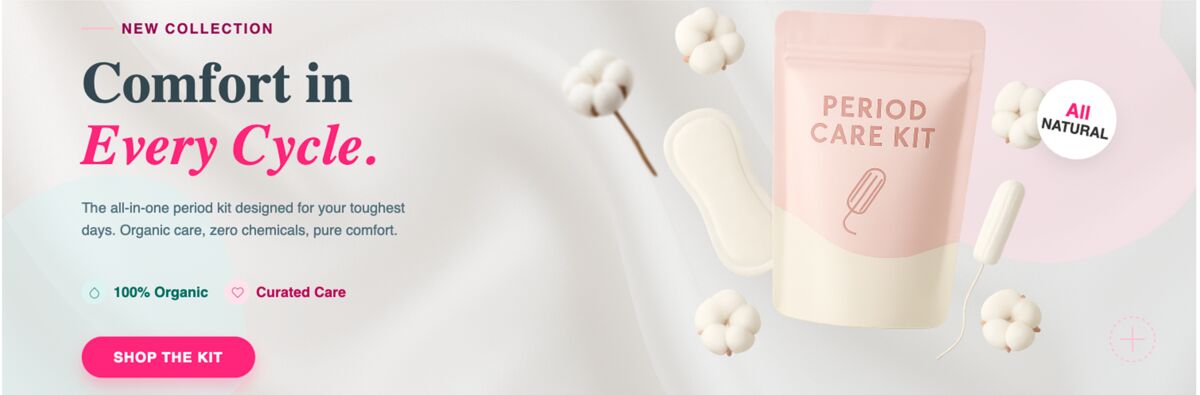



Ready to create your first design?
Join thousands creating professional designs in seconds.
Create with DesignLumo
Related Resources
Ultimate Beginner's Guide to Social Media Design
Step‑by‑step tactics for creators to craft brand‑consistent, high‑ROI graphics fast.
Ultimate Email Header Design Guide for Creators
Step‑by‑step tactics to craft high‑converting email hero images fast.
LinkedIn Content Ideas for Personal Brands
Actionable LinkedIn post, article, and graphic ideas for creators.
Ultimate Summer Sale Marketing & Design Playbook
Step‑by‑step guide for creators to launch high‑converting summer sale campaigns.
Essential Digital Tools for Creator Growth
Handpicked tools and workflows to boost your social media design, branding, and analytics.
Slide Design Playbook for Social Media Creators
Step‑by‑step tactics to craft pitch‑perfect decks that convert and boost brand deals.