SaaS Campaign Launch Checklist for Marketers
Design bottlenecks can delay feature launches and waste budget. This checklist aligns product, design, and growth teams around a repeatable process. Follow it to ship on‑brand visuals in days, not weeks.

1. Pre‑Launch Asset Planning
Feature Announcement Asset Matrix
Create a one‑page matrix in Notion or Airtable that lists every visual needed for a feature launch: LinkedIn post, Twitter card, product page hero, in‑app banner, and email header. For each asset, define dimensions (e.g., 1200×628px for LinkedIn), primary copy, CTA, brand colors, and a responsible designer. Add a column for target metrics—CTR, click‑through rate, and conversion—to set expectations. Use conditional formatting to flag any missing assets. By the end of day one you have a complete, cross‑channel brief that eliminates back‑and‑forth and lets the design team start immediately.
Comparison Chart Blueprint
Draft a reusable comparison chart template in Google Slides that aligns rows with key features and columns with pricing tiers. Pull data from your product API using a Zapier automation to keep numbers fresh. Apply your brand kit colors via a shared Google Sheet that maps feature importance to color intensity. Include a “download PDF” button with a trackable URL (UTM‑tagged). Once the blueprint is locked, designers only replace data fields, slashing production time from 4 hours to under 30 minutes per iteration while maintaining data accuracy.
Webinar Visual Calendar
Set up a visual calendar in Asana that schedules all webinar assets 14 days before the event: teaser social graphics, registration page banner, reminder emails, and post‑webinar thank‑you slides. Attach a checklist to each task that includes image dimensions, copy guidelines, and a link to the DesignLumo prompt library (https://www.designlumo.com) for AI‑generated drafts. Use Asana’s timeline view to spot overlaps and allocate design resources accordingly. Track completion rates and compare against registration conversion to quantify the impact of timely visual delivery.
2. Design Production Workflow
AI‑First Design Generation with DesignLumo
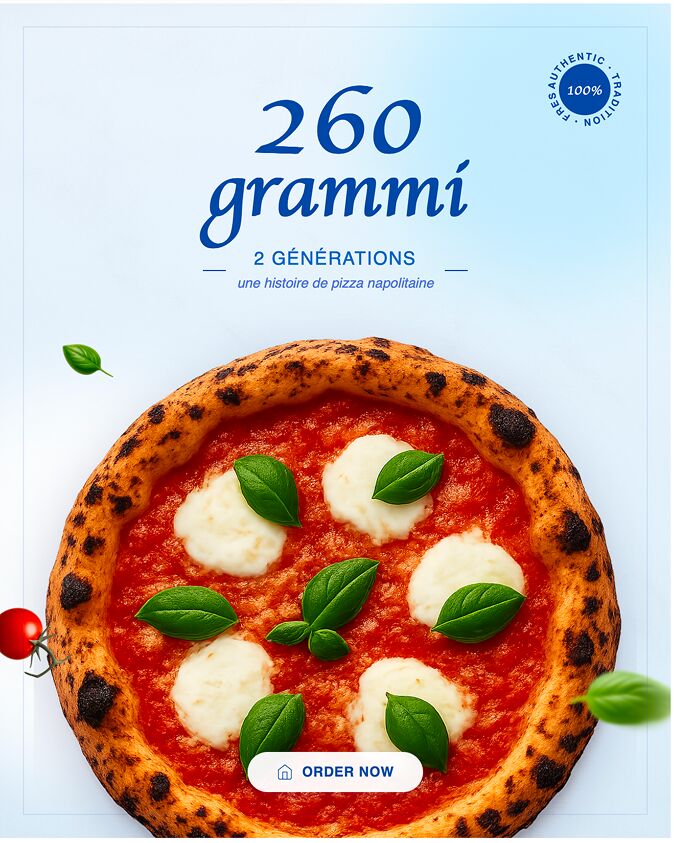
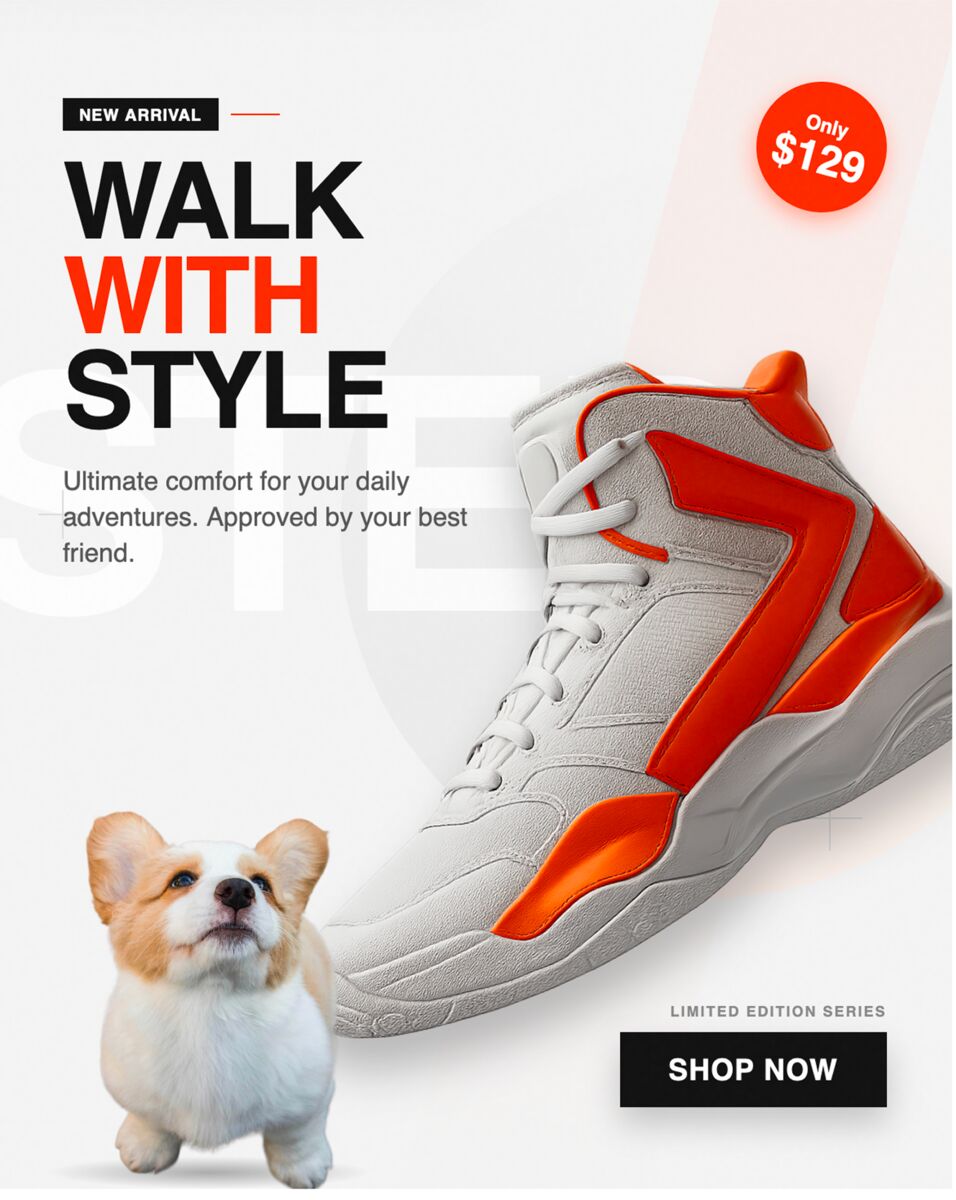
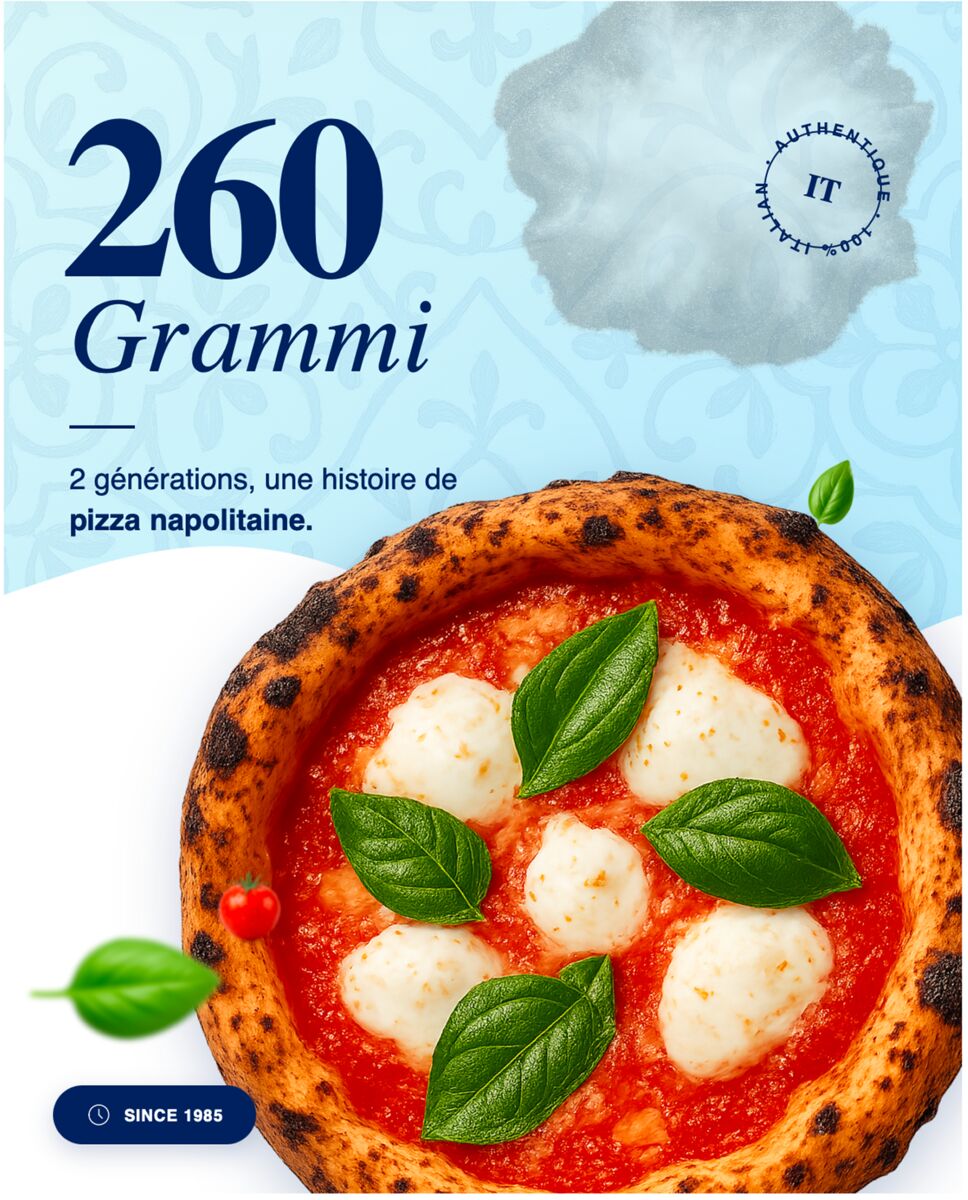
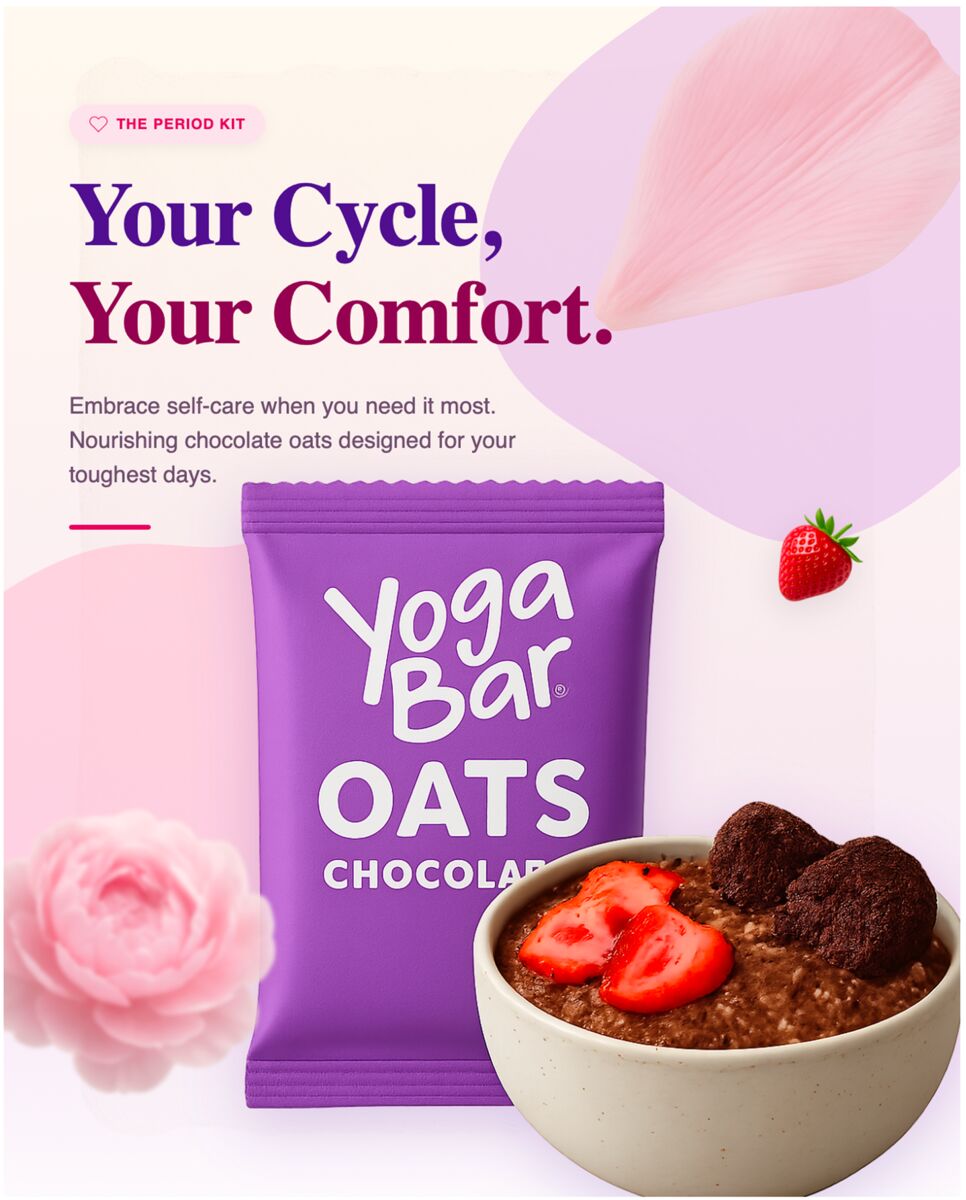
Write a precise prompt in DesignLumo (https://www.designlumo.com) such as: ‘Create a 1200×628px LinkedIn announcement for our new AI analytics feature, using #0052CC primary, modern sans‑serif, with a CTA button labeled “Start Free Trial”.’ The platform returns a fully layered PSD/Sketch file with editable text layers, color styles, and vector icons. Export to Figma for collaboration, then tweak copy or spacing in seconds. This cuts initial mockup time from an average of 90 minutes (Canva) to under 5 minutes, while preserving editability for brand compliance.
Layered Asset Versioning in Figma
Import the DesignLumo output into Figma and create a versioning page that separates ‘Base’, ‘Localized’, and ‘A/B Test’ layers. Use Figma’s Component Variants to swap colors or copy for different markets without duplicating frames. Enable version history to roll back any change and set up a shared library linked to your brand kit. Measure time saved by logging the number of duplicate frames before and after implementation; teams typically see a 40% reduction in asset duplication and a 25% faster handoff to developers.
Rapid Template Adaptation in Canva
For quick social boosts, duplicate a master Canva template (https://www.canva.com) that mirrors your DesignLumo base style. Replace only the headline and image placeholder using Drag‑and‑Drop. Leverage Canva’s Brand Kit to auto‑apply your primary, secondary, and accent colors, ensuring consistency. Track the average turnaround per post; after integrating the template, teams report a drop from 25 minutes to 8 minutes per graphic, freeing designers to focus on high‑impact assets.
3. Launch Distribution & Optimization
UTM‑Tagged Social Media Scheduler
Use Buffer or Hootsuite to schedule all launch assets, appending UTM parameters that capture source, medium, campaign, and content (e.g., utm_source=linkedin&utm_medium=social&utm_campaign=feature_x&utm_content=announcement). Build a Google Sheet that auto‑generates these URLs via CONCATENATE formulas. After publishing, monitor click‑through and conversion in Google Analytics. Aim for a 10% lift in attributed traffic; if not met, iterate visual copy within 48 hours based on the highest‑performing asset.
A/B Testing Visuals in Email Campaigns
In Mailchimp, create two variants of the same email—one with a DesignLumo‑generated hero image, another with a Canva‑styled graphic. Set up a split test for 20% of your list, measuring open rate, click‑through rate, and downstream sign‑ups. Use statistical significance calculators (e.g., Evan Miller’s) to determine the winner after 48 hours. Document the lift; teams often see a 12‑18% increase in click‑through when AI‑crafted visuals better align with product messaging.
Performance Dashboard with Looker Studio

Connect Google Analytics, HubSpot, and your email platform to Looker Studio (https://lookerstudio.google.com). Build a single‑page dashboard that visualizes UTM‑driven traffic, conversion funnel, and graphic‑level CTR. Add a calculated field that shows ROI per asset (revenue ÷ design cost). Set alerts for any asset falling below a 2% CTR threshold, prompting a rapid redesign cycle. Teams using this dashboard reduce underperforming assets by 30% within the first month of implementation.
Before you go
- Batch prompts in DesignLumo for all launch assets at once; export a zip of layered files to cut context switching.
- Use a shared brand‑kit library across Figma, Canva, and DesignLumo so color updates propagate instantly.
- Schedule a 15‑minute design stand‑up on launch day to review real‑time performance metrics and green‑light quick visual tweaks.






Ready to create your first design?
Join thousands creating professional designs in seconds.
Create with DesignLumo
Related Resources
SaaS Infographics Design Guide
Actionable tactics for SaaS teams to create data, process, and promo infographics fast.
SaaS Product Graphics Design Playbook
Actionable tactics for SaaS teams to create feature graphics, comparison charts, and onboarding visuals.
Ready-to-Use Design Templates for SaaS Teams
Turn bottlenecks into fast‑track assets with AI‑powered, editable templates.
Instagram Essential Tools for SaaS Teams
Actionable toolkit to power SaaS Instagram posts, stories, reels, and highlights.
TikTok Content Ideas for SaaS Teams
Actionable TikTok video ideas to boost SaaS growth.
SaaS Marketing Design Wins: Real-World Case Studies
Proven design workflows that turned SaaS bottlenecks into revenue.