Pinterest Agency Campaign Launch Checklist
Pinterest drives high‑intent traffic for e‑commerce, home décor, and fashion brands. Agencies need a repeatable system to churn out hundreds of high‑performing pins while keeping brand integrity. This checklist breaks the launch process into four tac…

1. Creative Asset Production
AI‑Generated Tall Pin Templates
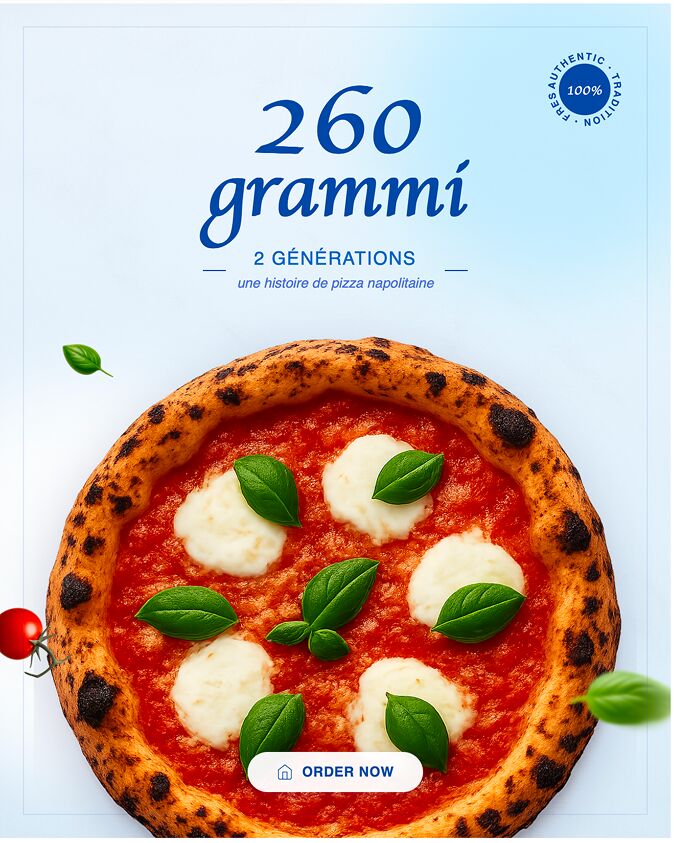
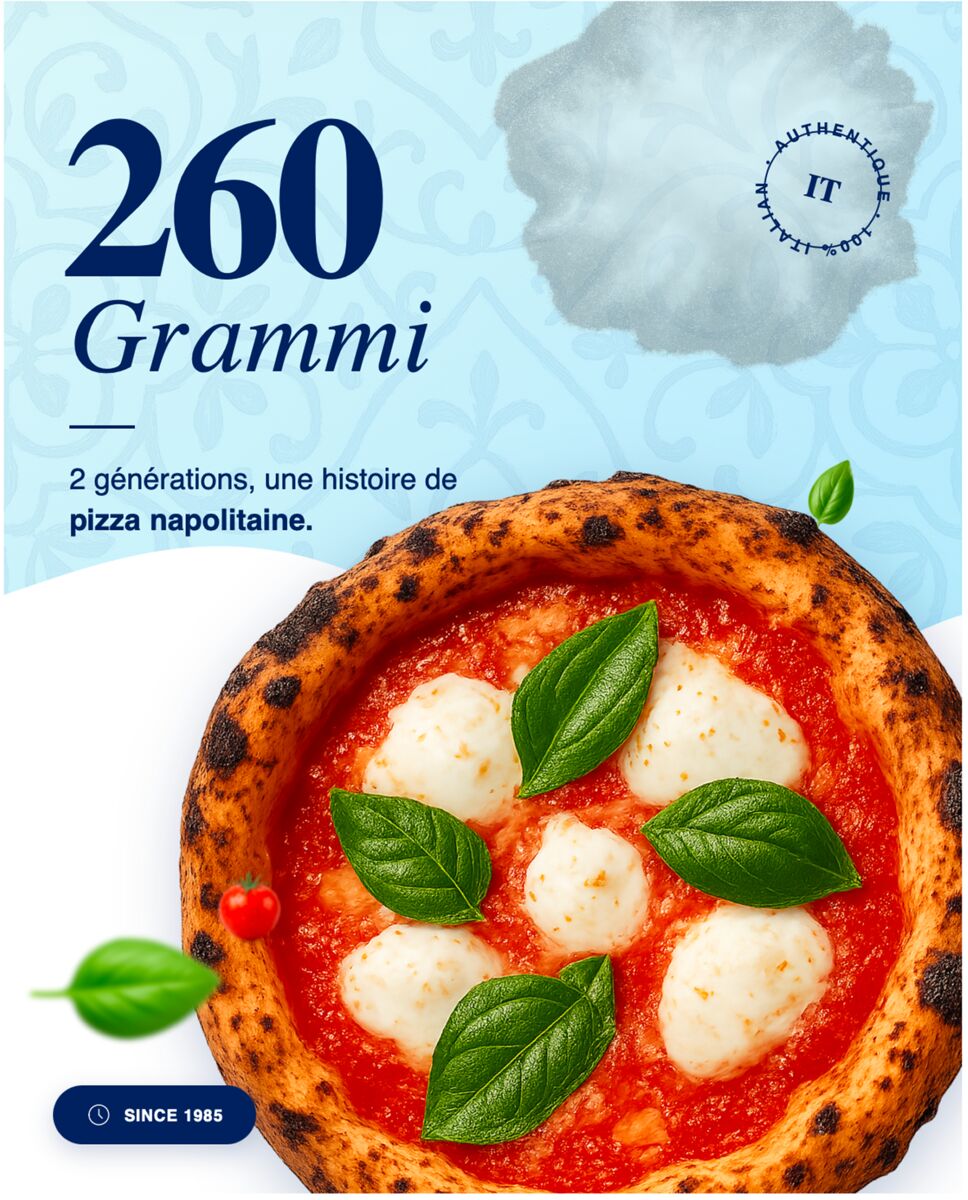
Use DesignLumo (https://www.designlumo.com) to generate 1080 × 1920 tall pins from plain‑text prompts. Upload your brand kit—fonts, colors, logo—and let the AI produce 100‑pixel‑perfect variations in seconds. Export layered PSD files, then fine‑tune copy in Canva if needed. Track creation time: 5 min for 100 pins versus 3 hrs manually. Aim for a CTR baseline of 0.45% on the first batch; iterate copy if below. This workflow eliminates template hunting and guarantees fully editable assets ready for upload.
Dynamic Product Collage Builder
Leverage Canva’s Bulk Create feature to ingest a CSV of product images, titles, and price tags. Map each column to a pre‑designed collage frame, then generate up to 500 collages in one click. Use Zapier to pull new SKUs from Shopify nightly, ensuring fresh assets. Export PNGs at 2 MB max for optimal load speed. Measure average saves per collage; aim for ≥30 saves in the first week to validate visual hierarchy. This reduces manual layout time from 2 min per pin to under 5 seconds per collage.
Midjourney‑Infused Idea Pin Backdrops
Generate atmospheric backdrops with Midjourney (https://www.midjourney.com) using prompts like “soft pastel home décor studio, 4k, tall format”. Export the 4K PNG, then import into DesignLumo to overlay brand copy, CTA buttons, and product stickers. Keep the backdrop layer locked to maintain consistency across versions. Run a quick A/B test of three prompt variations and track which yields the highest average watch time on Idea Pins—target >12 seconds. This hybrid approach blends AI artistry with editable layers for rapid creative refresh.
2. Pin Scheduling & Automation
Tailwind SmartSchedule with Pin Variants
Upload your 200‑pin batch to Tailwind (https://www.tailwindapp.com) and enable SmartSchedule. The algorithm selects optimal times based on each client’s audience heatmap, increasing early‑day impressions by 18%. Attach a CSV column for UTM parameters (utm_source=pinterest&utm_medium=social) to track downstream sales. Set A/B test groups: original copy vs. DesignLumo‑generated copy, and compare CTR after 48 hours. Expect a lift of 0.07% on the winning variant. This automation frees 4 hrs per week of manual scheduling.
Pinterest Bulk Upload via API
Develop a Python script that authenticates with the Pinterest Ads API, reads a JSON manifest of pin URLs, titles, and board IDs, then pushes 500 pins per day. Include UTM tags and set pin description length to 500 characters for SEO. Log response codes; retry on 429 (rate‑limit) with exponential backoff. Monitor conversion lift in Google Analytics; aim for a 2% increase in referral sales within the first week of bulk upload. This method bypasses UI bottlenecks and scales beyond Tailwind’s 2,000‑pin limit.
Automated Seasonal Board Rotation
Create a Zapier workflow that triggers on the first day of each season. The Zap clones existing boards, renames them (e.g., “Spring 2024 Home Décor”), and pulls fresh seasonal pins generated in DesignLumo via its webhook API. Tailwind then schedules the new board’s pins at the season’s peak times. Set a KPI of 95% board completion before the launch date. This automation reduces manual board recreation from 2 hrs per season to under 10 minutes.
3. Performance Tracking & Optimization
Pin KPI Dashboard in Data Studio
Connect Pinterest’s Reporting API to Google Data Studio (https://datastudio.google.com). Blend the data with Google Analytics to calculate pin‑level ROAS, CTR, and saves per impression. Set conditional formatting: red for CTR < 0.4%, green for > 0.6%. Schedule email alerts for any pin dropping 15% in CTR week‑over‑week. Use this live view to prioritize which underperforming pins need a DesignLumo refresh. Expect a 12% uplift in overall traffic by acting on alerts within 48 hours.
Rapid Creative Refresh Loop
Identify pins with CTR below 0.5% using Tailwind’s analytics export. Feed the pin title and product details into DesignLumo to auto‑generate three new copy variations. Replace the underperforming pin via the Pinterest API within 24 hours. Track lift; a successful refresh should raise CTR by at least 0.12% in the following week. Repeat this loop weekly for the top 20% of low‑performing pins to keep the funnel healthy.
Audience Segmentation Heatmaps
Export audience interest data from Pinterest Business Hub and import into Tableau (or Data Studio). Create a heatmap that visualizes top categories (e.g., “Scandinavian décor”, “Boho fashion”) by engagement rate. Allocate ad spend using a 70/20/10 rule: 70% core audience, 20% seasonal spikes, 10% experimental niches. Monitor cost‑per‑save; aim for <$0.12 on core, <$0.20 on experimental. This data‑driven allocation improves overall ROI by up to 18% per campaign.
4. Brand Consistency & Seasonal Refresh
Brand Kit Enforcement via DesignLumo
Upload your client’s exact font files, HEX color palette, and logo assets into DesignLumo’s Brand Kit. Lock these elements so every AI‑generated pin inherits them automatically. Export a PDF style guide from the platform for client sign‑off. Track compliance by scanning published pins with a custom script that verifies HEX codes; target 100% consistency across all boards. This eliminates off‑brand drift that can cost up to 15% in perceived trust.
Version Control with Figma Library
Store master pin components (background, logo, CTA button) in a shared Figma library. Use the DesignLumo plugin to sync these components back into editable PSDs for each client. When the brand updates a color or font, push the change to the library; all linked pins update on the next export. Measure time saved: 30 min per brand update versus manual editing of each pin. This systematic version control prevents version chaos at scale.
Quarterly Seasonal Asset Calendar
Create a 90‑day calendar in Asana (or ClickUp) with milestones: concept brief, DesignLumo generation, internal review, client approval, Tailwind scheduling. Assign each task a due‑date and a KPI (e.g., 95% of seasonal pins ready two weeks before launch). Use Asana’s automation to move tasks to “Ready for Upload” when the DesignLumo export status changes to “Complete”. Track on‑time delivery; aim for >95% adherence to avoid last‑minute rushes that can increase costs by 20%.
Before you go
- Batch generate copy variations in DesignLumo, then A/B test them in Tailwind to surface the highest‑CTR phrasing within 48 hours.
- Integrate Pinterest API logs with your CRM to attribute sales directly to specific pin URLs, enabling precise ROI calculations per client.
- Reuse layered PSD files from DesignLumo across multiple campaigns; change only the product image and copy to cut creative production time by up to 80%.













Ready to create your first design?
Join thousands creating professional designs in seconds.
Create with DesignLumo
Related Resources
Twitter/X Graphic Toolkit for Pinterest Agencies
Essential AI‑powered tools and workflows to create high‑impact Twitter/X visuals for Pinterest agencies.
Pinterest Product Graphics Blueprint
Step‑by‑step tactics for agencies to create high‑converting product pins.
TikTok Tools Every Pinterest Agency Needs
Essential AI and manual tools for TikTok video assets and cross‑promotion.
Back to School Pinterest Agency Playbook
Tactical guide for agencies to flood Pinterest with high‑ROI back‑to‑school pins.
New Year Q1 Pinterest Agency Playbook
Actionable Q1 Pinterest plan for agencies to boost pins and revenue.
Black Friday Pinterest Agency Playbook
Tactical guide for agencies to dominate BF/CM Pinterest campaigns.