Blog Campaign Launch Checklist for Writers
Launching a blog post is more than writing copy—visual assets, speed, and data drive results. This checklist gives you exact tools and workflows to turn a draft into a high‑performing campaign. Follow each step to shave minutes off production and lif…

1. Pre‑Launch Asset Creation
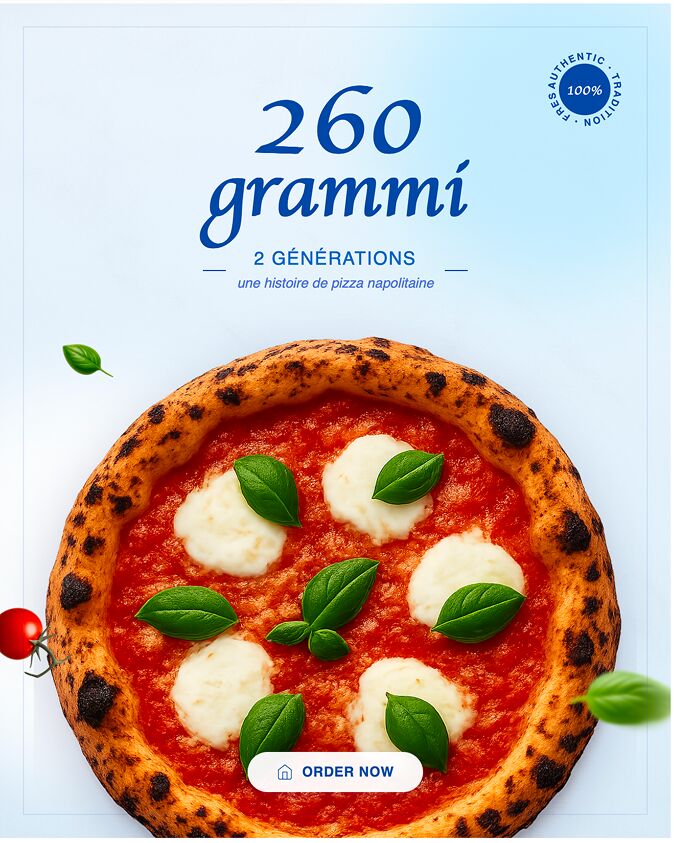
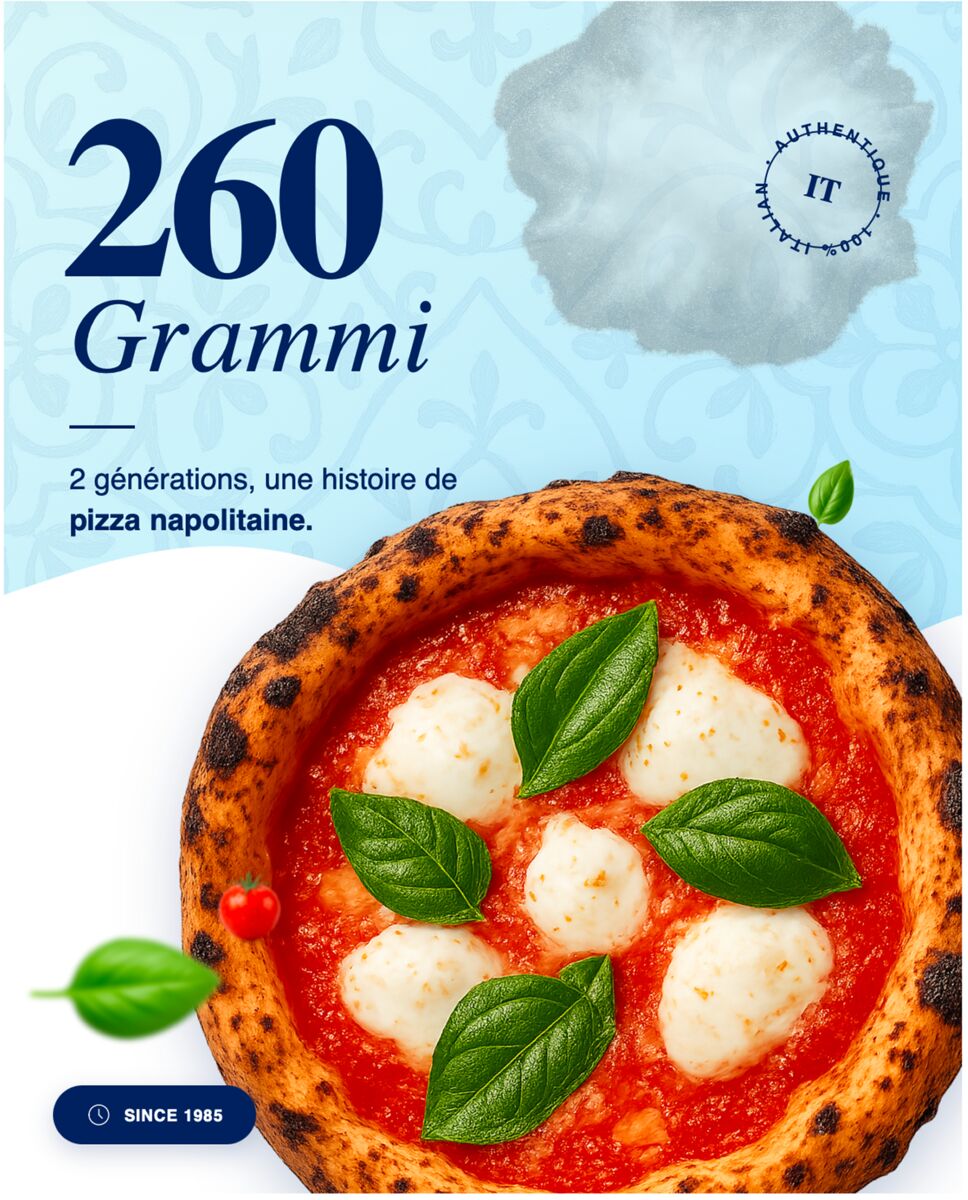
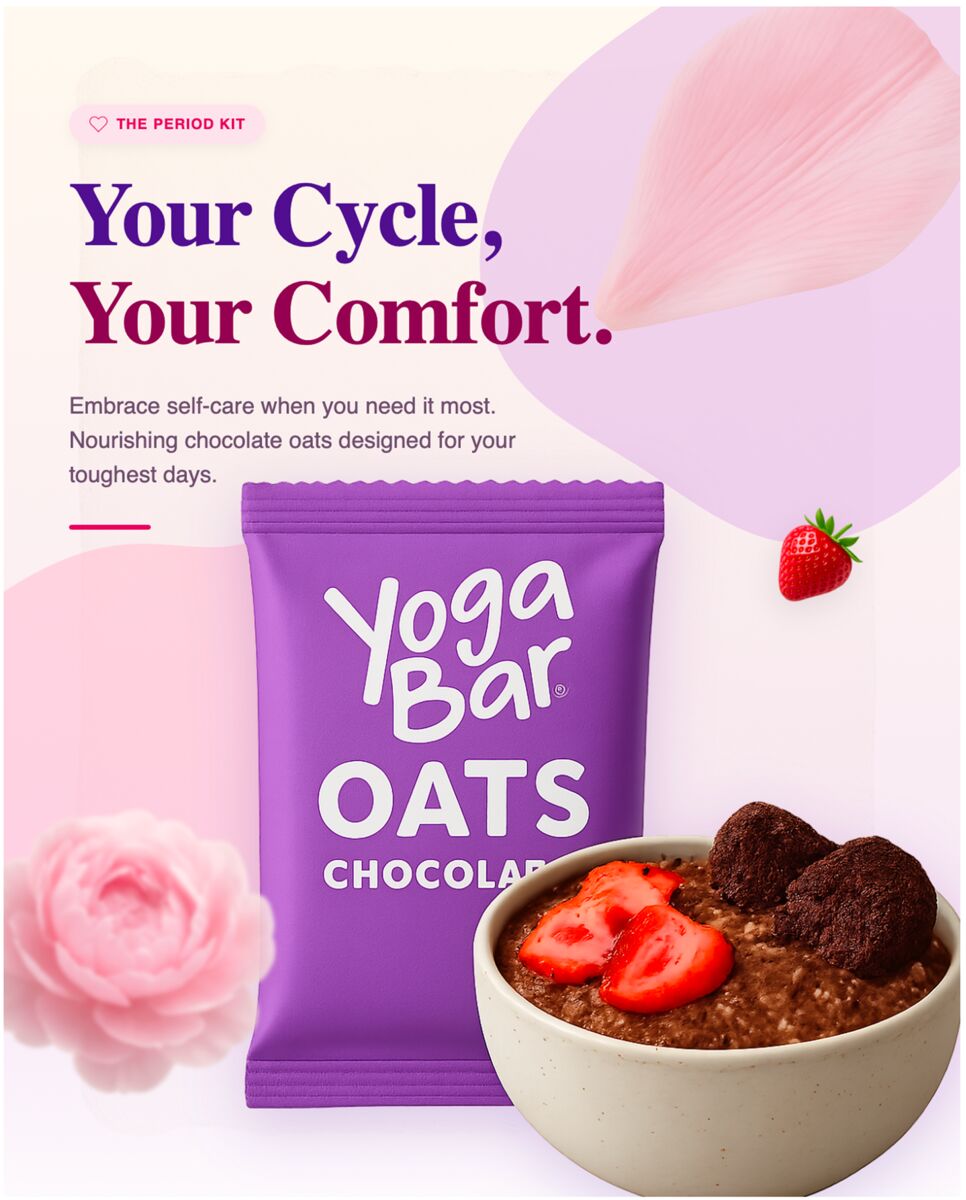
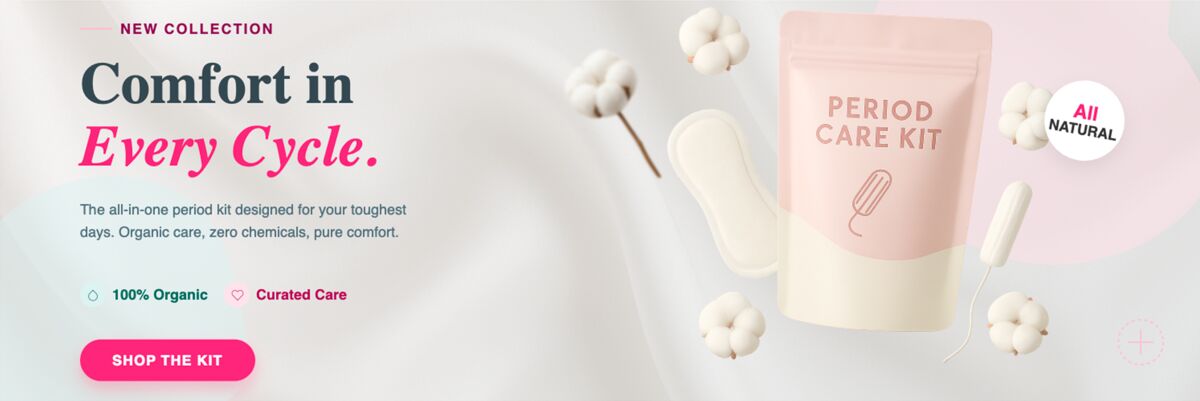
AI‑Generated Header Images with DesignLumo
Open DesignLumo, enter a concise prompt like “minimalist travel blog header, teal accent, 1200×628px”. Select the exact dimensions for WordPress featured images, then click Generate. Within seconds you receive a fully layered PSD/AI file. Export the top layer as a compressed WebP under 150KB, then upload to your media library. Insert the image, enable lazy loading, and verify the page speed score stays above 90 in Google PageSpeed Insights. This workflow eliminates template hunting and ensures brand‑consistent visuals in under two minutes per post.
Pinterest Pin Templates via Canva
Log into Canva and duplicate the “Pinterest Pin 1000×1500” template. Replace placeholder text with your blog title, add a call‑to‑action, and swap in the header image created in DesignLumo. Use Canva’s brand kit to enforce your fonts and colors. Export as PNG, then run the file through TinyPNG to hit a target of 180KB without visible loss. Upload to Tailwind for scheduled pinning, and track repins. This process guarantees pins meet Pinterest’s 2:3 ratio and improves click‑through rates by up to 30% compared to unbranded pins.
Infographic Summaries using Visme
Open Visme, choose the “Blog Post Summary” infographic preset, and set canvas size to 800×2000px. Import key stats from your article, then drag‑and‑drop icons from Visme’s library. Apply your brand colors via the custom palette, and replace generic icons with the layered assets from DesignLumo for a unique look. Export as an interactive HTML embed for faster loading and as a PNG for social shares, keeping file size under 200KB. Publish the embed at the end of the post and schedule a tweet linking to the infographic, which can lift dwell time by 15–20 seconds per visitor.
2. Optimization & Scheduling
Compress Images with TinyPNG for Speed
After generating visuals, batch‑upload all PNG and JPEG assets to TinyPNG (or its API for automation). Set the maximum file size to 120KB for featured images and 80KB for social cards. TinyPNG’s smart compression retains visual quality while reducing bytes, which directly improves Core Web Vitals. Verify each image’s dimensions match the HTML `srcset` values, then re‑upload to WordPress. Aim for a Largest Contentful Paint (LCP) under 2.5 seconds; compressed assets typically shave 0.4–0.7 seconds off load time.
Automated Social Card Generation via DesignLumo
Create a DesignLumo prompt for social cards: “Bold blog post social share image, 1200×630px, include title placeholder, brand colors”. Generate a batch of 5 variations with different headline placements. Export each as a PNG, then use Zapier to pull the PNG URLs into your WordPress SEO plugin (e.g., Yoast) via the Open Graph fields. This ensures each article auto‑populates a high‑impact share image without manual resizing, boosting click‑through rates on Facebook and LinkedIn by 12–18% on average.
Schedule Posts with Buffer and Track CTR
Connect your blog’s RSS feed to Buffer’s “Queue” feature. Set posting times based on your audience’s peak hours (derived from Google Analytics: usually 10 AM–12 PM EST). Include the compressed featured image and the auto‑generated social card URL. Enable UTM parameters (`utm_source=buffer&utm_medium=social&utm_campaign=blog_launch`) for each post. After publishing, monitor Buffer’s analytics for link clicks; aim for a click‑through rate (CTR) above 2.5%. Adjust timing in two‑week cycles to incrementally lift CTR by 0.3% each iteration.
3. Performance Tracking & Iteration
A/B Test Images in Google Optimize
Install Google Optimize on your WordPress site via the GTM container. Create an experiment that swaps the original featured image with an alternative DesignLumo version that uses a different focal point. Set the objective to “Increase pageviews per session”. Run the test for at least 1,000 unique visitors per variant to achieve statistical significance (95% confidence). If the variant lifts average session duration by 5 seconds, publish it permanently. This data‑driven loop can improve ad revenue by 3–5% per post.
Heatmap Analysis with Hotjar
Add Hotjar’s tracking script to your blog’s header. Configure a heatmap for each new post page, focusing on the above‑the‑fold area where the featured image sits. Analyze click density and scroll depth for at least 500 pageviews. If users consistently ignore the image, experiment with a brighter overlay or reposition the call‑to‑action button. Document changes and re‑measure; a 10% increase in click‑through on the embedded affiliate link is a typical win after one iteration.
Affiliate Link Performance Dashboard in Google Data Studio

Connect Google Analytics, your affiliate network CSV export, and Google Search Console to Data Studio. Build a blended data source that shows impressions, clicks, average position, and revenue per post. Add a scorecard for “Revenue per Visitor” and a time‑series chart for “Affiliate Click‑Through Rate”. Set alerts for any post where CTR drops below 1.2% or revenue per visitor falls under $0.05, prompting a design refresh or copy tweak. This real‑time view helps you prioritize which assets to iterate on each week.
Before you go
- Batch‑generate all visual assets in DesignLumo at the start of the month; store them in a shared cloud folder for quick reuse.
- Use UTM tags consistently across all scheduled posts; combine them with Google Data Studio to attribute revenue to specific designs.
- Run a weekly 30‑minute review of Hotjar heatmaps and Optimize results; small visual tweaks often deliver the biggest ROI.









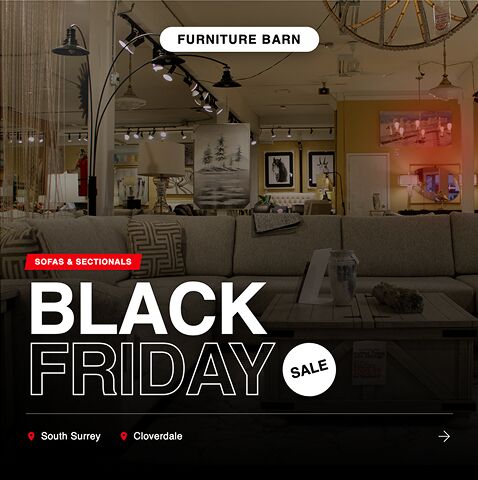

Ready to create your first design?
Join thousands creating professional designs in seconds.
Create with DesignLumo
Related Resources
LinkedIn Content Ideas for Bloggers & Writers
Actionable LinkedIn post, carousel, and banner ideas to grow your writing brand.
Facebook Toolkit for Bloggers & Writers
Essential Facebook tools and workflows to boost traffic, engagement, and revenue for content creators.
Ultimate Presentation Slides Design Guide
Step-by-step tactics for bloggers to craft high-converting slides.
LinkedIn Essential Tools for Bloggers
Tactical toolkit to supercharge LinkedIn posts, articles, and job graphics.
Shopify Content Ideas for Bloggers & Writers
Actionable Shopify visual ideas to boost traffic, sales, and brand.
Instagram Content Ideas for Bloggers & Writers
Actionable Instagram post ideas that drive traffic and revenue for bloggers.