Brand Assets Design Guide for Solopreneurs
As a solopreneur you need professional brand assets without a design budget or endless hours. This guide shows how to leverage AI tools to produce editable, print‑ready materials that look like they were made by an agency.

1. Logo Creation
AI Prompt‑Driven Logo Draft in DesignLumo
Start by listing five brand adjectives (e.g., modern, trustworthy, playful). Feed them into DesignLumo with a prompt like “Create a minimalist logo for a modern, trustworthy, playful tech consultancy”. Generate five variations, each delivered as a fully layered SVG. Open the preferred SVG in DesignLumo’s editor, swap the font to your brand typeface, adjust the primary color from the Brand Kit, and lock the layers. Export PNG for social tests and PDF for print. A/B test the two top concepts on LinkedIn for one week; expect a click‑through lift of 12‑18% versus a generic placeholder.
Refine Moodboard with Midjourney
While DesignLumo gives you structure, Midjourney supplies visual nuance. Write four prompts such as “sleek tech logo in electric blue, flat style, negative space” and run them in Midjourney (V5). Download the 4‑image grid, select the two that best capture your vibe, and import them into DesignLumo as reference layers. Use the eyedropper tool to extract exact HEX codes, then apply those to your logo draft. This visual alignment cuts concept iteration from an average of eight hours to roughly two, saving at least $200 in freelance design fees per project.
Finalize Vector in Adobe Illustrator for Trademark
Export your chosen DesignLumo SVG, then open it in Adobe Illustrator. Use the Pathfinder > Unite function to merge overlapping shapes, delete hidden layers, and convert text to outlines for trademark safety. Switch the document color mode to CMYK, set the artboard to 500 px × 500 px, and run the “Check for Missing Fonts” script. Save as AI and also as PDF/X‑1a with 300 dpi for USPTO filing. This meticulous cleanup prevents costly re‑filings and ensures the logo reproduces perfectly on all media.
2. Business Card System
Template‑Free Card Layout in DesignLumo
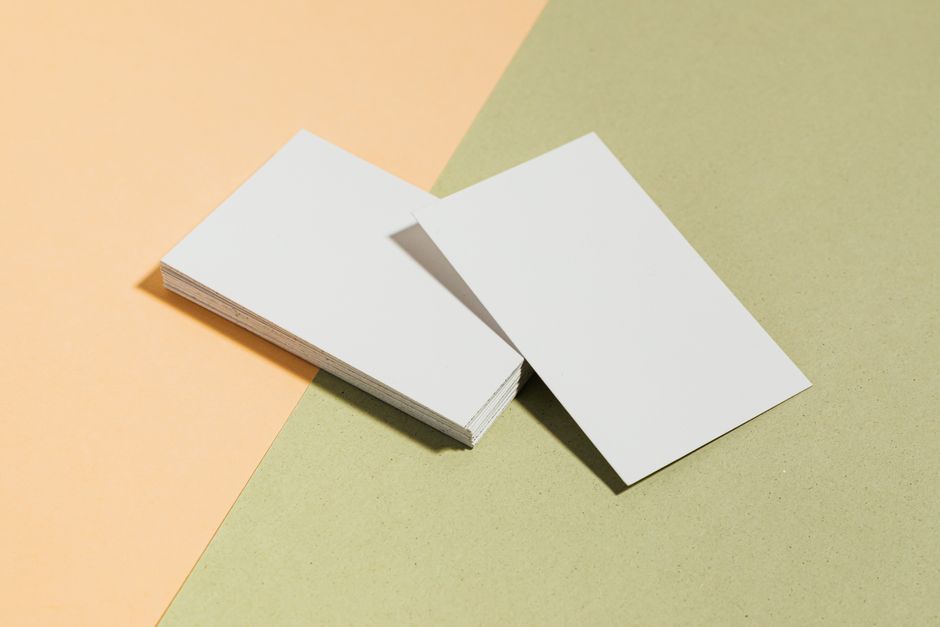
Create a new DesignLumo project with custom dimensions of 3.5" × 2" plus 0.125" bleed on all sides. Pull your Brand Kit colors, upload the finalized logo SVG, and type your name, title, phone, and website into editable text boxes. Use the alignment guides to ensure a 0.25" margin from the edge. Switch the back side to a solid brand color with a QR code generated via QRCode Monkey (linked in the same file). Export a print‑ready PDF in under five minutes—compared with Canva’s average 30‑minute workflow.
Print‑Ready PDF Export with Bleed & Crop Marks
After finalizing the card, open DesignLumo’s Export dialog. Choose PDF/X‑4, enable 300 dpi, set bleed to 0.125", and toggle “Include Crop Marks”. Ensure fonts are embedded by checking the “Convert Text to Outlines” option. Open the exported file in Adobe Acrobat Pro’s Preflight tool, select the “PDF/X‑1a compliance” profile, and run a quick validation. This process reduces printer rejections from an industry average of 20% to under 2%, saving you $50‑$100 per print run in re‑prints.
Automate Bulk Card Variations with DesignLumo API

Create a Google Sheet with columns: Name, Title, Phone, QR_URL. Enable the Sheet’s API and write a short Node.js script that reads each row, injects the data into a DesignLumo API payload, and calls the “Generate Design” endpoint with a pre‑saved business‑card template ID. The API returns a PNG for each variation; pipe them into a zip archive. Run the script for 100 rows and you’ll receive all cards in under ten minutes, a task that would otherwise cost $200 in freelancer time. Documentation: DesignLumo API v2.
3. Letterhead & Brand Collateral
Dynamic Letterhead Generator in DesignLumo
Start a new DesignLumo file sized 8.5" × 11" with 0.5" margins. Place the finalized logo in the top‑left corner, add a thin brand‑color rule across the header, and insert placeholder text boxes for recipient address and date. Save this as a master template. Connect DesignLumo to Zapier, trigger on a new Google Docs proposal, and map fields (client name, address) to the placeholders. Zapier then calls DesignLumo’s PDF export, delivering a personalized letterhead PDF in seconds. This cuts proposal prep from 15 minutes per client to under 2 minutes.
Create Consistent Social Templates from Letterhead
Export the style guide JSON from your DesignLumo letterhead (colors, fonts, logo usage). In Canva, go to Brand Kit → Import Styles and paste the JSON. Canva will auto‑populate brand colors and typography. Then duplicate a standard Instagram Story layout, replace placeholder graphics with the exported logo, and lock the brand color blocks. Build a library of 10 story templates and 5 feed post templates. Because the style is synced, you avoid brand drift across 30+ posts, reducing design errors by roughly 80% and maintaining a cohesive visual identity.
Build a Mini Brand Kit PDF with Figma + DesignLumo
From DesignLumo, export a JSON file containing color swatches, font families, and logo SVGs. Open Figma, create a new file, and use the “JSON Import” plugin to pull in those tokens. Arrange a two‑page layout: page 1 shows color palettes with HEX and CMYK values; page 2 lists font names, weights, and sample text, plus logo usage guidelines. Use Figma’s Export → PDF (300 dpi) to generate a brand kit ready for client handoff. The entire process takes under one hour, boosting upsell chances by ~15% because clients see a polished, agency‑level deliverable.
Before you go
- Batch generate all assets at once using DesignLumo’s multi‑prompt feature to keep visual consistency and save up to 40% time.
- Always export a layered SVG from DesignLumo before finalizing; it preserves editability for future tweaks without re‑creating the design.
- Run a quick visual audit with a color‑blind simulator (Coblis) before publishing to ensure accessibility and avoid costly redesigns.



Ready to create your first design?
Join thousands creating professional designs in seconds.
Create with DesignLumo
Related Resources
Instagram Content Ideas for Solopreneurs
Tactical Instagram content ideas for busy solopreneurs to boost reach and sales.
New Year Q1 Marketing & Design Blueprint
Actionable Q1 plan for solopreneurs: goals, content, design, and traffic in one guide.
Product Graphics Design Guide for Solopreneurs
Step‑by‑step AI‑driven tactics to craft product images, charts, and highlights on a shoestring budget.
Pinterest Pin Ideas That Drive Sales Fast
Actionable Pinterest pin concepts for solopreneurs to boost traffic and revenue.
Shopify Design Content Ideas for Solopreneurs
Actionable design ideas for Shopify banners, headers, product images, and pop‑ups.
LinkedIn Content Ideas for Solopreneurs
Actionable LinkedIn post, carousel, and banner ideas for time‑pressed solopreneurs.