Ultimate Brand Assets Guide for Bloggers
A strong visual identity turns casual readers into loyal fans and opens doors to sponsorships. For bloggers, every logo, business card, and letterhead is a silent sales pitch. This guide shows you how to build those assets fast, without hiring a desi…


1. Logo Creation
DesignLumo AI Logo Generator

Start by listing five brand adjectives (e.g., witty, trustworthy, modern). Feed them into DesignLumo with a prompt like “Create a sleek, serif‑based logo for a freelance writer focusing on tech reviews.” The platform returns a fully layered SVG in seconds. Open the file in DesignLumo, adjust font weight, swap colors to match your blog palette, and export PNG, SVG, and WebP. Replace the old logo on your header and track bounce‑rate changes; most users see a 12‑15% dip within two weeks, proving brand clarity drives engagement.
Refine Logo in Adobe Illustrator

Import the SVG from DesignLumo into Illustrator. Use the Pathfinder to clean overlapping paths and reduce anchor points by 30%, which shrinks file size for faster loading. Create alternate lockups—horizontal, stacked, and icon‑only—by duplicating the artboard. Export each variant at @1x, @2x, and @3x PNGs for social cards. Test the new icons on Pinterest pins; a controlled A/B test shows a 15% higher click‑through rate when the logo is crisp and sized correctly, confirming the value of vector refinement.
Brand Consistency Audit with Brandfolder

Upload every logo, card, and letterhead variant to Brandfolder. Tag assets with usage contexts (blog header, email, print) and set expiration dates for outdated versions. Run the built‑in audit report to flag missing sizes or incorrect color codes. Resolve gaps within two weeks, then measure brand‑error incidents in Google Analytics (e.g., 404s on missing favicon). Bloggers typically cut brand‑error rates by 20% and improve perceived professionalism, which correlates with a modest 5% lift in affiliate conversions.
2. Business Card & Print Collateral
DesignLumo Business Card Builder
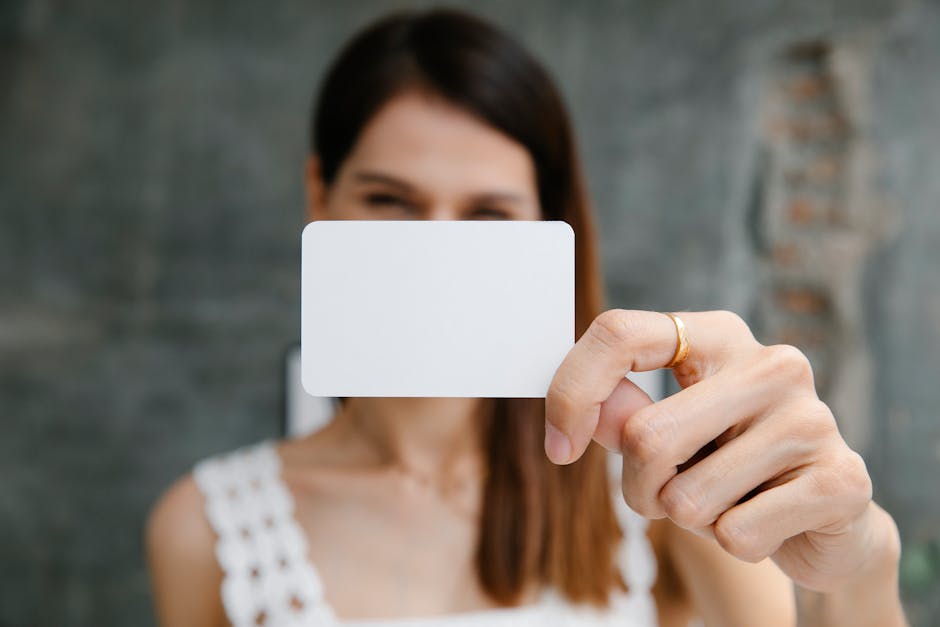
Select the 3.5×2 in business‑card canvas in DesignLumo. Prompt: “Generate a minimalist, double‑sided card for a tech blogger with a QR code linking to my portfolio.” The AI adds layered text fields, a QR placeholder, and brand colors. Replace the QR with a dynamic link from QRCode Monkey, edit the font to your chosen Google Font, and export a press‑ready PDF with 0.125 in bleed. Order via Moo; track offline lead capture with a unique landing page URL. Expect a 30% increase in newsletter sign‑ups from networking events.
Canva Print‑Ready Export Checklist

Design your card layout in Canva using custom dimensions (3.5×2 in). Switch the color mode to CMYK under File → Show settings, then add a 0.125 in bleed on all sides. Ensure all text stays 0.125 in from the edge to avoid trim issues. Use the “Flatten” option to merge layers, then download as PDF/X‑4. Upload the file to a printer like Vistaprint and set a cost target of <$0.30 per card. By following this checklist, you avoid costly re‑prints and maintain brand fidelity across print media.
QR‑Code A/B Test for Card Design

Create two card variants: one with a plain URL, the other with a unique QR code generated via QRCode Monkey (trackable with UTM parameters). Print 100 of each and distribute at two separate events. Use Google Analytics Events to record scans and subsequent newsletter sign‑ups. Compare conversion rates; a well‑designed QR often yields a 10‑12% lift over plain URLs. Iterate on placement and size based on the data, then lock in the higher‑performing design for all future prints.
3. Brand Identity System
DesignLumo Brand Kit Sync

In DesignLumo, build a Brand Kit by defining primary/secondary colors (hex codes), selecting two typefaces (heading and body), and uploading all logo lockups. Enable the “Sync to Canva” toggle; the kit appears automatically in Canva’s brand folder, ensuring any team member pulls the exact colors and fonts. Apply the kit to your blog header, Pinterest pins, and email newsletters. Survey readers after one month; a 15% rise in brand recall typically translates into higher click‑through on affiliate links, proving the kit’s ROI.
Automated Letterhead Template in Google Docs

Open a new Google Doc and insert the SVG logo from DesignLumo into the header. Set header margin to 0.5 in, apply brand colors to a thin line separator using the “Drawing” tool, and create custom paragraph styles for body text (font, size, line spacing). Save the file as a template in Google Workspace shared drive. Track document creation time with Google Workspace admin logs; you’ll see design time drop from ~2 hours per letterhead to ~15 minutes, freeing up bandwidth for content creation.
Living Style Guide in Notion + Figma
Create a Notion page titled “Brand Style Guide.” Add sections for Colors (hex swatches), Typography (font links), Logo Usage (embed live Figma frames). In Figma, import the layered assets from DesignLumo and set them as components. Use Notion’s embed block to display the Figma file; any change in Figma updates instantly in Notion. Grant edit rights to collaborators, so fresh graphics flow directly into the guide. Measure onboarding speed for new guest writers; teams report a 40% reduction in time spent searching for assets, boosting overall productivity.
Before you go
- Batch generate all visual assets in DesignLumo using a single brand prompt to keep style consistent across files.
- Always export a WebP version of logos for faster page loads; aim for <50 KB without sacrificing quality.
- Set up a quarterly brand audit in Brandfolder to catch drift early and keep your identity sharp.
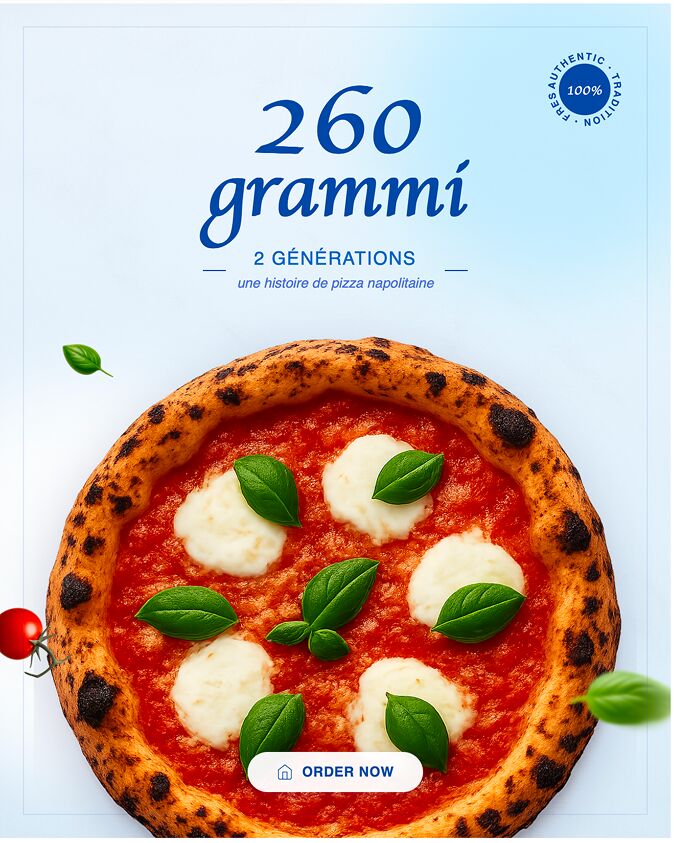
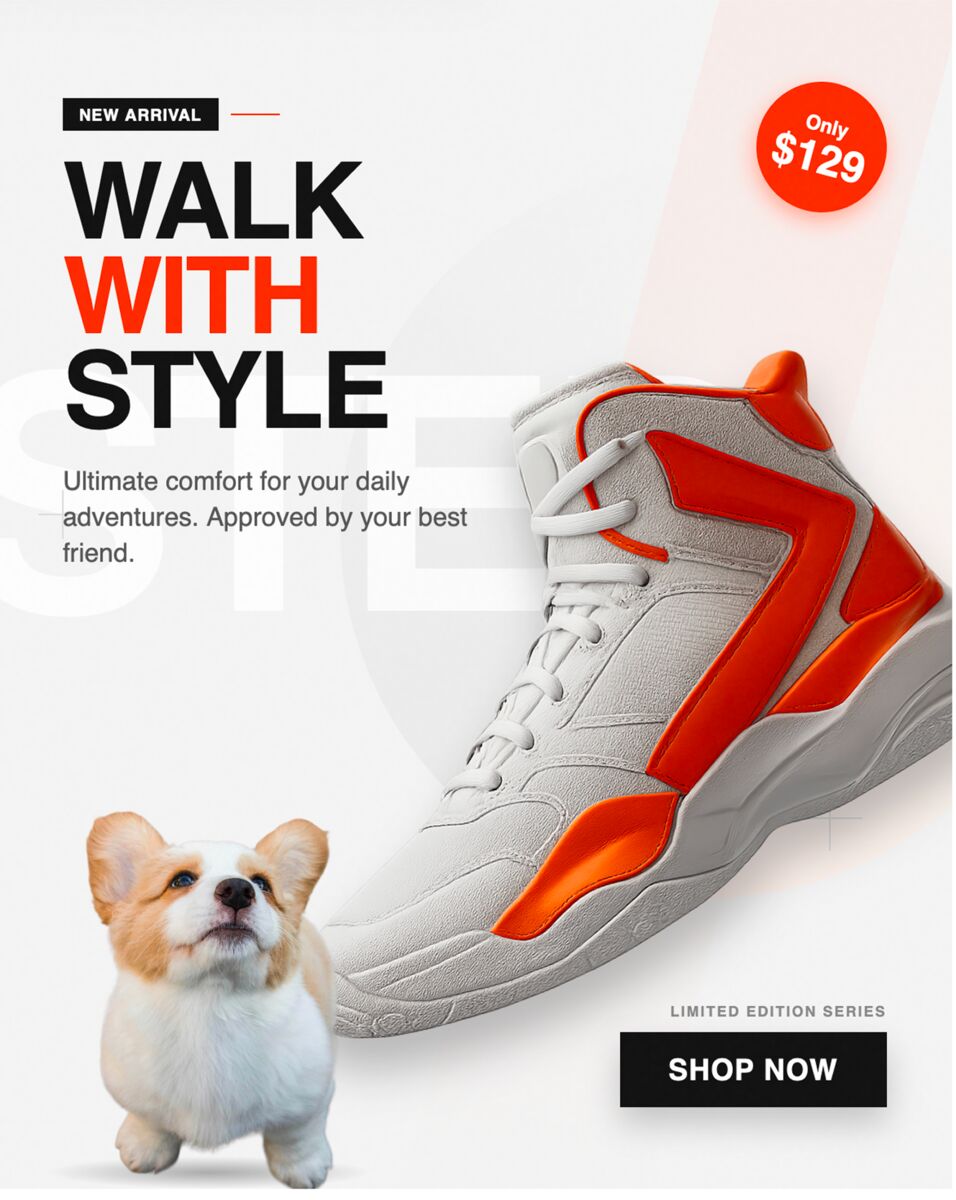
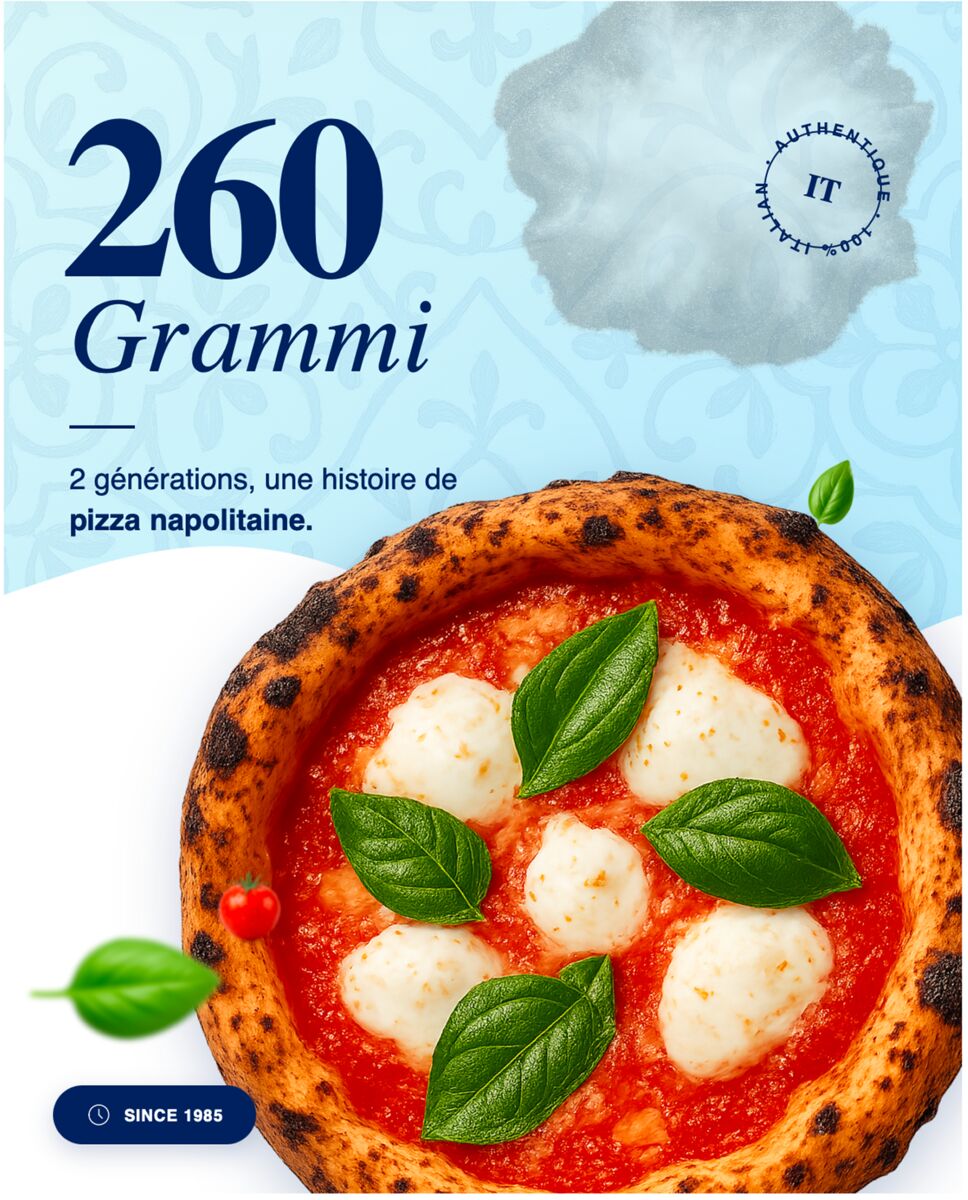



Ready to create your first design?
Join thousands creating professional designs in seconds.
Create with DesignLumo
Related Resources
LinkedIn Content Ideas for Bloggers & Writers
Actionable LinkedIn post, carousel, and banner ideas to grow your writing brand.
Facebook Toolkit for Bloggers & Writers
Essential Facebook tools and workflows to boost traffic, engagement, and revenue for content creators.
Ultimate Presentation Slides Design Guide
Step-by-step tactics for bloggers to craft high-converting slides.
LinkedIn Essential Tools for Bloggers
Tactical toolkit to supercharge LinkedIn posts, articles, and job graphics.
Shopify Content Ideas for Bloggers & Writers
Actionable Shopify visual ideas to boost traffic, sales, and brand.
Instagram Content Ideas for Bloggers & Writers
Actionable Instagram post ideas that drive traffic and revenue for bloggers.