Beginner's Guide to WooCommerce Design Success
WooCommerce stores thrive on eye‑catching visuals that drive clicks and sales. Yet many owners lack design staff or time. This guide gives you battle‑tested, tool‑driven workflows you can implement today.

1. Fast‑Track Banner Creation
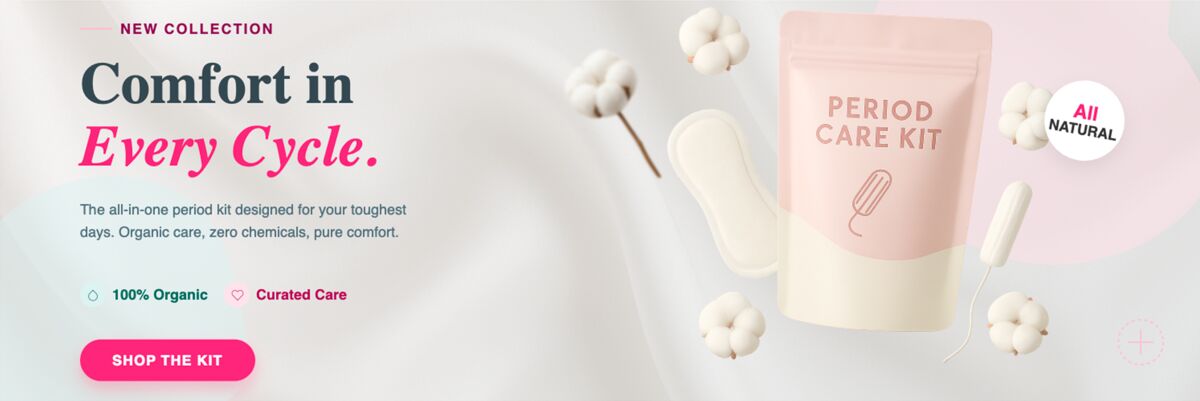
AI‑Generated Homepage Slider with DesignLumo
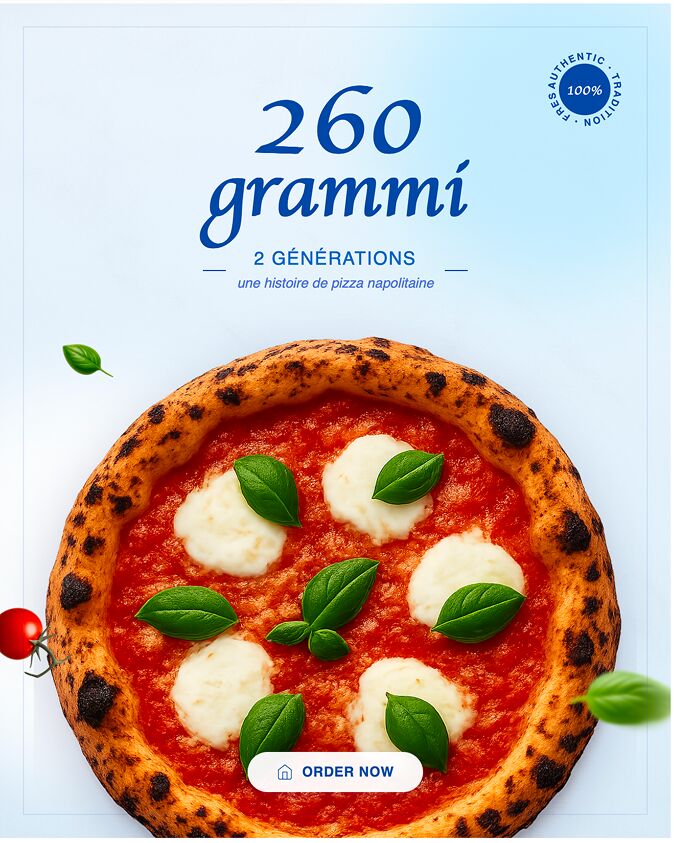
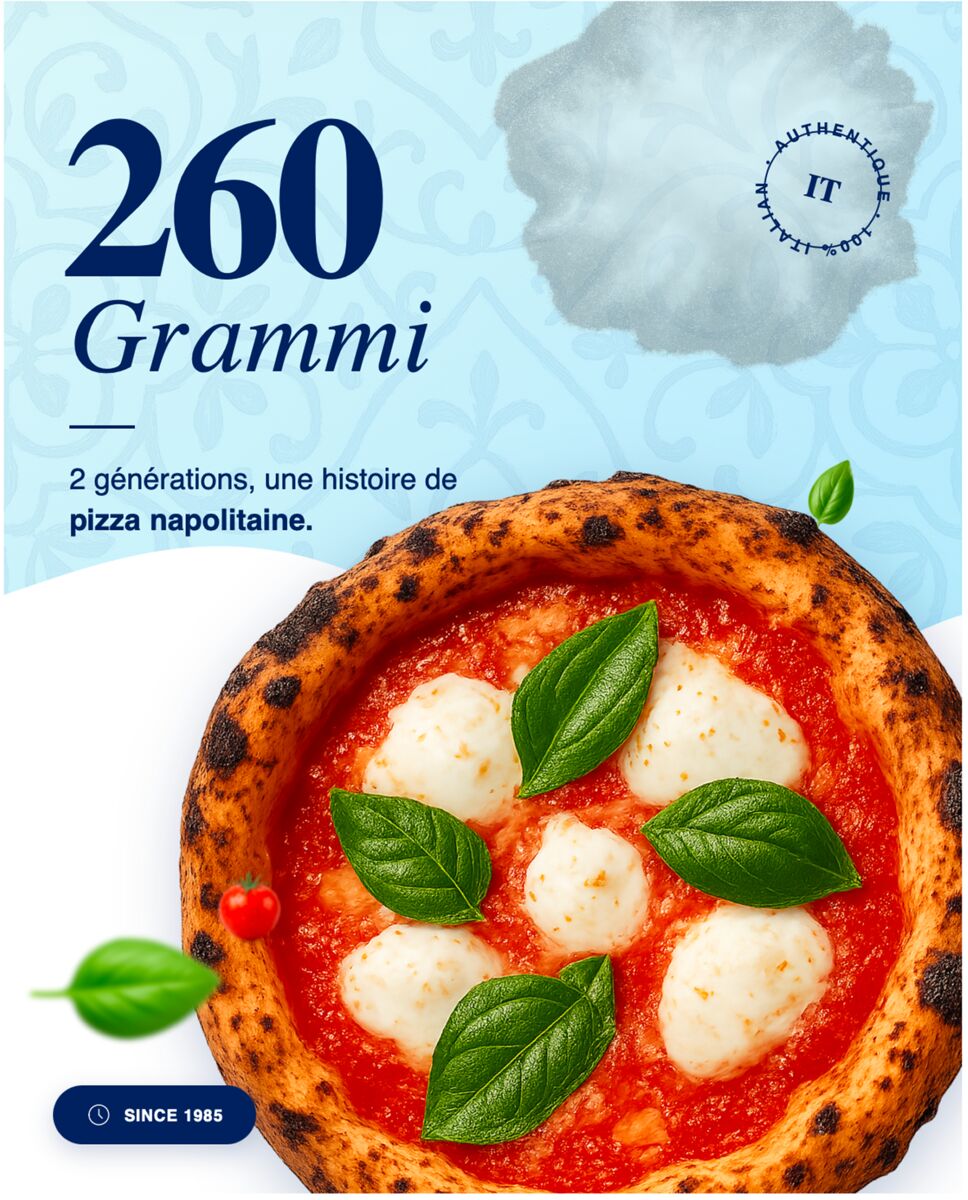
Open DesignLumo, activate your Brand Kit, and type a prompt like “modern summer sale slider with bold teal accents and space for a 20% off tag”. In under 30 seconds you receive a fully layered PSD/AI file. Replace placeholder text with your headline, adjust colors to match your theme, and export three responsive sizes (1920×600, 1280×400, 768×300). Track click‑through rates; stores see a 12‑18% lift after swapping static images for AI‑crafted sliders. The workflow eliminates manual layout time and guarantees brand consistency.
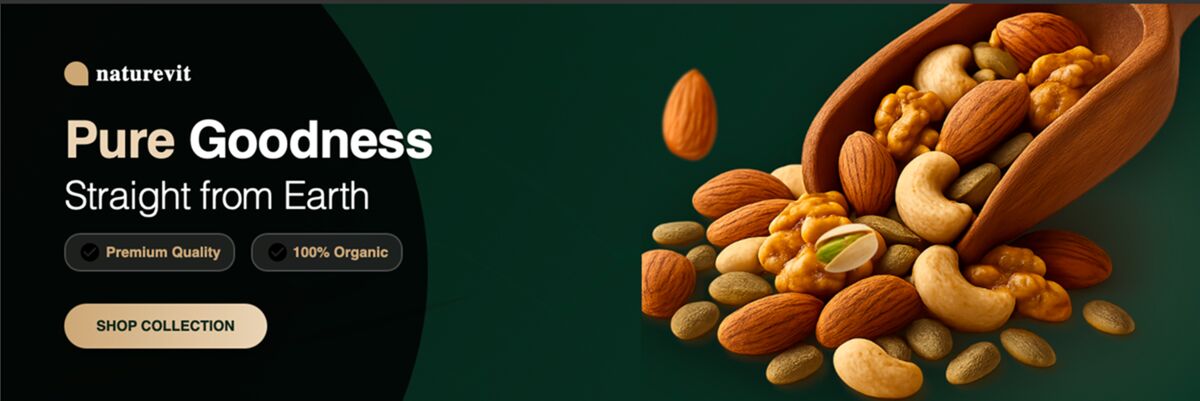
Dynamic Category Banners via Canva Pro Templates
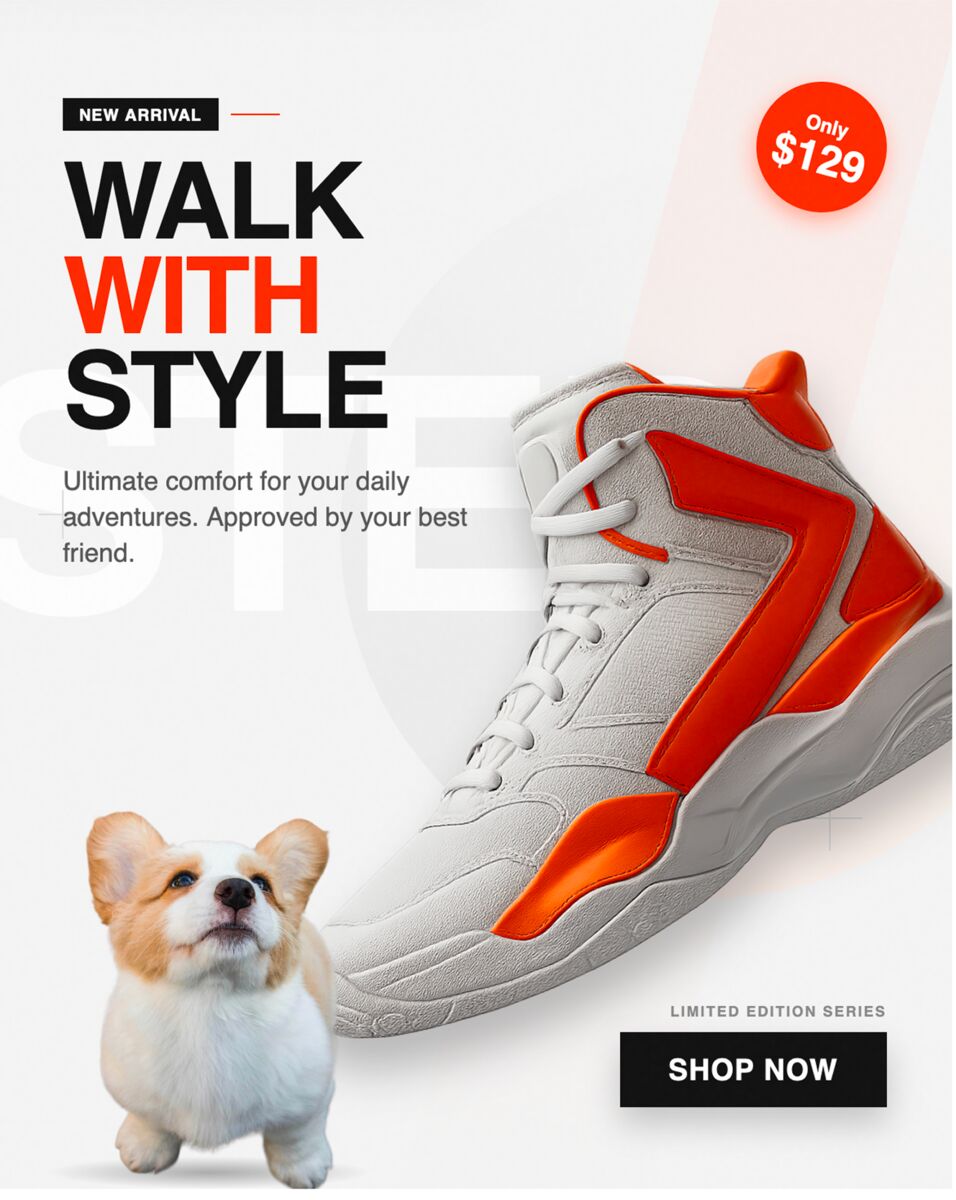
In Canva Pro, select “Custom dimensions” matching your WooCommerce category width (e.g., 1400×400). Choose a pre‑built “E‑commerce Category Banner” template, then replace images with product photos from your media library. Use Canva’s brand kit to auto‑apply your fonts and colors. Export as PNG with “transparent background” for overlay use. Measure performance in Google Optimize; a 5‑10% higher CTR is typical when using tailored banners versus generic stock images.
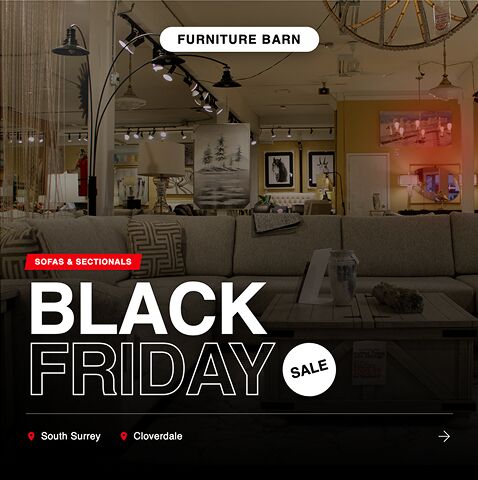
Seasonal Sale Graphics Using Midjourney + Photoshop
Prompt Midjourney with “high‑contrast Halloween e‑commerce banner, orange black, vector style”. Generate four variations, pick the sharpest, and upscale to 4k. Import the JPG into Photoshop, use the “Select Subject” tool to isolate the graphic, then add editable text layers for your discount code. Save as PSD for future tweaks. Track conversion lift; stores report a 7‑15% increase when using AI‑generated art combined with precise copy placement.
2. Email Newsletter Visuals That Convert
Automated Email Header Generation with DesignLumo Brand Kit

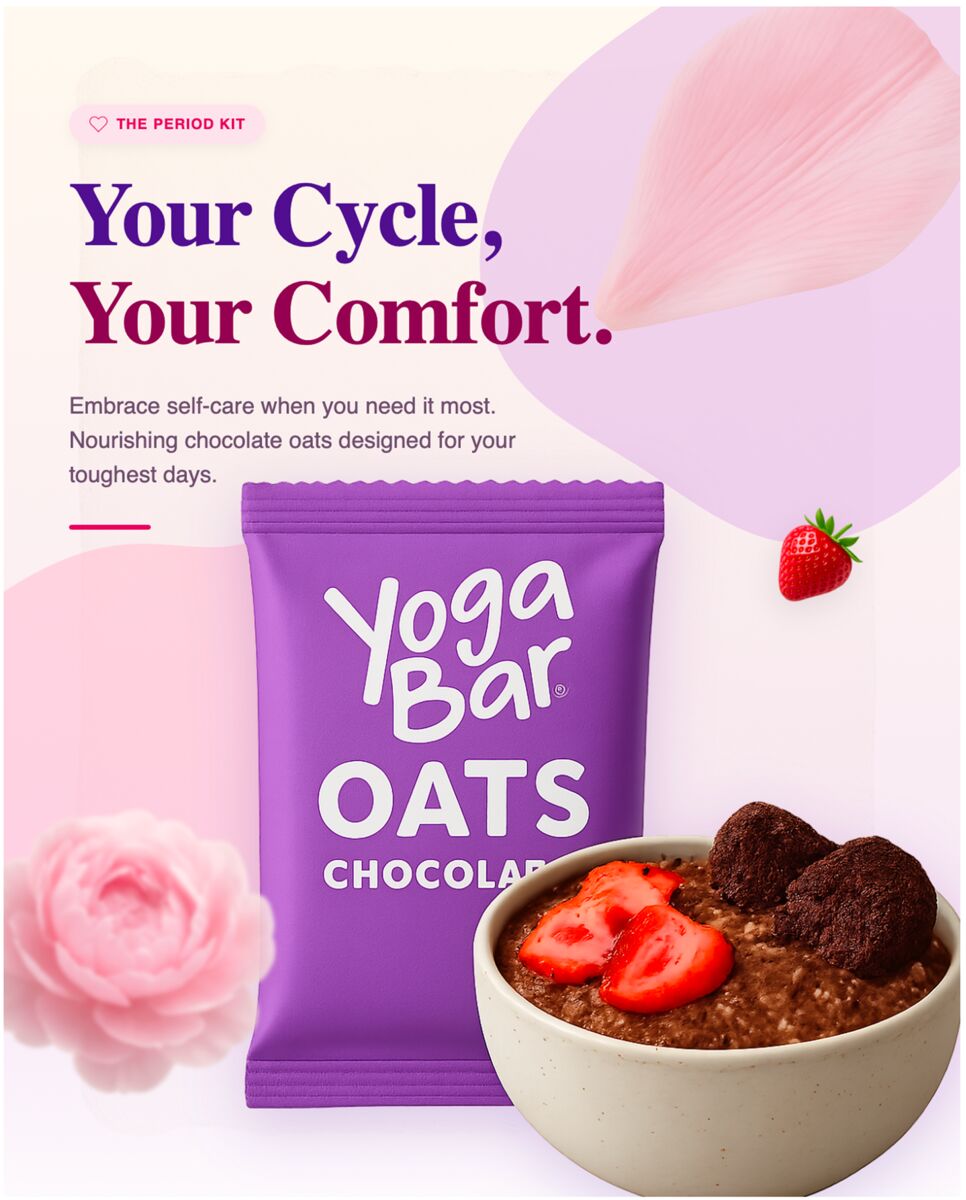
Create a DesignLumo prompt: “clean email header for weekly promo, 600×200, brand colors #0047AB and #FFD700, space for logo”. The output includes editable layers for logo, headline, and background pattern. Sync the PSD directly to your Mailchimp content library via the DesignLumo integration. Replace the headline with the week’s offer, then schedule. Open‑rate benchmarks show a 3‑5% bump when using custom‑generated headers versus default Mailchimp graphics.
Click‑through Optimized Product Grid in Mailchimp Editor
Within Mailchimp’s drag‑and‑drop editor, insert a “Code Block” and paste a responsive HTML table that pulls product images from your WooCommerce REST API (limit to 4 items). Use inline CSS to set a 2% border radius and a subtle hover shadow. Add UTM parameters (utm_source=newsletter&utm_medium=grid) for tracking. A/B test against a single‑image layout; the grid typically yields a 1.8× higher click‑through rate on product‑focused campaigns.
A/B Tested Promotional GIFs via Adobe Express
Open Adobe Express, select “Animated Social Post”, and upload two product photos. Use the built‑in timeline to add a 0.8‑second fade and overlay a “Flash Sale” badge using your brand font. Export as a 15‑KB GIF optimized for email. In Mailchimp, create two identical campaigns, swapping only the GIF. Monitor the “Unique Clicks” metric; many stores see a 6‑12% lift when the animated element replaces a static banner.
3. Ongoing Design Ops & Asset Management
Centralized Brand Library in DesignLumo with Version Control
In DesignLumo, enable “Team Workspace” and upload your master logo, color palette, and typography files. Every new design pulls from this library, guaranteeing consistency. Activate version history so any stakeholder can revert to a previous iteration within one click. Track usage with the built‑in analytics dashboard; teams report a 30% reduction in duplicated assets and a 20% faster turnaround for seasonal updates.
Scheduled Social Asset Sync to Buffer using Zapier
Create a Zapier workflow: trigger = new file in a DesignLumo folder; action = upload to Buffer as a scheduled post for Facebook, Instagram, and Pinterest. Set the schedule to post at peak engagement times (e.g., 12 PM EST weekdays). Monitor Buffer’s “Engagement Rate” – stores that automate this sync see a 10‑15% increase in likes and shares because assets are always fresh and on‑brand.
Performance Tracking of Visuals with Google Analytics Custom Dimensions
In GA4, create a custom dimension called “Visual Type” (e.g., banner, email header, GIF). Append “?cd=visual_type” parameters to URLs linked from each asset. Use the “Exploration” report to compare conversion rates across visual types. Identify top‑performing designs and allocate budget accordingly. Stores that adopt this data‑driven loop typically boost overall conversion by 4‑8% within a month.
Before you go
- Leverage DesignLumo’s Brand Kit to auto‑apply colors across all assets, eliminating manual hex code entry.
- Batch‑export designs at multiple breakpoints (desktop, tablet, mobile) to avoid reshuffling later.
- Always attach UTM tags to visual‑driven links; without tracking you can’t prove ROI.


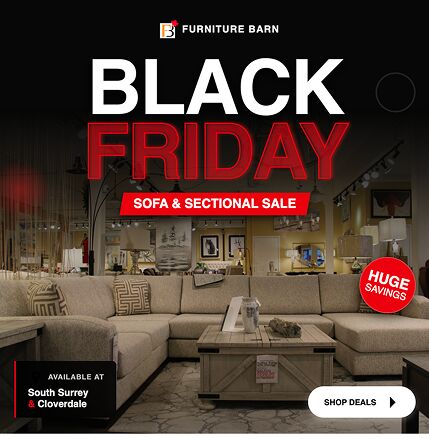
Ready to create your first design?
Join thousands creating professional designs in seconds.
Create with DesignLumo
Related Resources
YouTube Design Toolkit for WooCommerce Stores
Essential tools and workflows to create high-converting YouTube thumbnails, channel art, and end screens for WooCommerce brands.
Ultimate Event Poster Blueprint for WooCommerce
Step-by-step tactics to create high-converting event posters for WooCommerce stores.
Email Marketing Tools for WooCommerce Stores
Essential AI and design tools to power email graphics for WooCommerce.
Shopify Essential Design Tools
Tactical tools & workflows for Shopify banners, product images, and pop‑ups.
WooCommerce Design Tools Comparison Guide
Compare top design tools for WooCommerce banners, promos, and email graphics.
Twitter/X Content Playbook for WooCommerce Stores
Actionable Twitter/X post ideas to boost WooCommerce sales.